What Was Built Here
Auburn's housing landed right in the middle of the broader Londonderry-area build-out
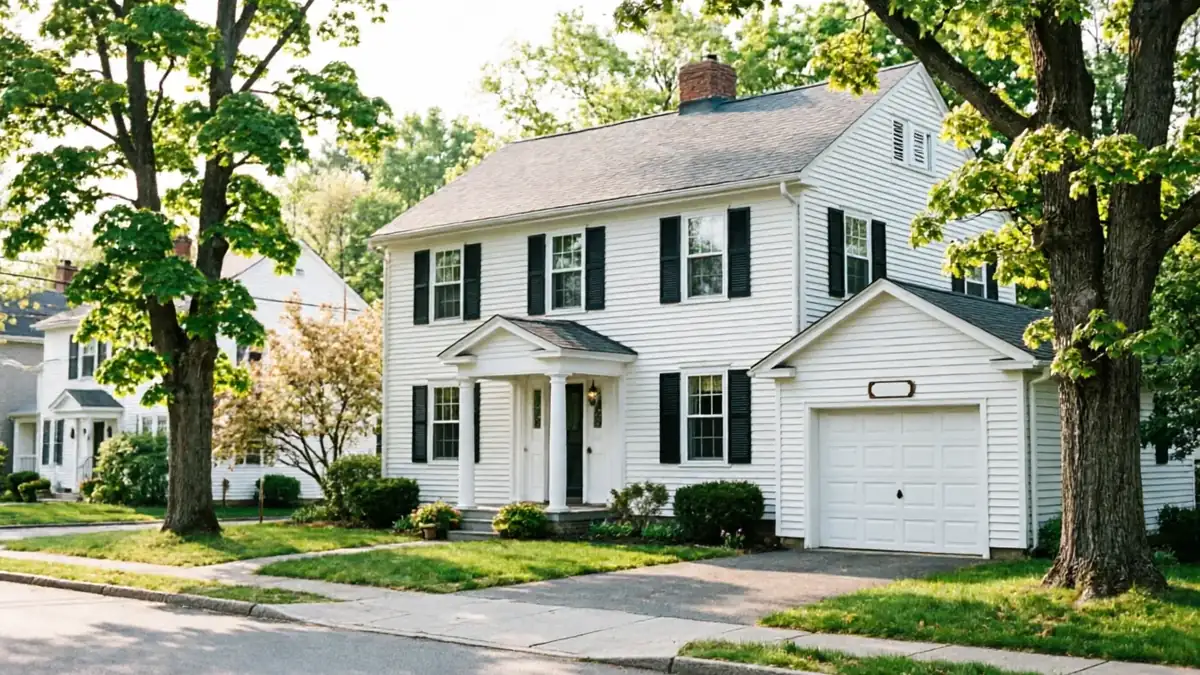
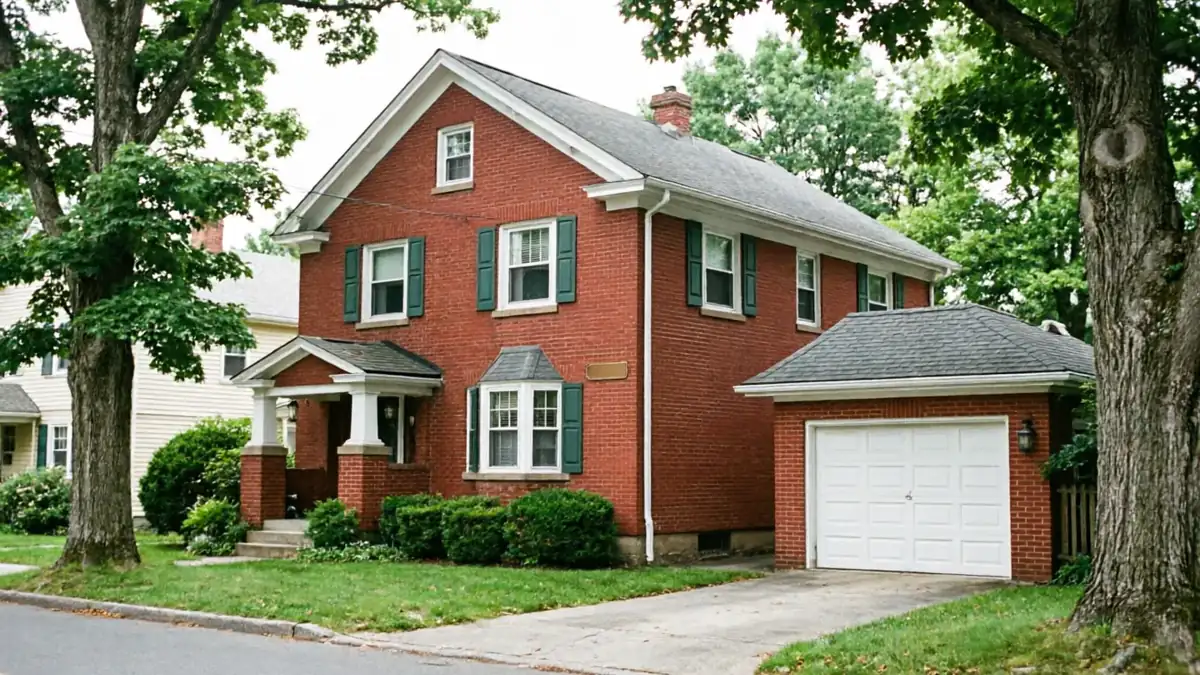
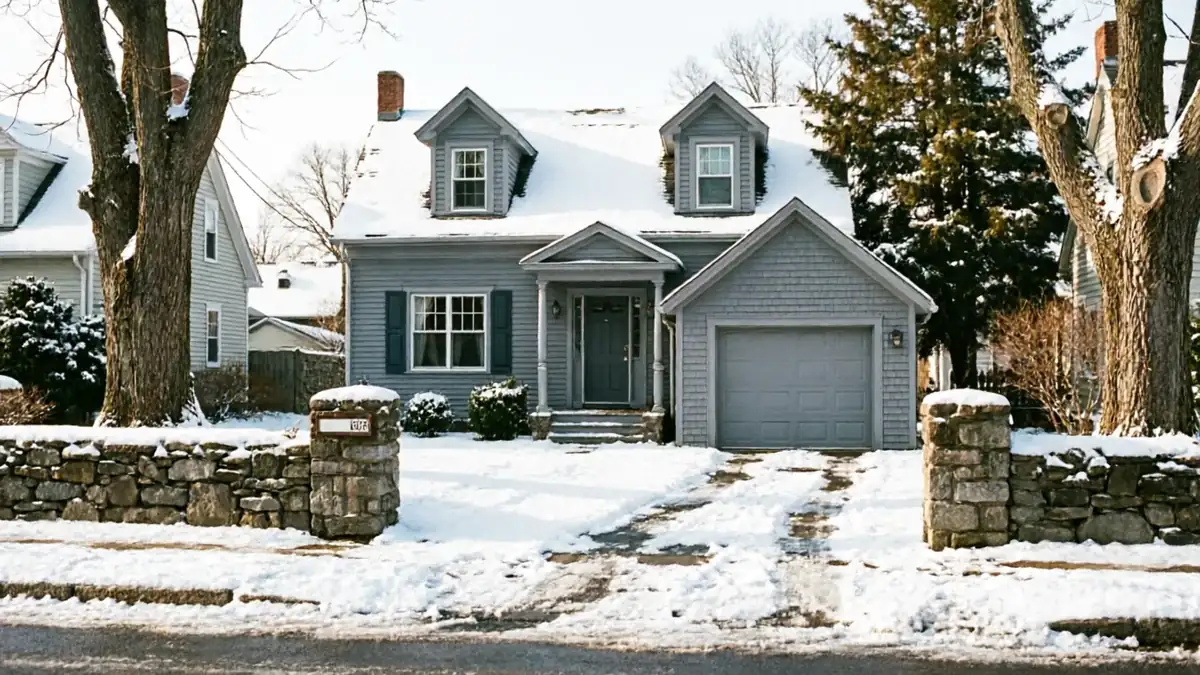
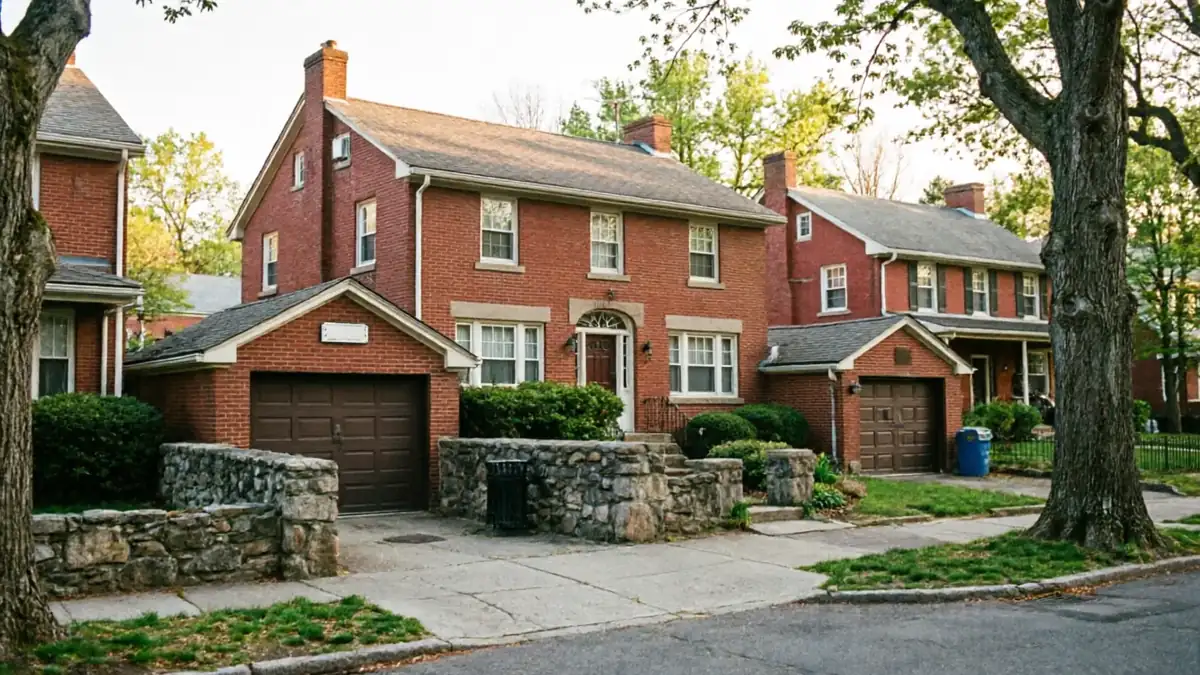
With a median year built of 1983. That's a fairly narrow window compared to the full 1938-1996 range across the service area, which means Auburn doesn't have the mix of old balance-door relics and brand-new builds you'd find in some neighboring towns. Most of what's on the ground here went up within about a fifteen-year stretch centered on the early 80s.
That matters because builders in that era standardized on a handful of door and track configurations
And they used them across whole subdivisions at once. If your neighbor's spring let go last winter, there's a decent chance your garage has the same hardware installed the same year by the same crew. Auburn sits about 10 miles from our shop in Londonderry, and the drive out gives us time to think through what we're probably walking into before we even get the door open.
- 10 miles
What the Housing Means for Your Door
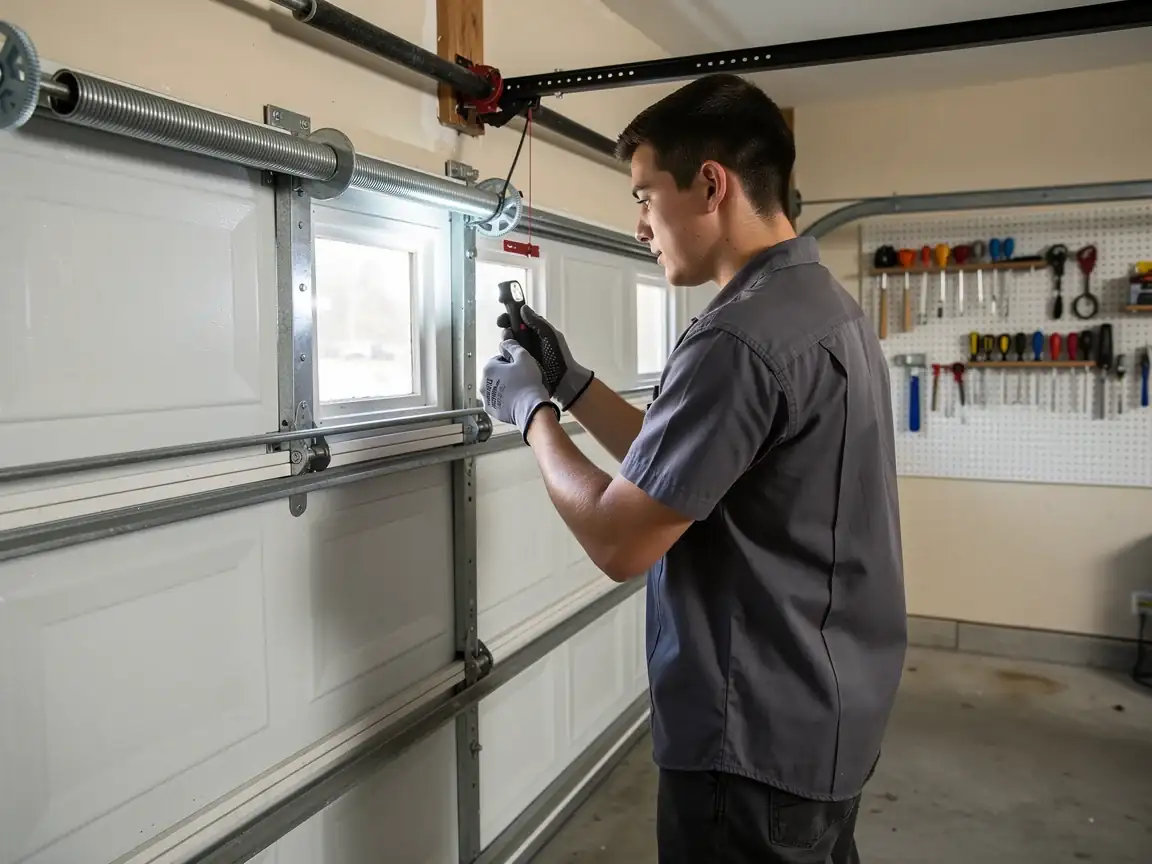
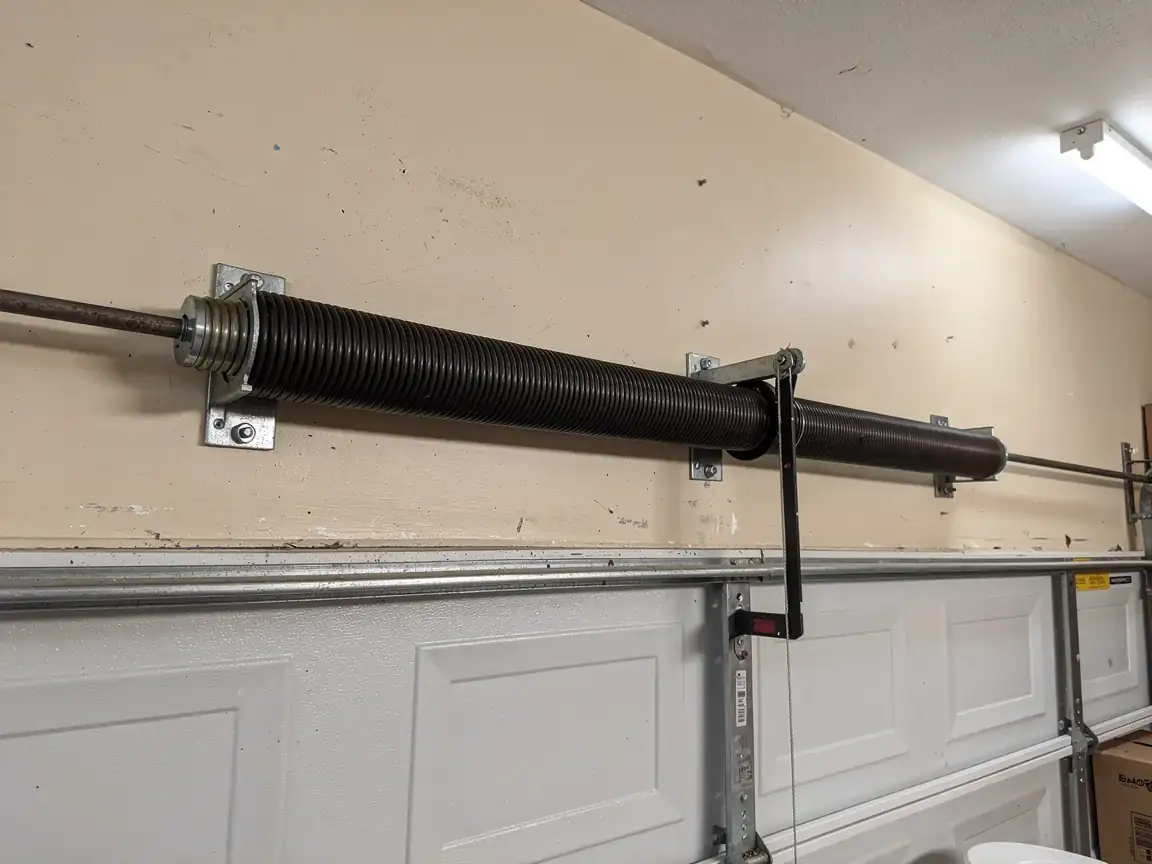
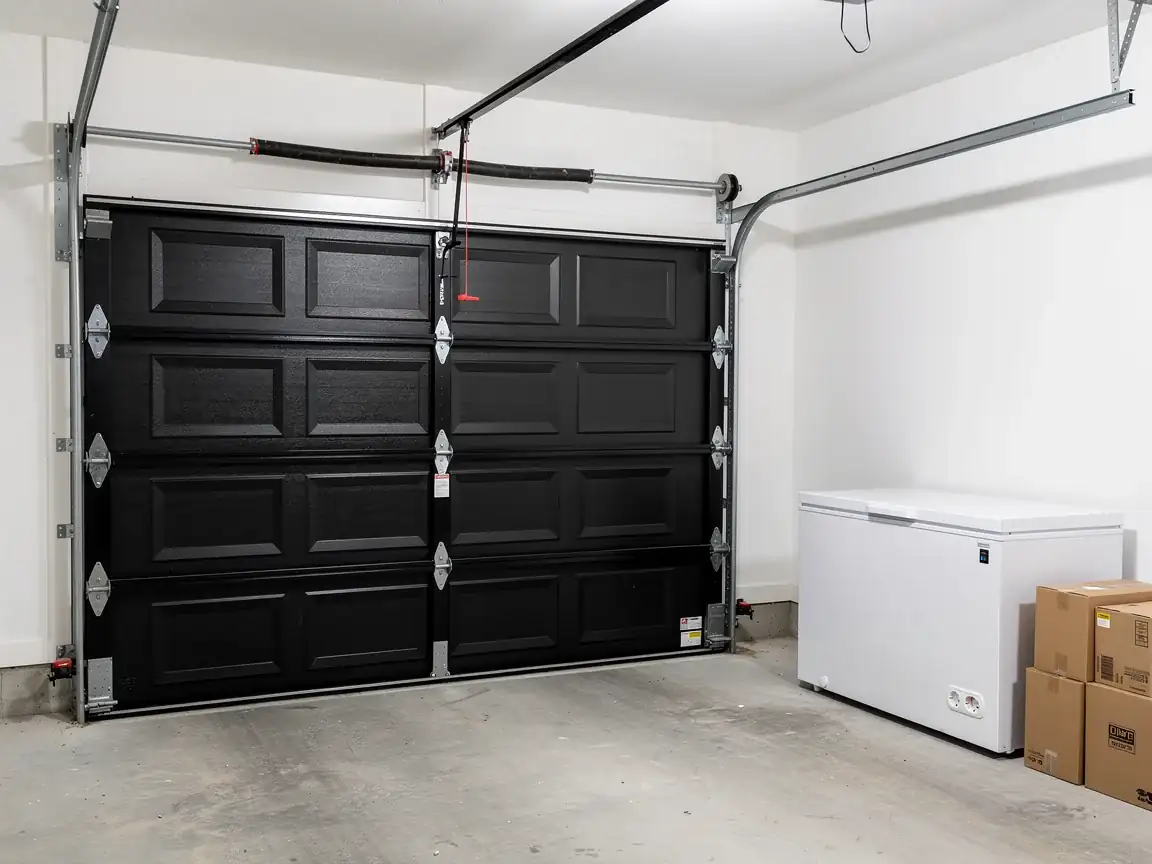
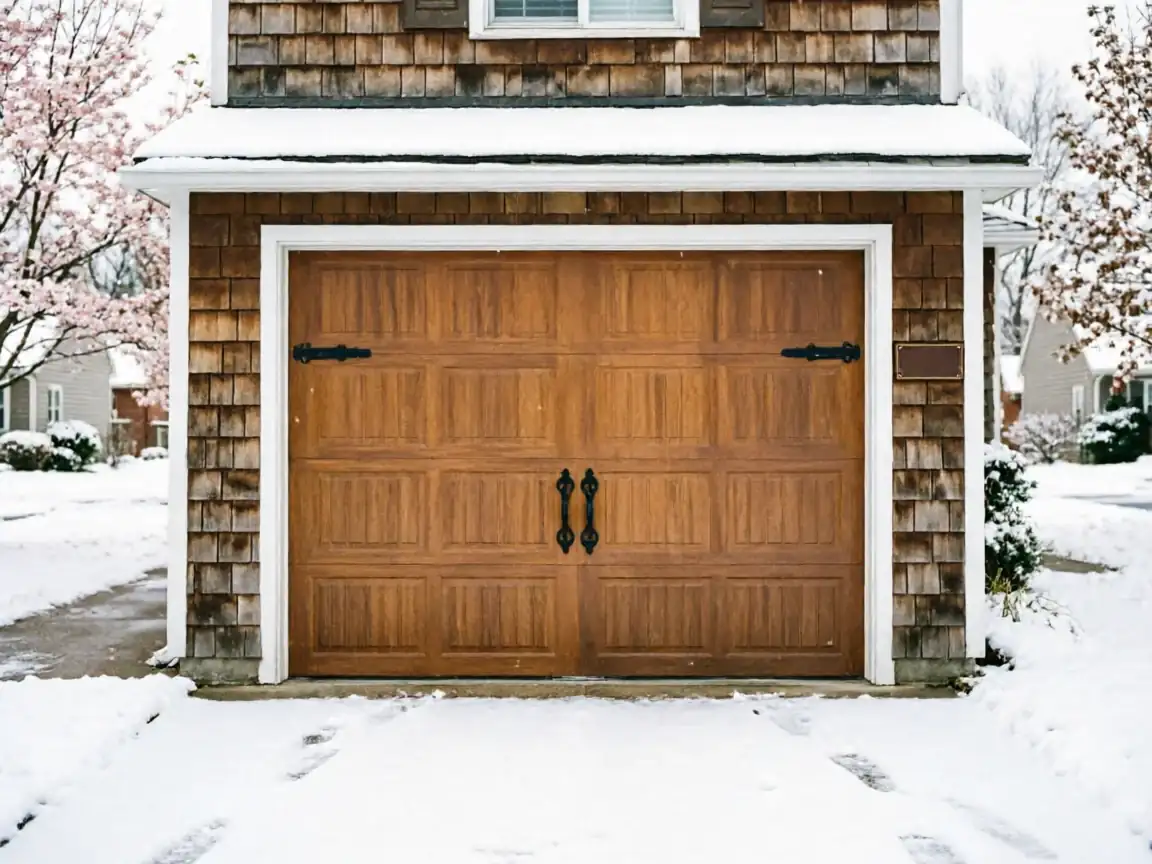
Doors installed in the early-to-mid 1980s are old enough now that the original torsion springs have almost certainly been cycled past their rated life, even if nobody's touched them. Extension springs from that period, where they show up, tend to be the unlined kind without a safety cable running through the coil - a real hazard if one snaps. Openers from that build era, if they're original, are usually long past the point where parts are easy to source.
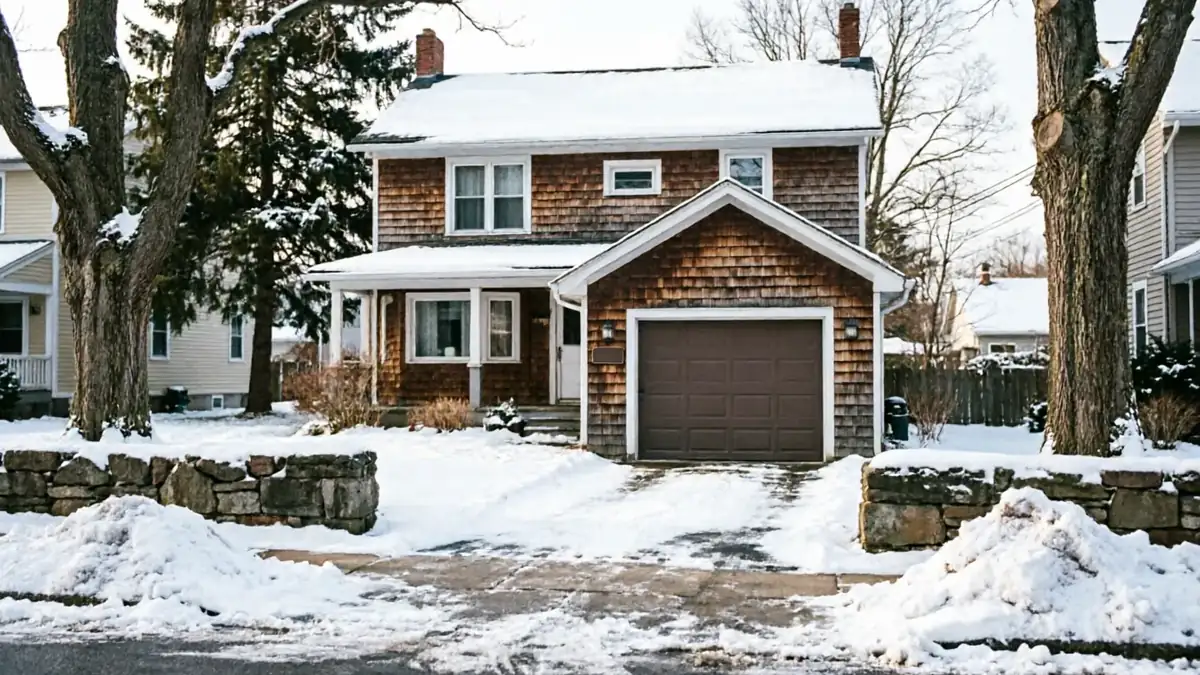
With 1,998 households in Auburn, that's a lot of garages built to the same code and spec in the same handful of years, which is useful for us because it means the failure patterns repeat. New Hampshire's winters put real stress on this older hardware too - the severe cold swings the region sees work steel springs and nylon rollers harder than a mild climate would, and a spring sized correctly in 1983 doesn't account for forty more winters of fatigue.
What People Here Ring About
The calls we get from Auburn skew toward springs and openers rather than panels or tracks, which tracks with a town built mostly in one era rather than one with scattered newer construction. A torsion spring that finally gives out on a door that's never been serviced is the most common one. Opener failures come in close behind - chain-drive units from the early 80s weren't built with today's circuit boards, and when the logic board goes, replacement is usually more sensible than chasing parts for a thirty-plus-year-old unit.
Auburn's median household income runs higher than the broader service area's $125,774, closer to $146,290, and we notice that shows up in the kind of repair people ask for - more often a full opener swap or spring upgrade to a longer-life unit, less often a patch job meant to squeeze one more season out of old hardware. Either way, we'll tell you honestly which one actually makes sense for your door before we start.