The Situation
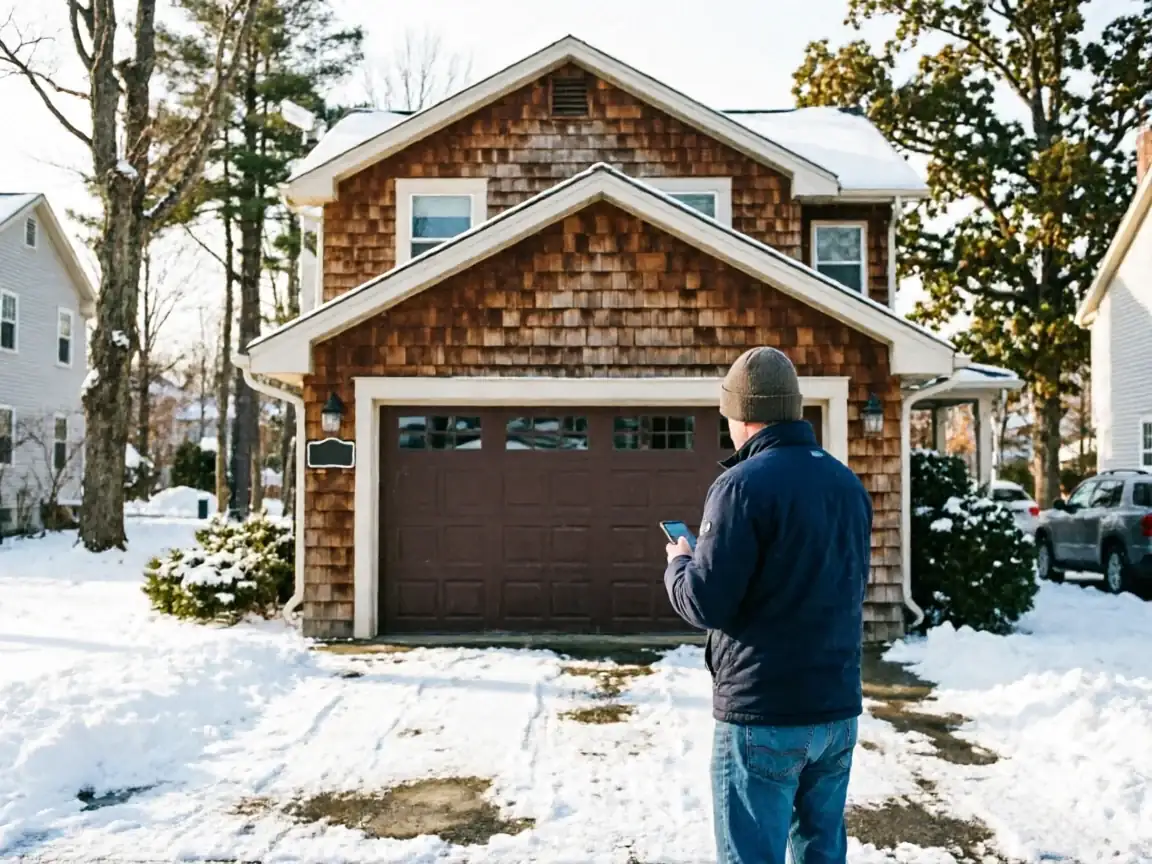
Walk through any of the 28 named areas that make up Londonderry and you're mostly looking at houses built between 1938 and 1996
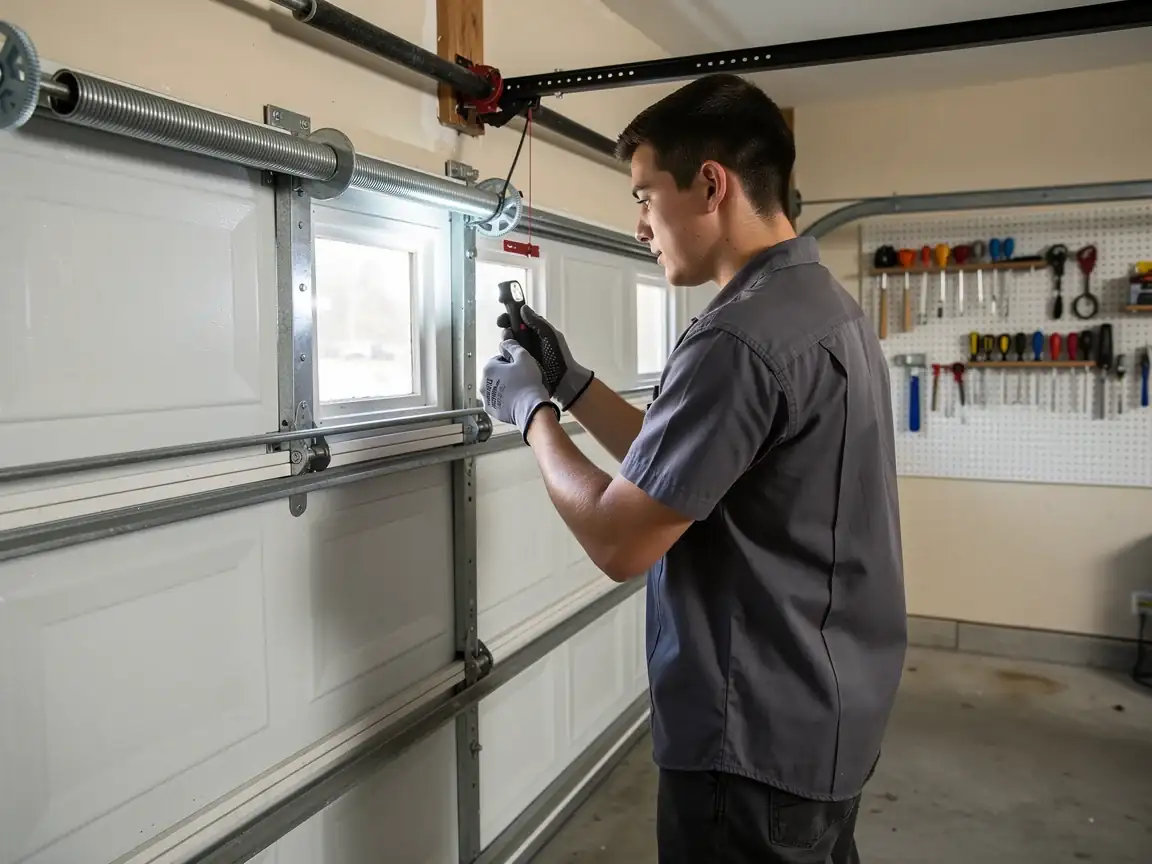
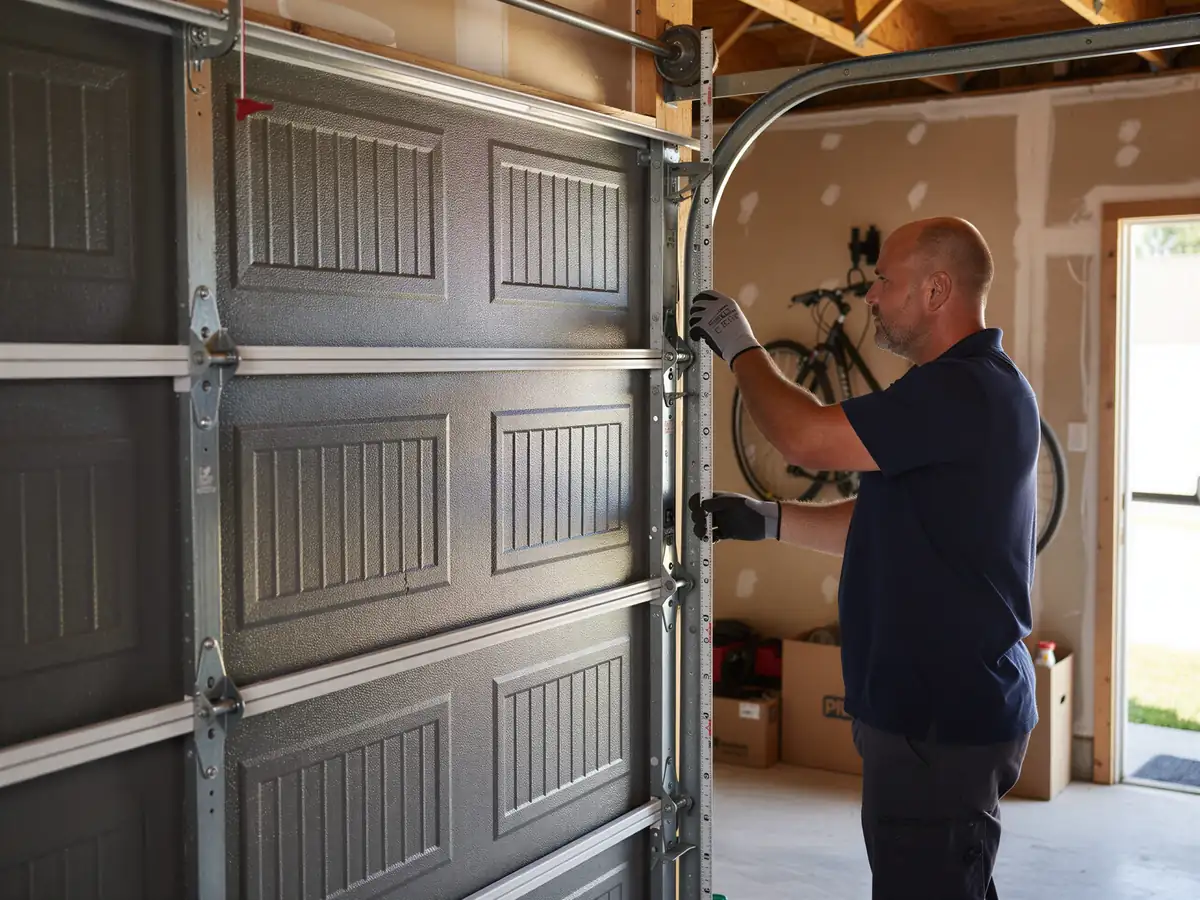
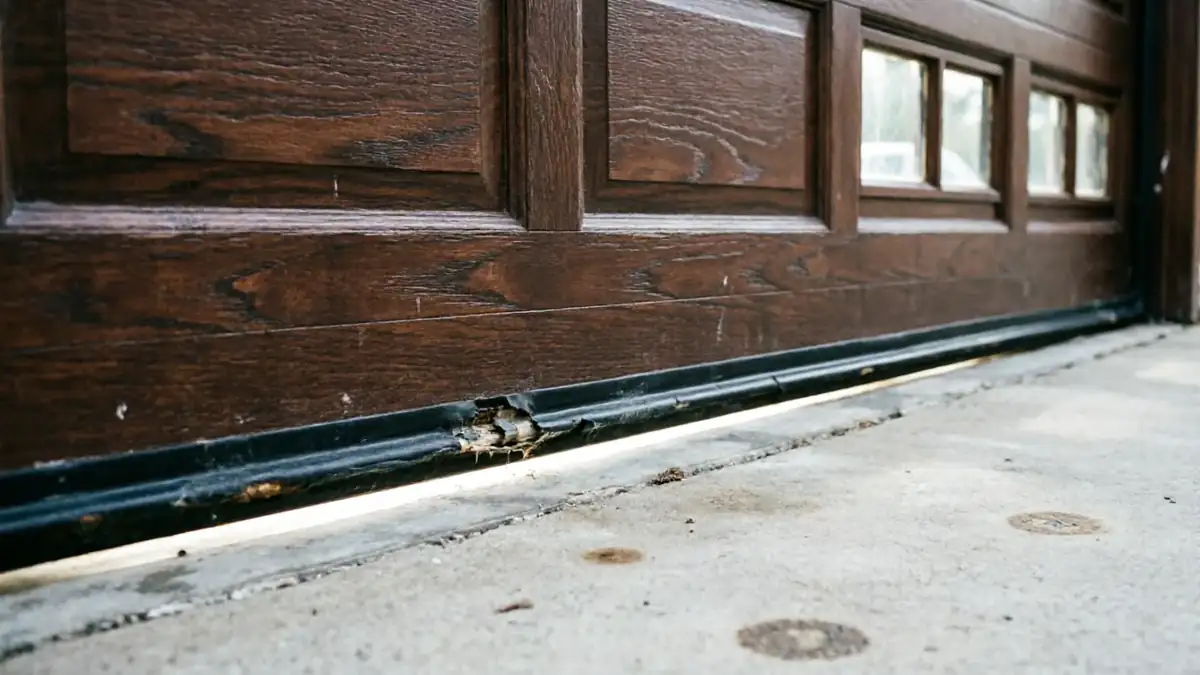
With the median landing at 1982. That's not a random spread - it's a town that filled in fast during one stretch, and a lot of garages went up with whatever door and seal kit was standard for that decade. Bottom astragal rubber, the vinyl strip along the floor, and the side and top stop molding all have a service life, and on a door that's pushing forty years old, that rubber has usually gone flat, cracked, or pulled loose from the track entirely.
We see this most on the original one-piece and early sectional doors that never got upgraded hardware
The seal was fine in 1983. It is not fine now. If your garage has that thin gray or black rubber strip along the bottom that looks glazed and shiny rather than soft, that's the giveaway - it's hardened past the point where it compresses against the slab, which means it's not sealing anything anymore, just sitting there.
This isn't a defect in the door
It's just what forty-year-old rubber does. The fix is usually straightforward, but knowing which seal profile your door takes - and whether the track and bottom panel are straight enough to seal properly against - matters more than people expect.
How Local Conditions Play In
Londonderry sits in a climate zone rated severe cold, and that changes what a bad seal actually costs you. A gap under the door or along the sides doesn't just let in a draught you can feel standing near the garage - it lets cold air move through the whole space, which matters if the garage shares a wall with living space, a laundry room, or has an attic above it tied into the house's heating envelope.
The houses built in that 1980s-90s wave - which is most of this area - were framed to codes and insulation standards from that era, not current ones. That means the garage door seal is doing more of the work holding the line against outside air than it would on a newer build. When that seal has hardened or pulled away from the frame, the cold doesn't stay politely in the garage. It finds the gaps in the shared wall, the attic hatch, the mudroom door.
We also see ice buildup at the bottom seal in a hard freeze, where melted snow runoff refreezes right where the rubber meets the slab, which can tear a worn seal further or keep the door from closing flush. That's a symptom of an aging seal, not a separate problem - once the rubber is compressing properly again, the ice has nowhere to grip.
What It Costs
We're not going to throw a number at you here that doesn't account for your door - seal profile, track condition, and whether the bottom panel itself has warped all change the job. What we can tell you is how to think about it against the house you're in. Londonderry's service area has 34,548 owner-occupied houses and a median household income of $125,774, and a seal replacement sits at the small end of garage door spending - well below a spring job or an opener swap.
The honest limitation: if the door panel itself has bowed or twisted from decades of sun and cold cycling, a new seal won't close that gap. Rubber can only compress so far. At that point you're not buying a seal kit, you're looking at whether the bottom panel - or the whole door, on an older one-piece unit - needs replacing. We'll tell you straight if that's where you're at rather than selling you a seal that won't hold.
For most of the 1980s-era doors still running around town, though, it's a seal and maybe a bit of track adjustment, not a bigger job.
The Seasonal Bit
Fall is when this shows up
The rubber that was flexible enough in July to fake a seal goes stiff the first hard frost, and that's usually the week we get the call. If you're going to check your own door before winter sets in, do it now rather than after the first real cold snap - a seal that's already brittle won't give you much warning before it cracks outright.
Given the severe cold rating here, a door that seals tight in October is doing real work by January
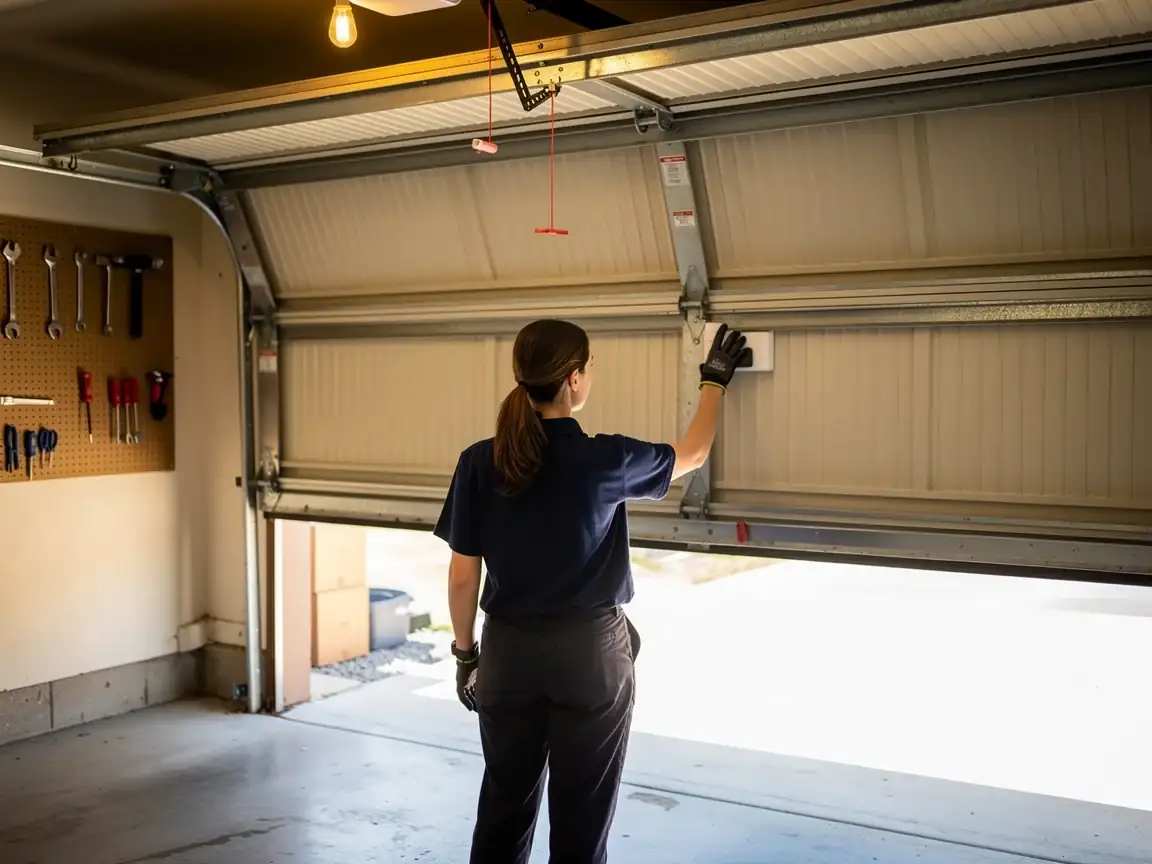
It's worth five minutes with a flashlight: close the door and look along the bottom and both sides for daylight or draught. On the 1982-median housing stock that makes up most of Londonderry, that five-minute check on a forty-year-old seal is usually all it takes to know whether you need a fix now or can wait.