What the Housing Means for Your Door
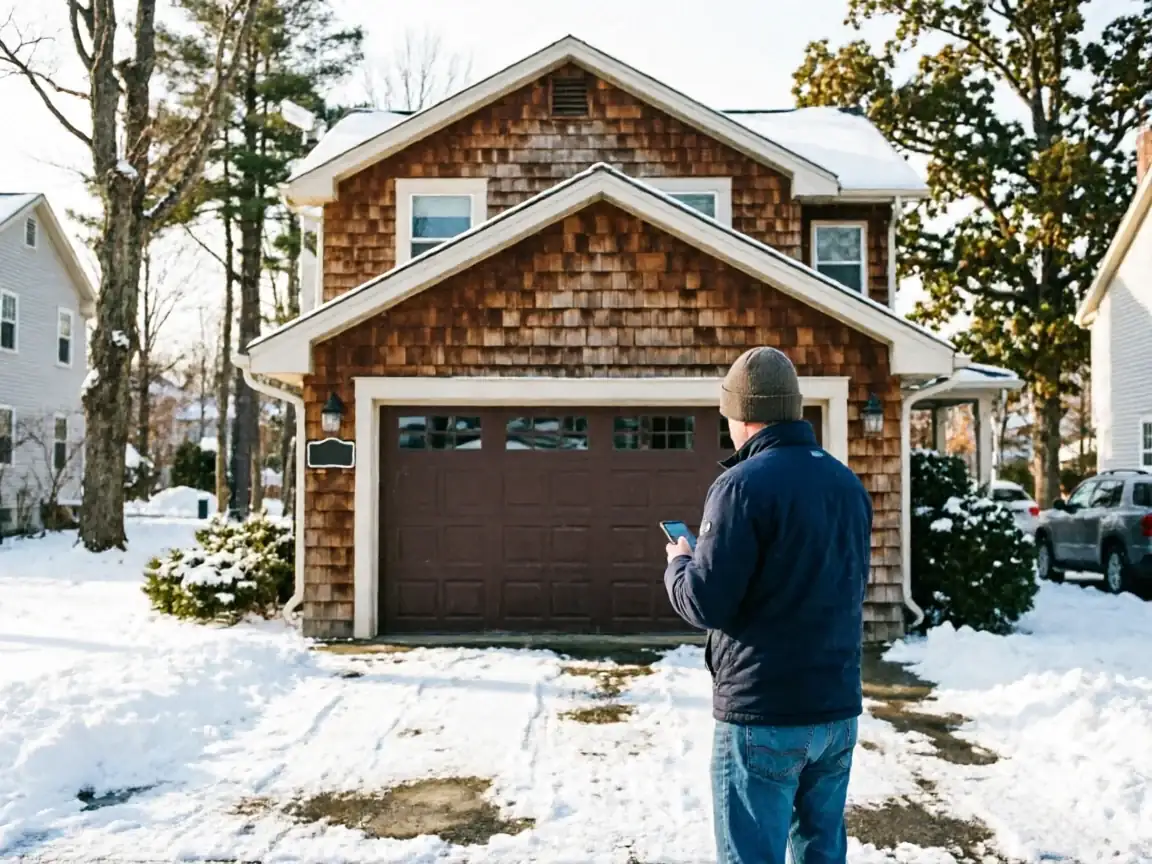
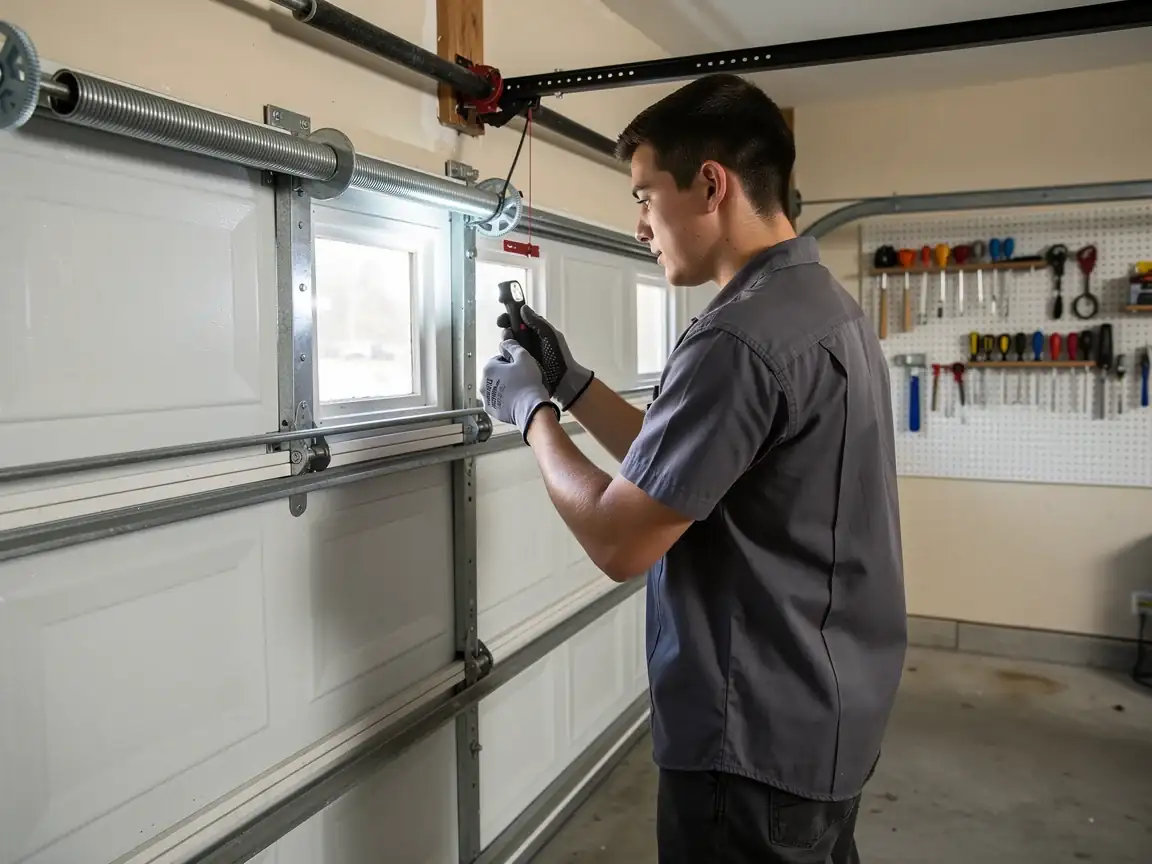
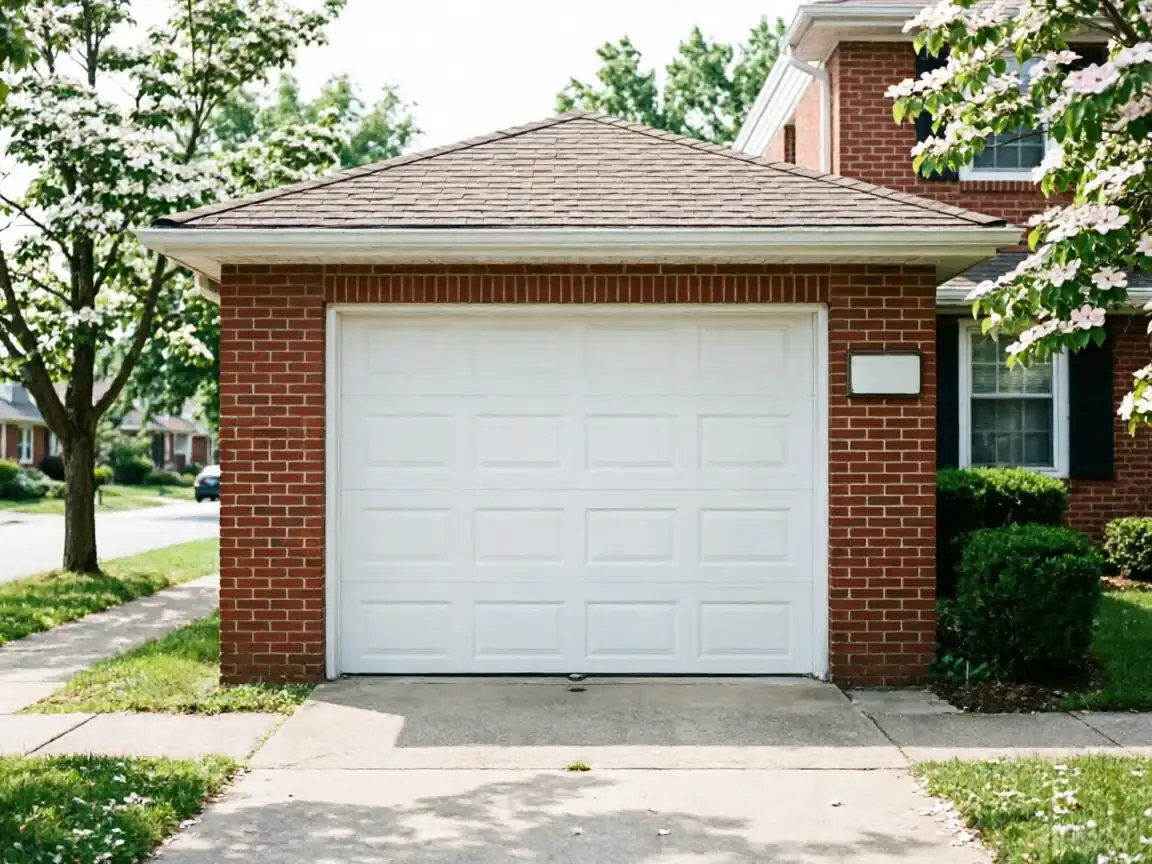
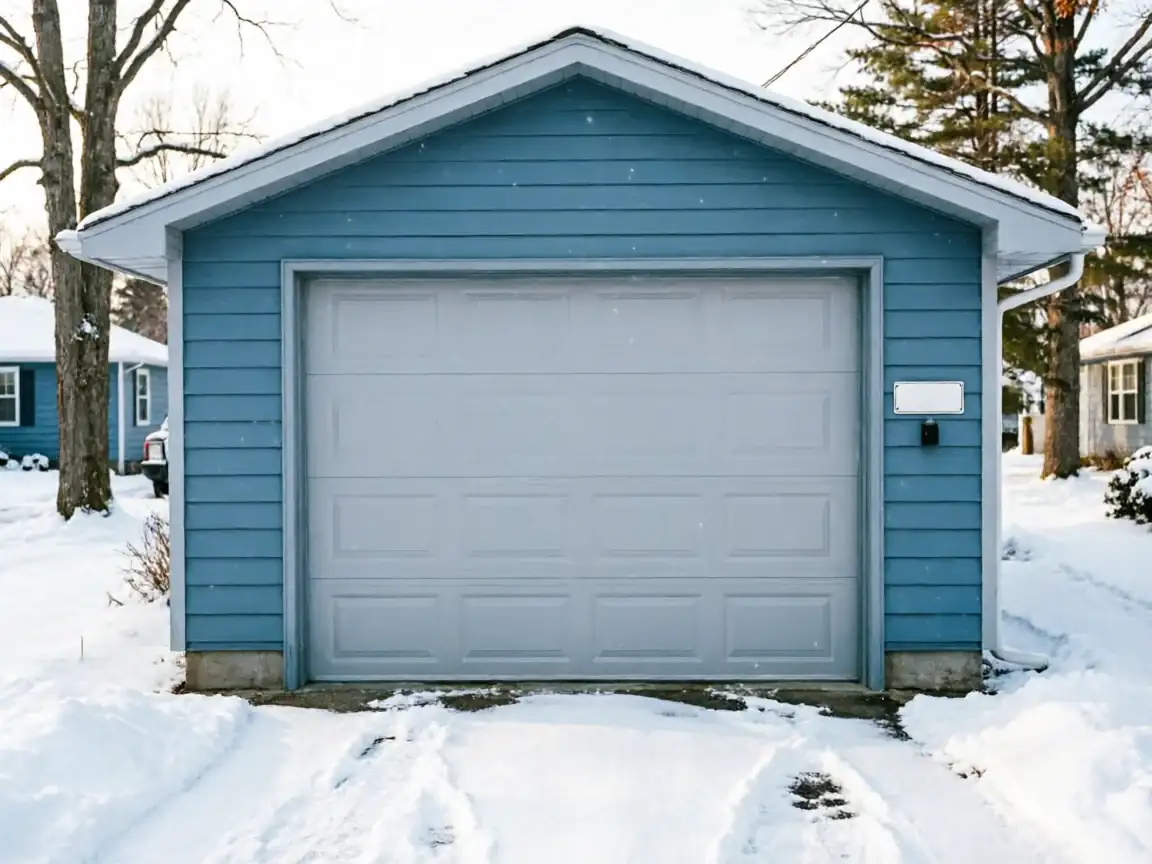
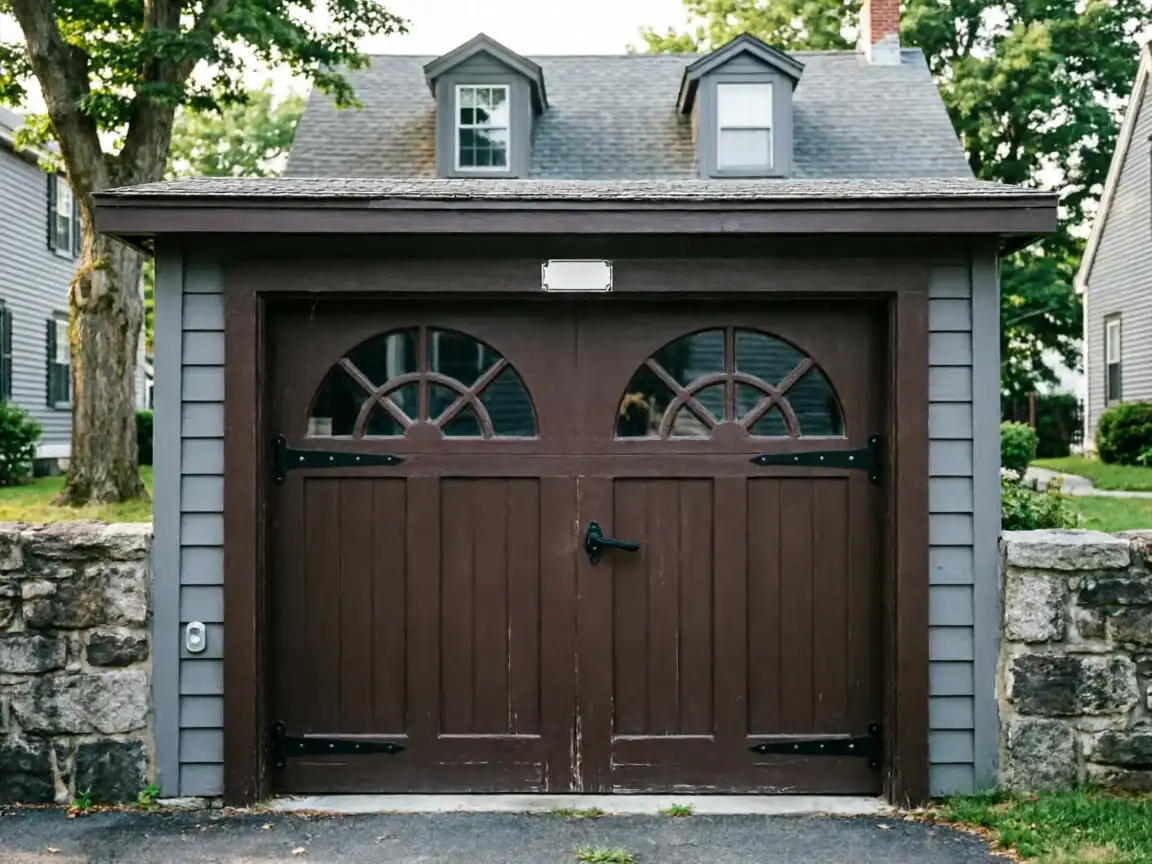
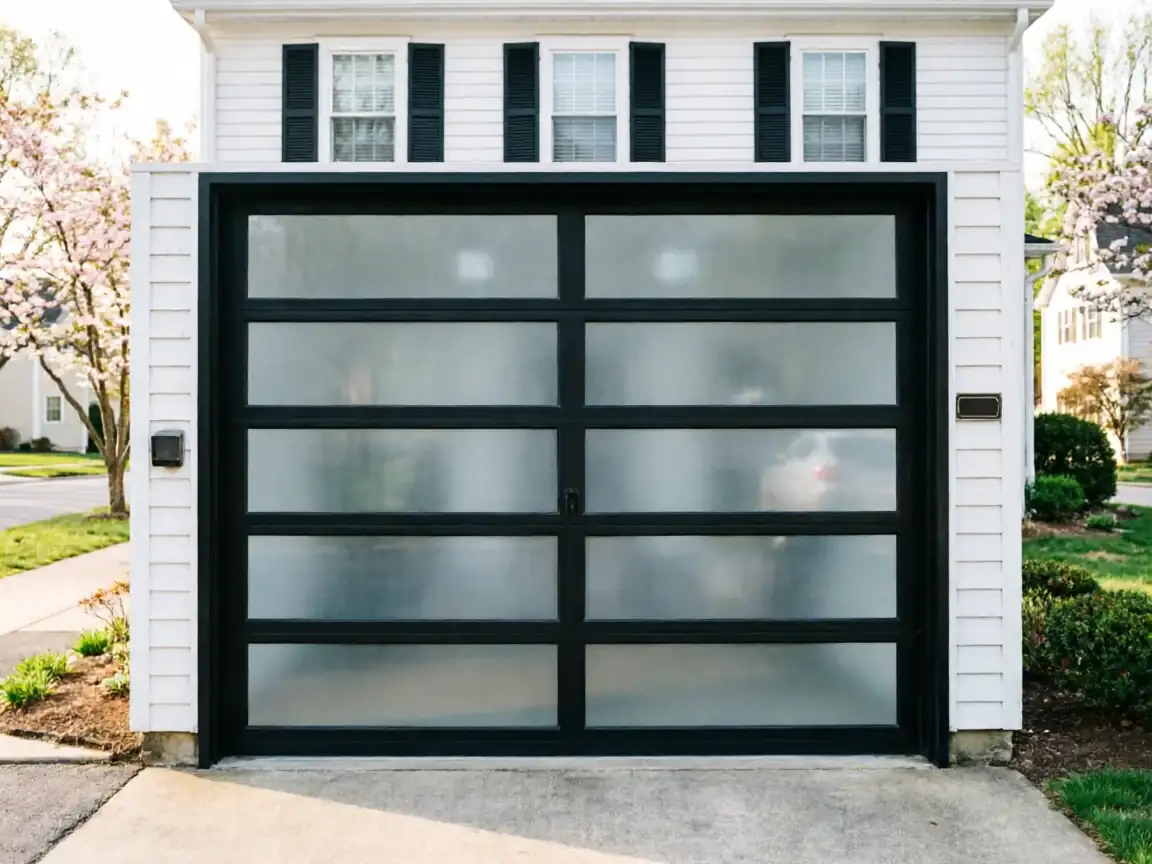
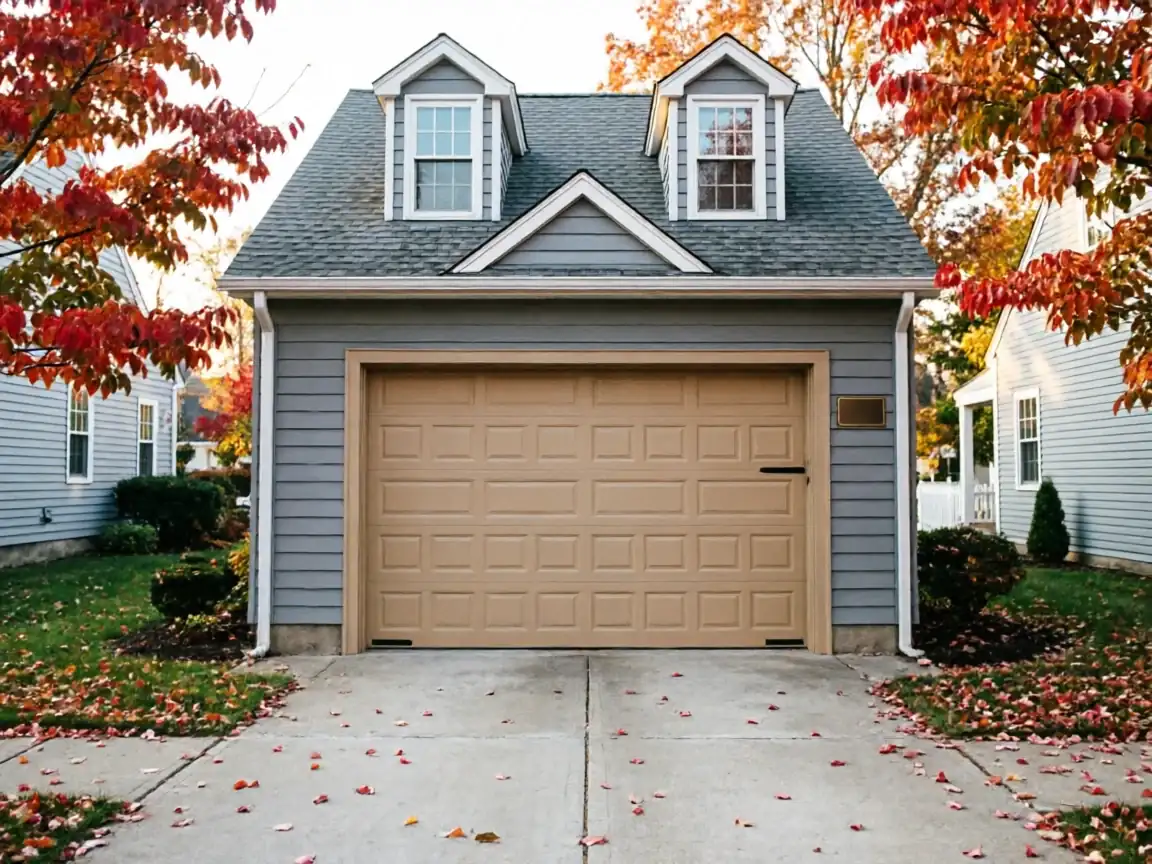
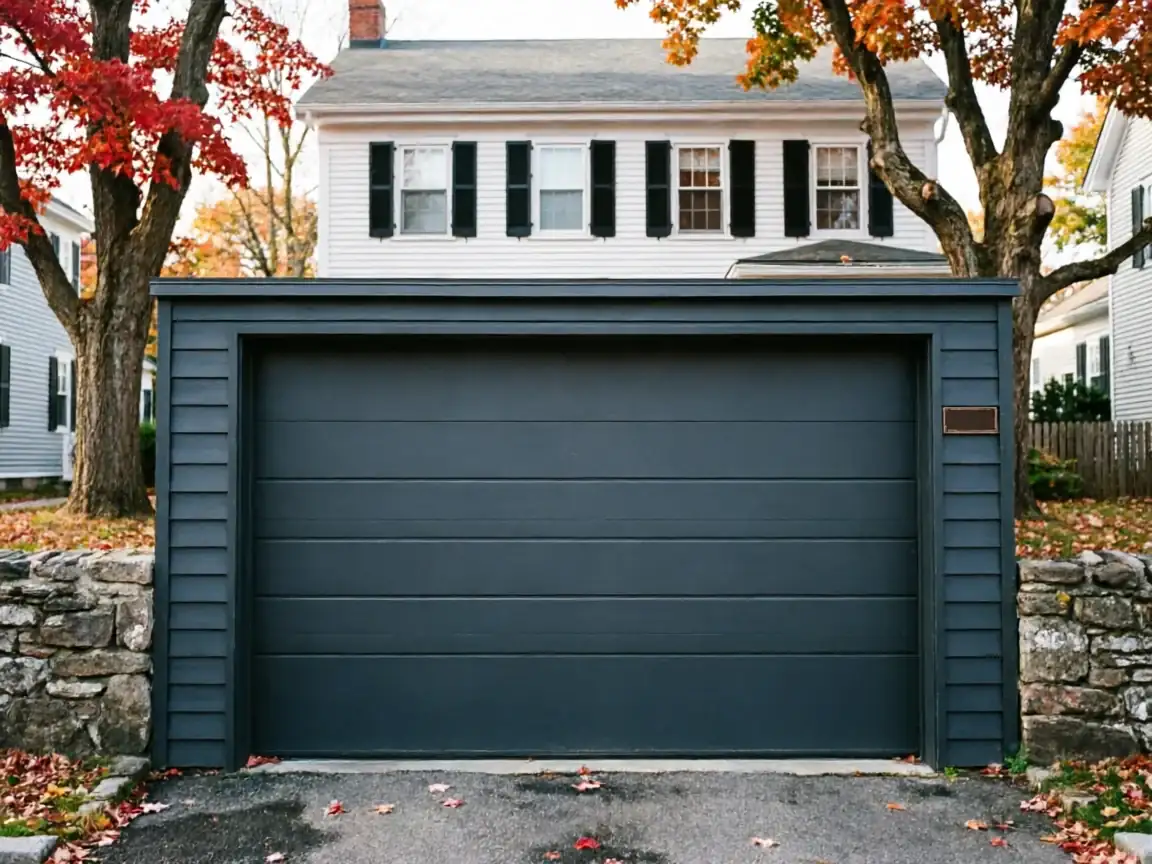
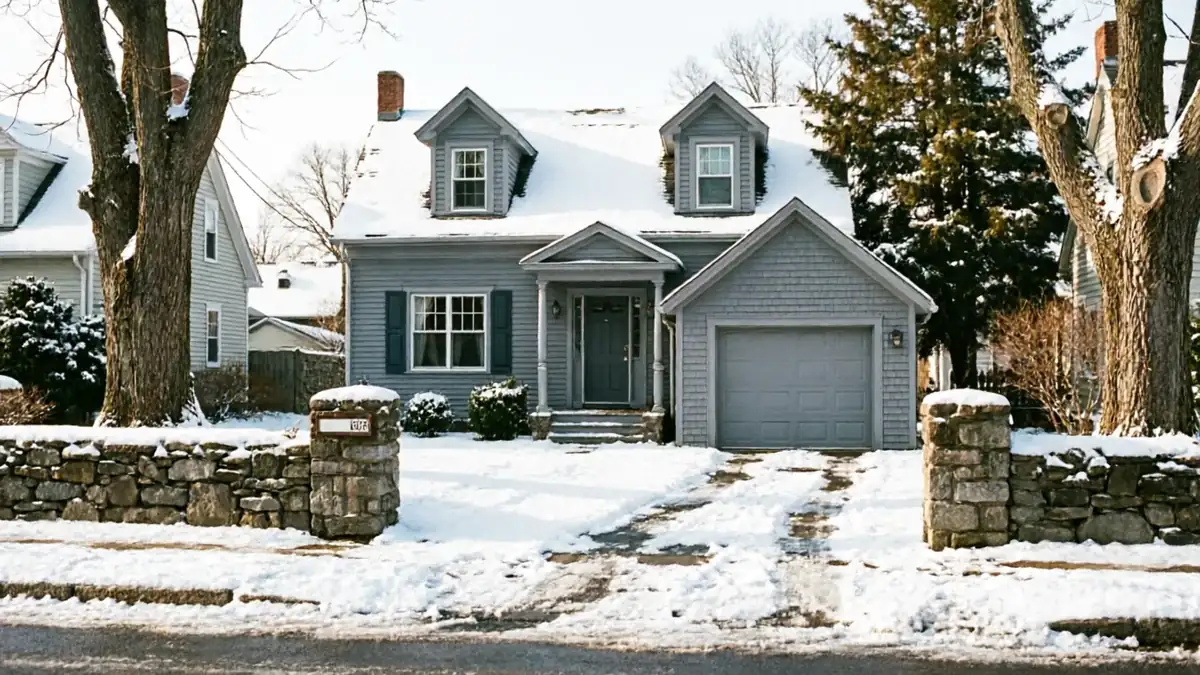
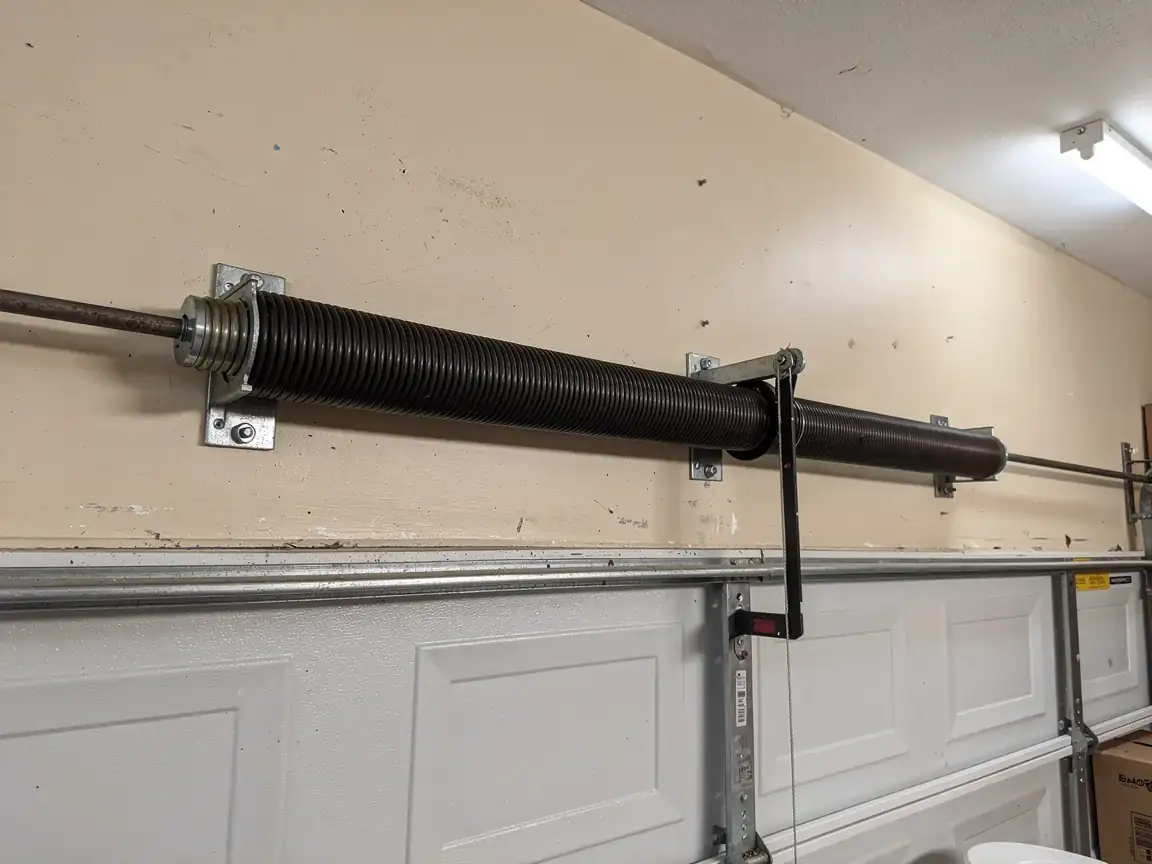
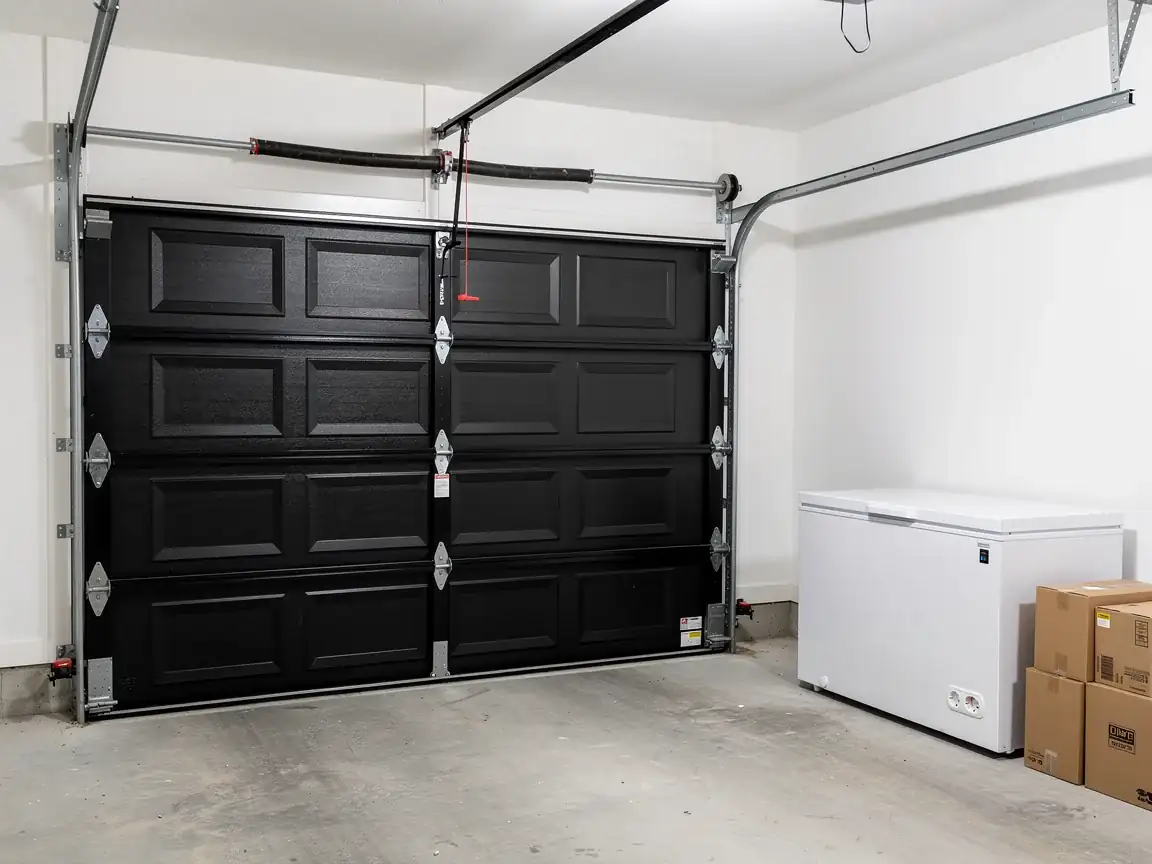
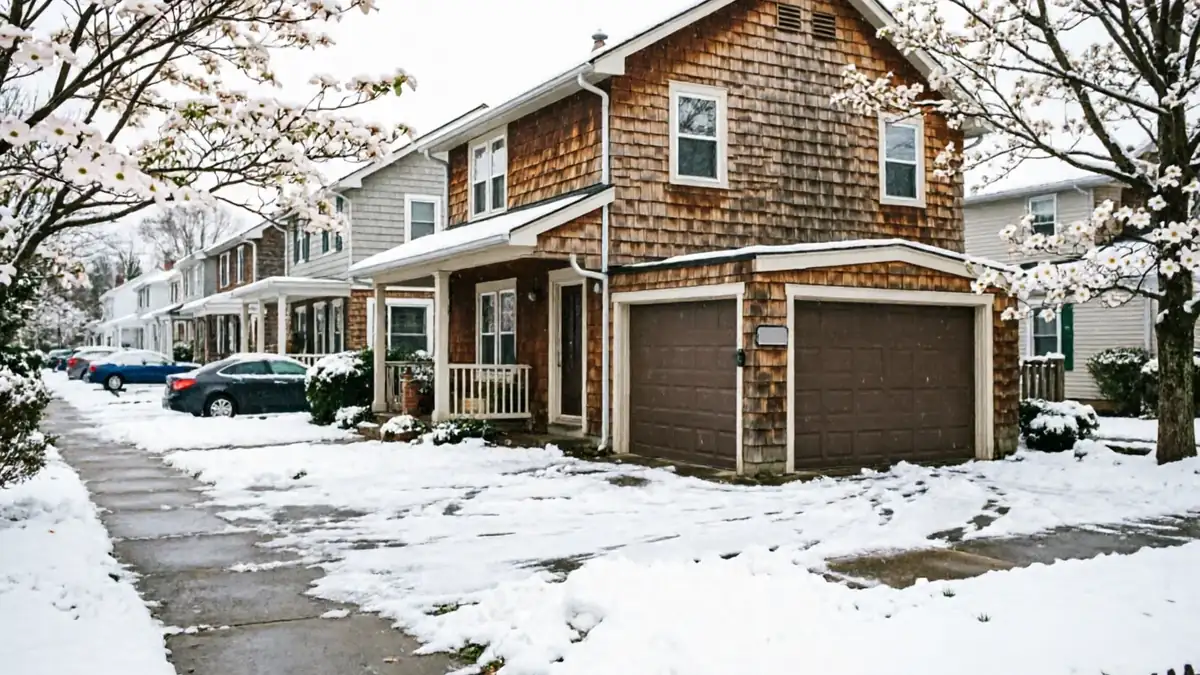
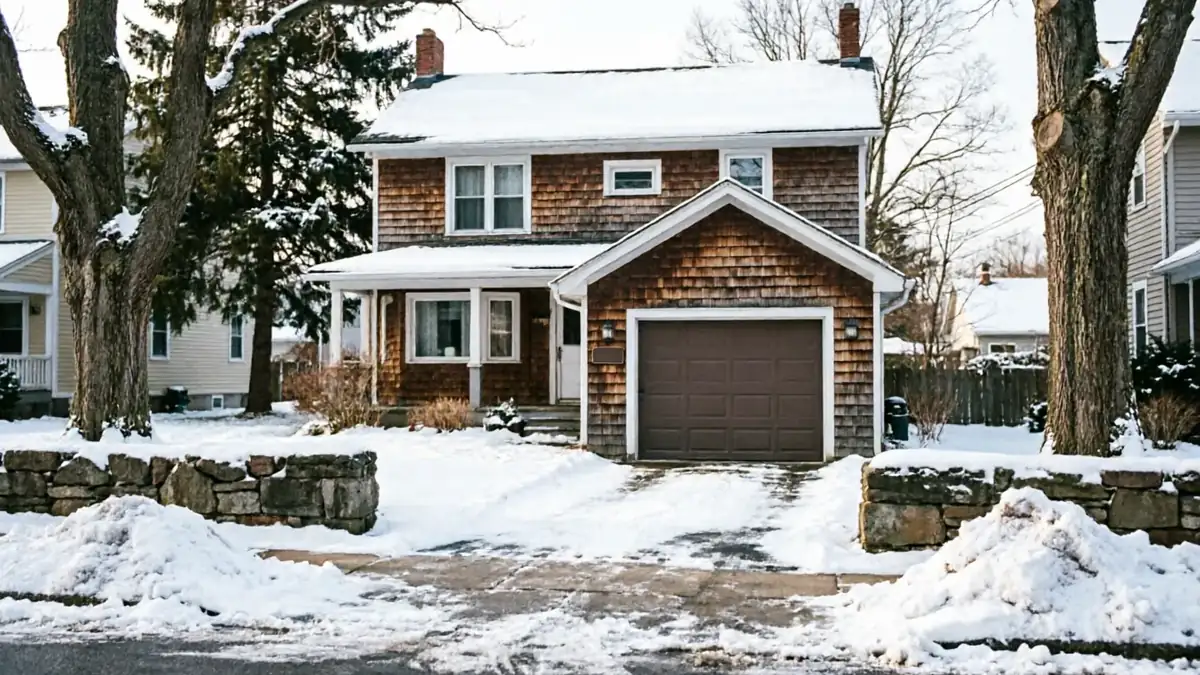
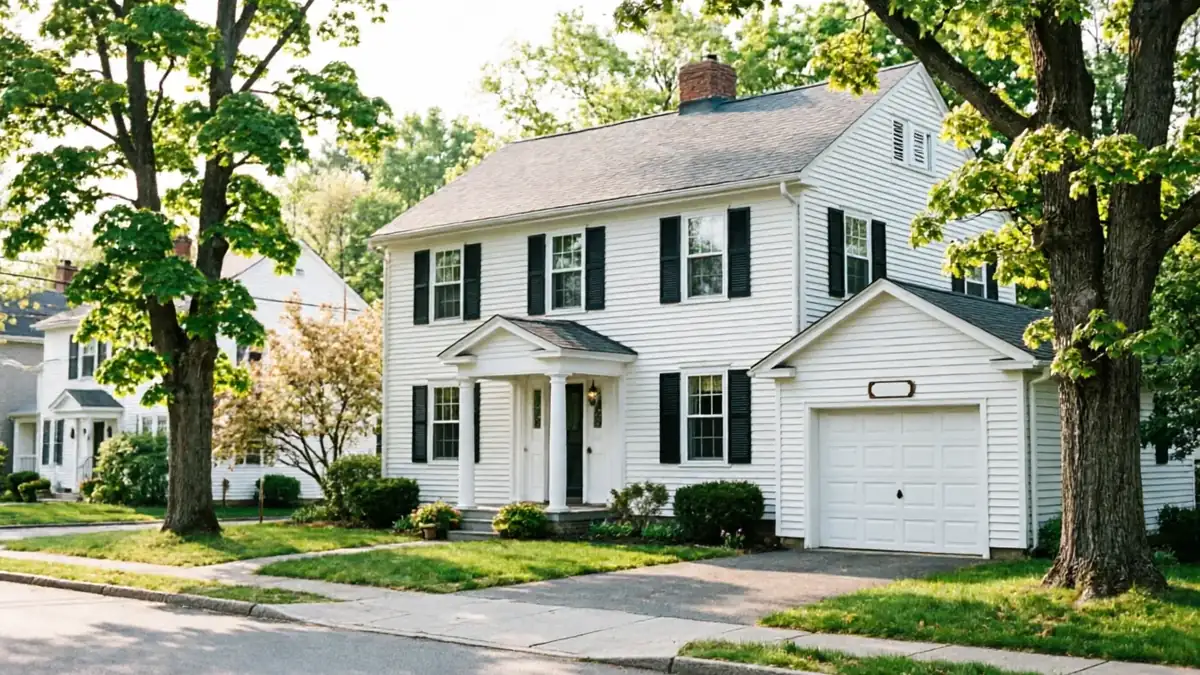
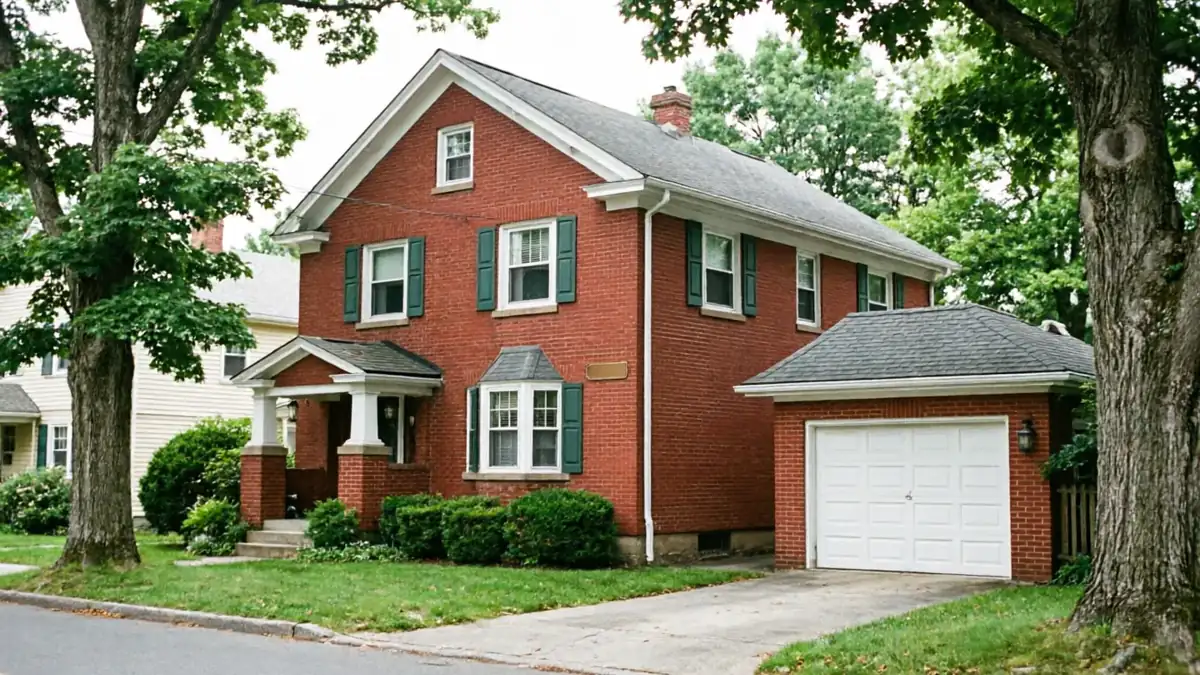
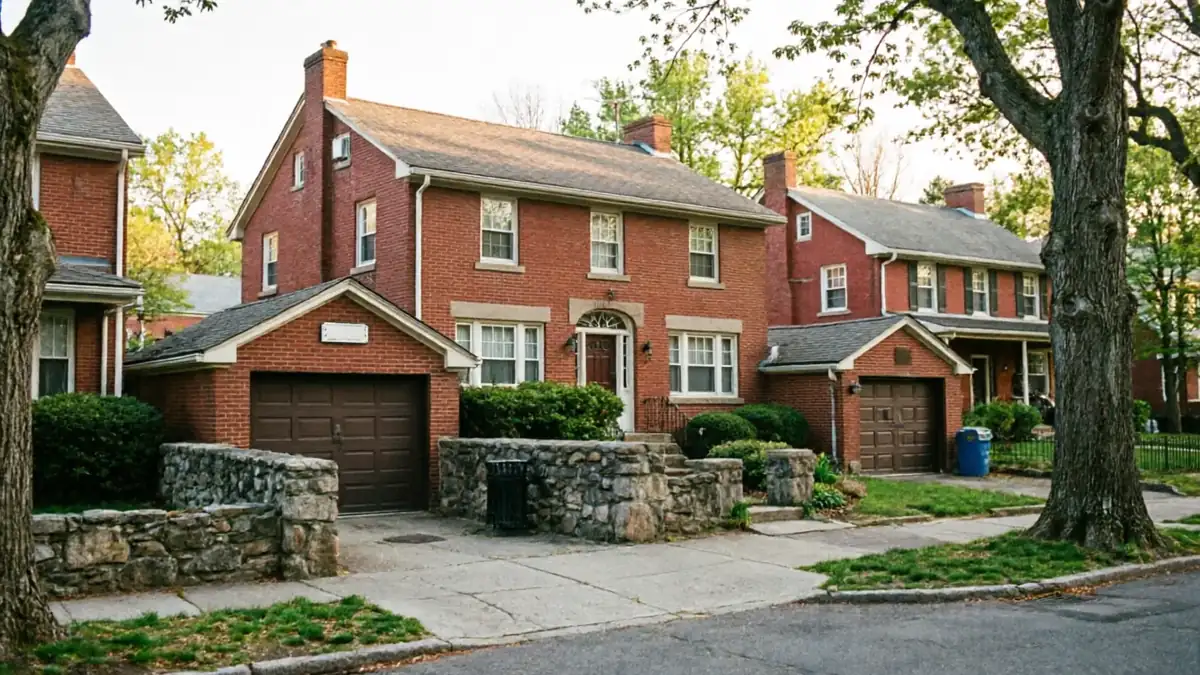
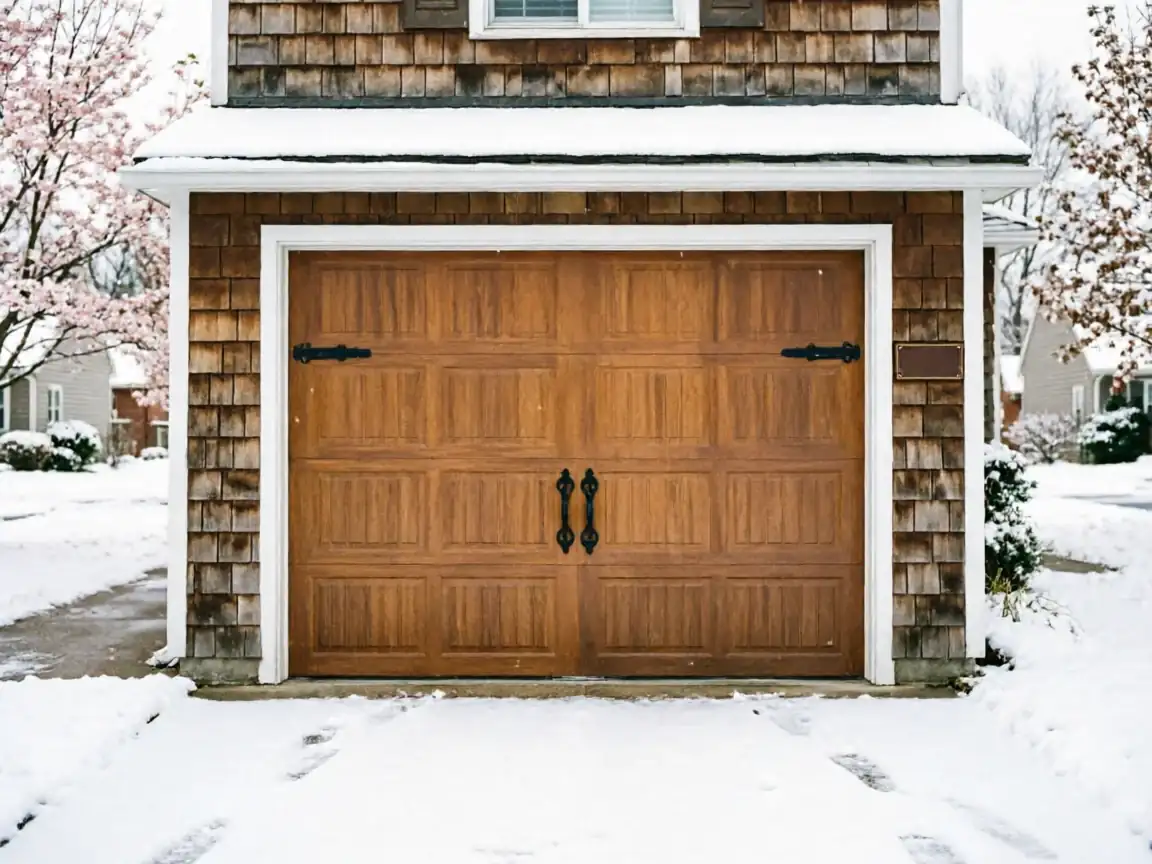
A house built around 1979 in Hollis was most likely fitted with a single torsion spring on a sectional door, or in some cases an extension spring setup if the garage was a later add-on. Either way, that hardware has had four-plus decades to fatigue, and springs rated for that period weren't sized the way current ones are. We also see galvanized track that's pitted or slightly bowed from years of cold-weather expansion and contraction - this region sits in a cold, severe climate band, and freeze-thaw cycling is hard on both the rail and the rollers riding in it. On a 1979-era door, a stiff or grinding roller usually isn't a lubrication problem, it's a worn track problem, and the fix is different. Houses here also tend to have narrower, single-bay garages built to older code dimensions, which affects what replacement door sizes actually fit without reframing the opening.
What People Here Ring About
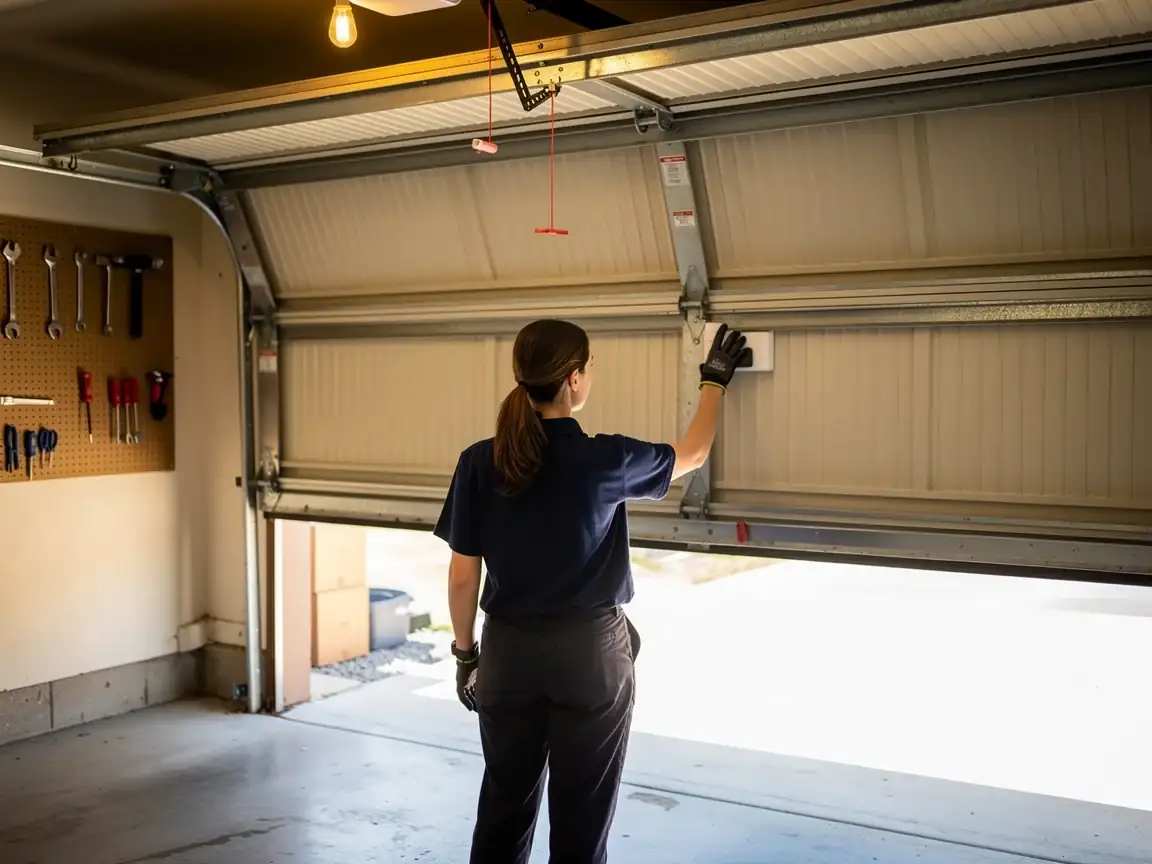
Given the age of the housing, the calls from Hollis lean toward spring failure on original torsion setups and openers that are on their second or third motor but still running the same aging track and cable from decades ago. Median household income here is $156,140, which is on the higher end of what we see across the territory, and it shows in the calls - more owners asking for a full hardware upgrade rather than a patch, since they can afford to do it right the first time instead of chasing the same failure twice. We also get a fair number of calls about doors that are simply out of square after years of settling, which is common in houses from this build period and shows up as a door that binds on one side more than the other.