Why This Fails Locally
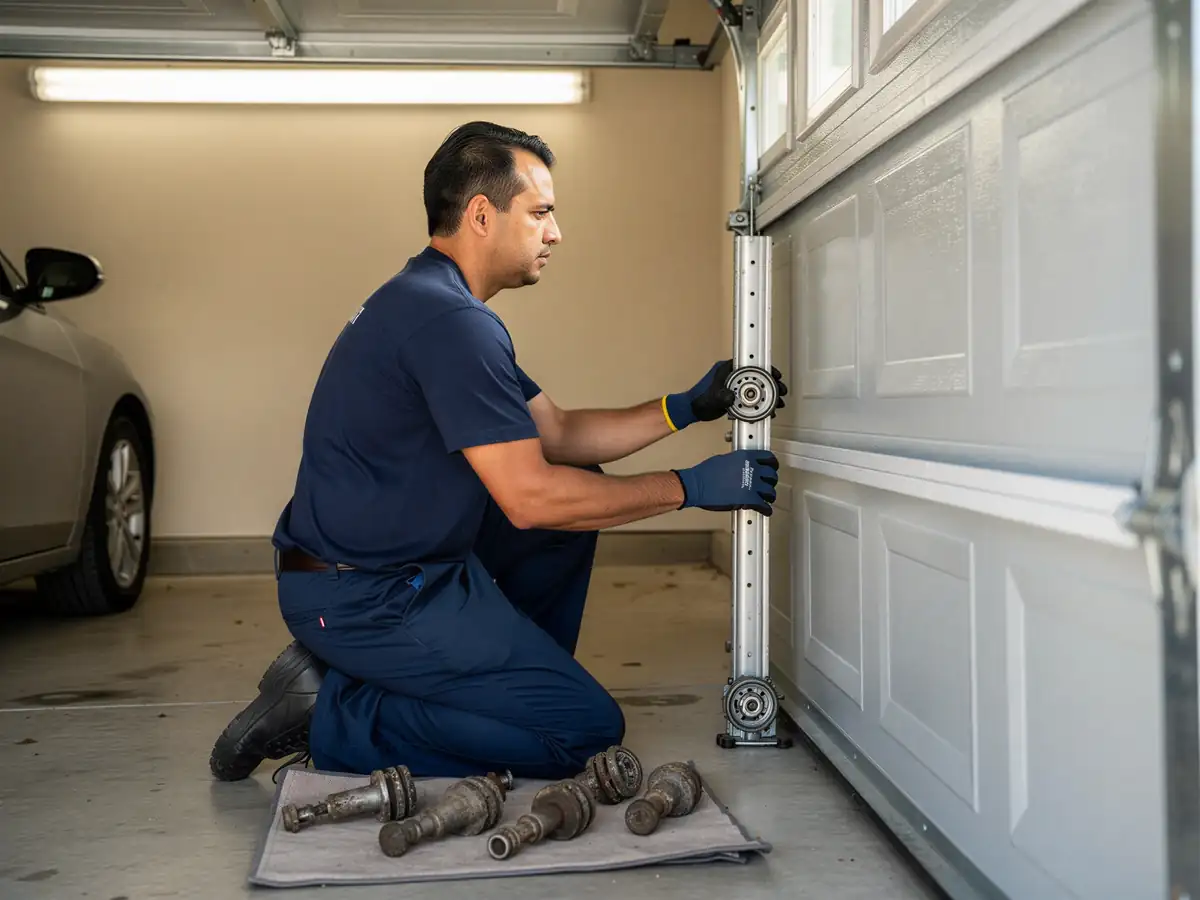
Houses in this part of the state built in the early-to-mid 1980s almost all went up with steel rollers on steel track, no nylon, no sealed bearings. That hardware was fine for the climate it was speced for, but New Hampshire's cold band is severe - real freeze-thaw cycling every winter - and steel rollers don't flex with that the way nylon does. Over forty years the stems wear oval instead of round, the wheel face flattens, and the roller starts riding the edge of the track instead of the center. You get a door that growls going up, binds halfway, then rolls fine for a week and growls again. That's not the opener. That's four decades of original steel wearing against original track, and it's a pattern we see across the 1980s-90s stock that covers most of this area.
The Symptom
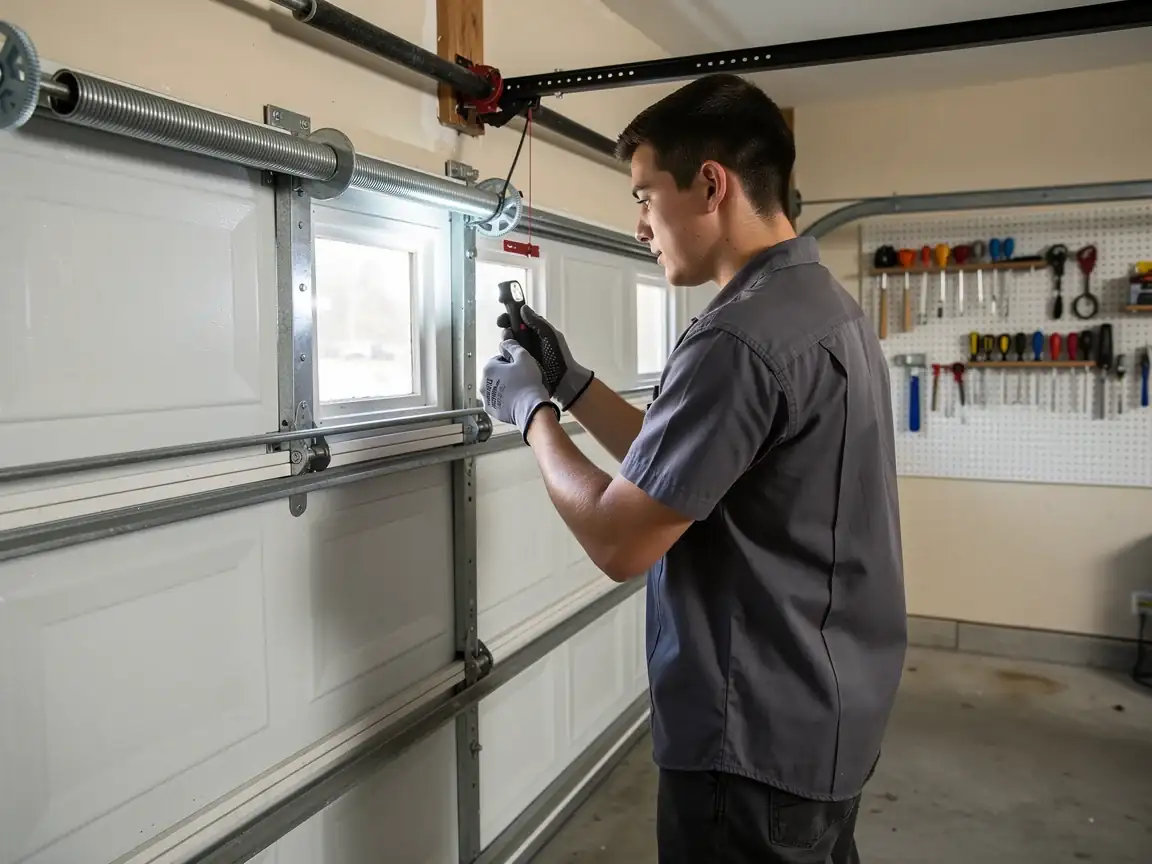
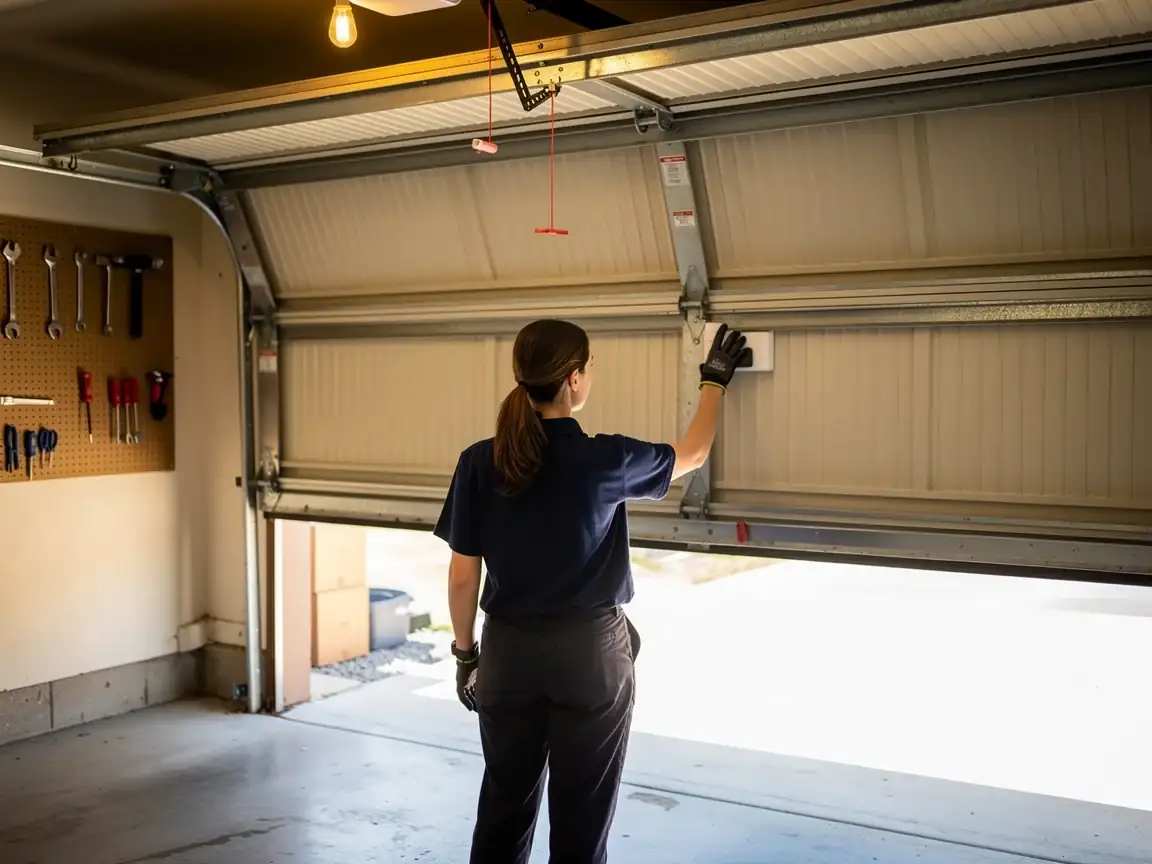
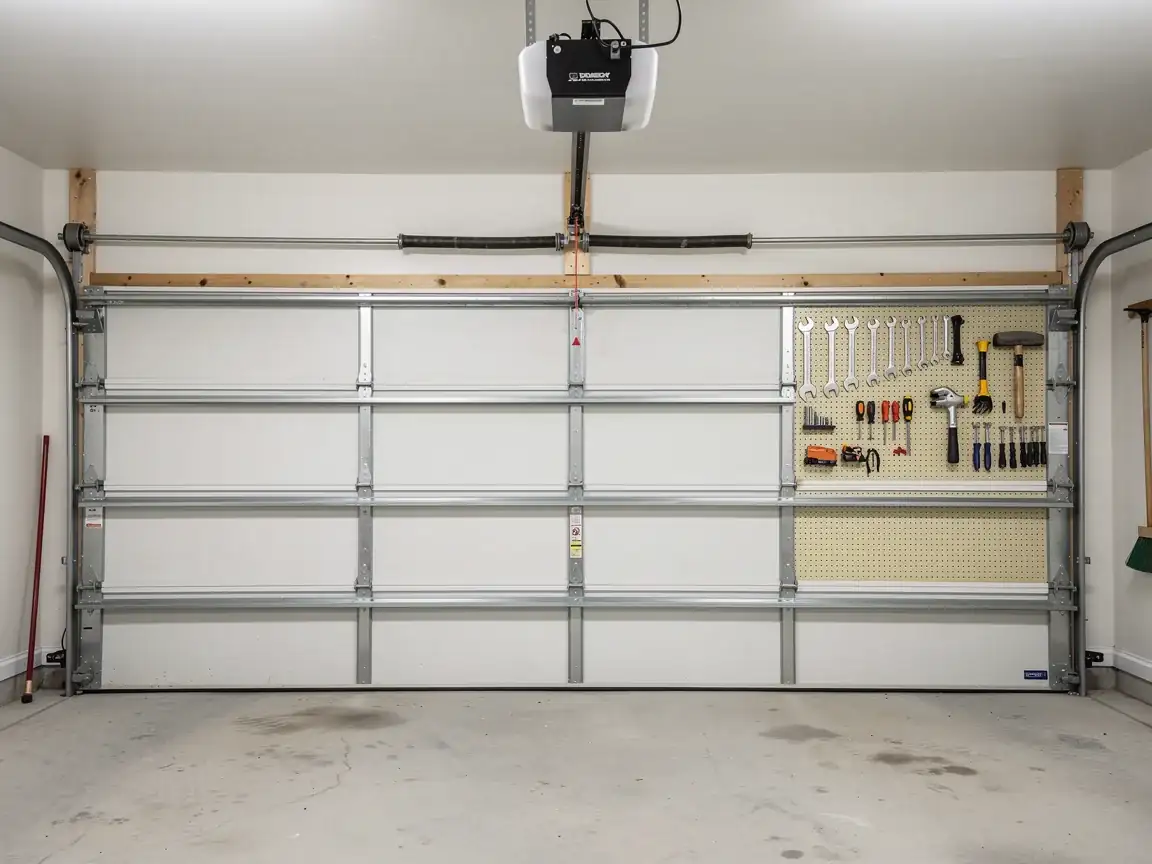
The giveaway isn't always noise. On a lot of these original setups the first sign is a door that hesitates at roughly the same spot every time - usually where the track bends from vertical to horizontal, because that's where a worn roller finally can't track the curve smoothly. Some owners describe a grinding or a knock right as the door clears the header. Others just notice the opener straining harder than it used to, even though nothing else changed. If you can see the roller itself - pull the door down and look at the exposed ones near the bottom bracket - a flat spot on the wheel face or a wobble when you spin it by hand tells you the rest of the rollers up the track are probably in the same shape, since they're all the same age and took the same miles.
Stocked Parts
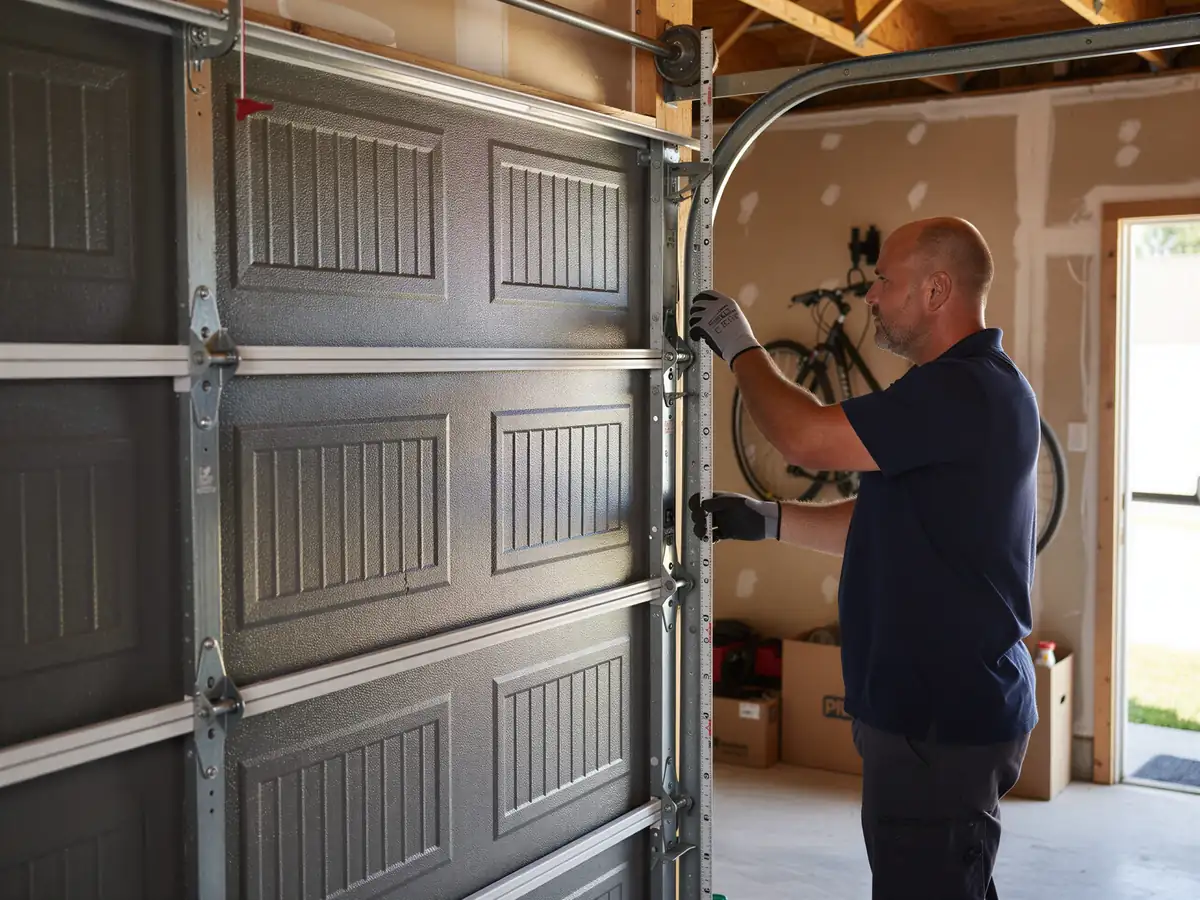
We carry sealed-bearing nylon rollers in the common stem lengths used on 1980s-90s residential doors, which covers the bulk of what's on the road out to Auburn. We also keep standard-radius track sections on the truck, since a roller job on original hardware often turns into a track check once we're up there. What we don't stock are odd stem lengths or rollers for aftermarket low-headroom kits - those get special-ordered if a house out here was retrofitted with one, which is uncommon but not unheard of.
Time on the Job
A straightforward roller swap on a single door, both sides, usually runs under an hour once we're on site - we're traveling the 10 miles out from Londonderry, so figure that into when we can get there, not into the job itself. If the track needs straightening or a bracket's pulled loose from the wood jamb, which happens more on houses this age, add time for that. Double doors with two full sets of rollers take longer than a single, simply because there's twice the hardware to pull and reseat.