What the Housing Means for Your Door
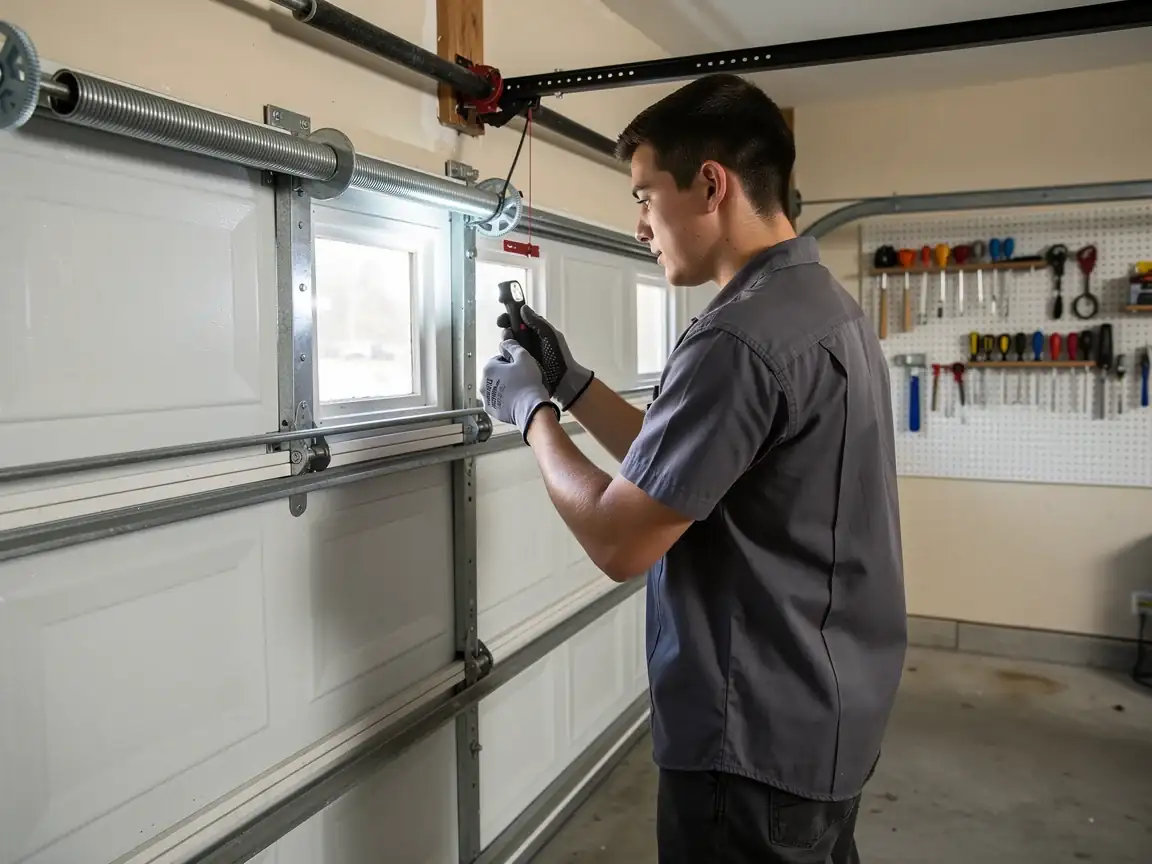
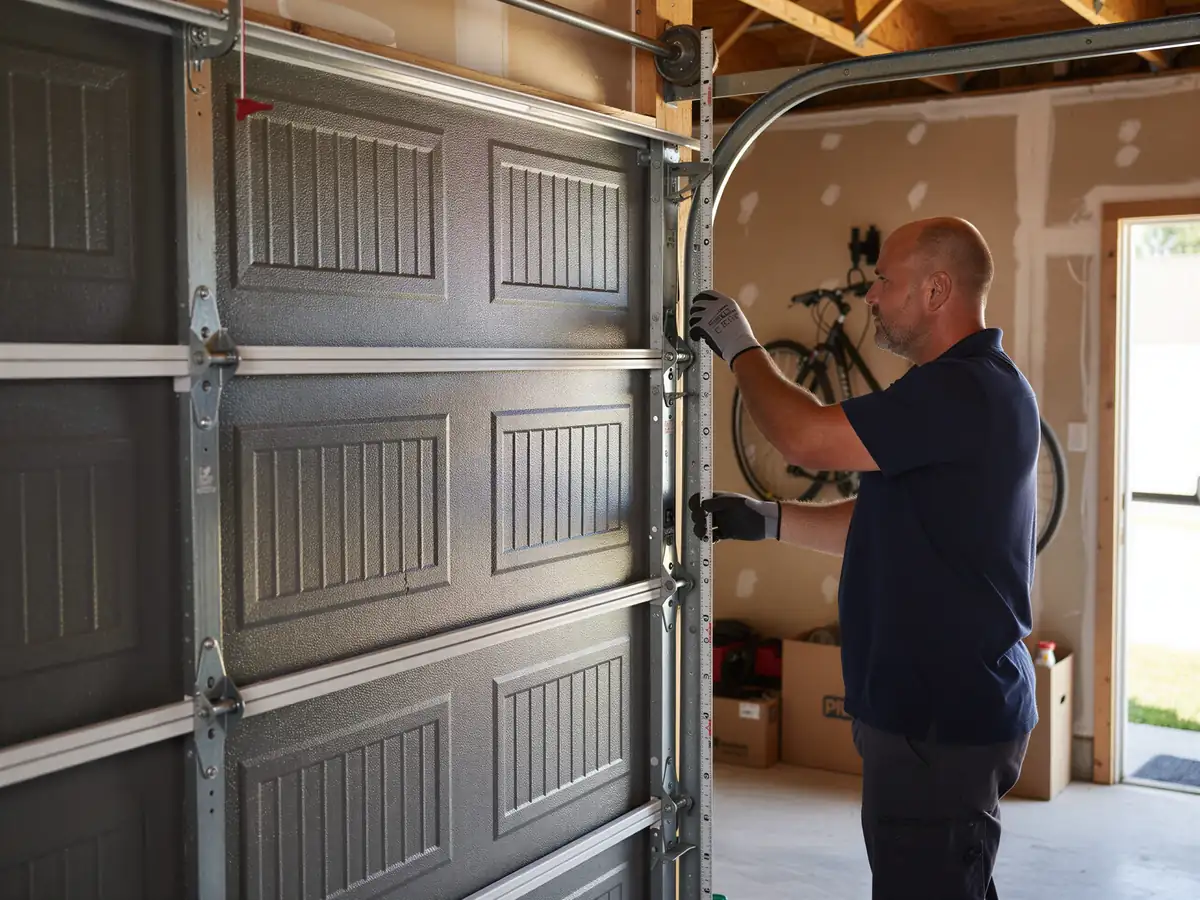
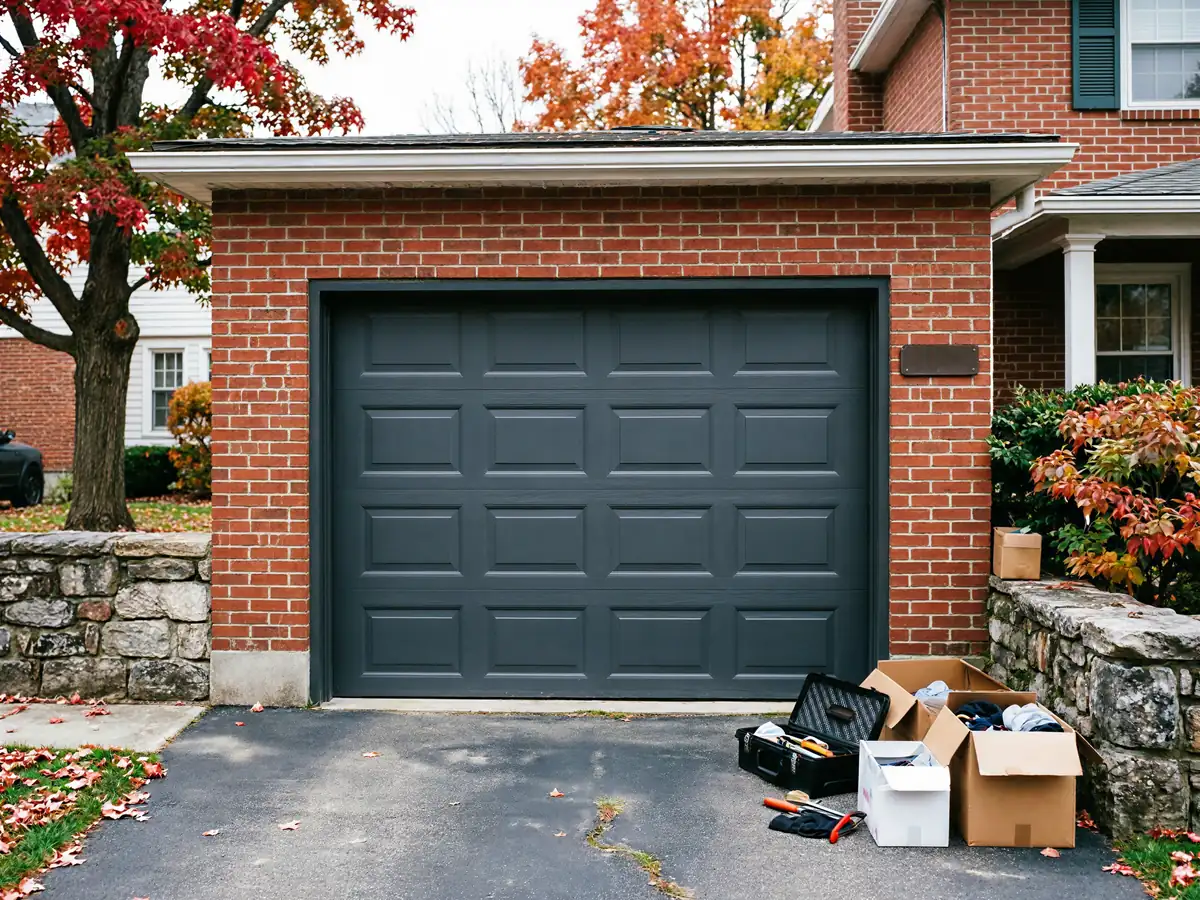
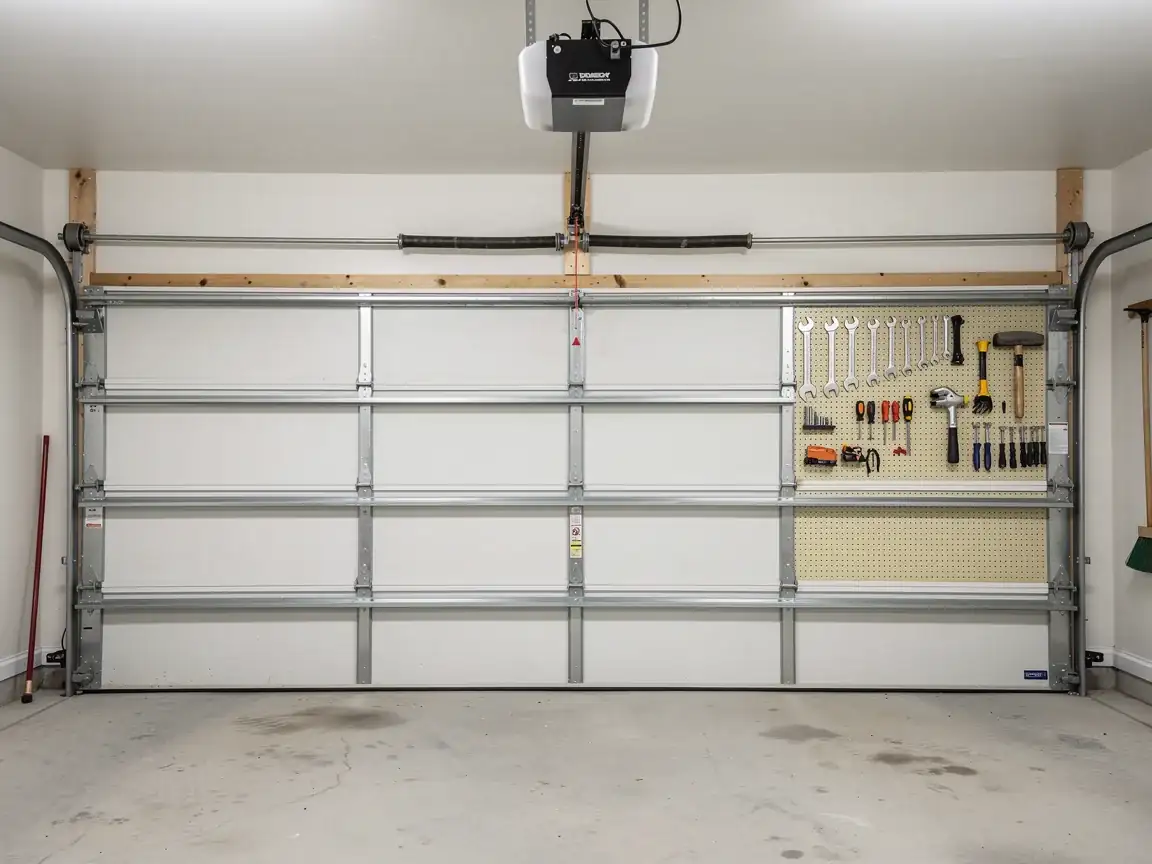
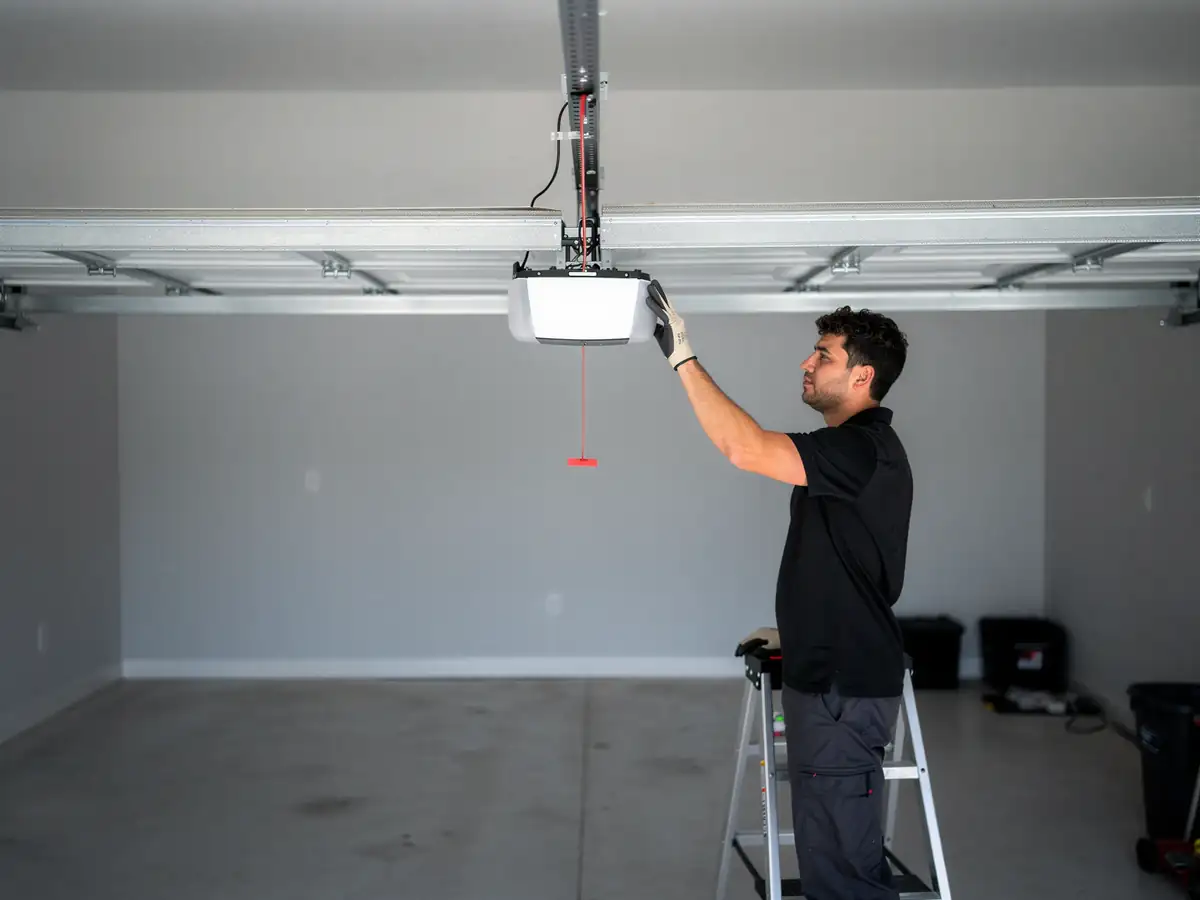
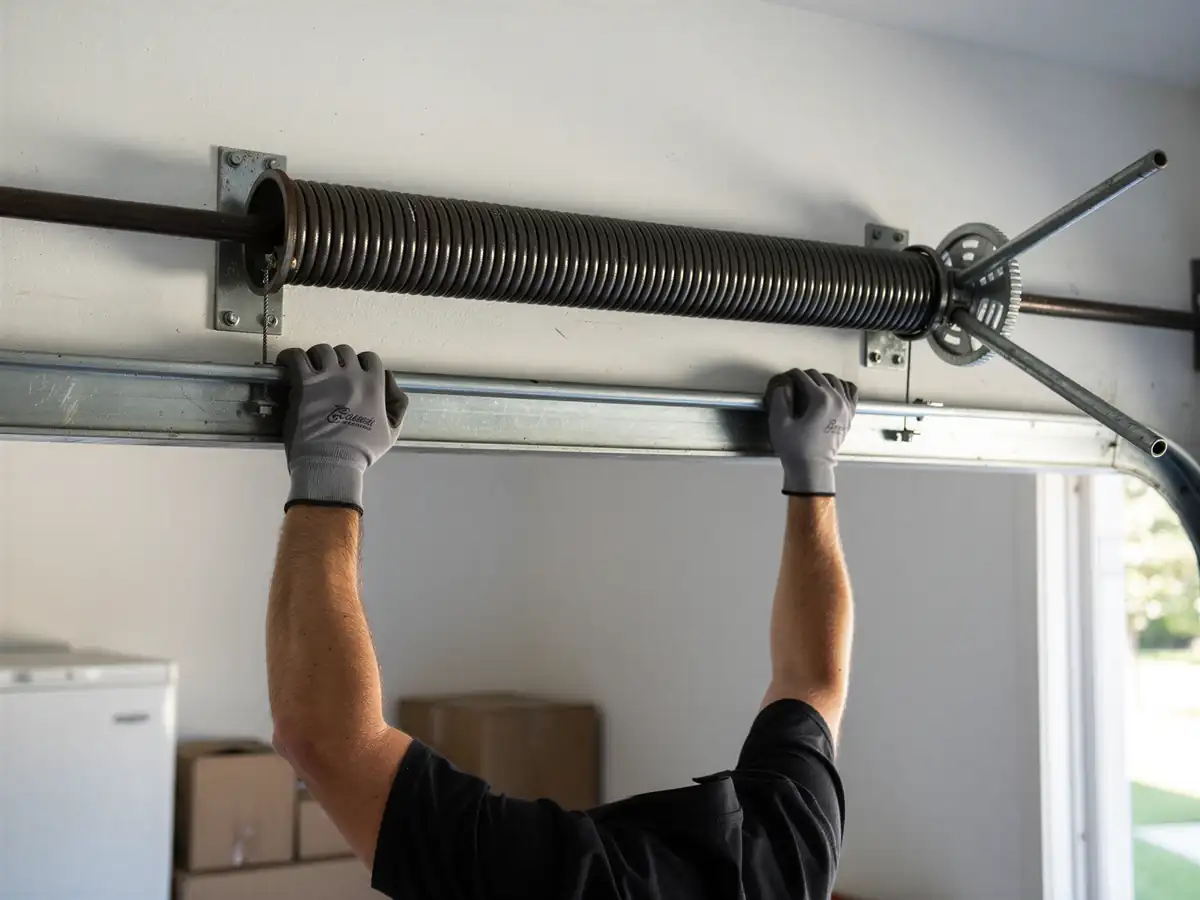
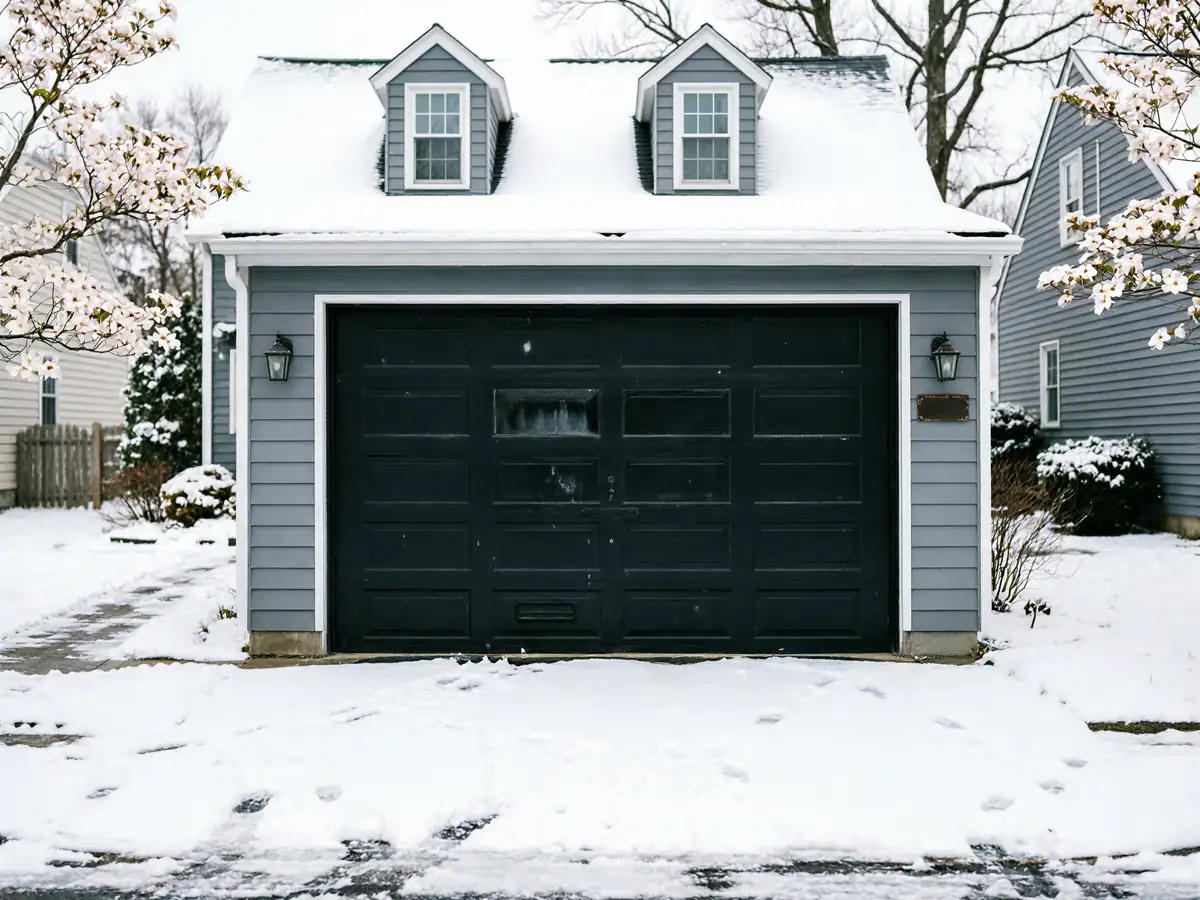
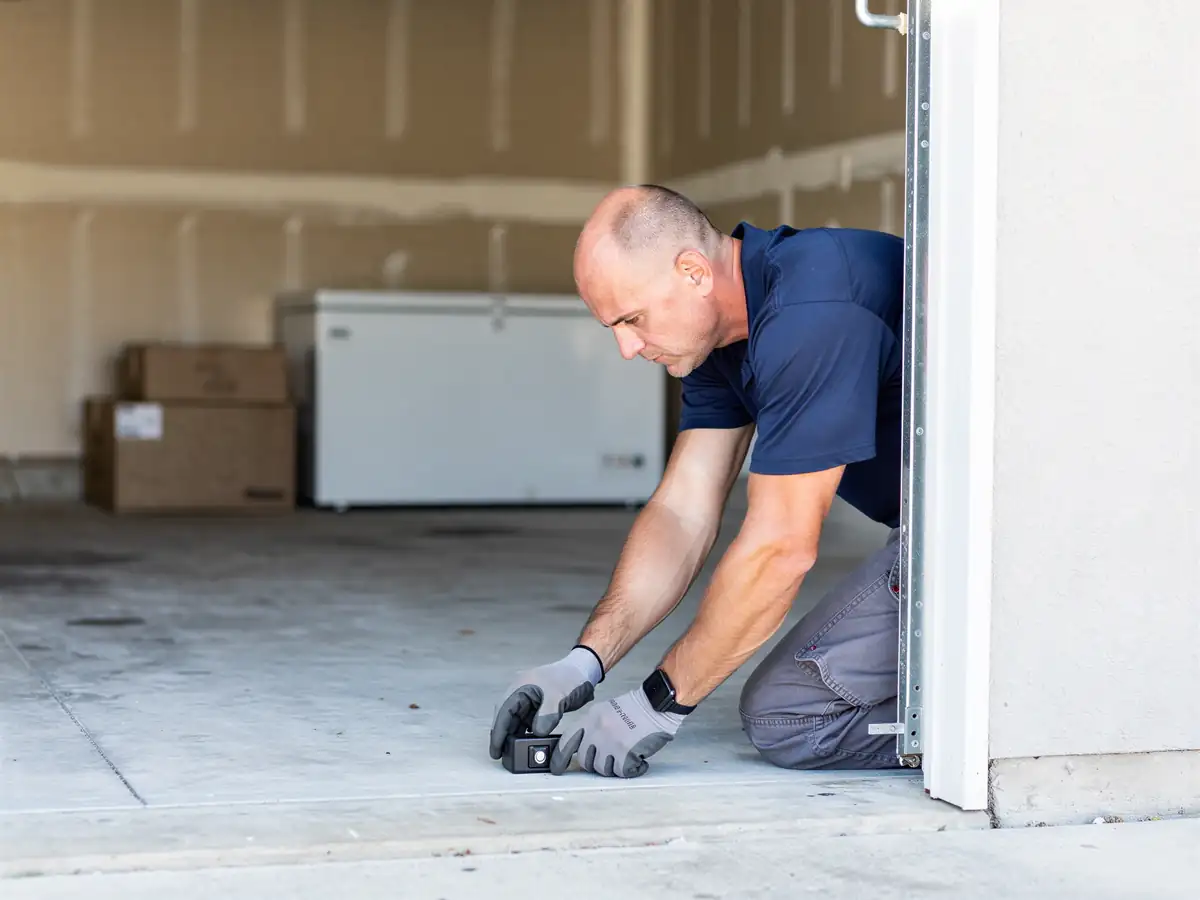
A door installed around 1986 is now pushing forty years old, and steel sectional doors from that period typically used lighter-gauge panels and galvanized torsion springs rated for a shorter cycle life than what's sold now. The springs on a mid-80s door are past due for failure even if they look fine - torsion springs are usually good for around 10,000 cycles, and a door opened twice a day for 38 years has long since used that up. Openers from that build era, if original, are chain-drive units with none of the safety reversal sensors required on newer models. We see a lot of Hampstead calls where the spring is the obvious problem but the opener underneath it also needs attention because it predates the 1993 photo-eye requirement. Replacing one without looking at the other is a common mistake.
What People Here Ring About
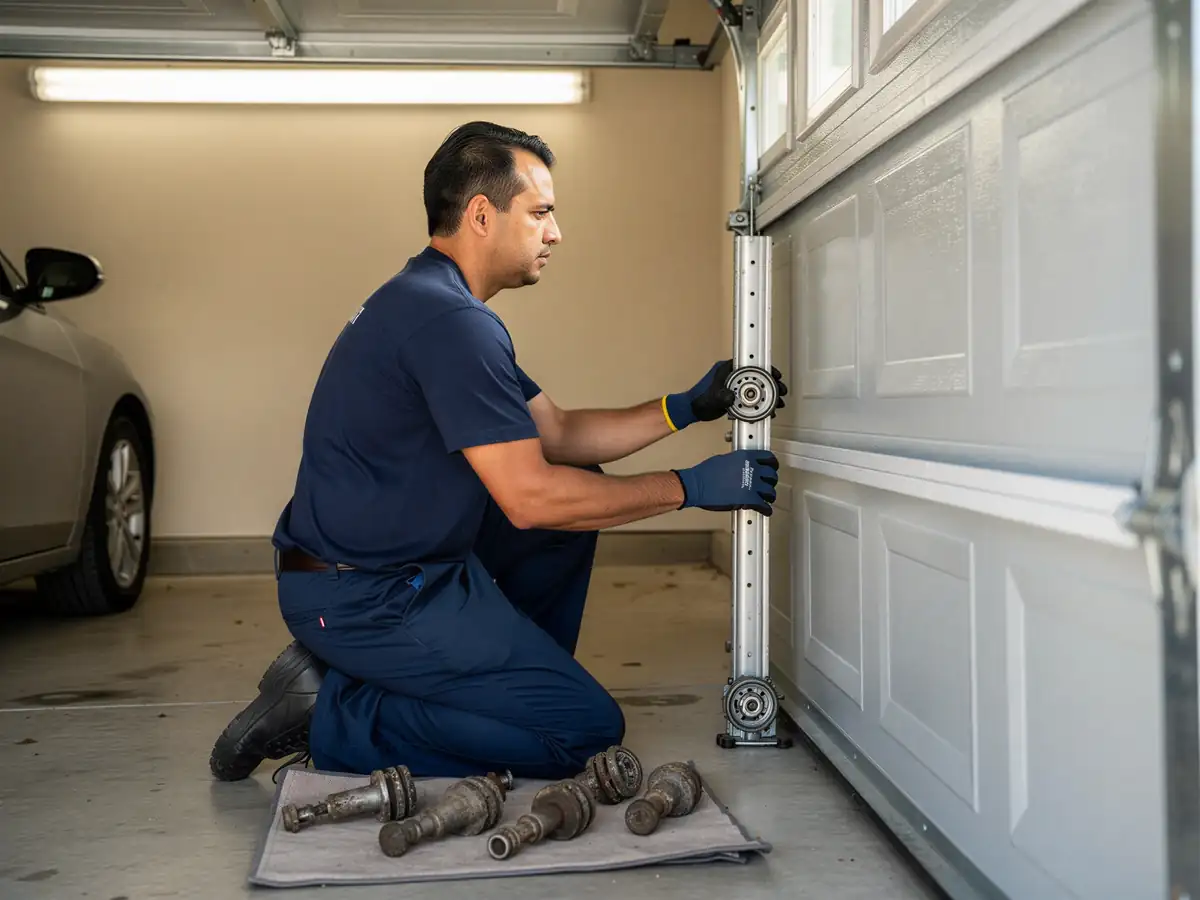
Given the age of the housing, the calls from Hampstead run heavy on broken torsion springs, worn rollers that have gone from nylon to metal-grinding, and cables that have frayed at the bottom bracket after decades of use. Winters here fall into the severe cold climate band, and cold steel contracts - a spring that's been stretching thin for years is more likely to snap on a sub-freezing morning than in July. We also get openers that have simply worn out their gear sets, which is normal after this many years of use rather than a sign anything was installed wrong. Hampstead's household income, at $99,536, runs below the wider area's $125,774, and we've noticed that shows up as more repair calls and fewer full replacements compared to some nearby towns - people here tend to fix what they have rather than swap it out.