Why This Fails Locally
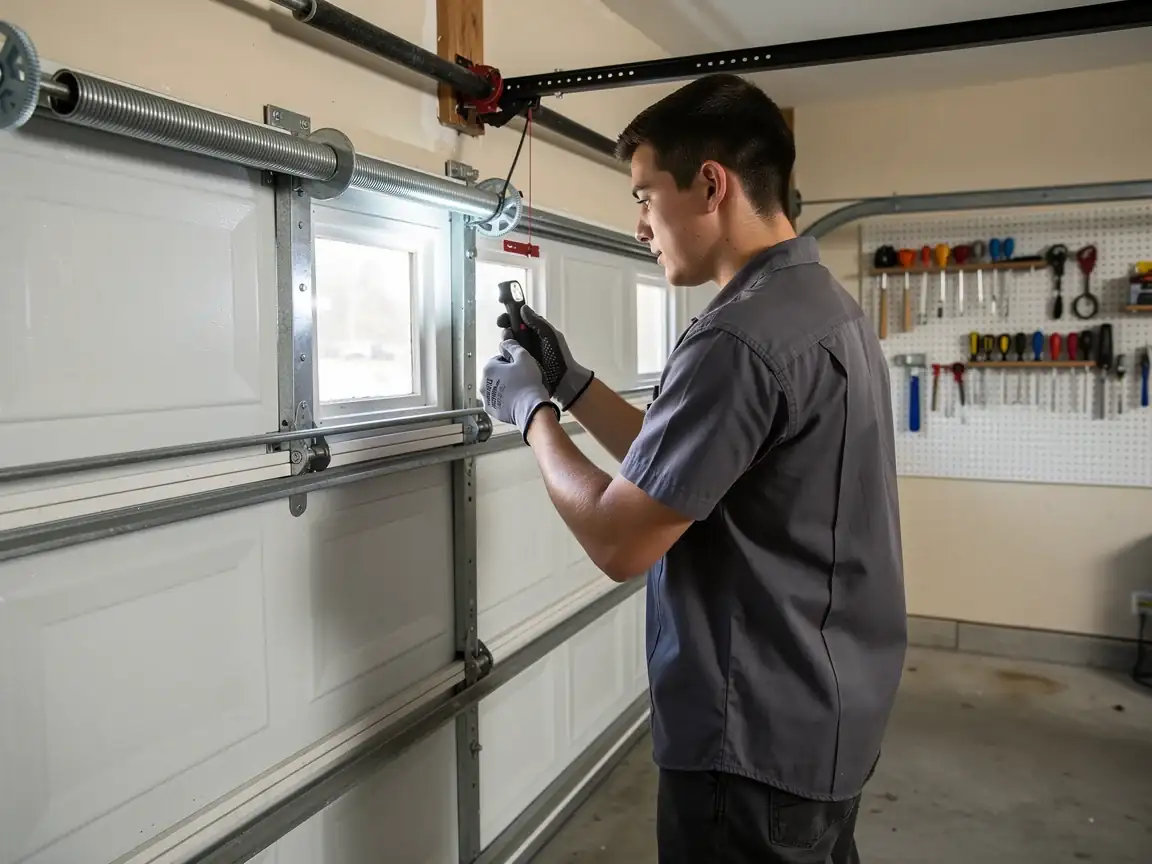
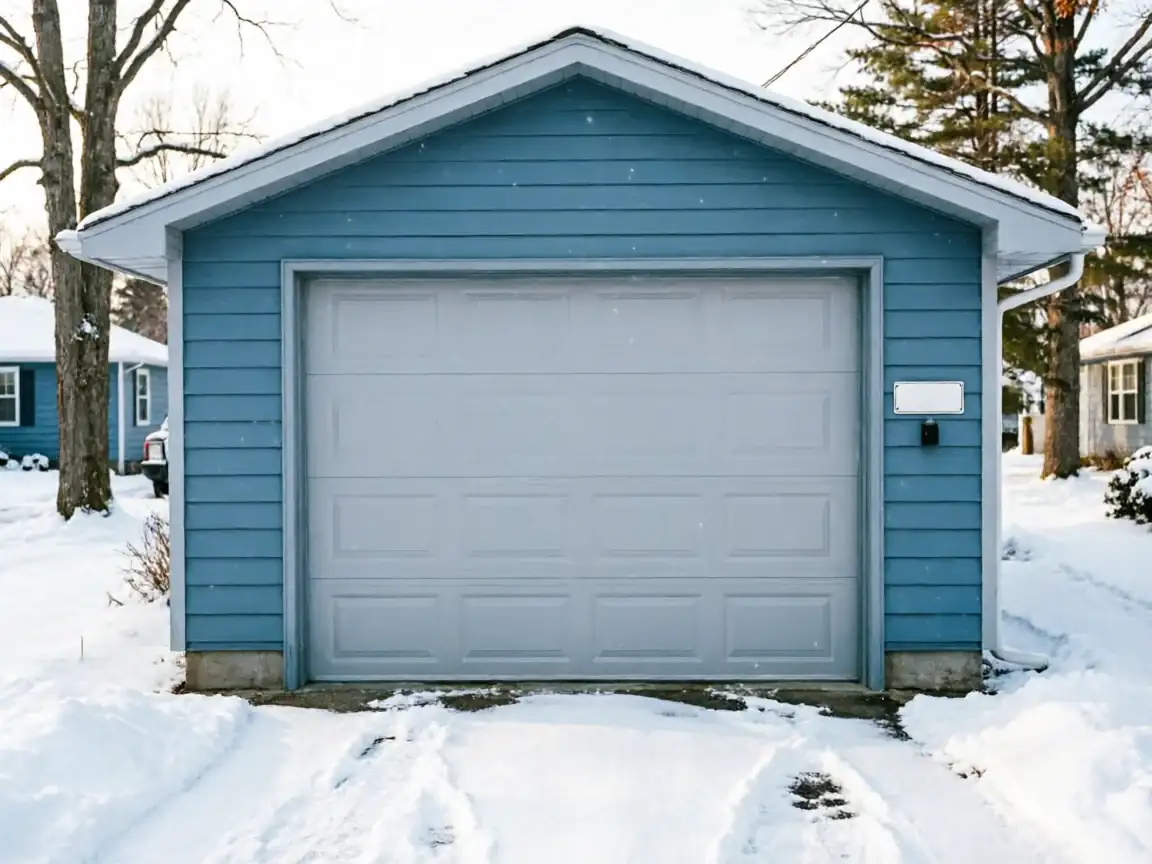
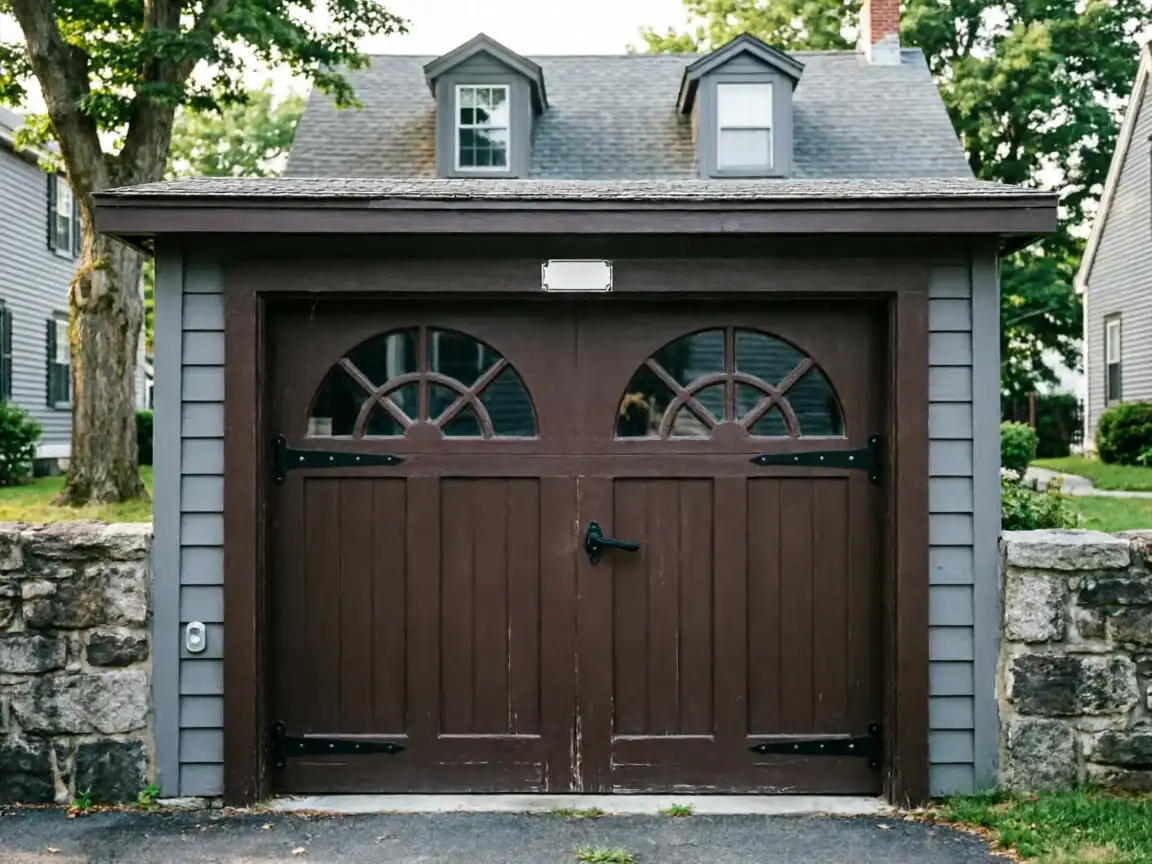
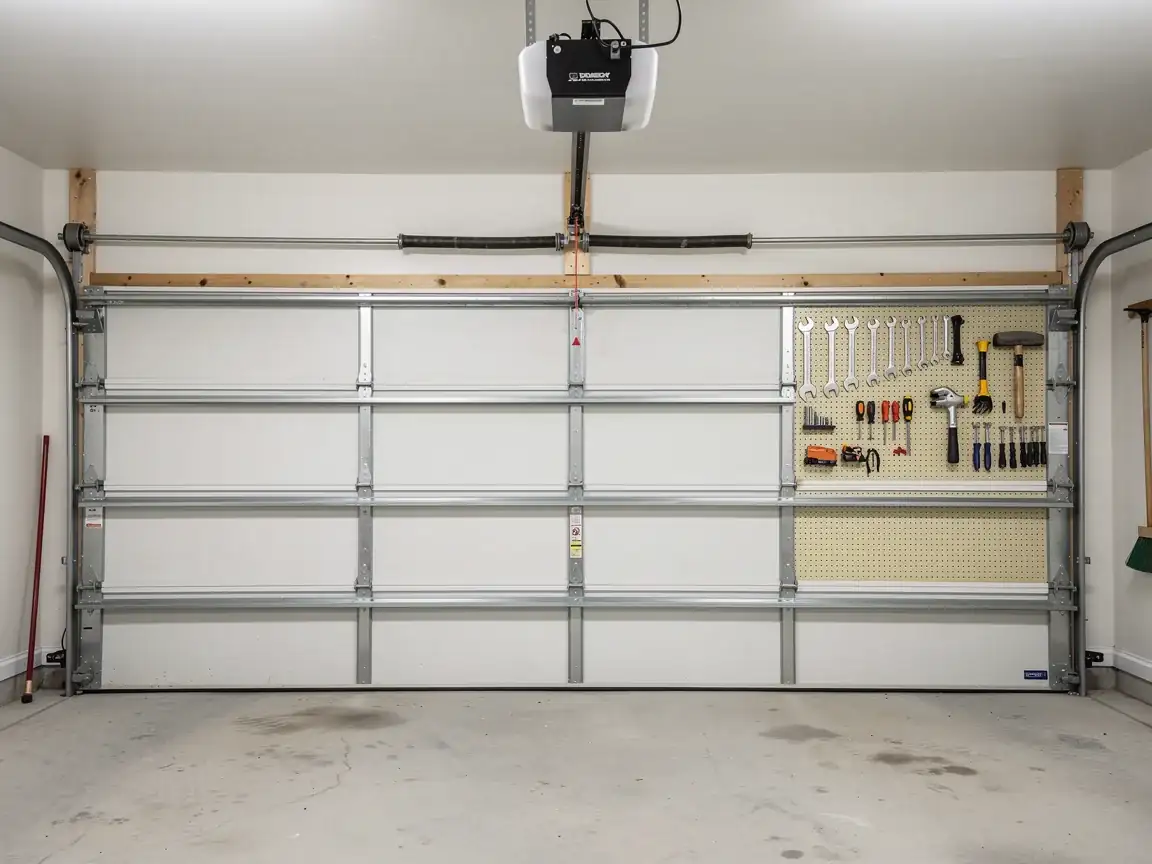
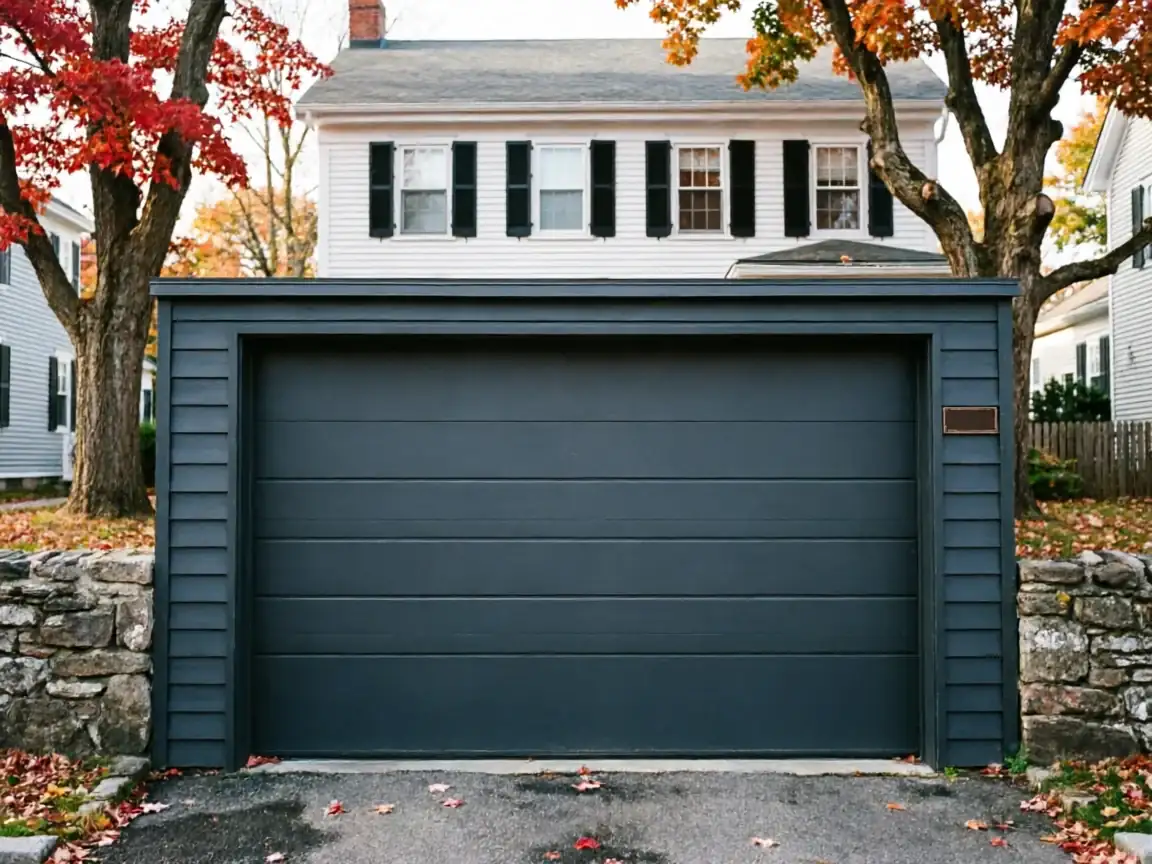
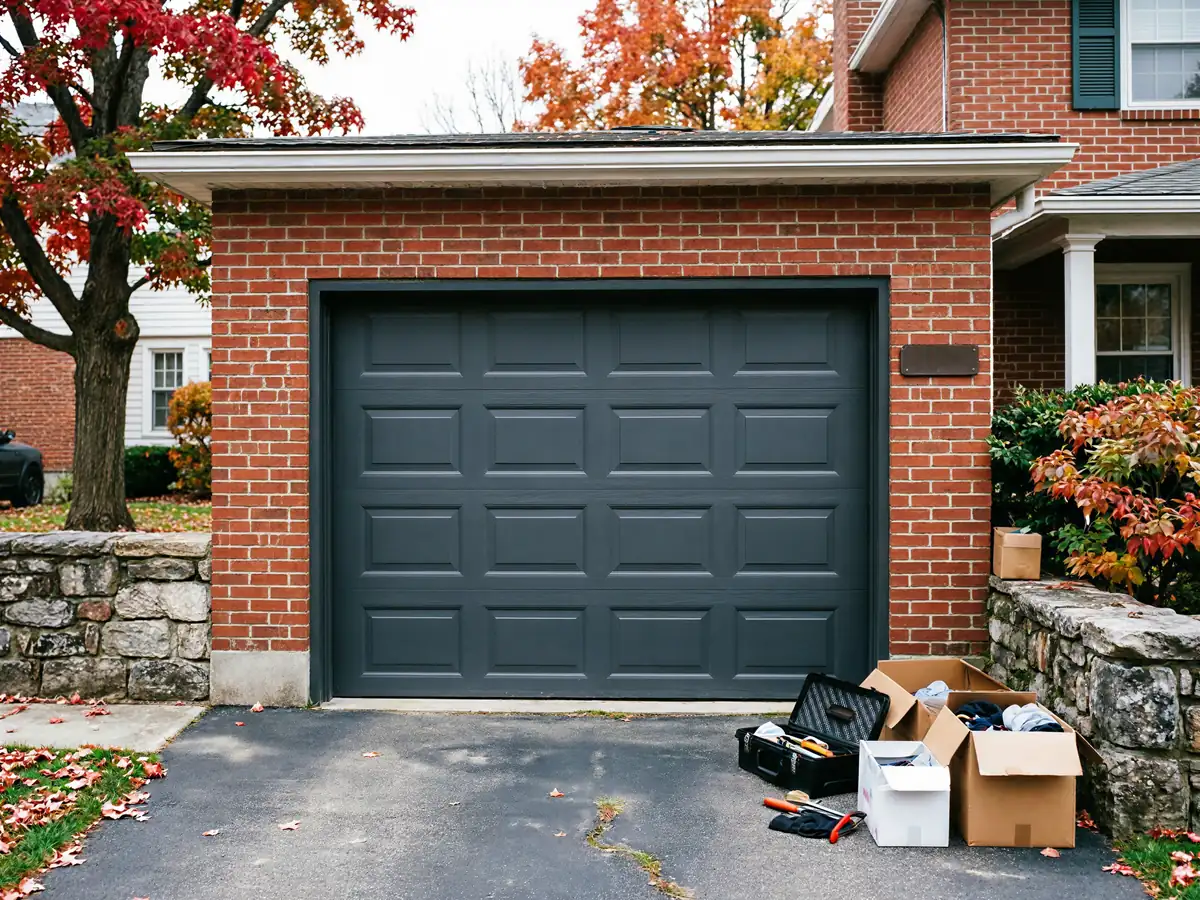
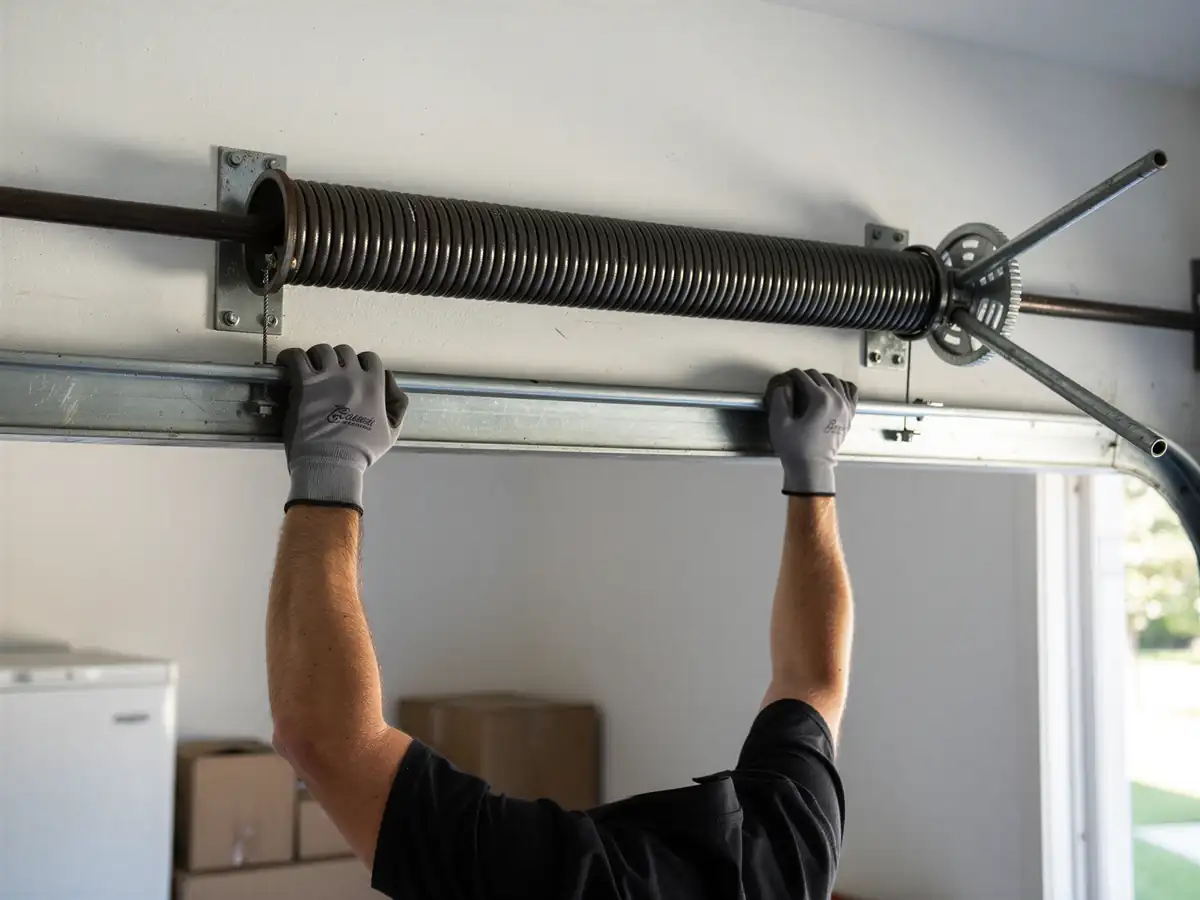
The median house in Auburn went up around 1983, which puts most of the original garage doors and openers on hardware from that era - galvanized steel sections, extension springs mounted on side rails rather than a center torsion bar, and openers from well before today's safety-sensor standards became routine. Across the wider area we cover, housing runs from 1938 to 1996 with the bulk of it 1980s and 1990s stock, so Auburn isn't unusual, but it is consistent: a lot of these doors are original or close to it. That matters because parts from 1983 aren't parts anyone stocks on a shelf at a big box store. Extension spring pairs from that period come in lengths and wire gauges that newer doors don't use, and openers from that generation often ran on chain drives with gearing that doesn't match a modern replacement kit. When a repair fails here, it's usually because someone grabbed a universal part that was close enough instead of one actually sized for an early-80s door - and it works for a month before it doesn't.
The Symptom
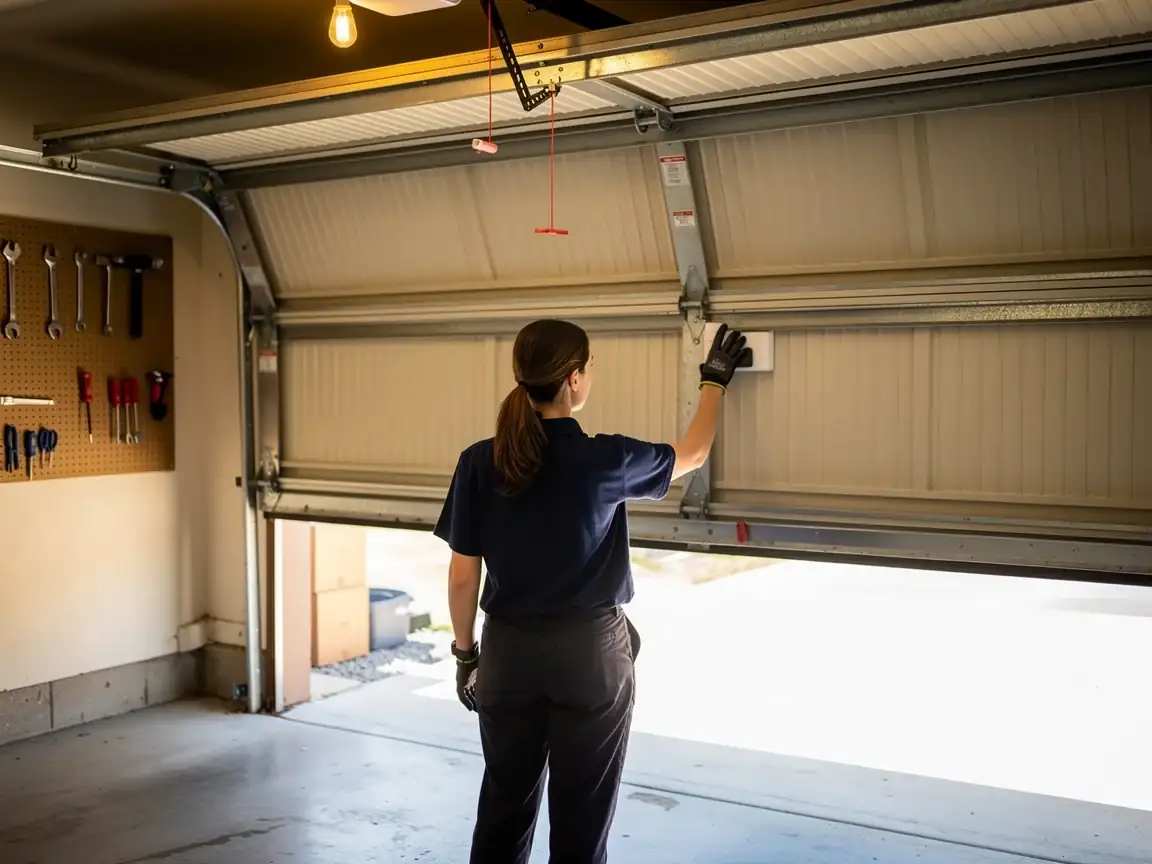
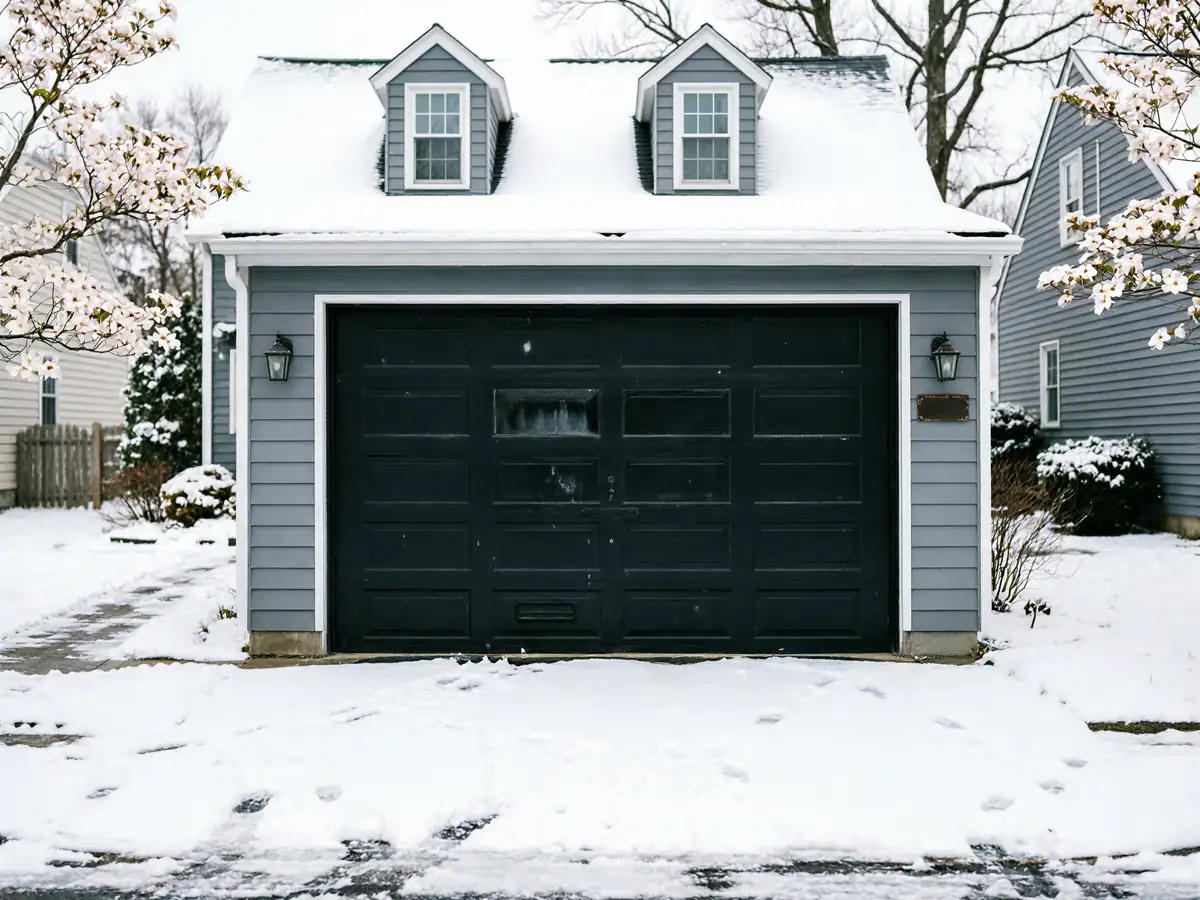
In a town built out through the severe cold winters this region gets, the common failure on an original 1980s door shows up as a door that drags or won't fully seat in January even though it worked fine in October. Steel contracts in the cold, old extension springs lose tension unevenly, and a door that used to glide now grinds the last six inches of travel or reverses itself on the opener's safety sensing before it closes. Another version: a cable that's been slipping its drum groove quietly for months finally jumps off entirely on a cold morning, and the door drops crooked, hung on one side. Neither of these is an emergency in the sense of danger if the door is left alone, but a door hung crooked on one spring is one bad pull away from coming off the track altogether. If your door has started groaning louder in the last month, that's the spring telling you, not the opener.
Stocked Parts
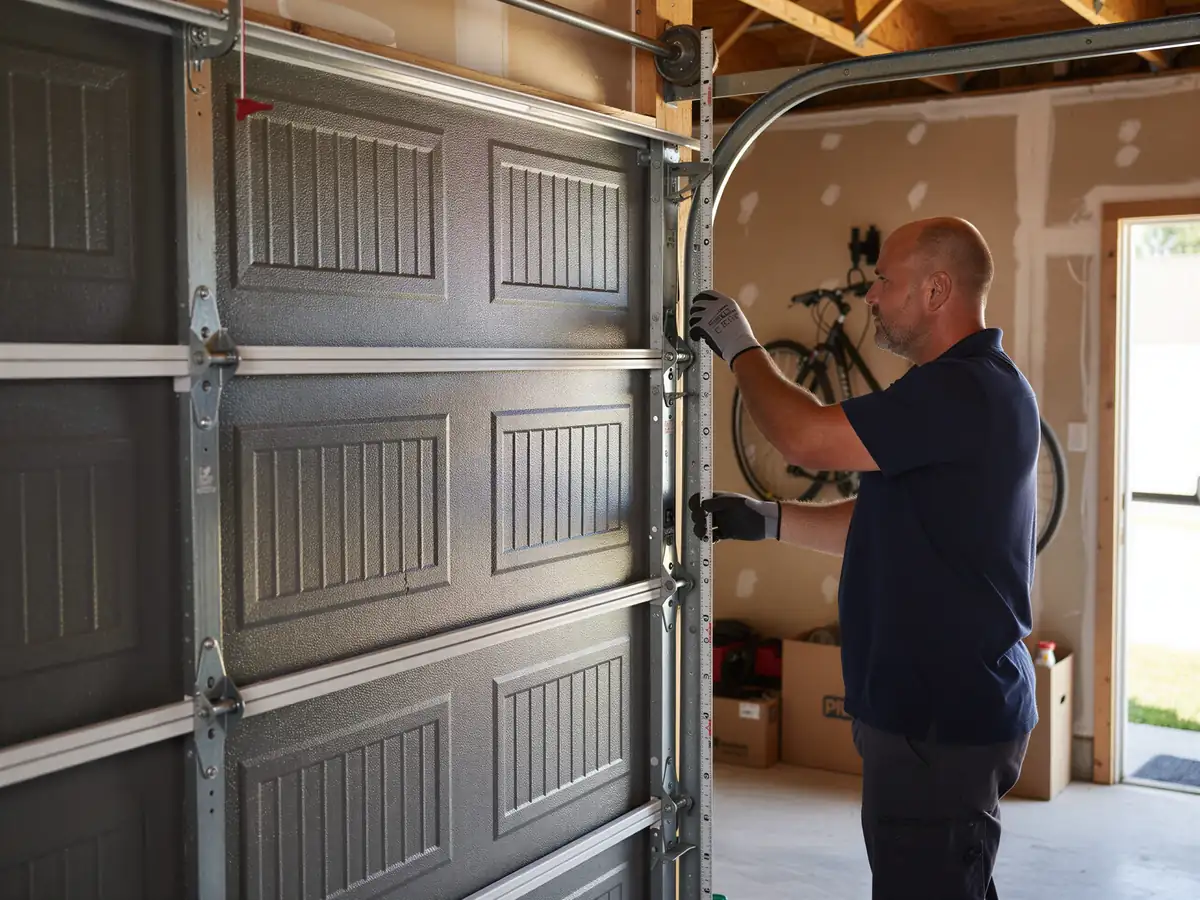
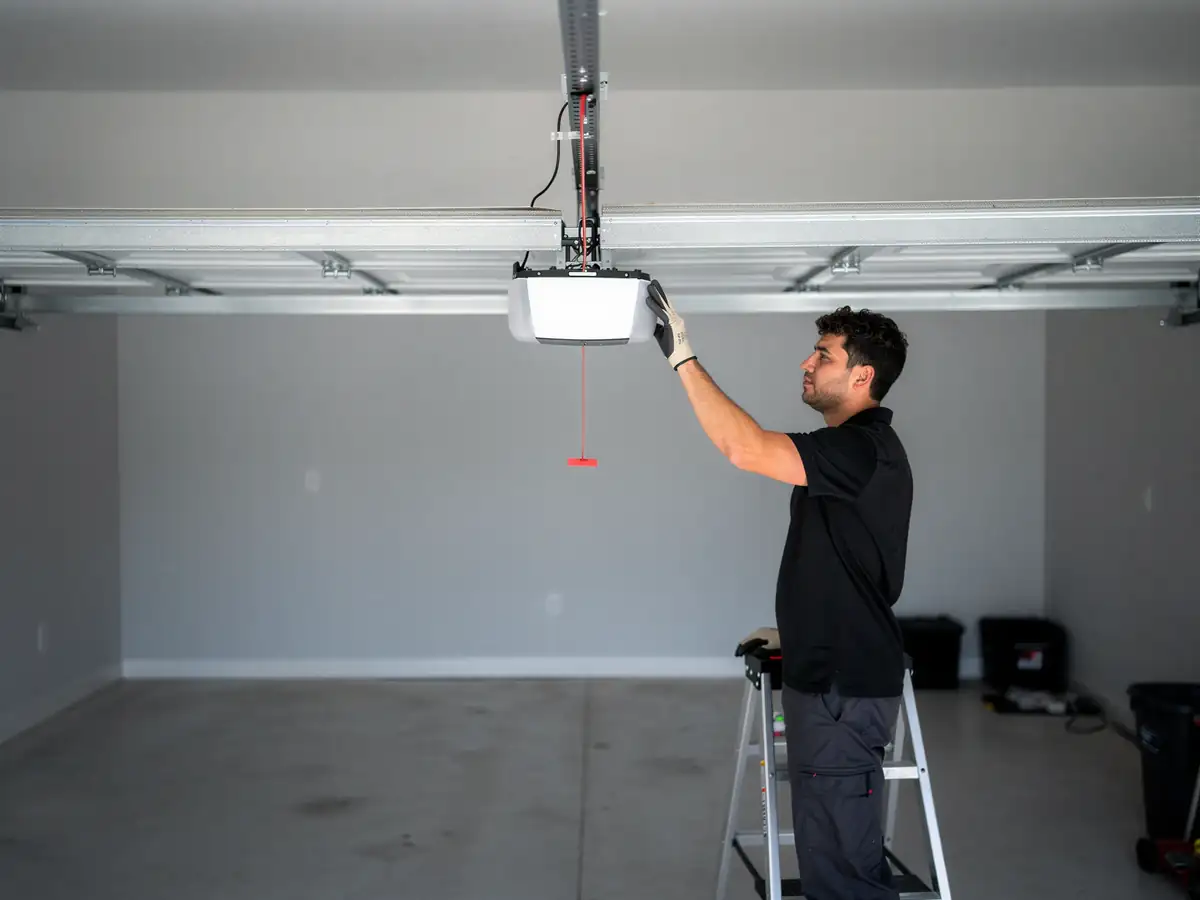
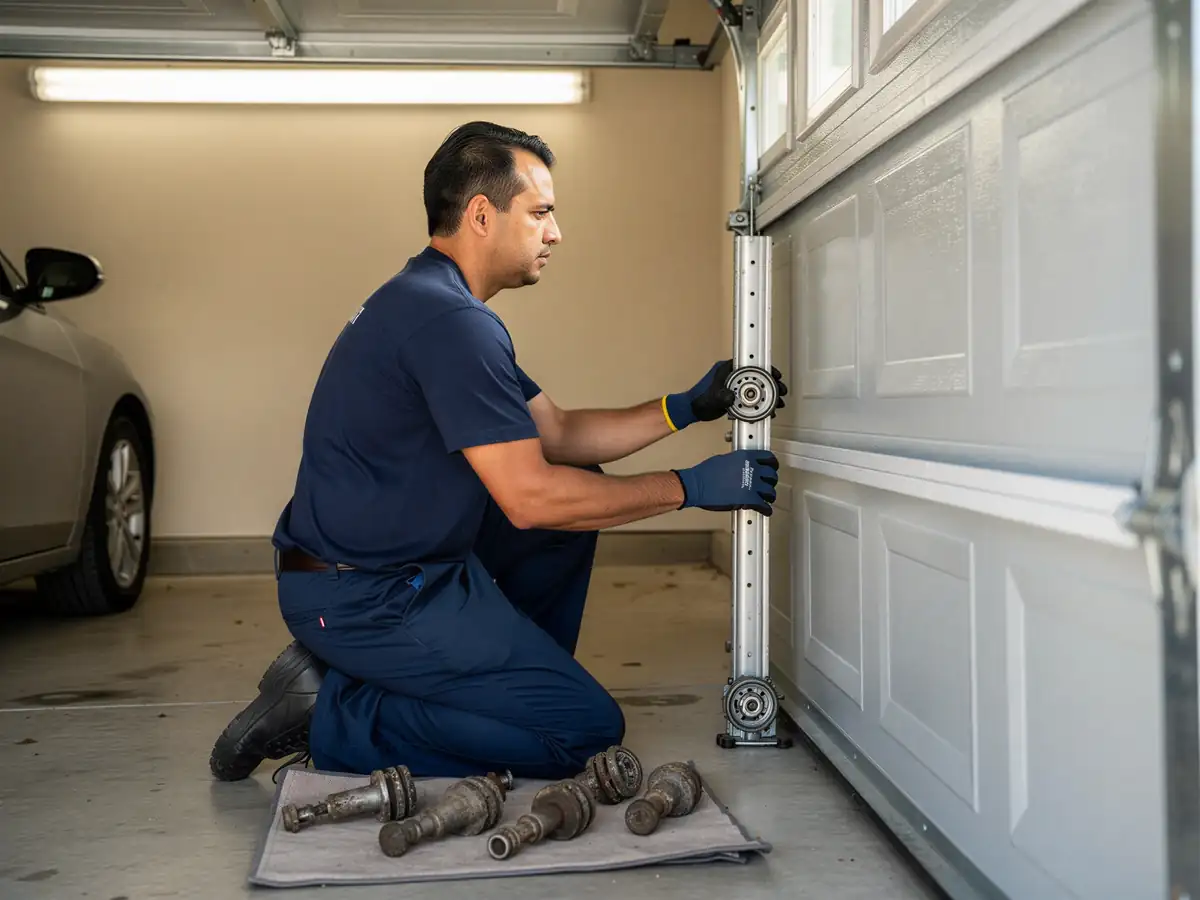
Because so much of the housing we cover - including here - dates to that 1980s and 90s window, we keep the parts that era actually needs on the truck: extension spring pairs in the common lengths and wire gauges from those builds, side-mount drums and cables, and rollers sized for the original track width rather than a newer standard. Across the roughly 34,548 owner-occupied houses in our service area, that older hardware shows up often enough that stocking for it, instead of ordering it each time, is just how we run the truck. What we don't carry for every job is an exact factory match for every opener gearbox from that decade - some of those chain-drive units used parts that stopped being made years ago, and if yours is one of them, we'll tell you that up front rather than string you along on a part that has to be special-ordered.
Time on the Job
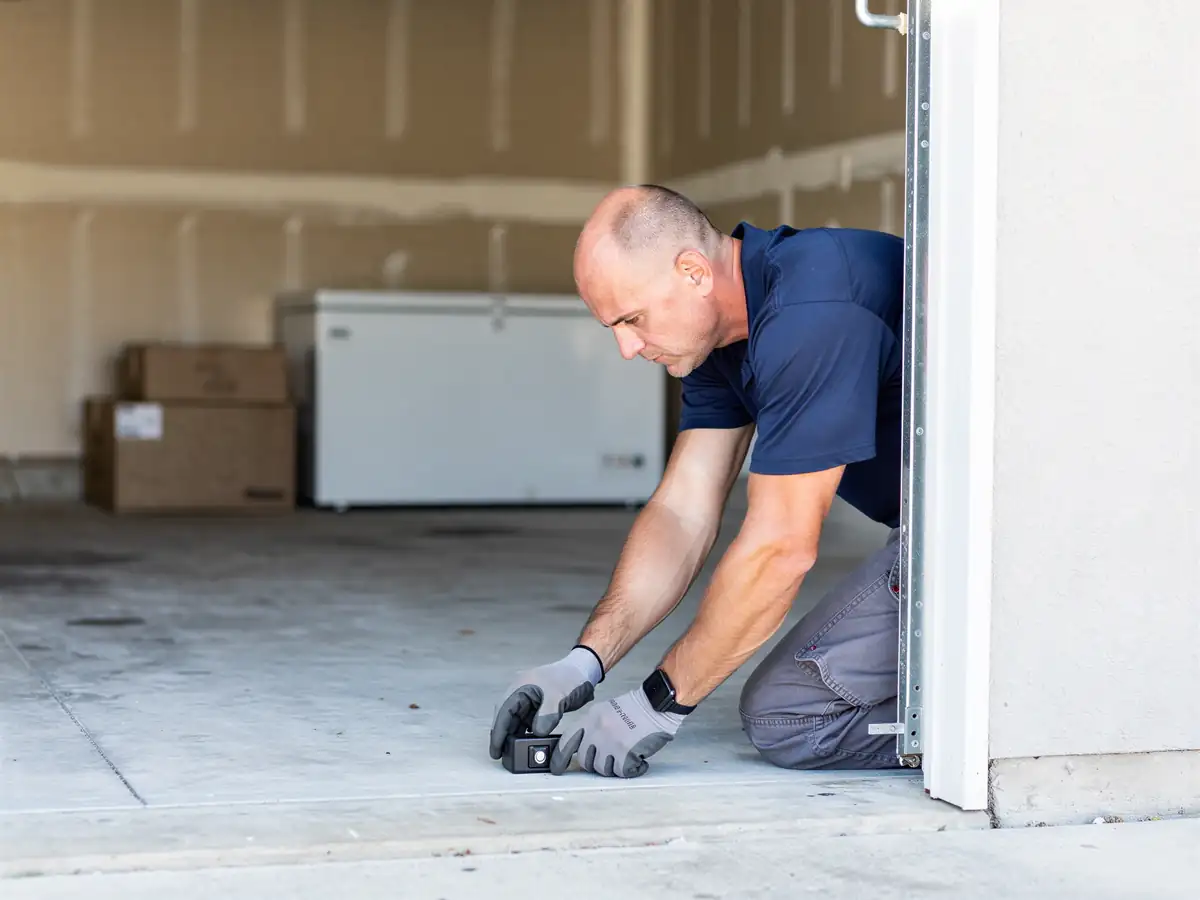
The ten miles from Londonderry to Auburn is a short enough drive that we can usually fit a call here alongside others on the same route day, rather than sending a truck out on its own. A straightforward spring replacement or roller swap is typically an hour or so of hands-on work once we're there; a full door swap or a stubborn opener with century-old wiring behind it runs longer. We don't promise a same-day slot for every call - that depends on what's already booked - but we also don't treat a ten-mile trip as a reason to push your job to the back of the week. If your door is sagging on one side, that's worth getting looked at sooner rather than later, because a crooked door under spring tension gets worse, not better, while it waits.