What Was Built Here
Chester's housing skews newer than a lot of what we cover
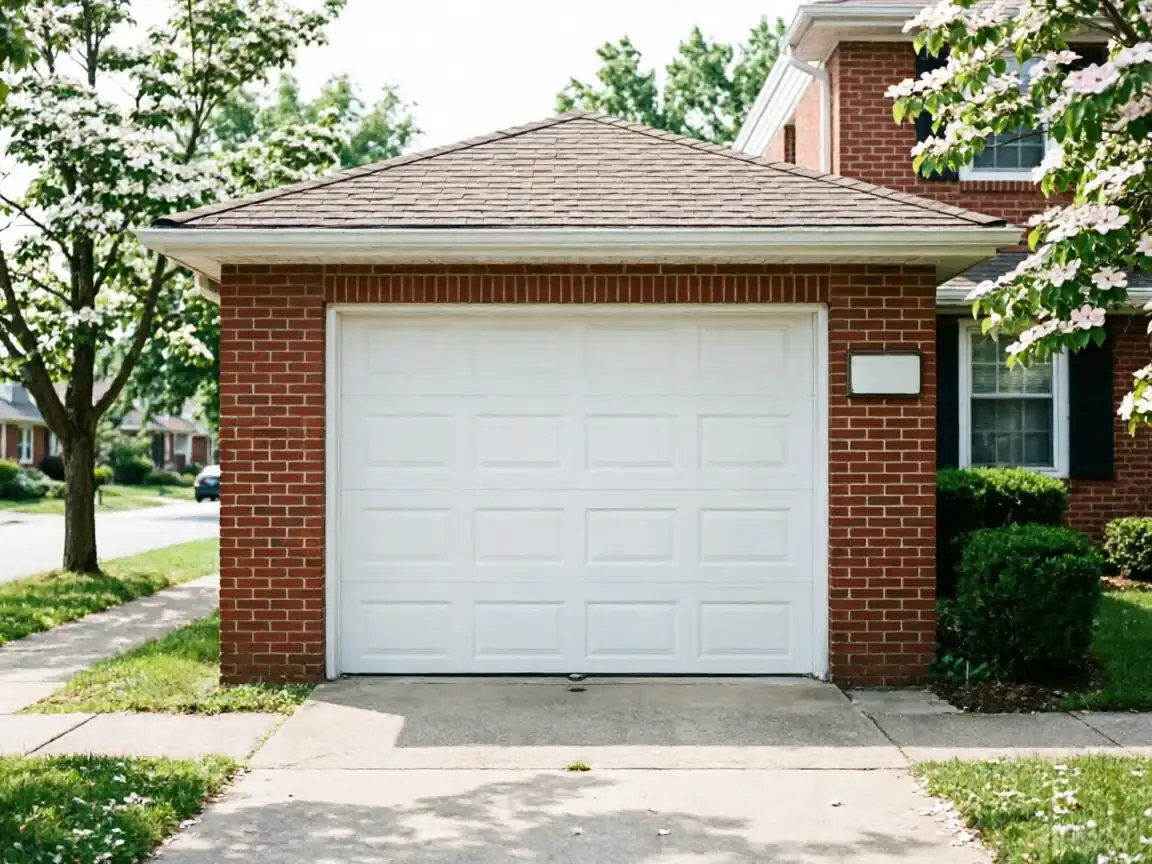
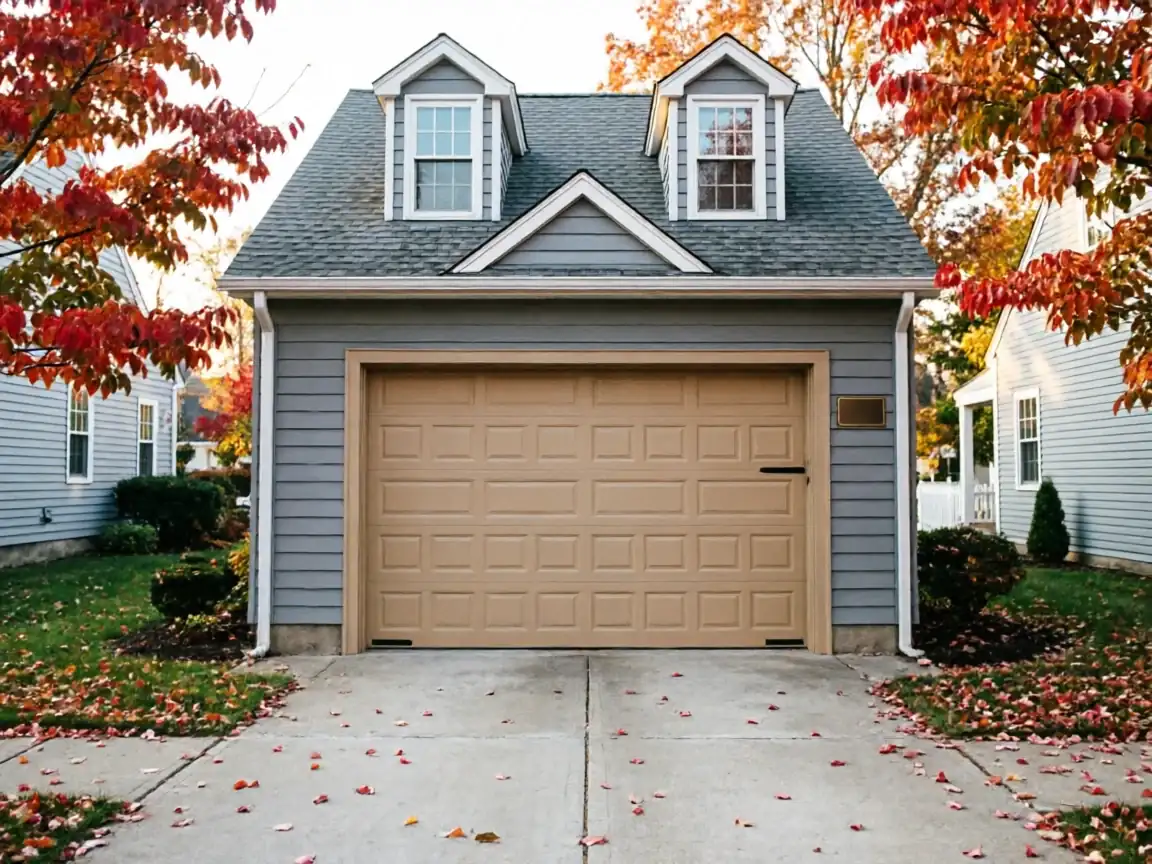
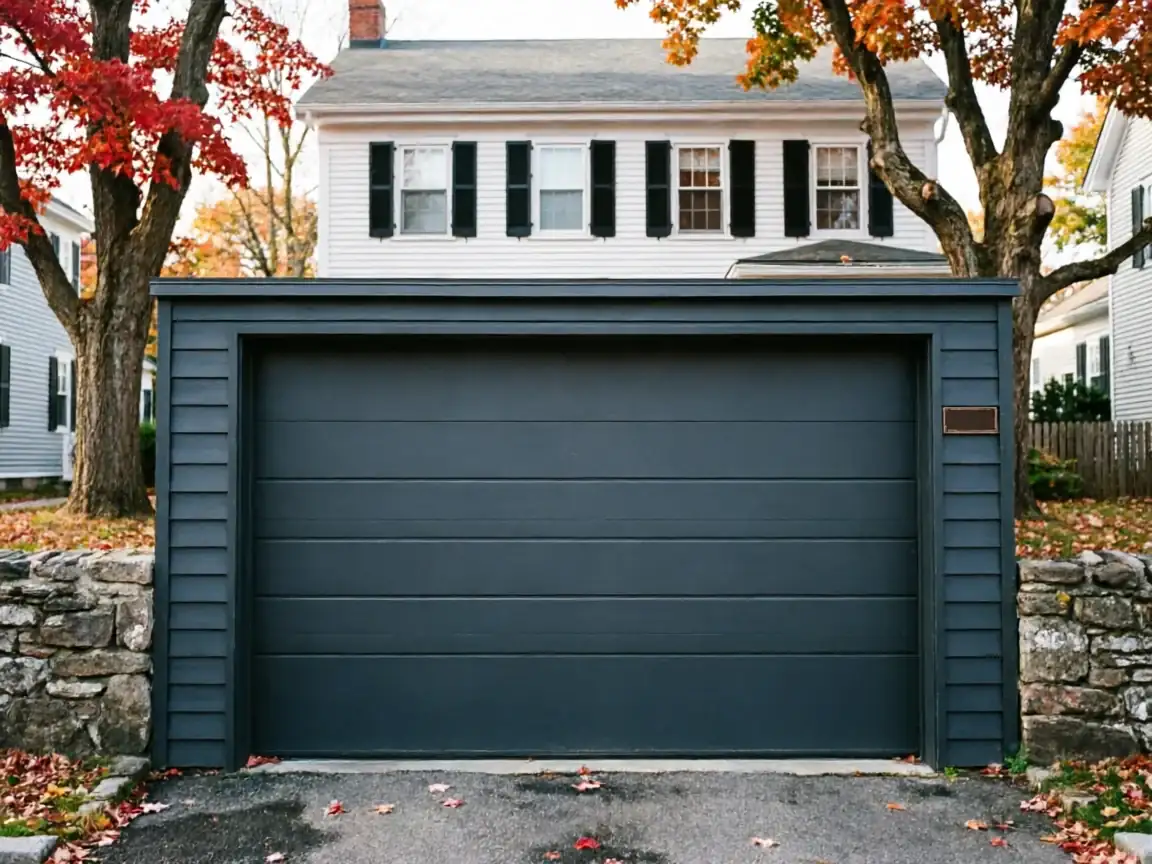
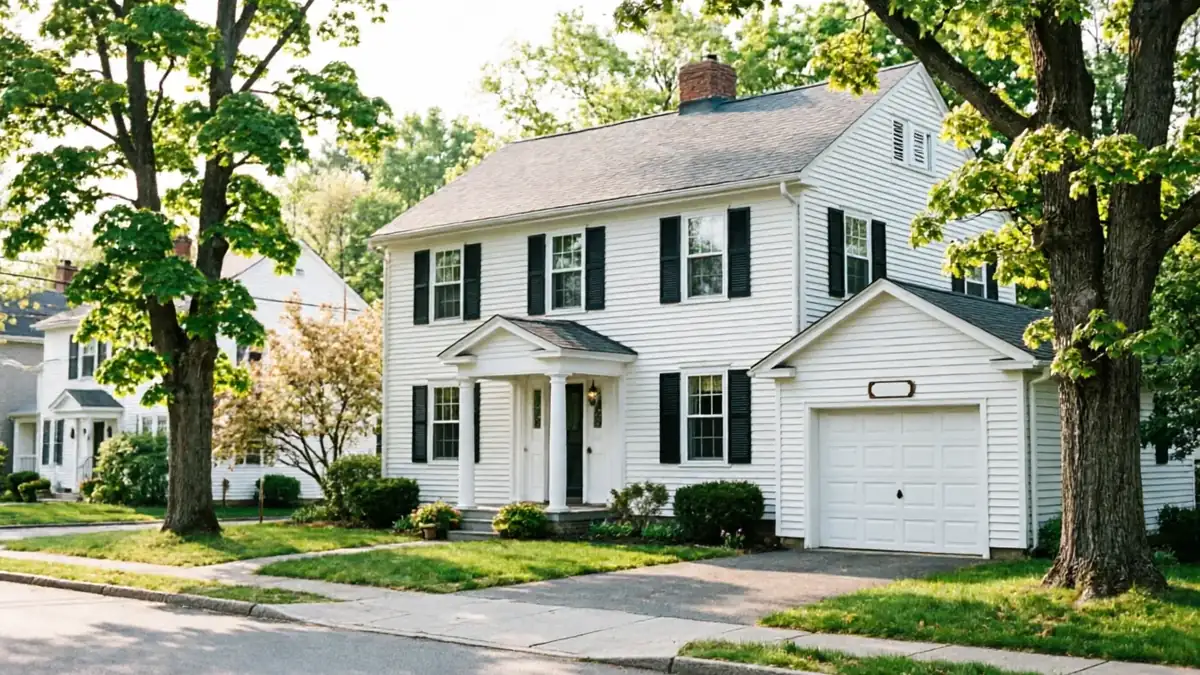
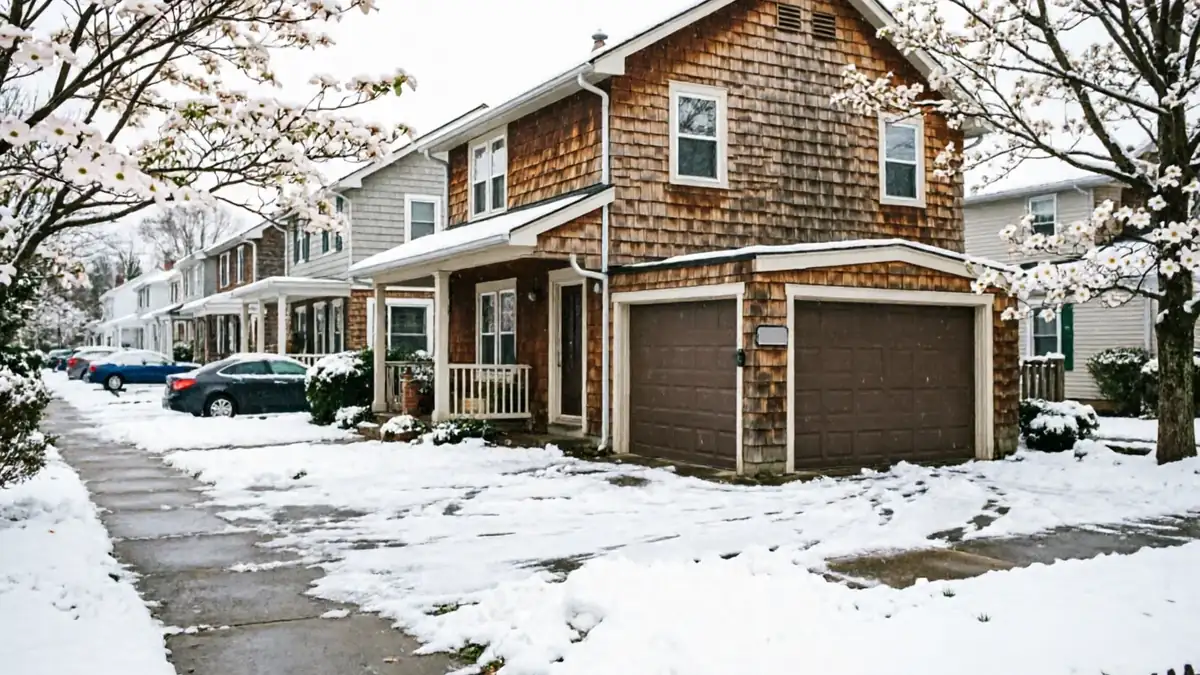
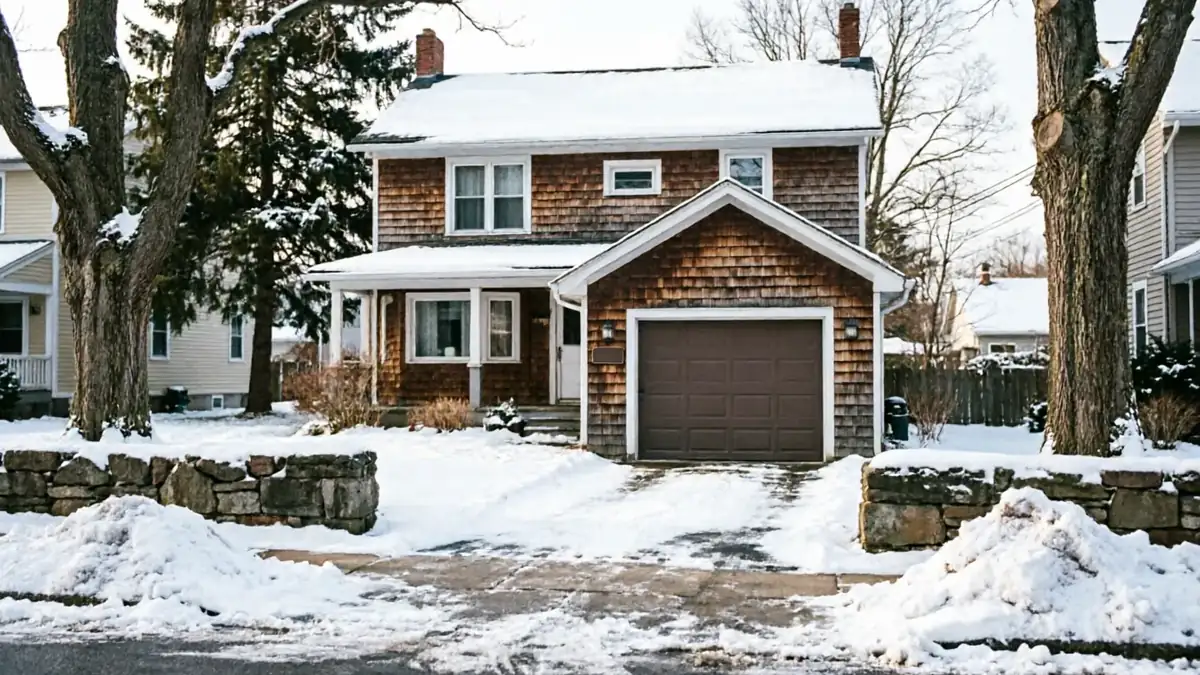
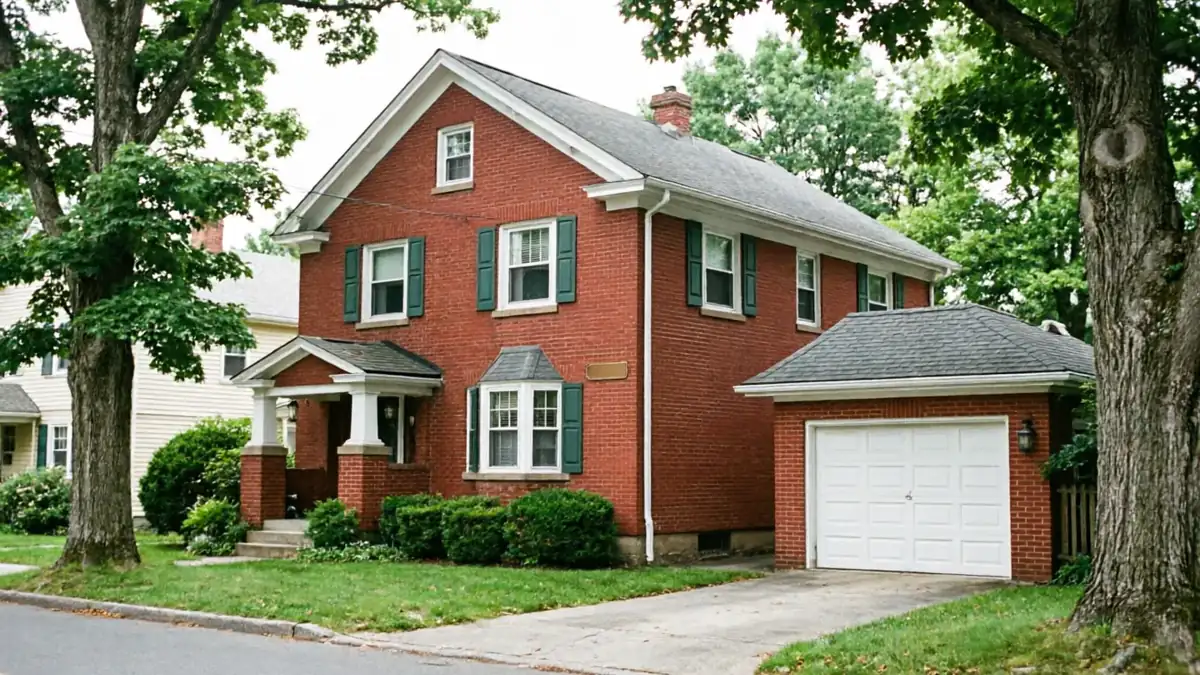
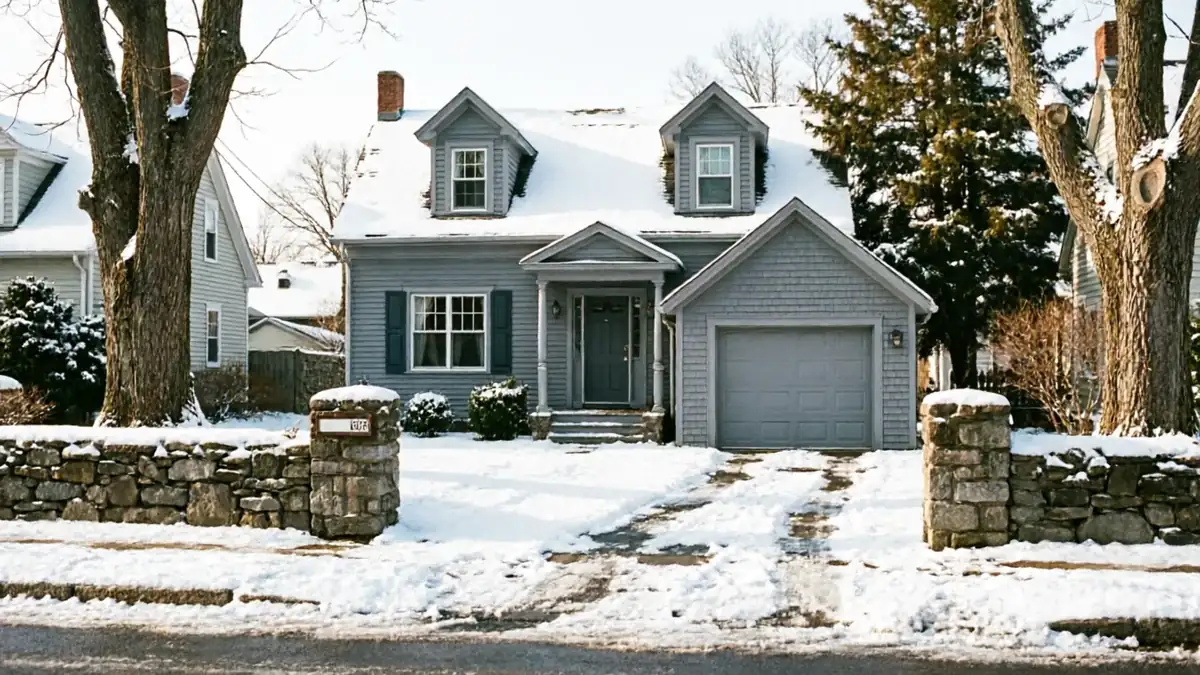
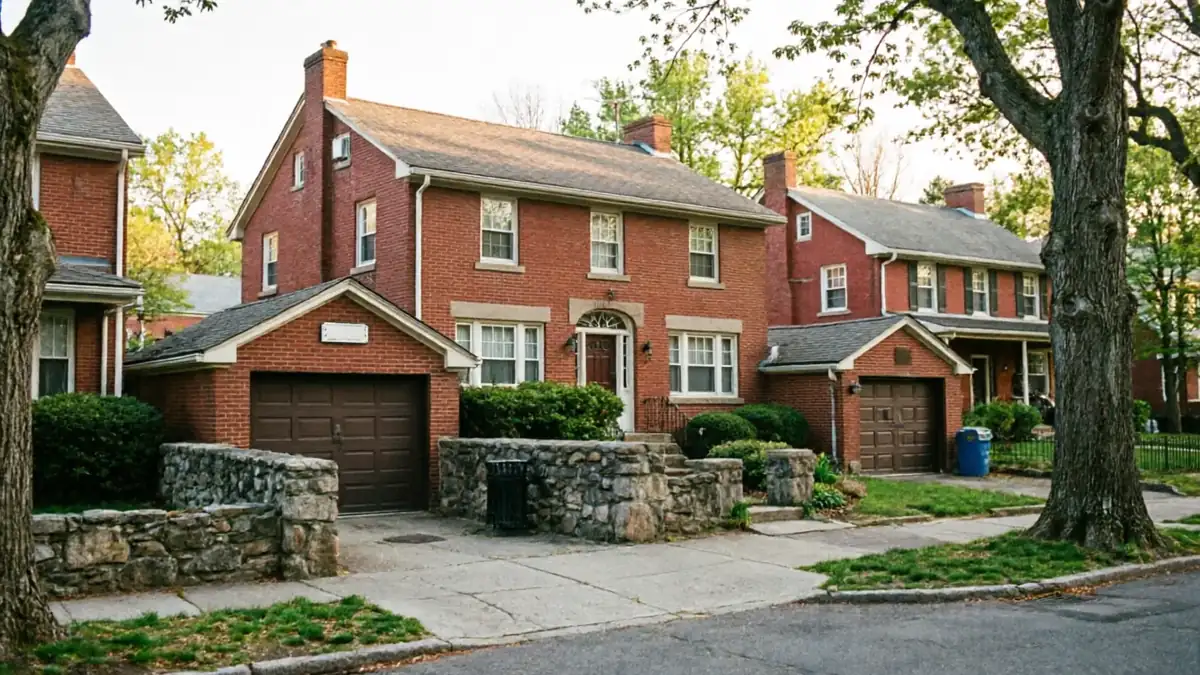
The median year built here is 1993, which puts most garages on raised-panel steel doors from the early-to-mid 1990s rather than the older stock you'd find closer to Londonderry or in some of the towns we also serve. Across our wider service area the typical house dates back to 1982, so Chester sits a solid decade ahead of that curve.
That gap matters because it changes what's actually failing when we get a call
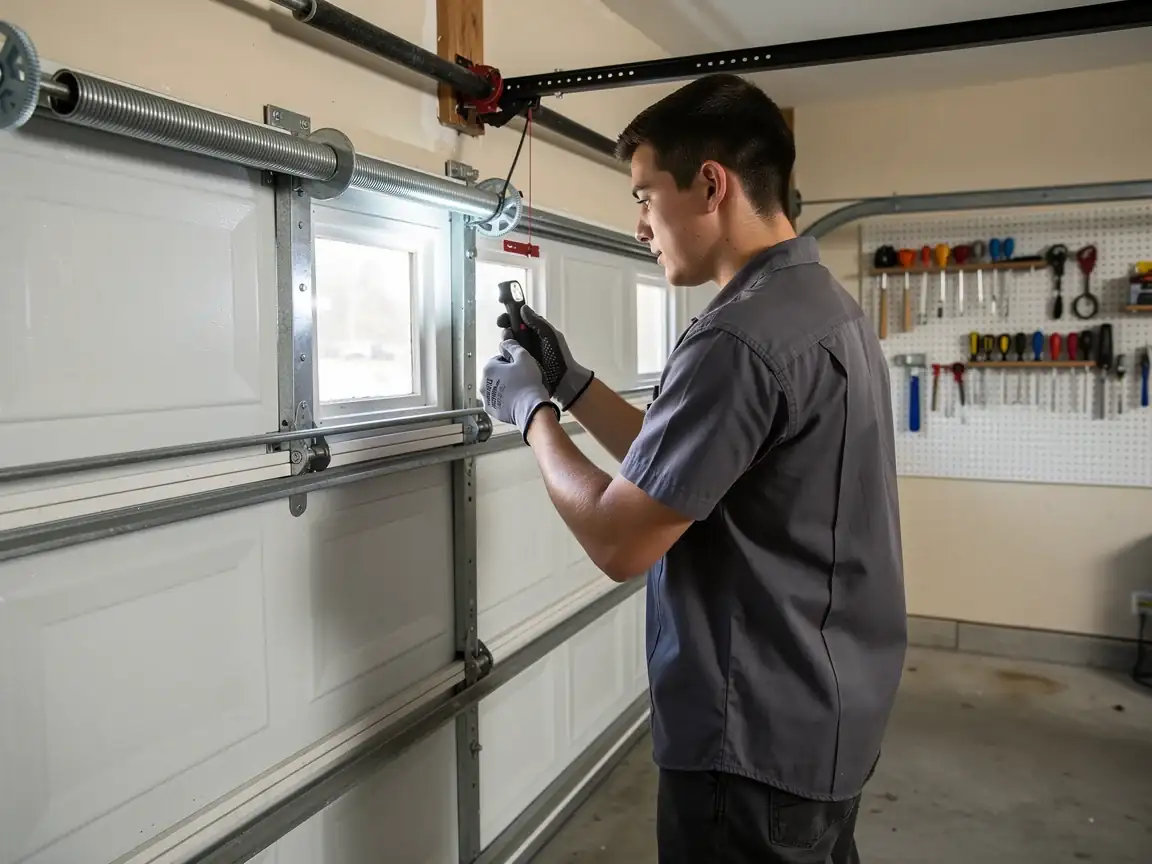
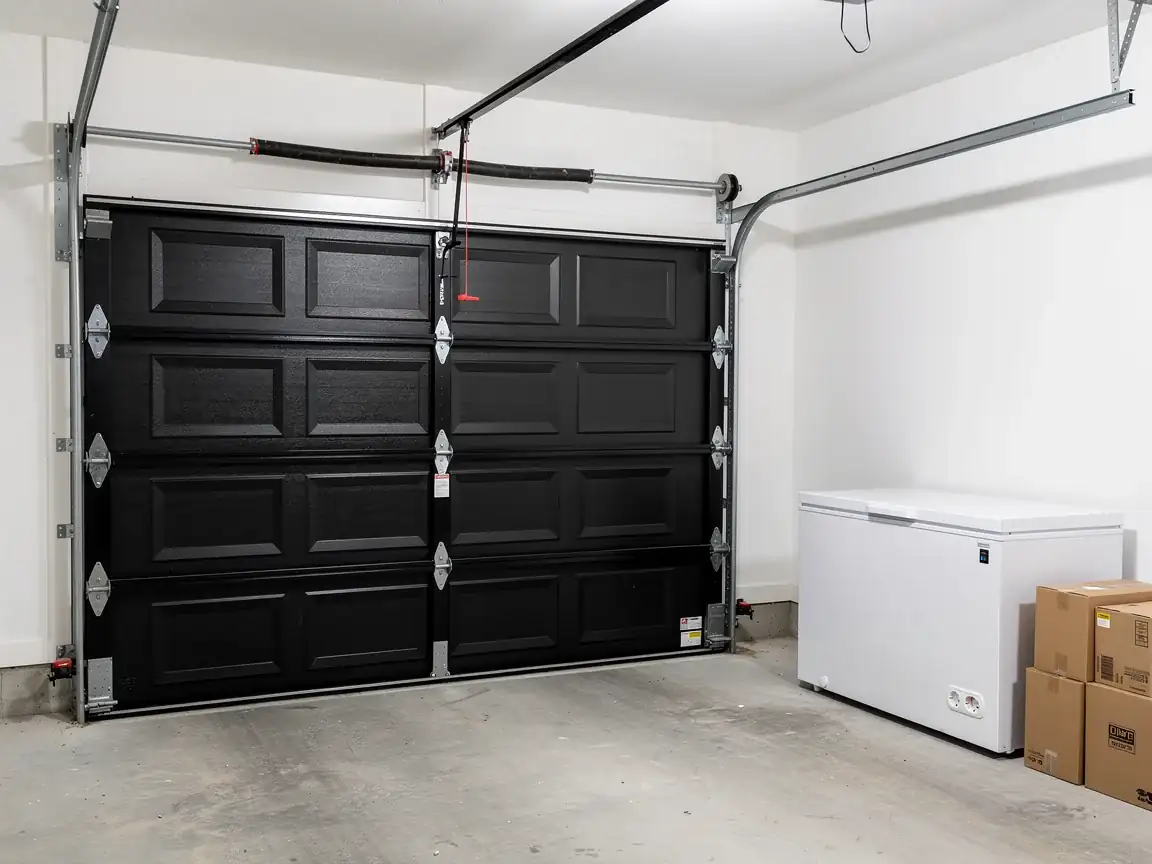
A 1993 build means the original door and opener are now pushing thirty years old, which is right around the point where openers from that generation - chain-drive units with aging circuit boards and worn-out drive gears - start giving out for good rather than just needing a part. Springs on these doors have usually been swapped once or twice already if the house has had any garage use at all, but the track and roller hardware is frequently still original, just tired.
We're coming from Londonderry, about 11 miles away
So when we get to a job in Chester we already have a decent read on what era of door and hardware we're likely dealing with before we open the truck.
- 11 miles
What the Housing Means for Your Door
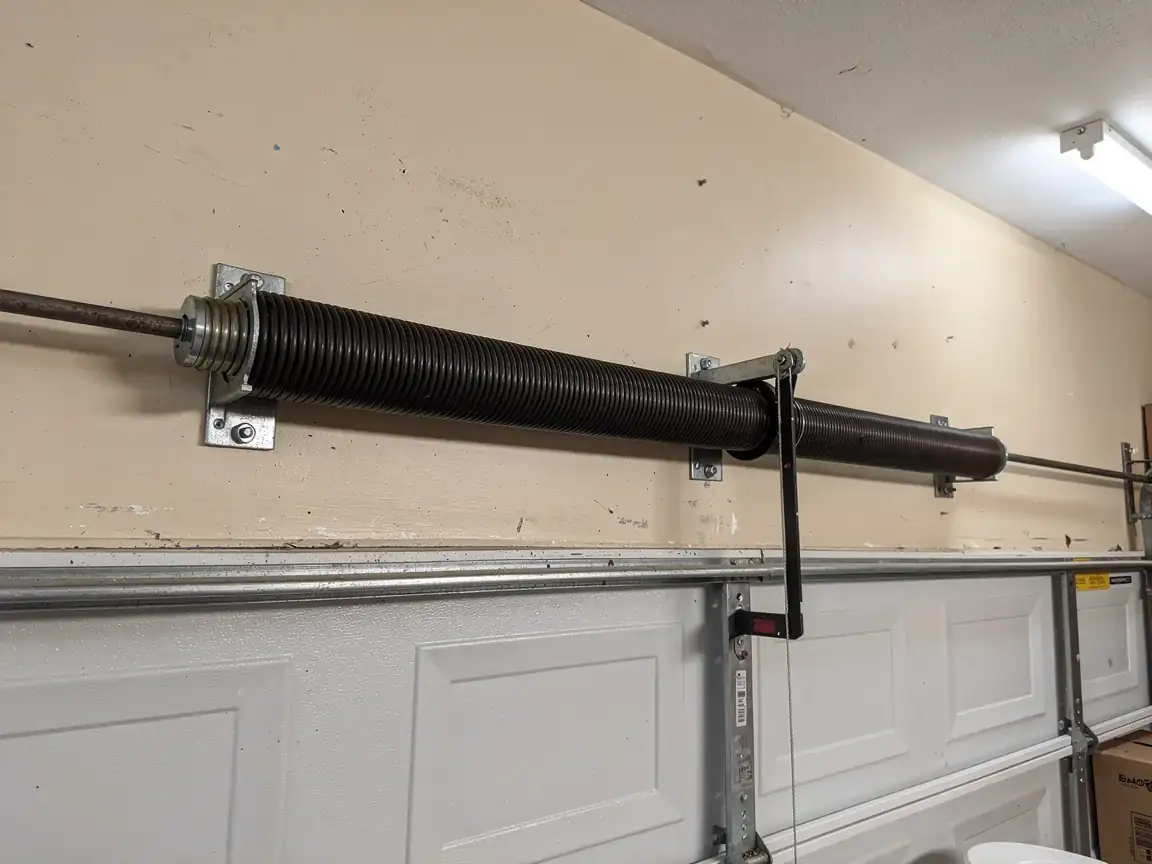
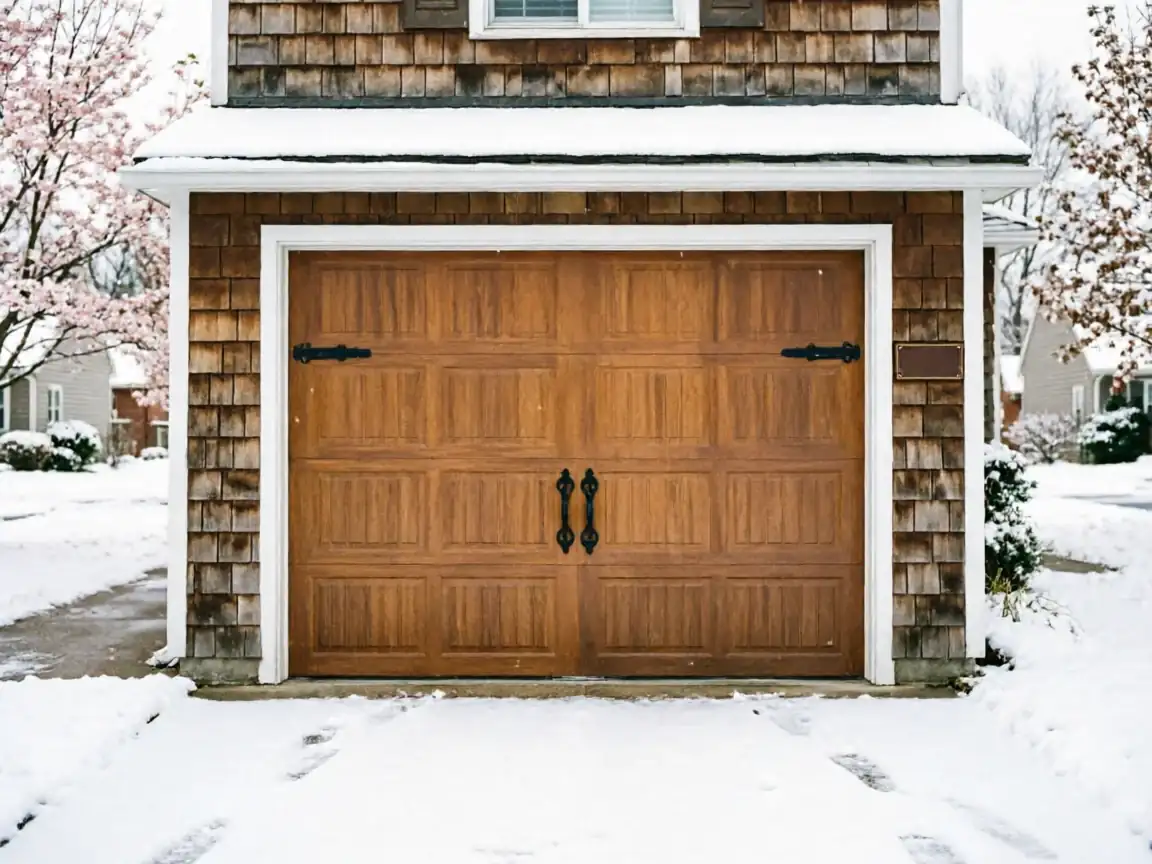
A door built in the early 1990s is a different animal than one built in 1965. Panels are steel instead of wood or thin aluminum, insulation is more common, and torsion spring setups are more standardized - which is good news, because parts for that generation are still widely made. The failure points we see most in Chester are worn nylon rollers (original ones from that era are usually plain steel or cheap nylon, not the sealed-bearing kind), opener logic boards that finally die after decades of New Hampshire winters, and torsion springs reaching the end of their cycle life if they haven't been replaced since the house was new.
Our winters here fall into the severe-cold band, and steel doors from this period don't always have the sealing or insulation that later doors do. That means a worn weatherstrip or a sagging bottom seal on a 1990s door lets in more cold air than most owners expect, and it's an easy thing to overlook because the door still looks fine and opens fine.
One honest point: if your opener is original to a 1993 build, we'll usually tell you it's cheaper and more reliable to replace it outright than to keep chasing intermittent board failures. Chasing a dying 30-year-old opener part by part rarely saves money in the end.
What People Here Ring About
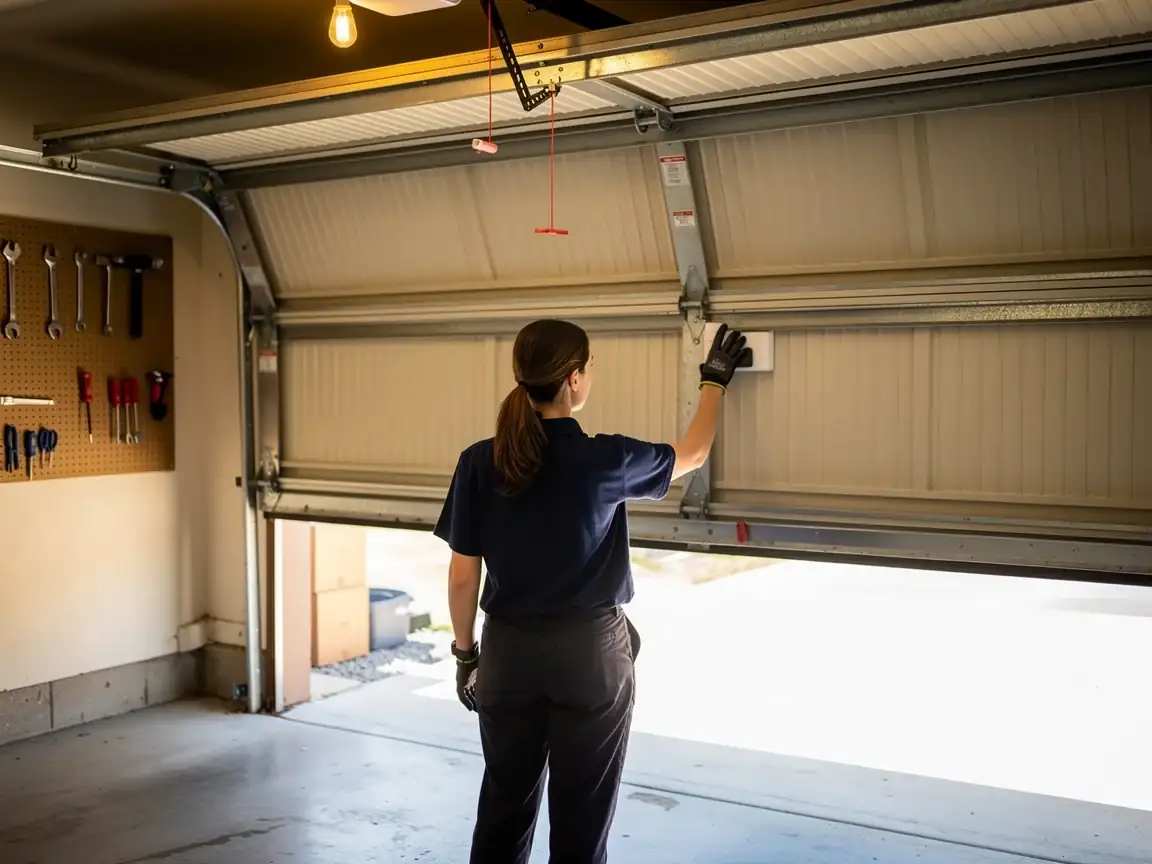
Most Chester calls we get fall into a short list: a torsion spring that finally snapped after years of use, an opener that's started reversing or stopping partway for no clear reason, or rollers that have gone loud and rough enough that the whole door shakes going up. Given the age of the housing stock, we also see a fair number of calls about openers that simply won't respond at all - often a dead board rather than anything mechanical.
Chester's median household income runs about $138,606, noticeably higher than much of the rest of the area we cover, and we do see that reflected in the calls - more owners here ask about full opener upgrades or insulated replacement doors rather than just patching what's there. That's a reasonable call on a door that's closing in on 30 years old, though plenty of these doors still have good life left in the panels themselves even when the opener is done.