The Situation
Most of the calls we get around here trace back to the same thing: the house
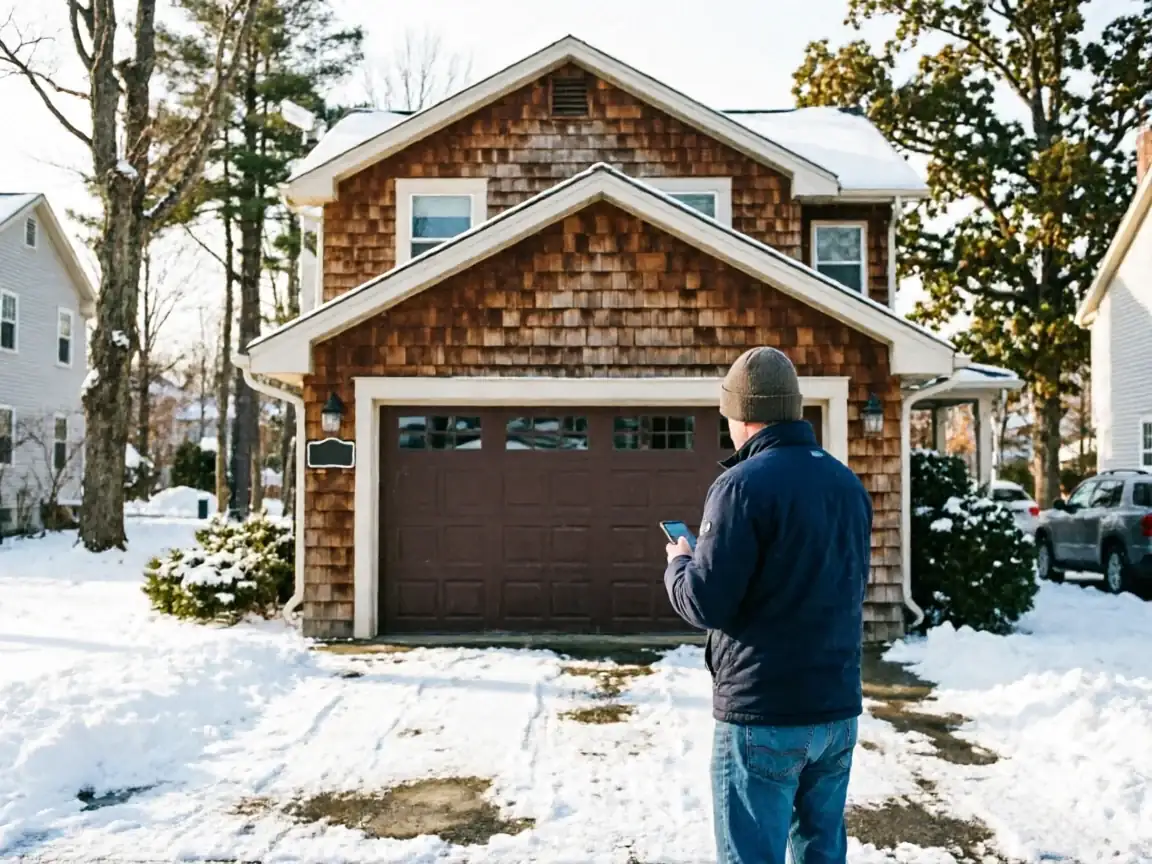
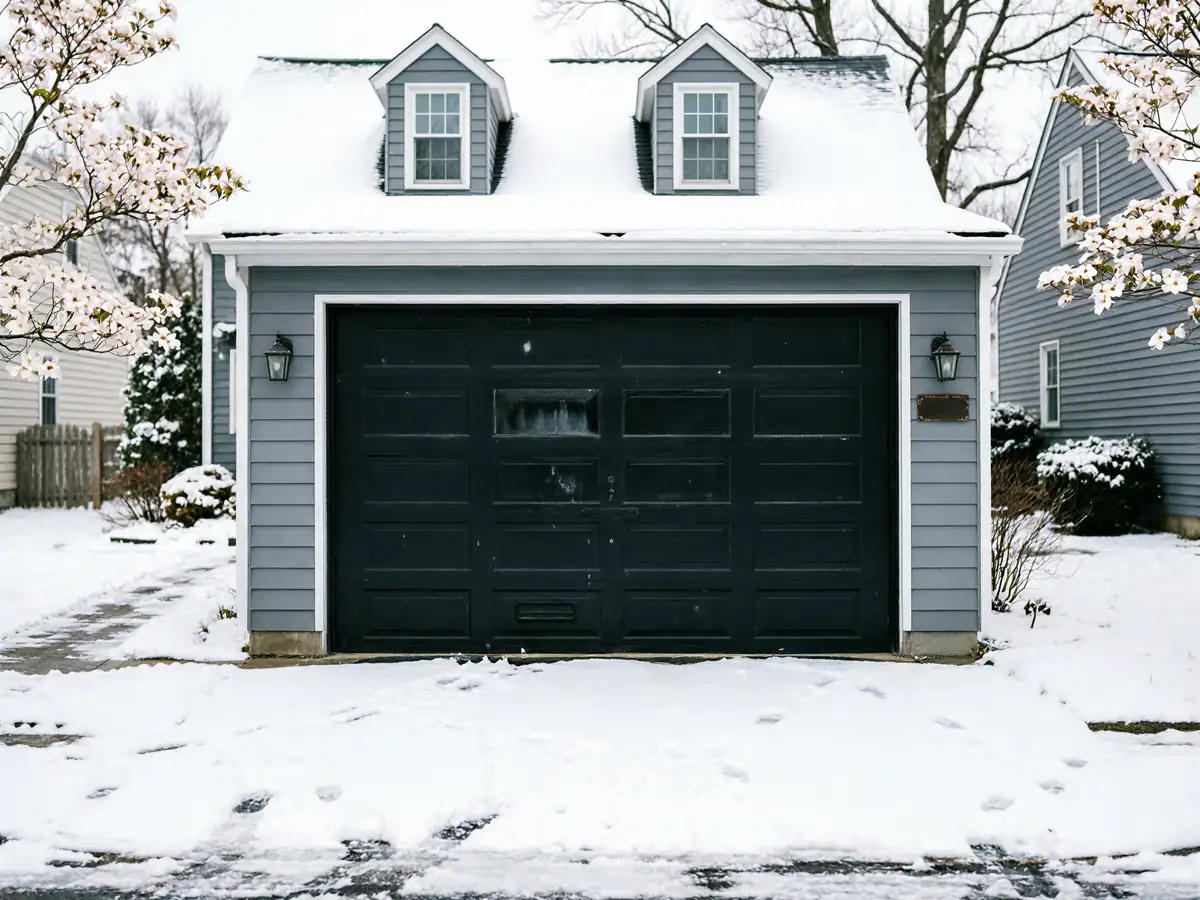
Housing in this service area went up mostly between 1938 and 1996, with the median year landing in 1982, and across the 28 named areas we cover, the bulk of what's standing is 1980s-90s construction. That matters because a door installed in 1985 was sized, hung, and sprung to specs that have since changed twice over. The torsion spring on that door isn't the spring you'd get if you called a parts counter today. The track width might not match a current-production opener bracket. None of that is a defect - it's just age doing what age does to hardware nobody updates until it breaks.
We're not here to tell you every door built in that window is failing
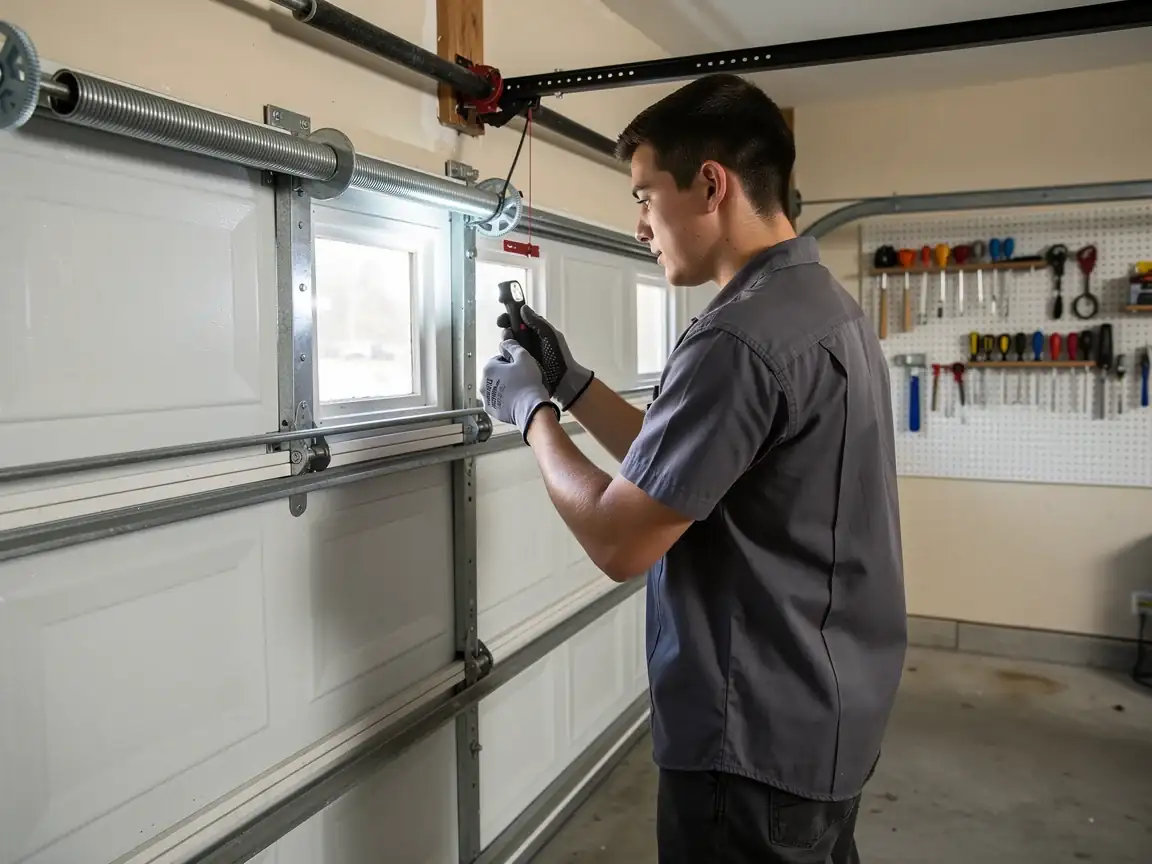
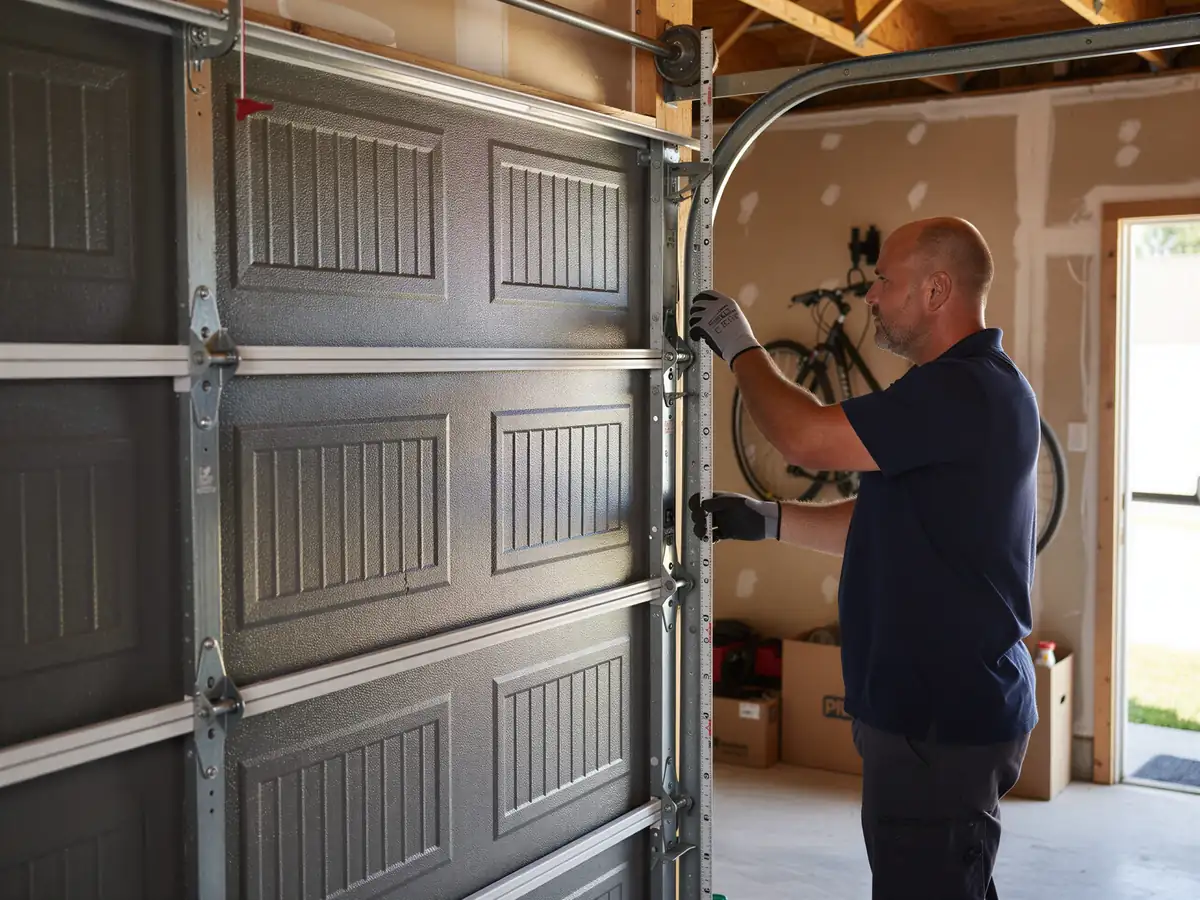
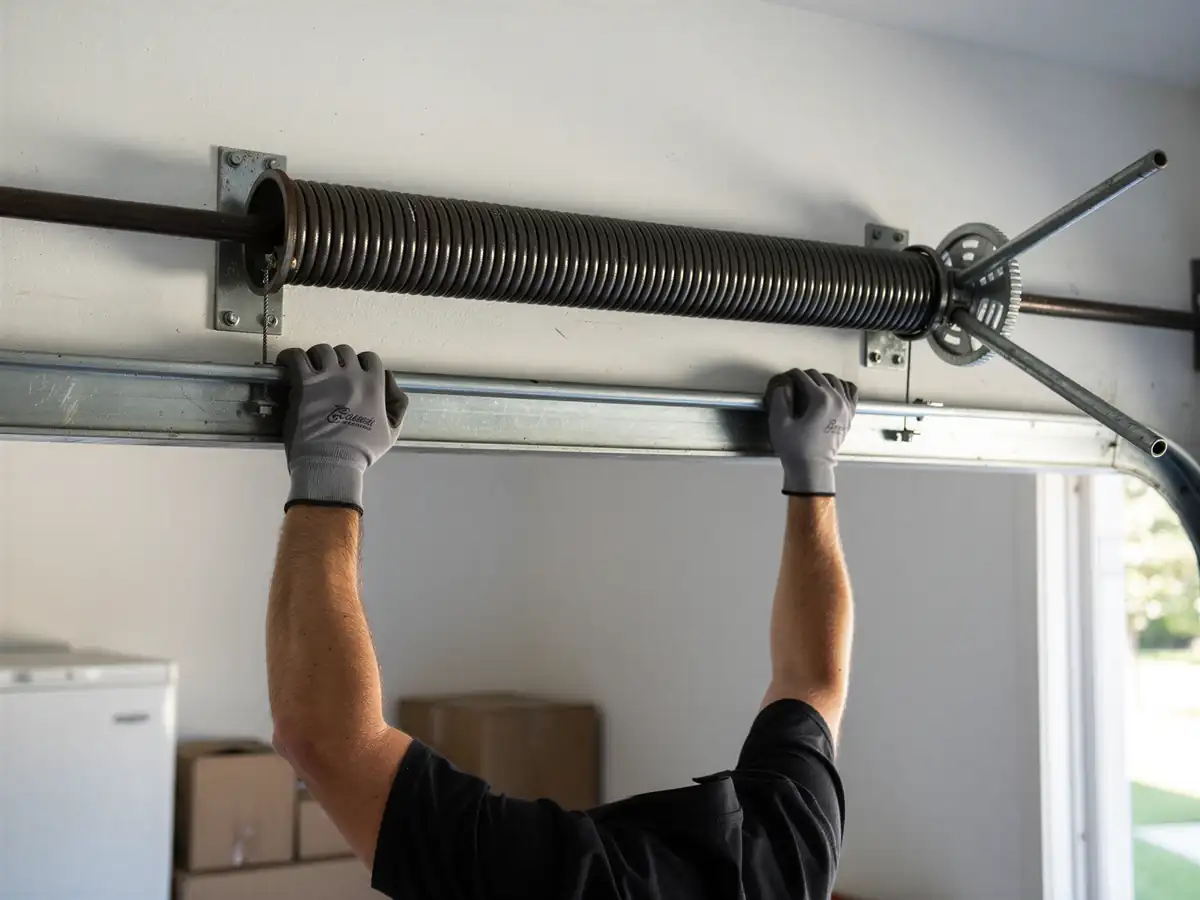
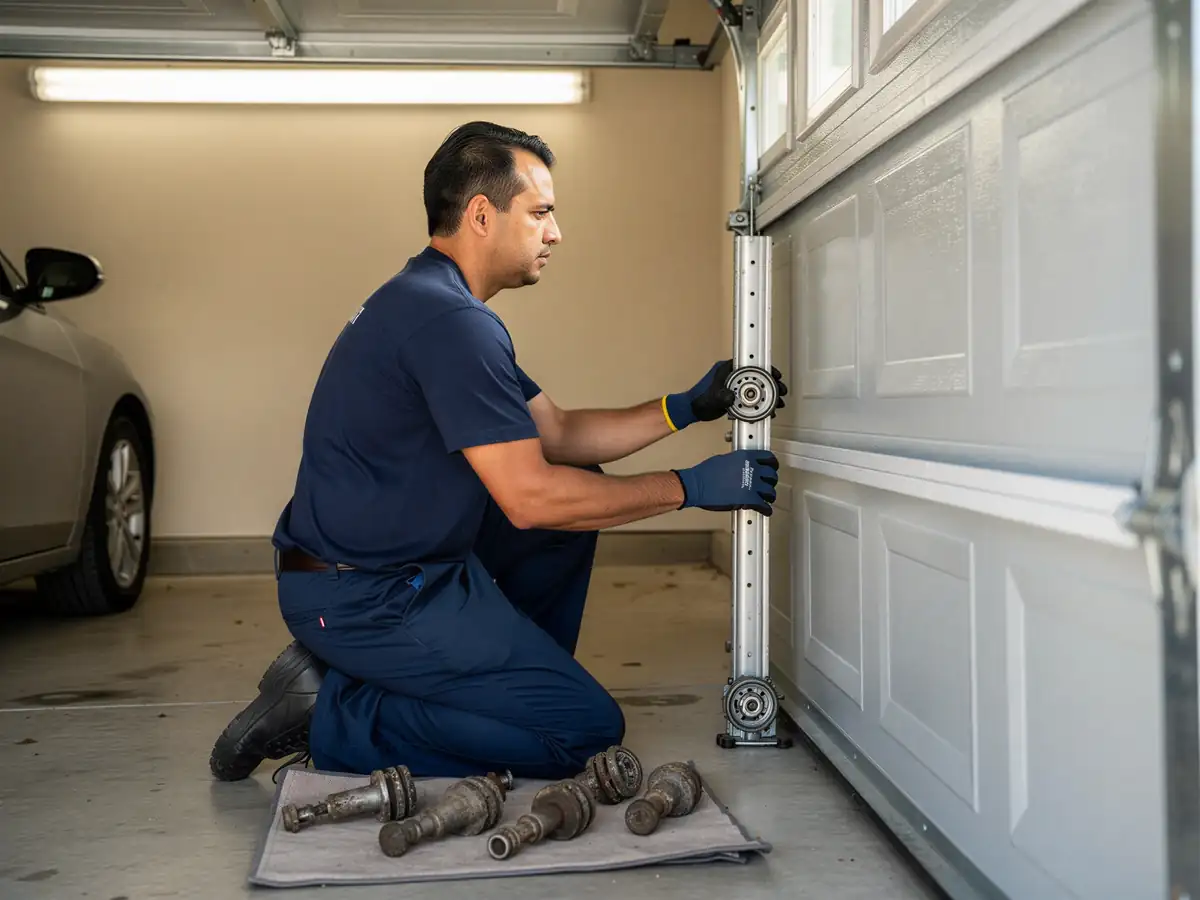
Plenty aren't. But when a 1982-vintage door starts binding on the track or the cable starts fraying at the drum, the fix usually isn't a five-minute tighten. It's often a mismatch between what's on the house and what's sold at the supply house now, and that changes how the job goes - sometimes a straight repair, sometimes a full swap because the old parts are a special order nobody wants to wait on.
How Local Conditions Play In
This area sits in a cold-severe climate band, and that changes how garage doors fail here versus somewhere milder. Steel panels and the seals around them go through repeated freeze-thaw cycling - the kind that cracks weatherstripping, stiffens lubricant in the rollers, and makes a torsion spring that was already fatigued from age snap on a cold morning instead of giving you warning first. We see a spike in spring failures tied directly to the first hard cold snap of the season, not because the door picked that day at random but because cold steel loses tensile give right when the spring is already near the end of its cycle count.
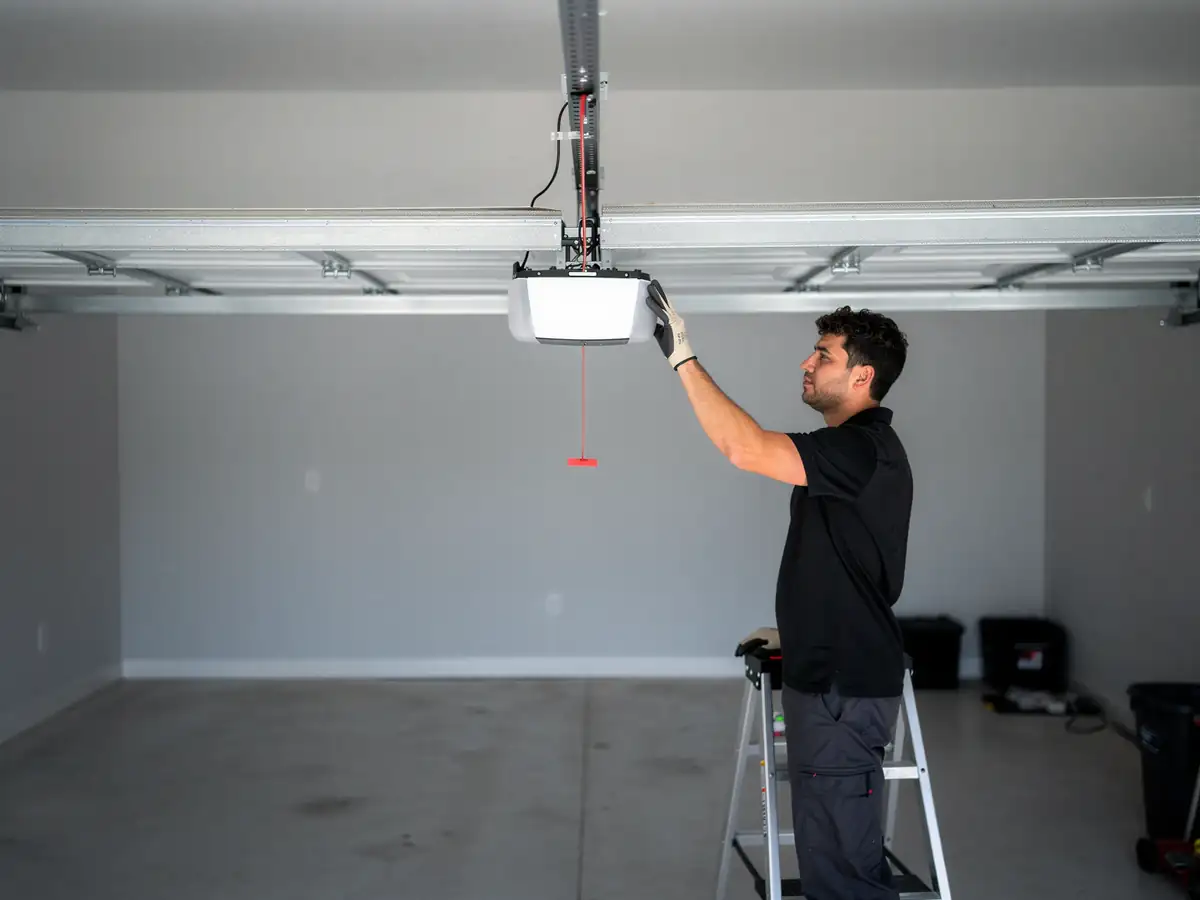
With 34,548 owner-occupied houses among 55,192 households across this service area, a lot of the doors we're called out to are attached garages on single-family homes from that same 1980s-90s build window - uninsulated or thinly insulated panels, original hardware, and openers that have outlived their rated duty cycle. The honest limitation here: we can tighten a track, balance a spring, and swap a roller, but we can't make a 40-year-old steel panel hold heat like a modern insulated one. If the cold is getting into the garage through the door itself, that's a replacement conversation, not a repair one.
What It Costs
We're not going to quote you a number here that doesn't match your actual door, because the age spread in this area is wide enough that it matters. A spring job on a 1980s single-car door and a full opener-and-panel replacement on a door that's been limping along since the Reagan years are two different estimates, and guessing at either from a blog post does nobody any favors.
What we can tell you: median household income across this service area runs around $125,774, which is part of why we see more owners choosing a straight repair over a replacement when the door is repairable - the budget is there to fix it right rather than defer it. We'd rather look at your actual spring size, track condition, and panel age in person and give you a real number than make one up to fill a page. If a door is old enough that parts are a special order and the labor to source them exceeds a new door installed, we'll say so plainly instead of running up a repair bill on a door that's on its way out anyway.
The Seasonal Bit
Cold-severe winters mean the worst week for garage doors here isn't random
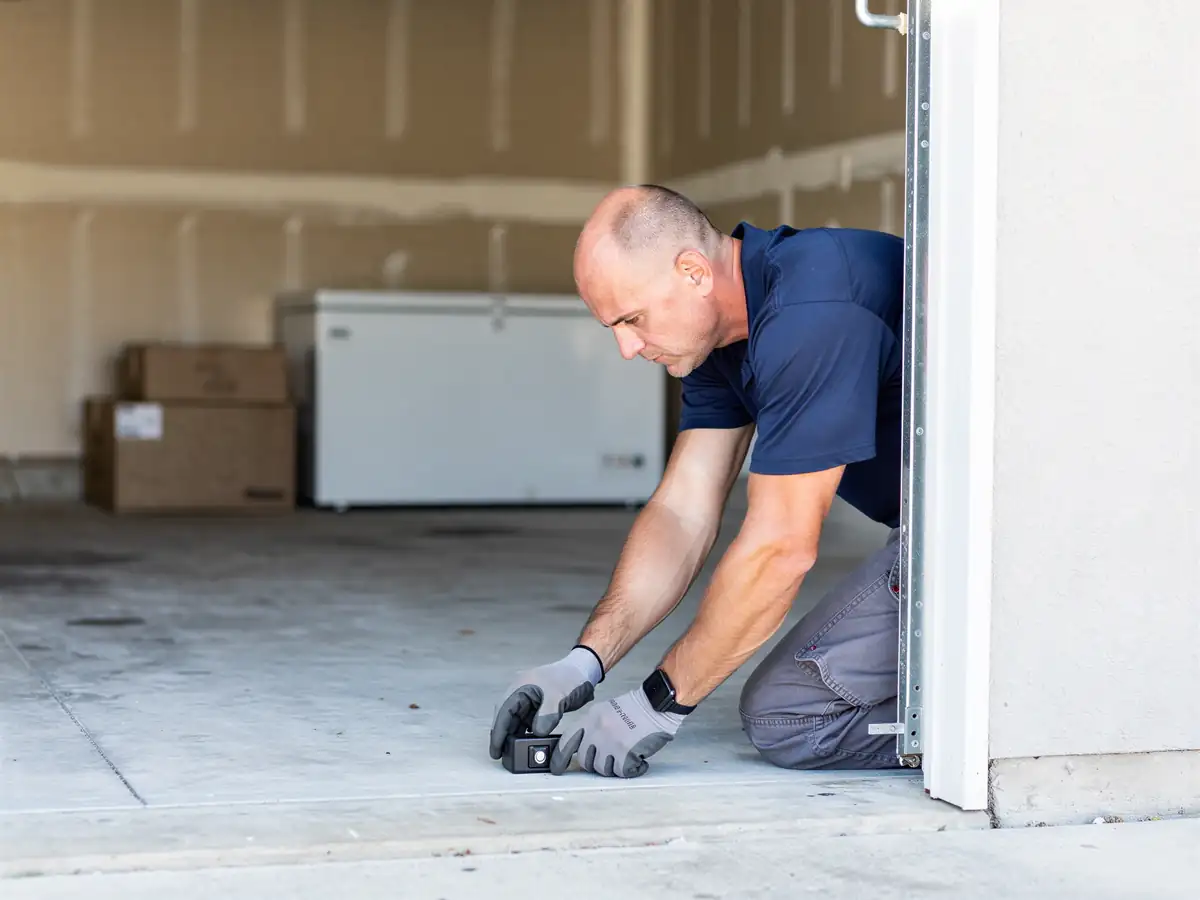
It's whatever week brings the first sustained hard freeze. That's when a spring that's been slowly fatiguing all year finally lets go, usually first thing in the morning when the steel is coldest and least forgiving. It's also when openers with weak gear sets start stalling halfway up, because the grease inside has thickened and the motor is working harder than it should.
If your door is from that 1982-median build era
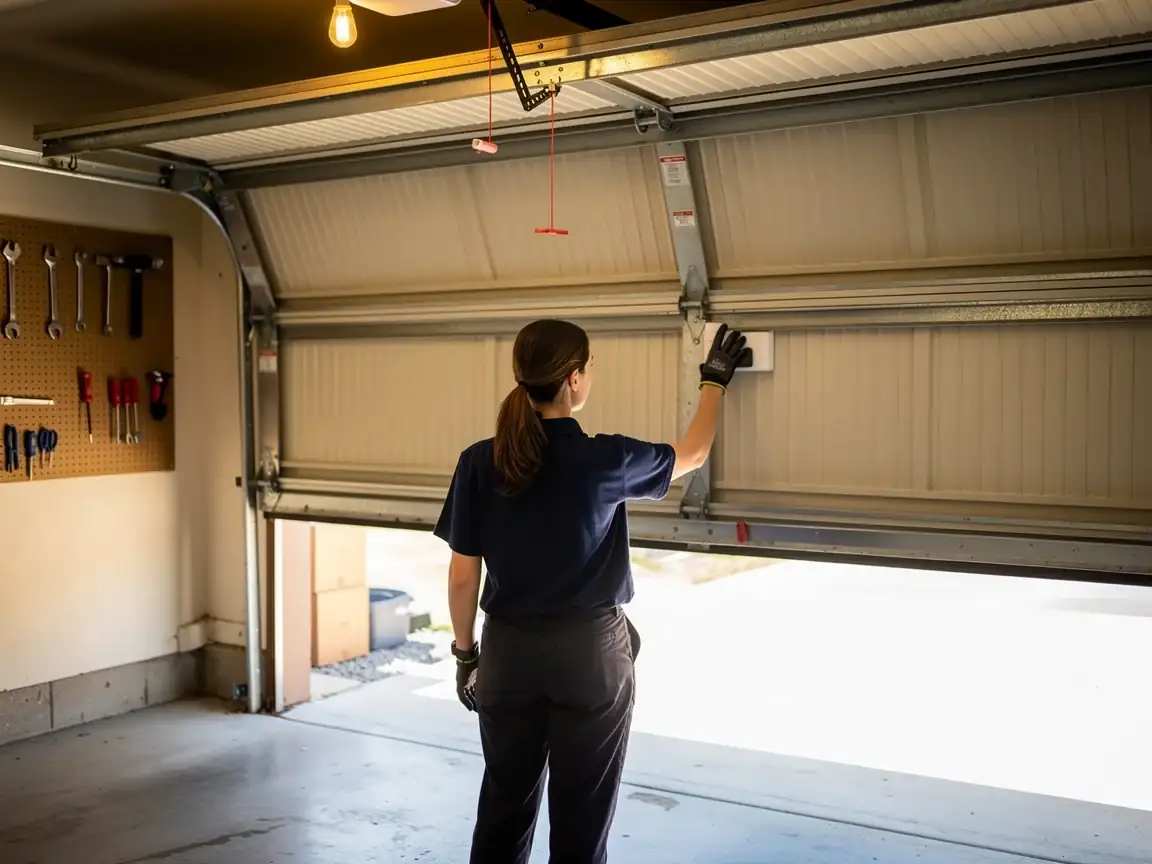
A fall check before the cold really sets in catches most of this before it turns into a stuck car and a missed morning. We're not selling a maintenance plan with a fixed number of visits - we don't have pricing for that to quote you here - but a once-a-year look at spring tension, roller condition, and weatherstripping before the first freeze is the single thing that moves a door from 'failed on the coldest morning' to 'lasted another winter.'