The Situation
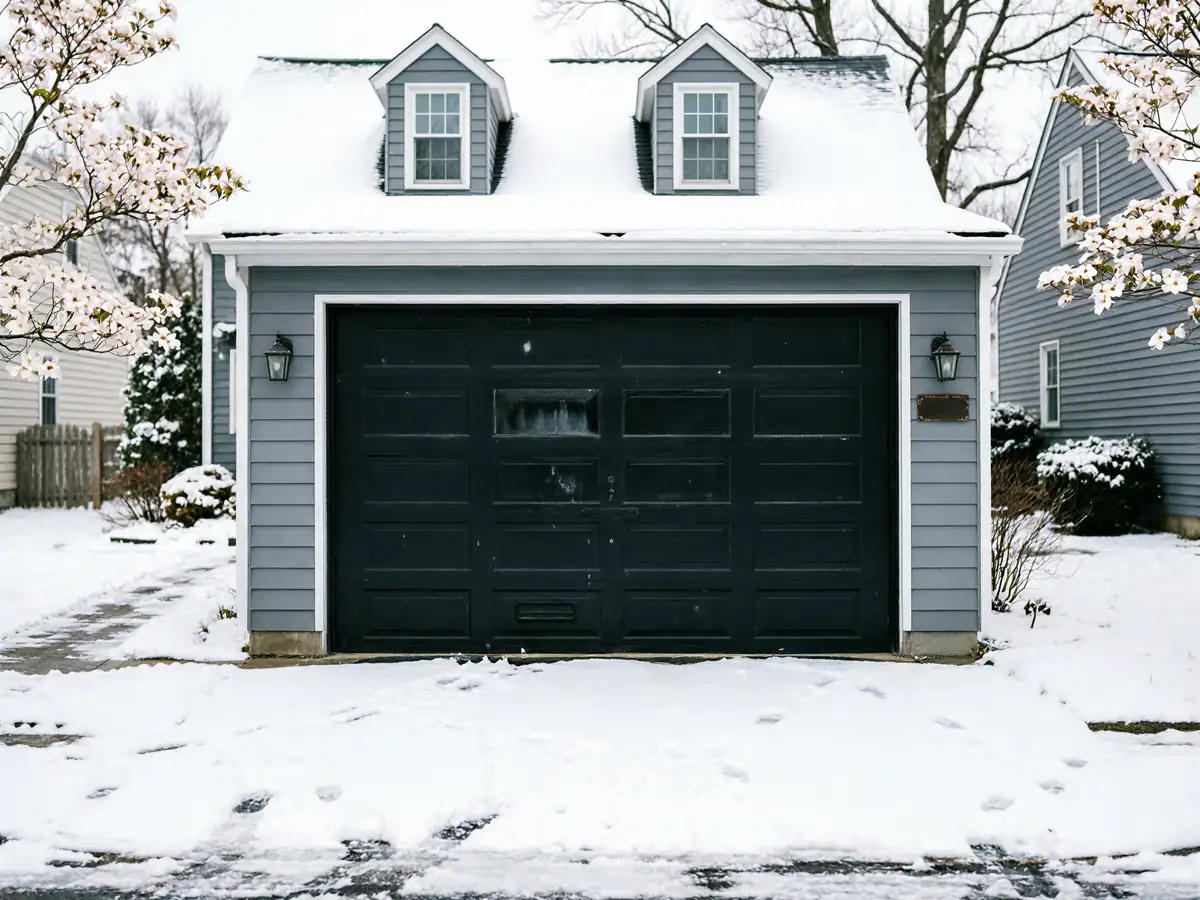
Houses around Londonderry mostly went up between 1938 and 1996
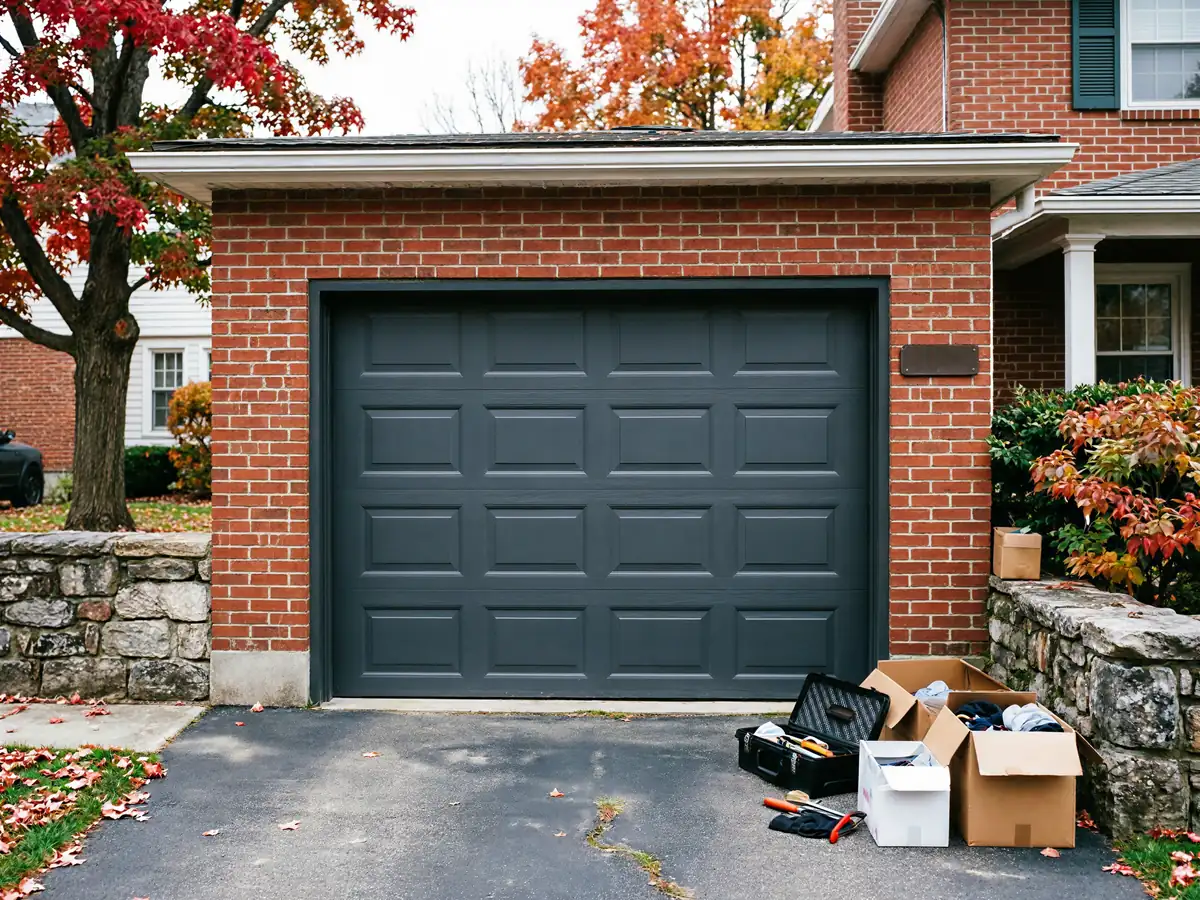
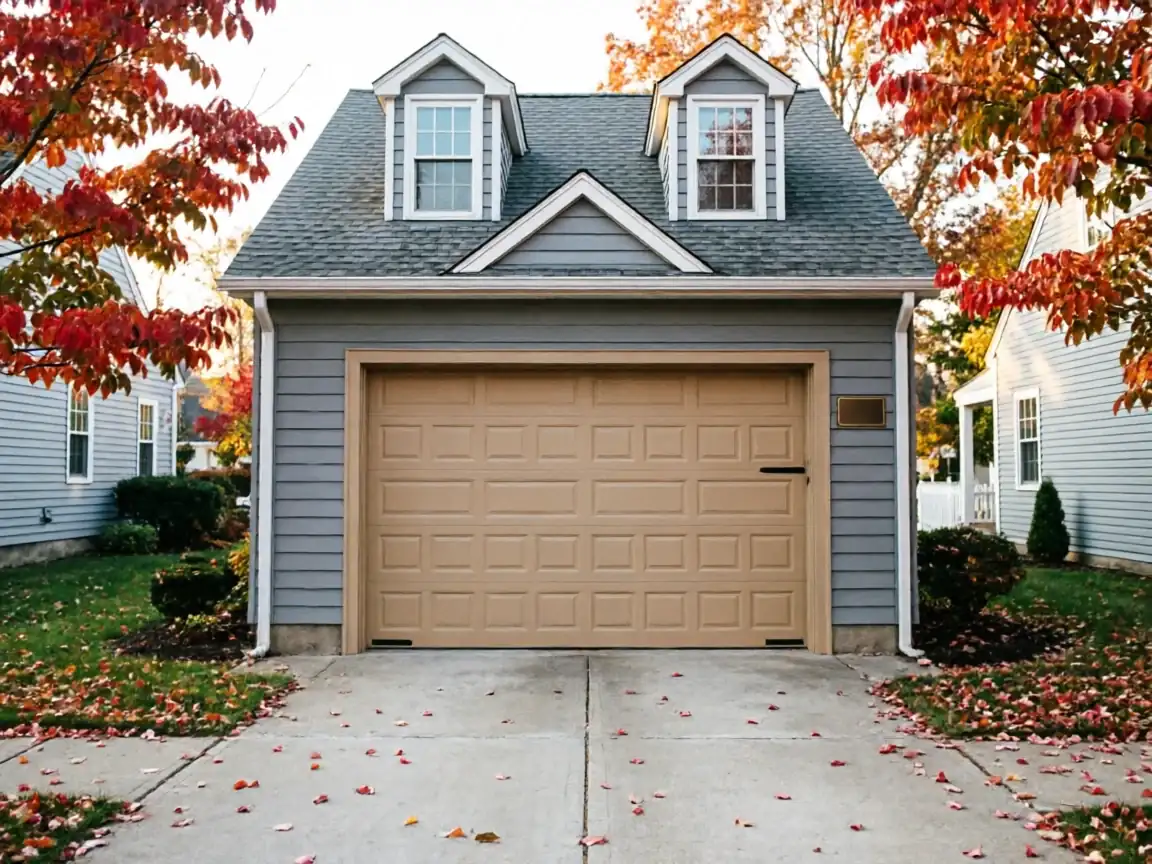
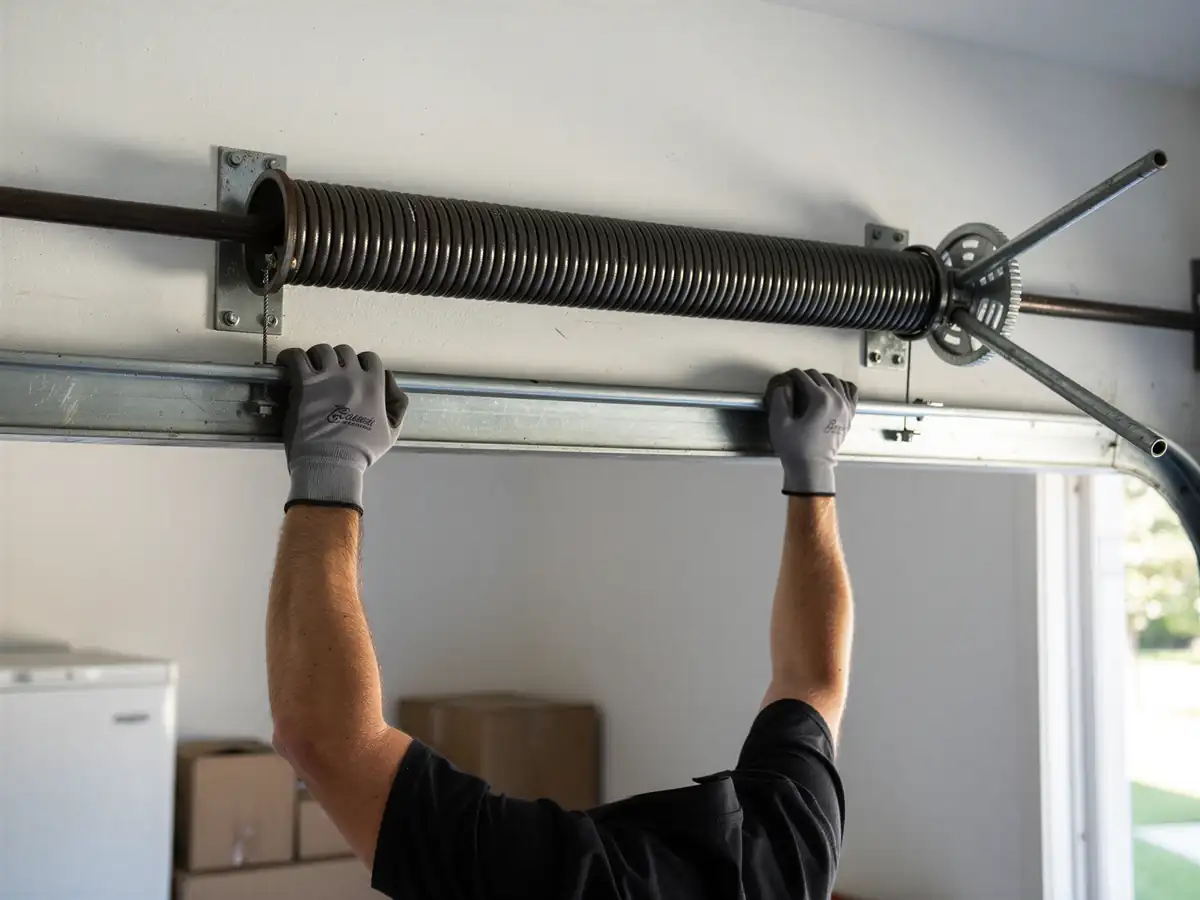
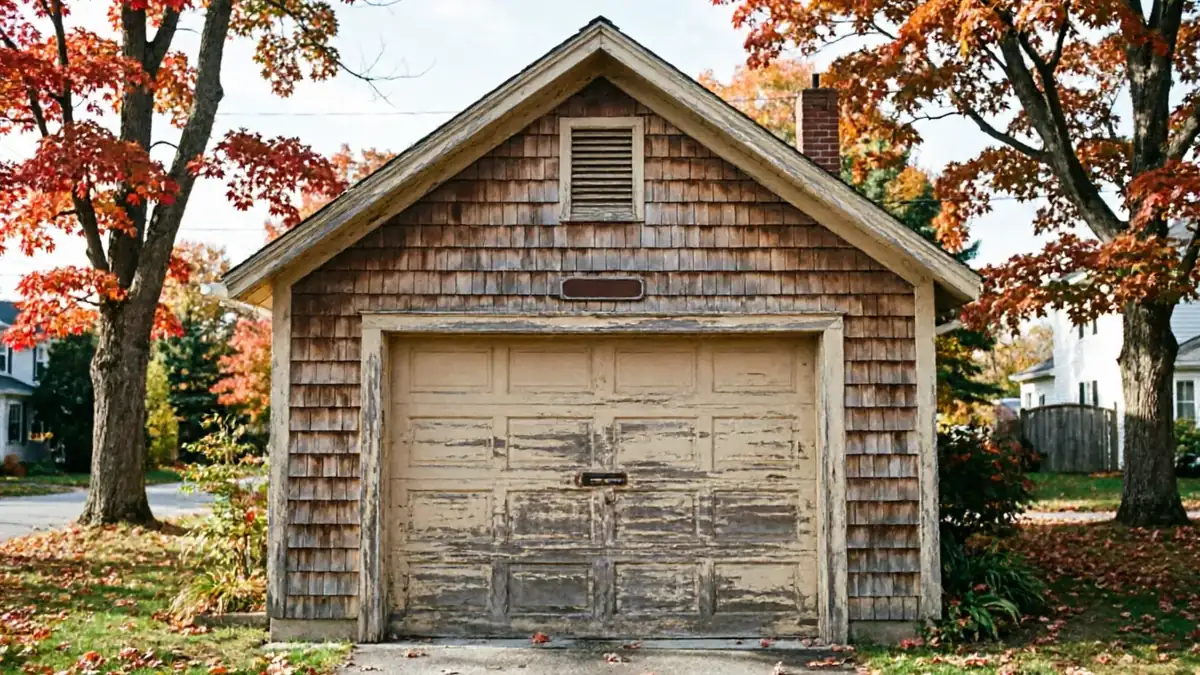
With the median landing around 1982. That means a lot of garage doors and openers in this town aren't original to a house built last decade - they're original to a house built during the Reagan administration, or they're a second-generation door installed sometime in the 90s that's now also getting old. Across the 34,548 owner-occupied houses in this service area, a big chunk share that same window of construction, which means a lot of torsion springs, rollers, and tracks are hitting end-of-service-life at roughly the same time.
- 34,548 owner-occupied
That's not automatically a reason to replace
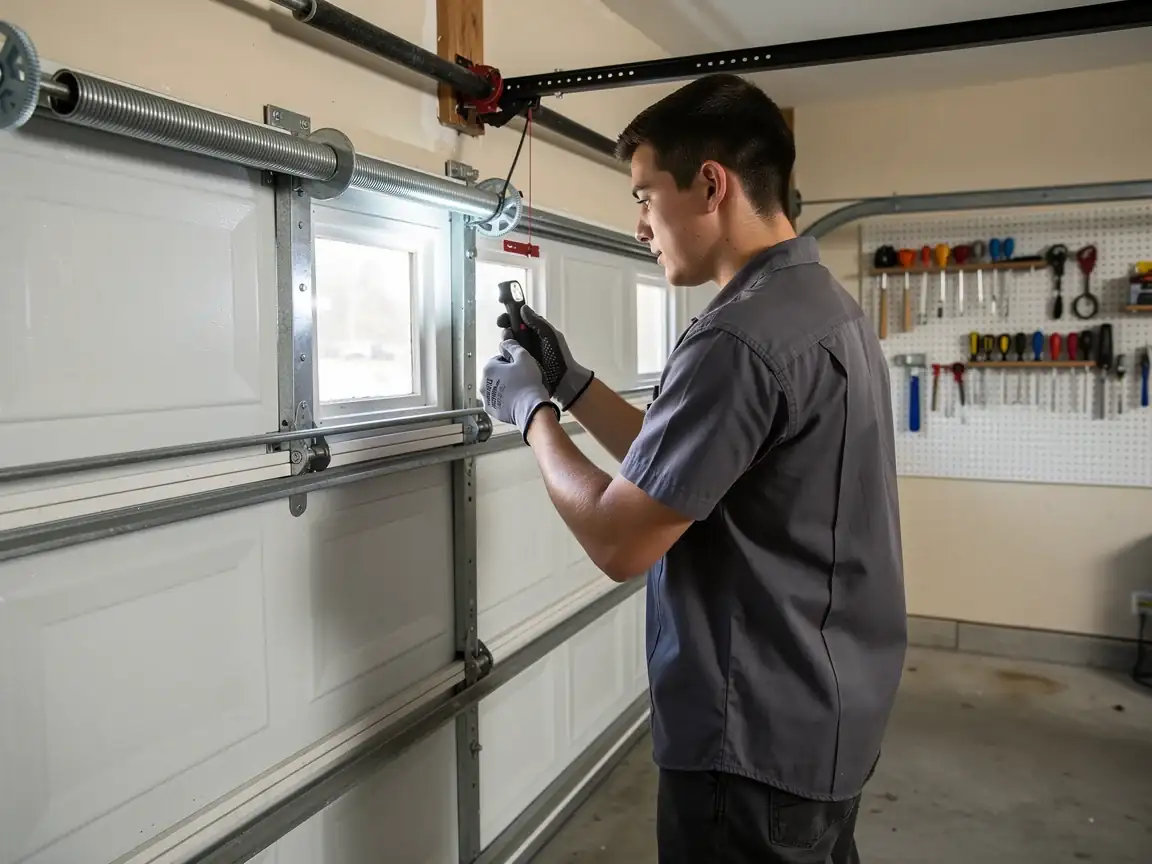
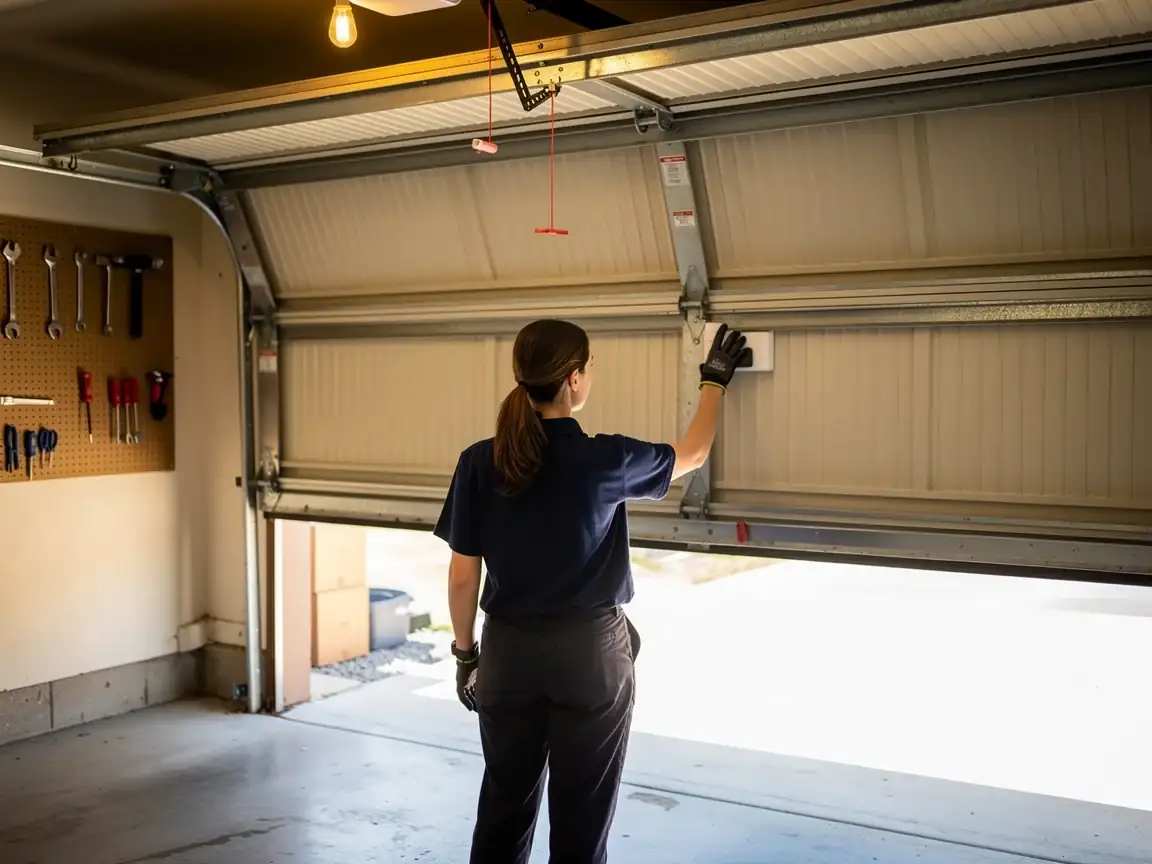
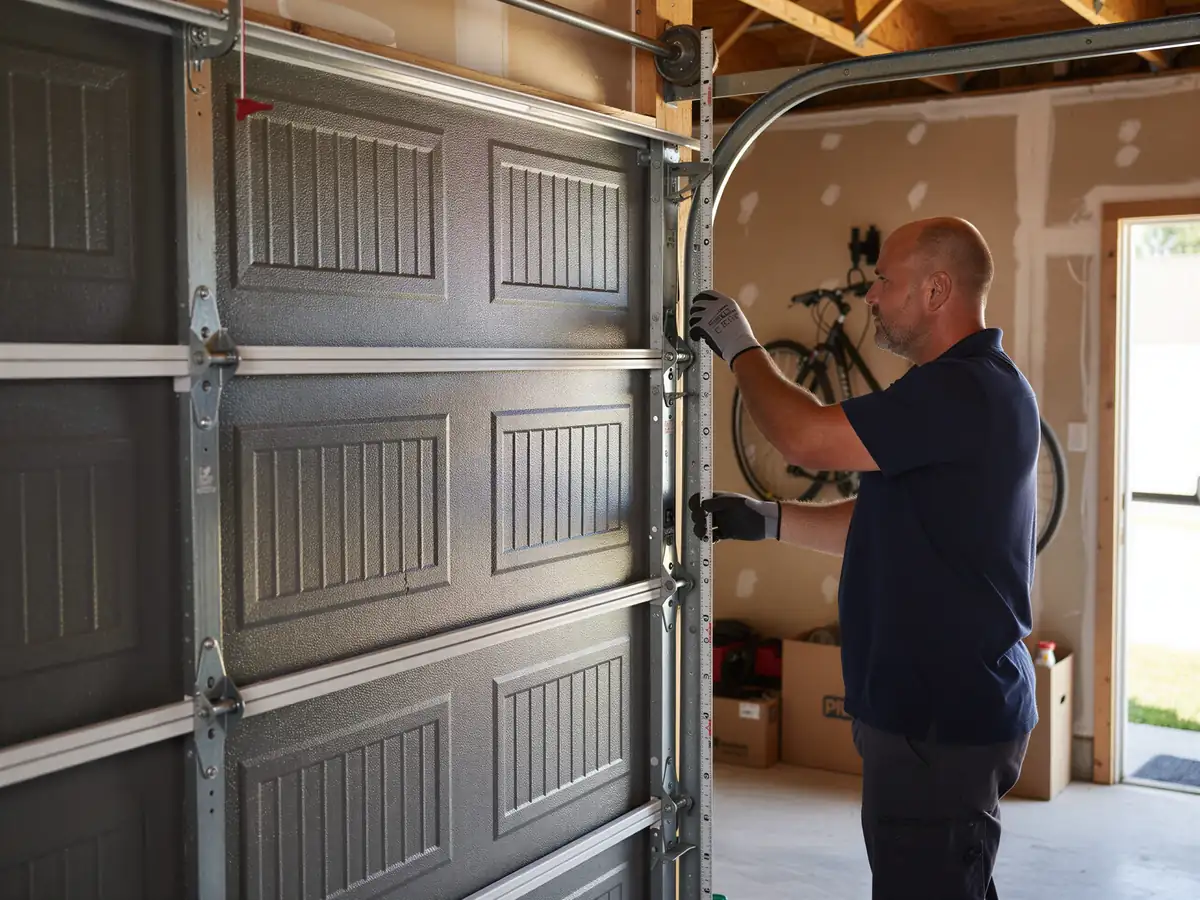
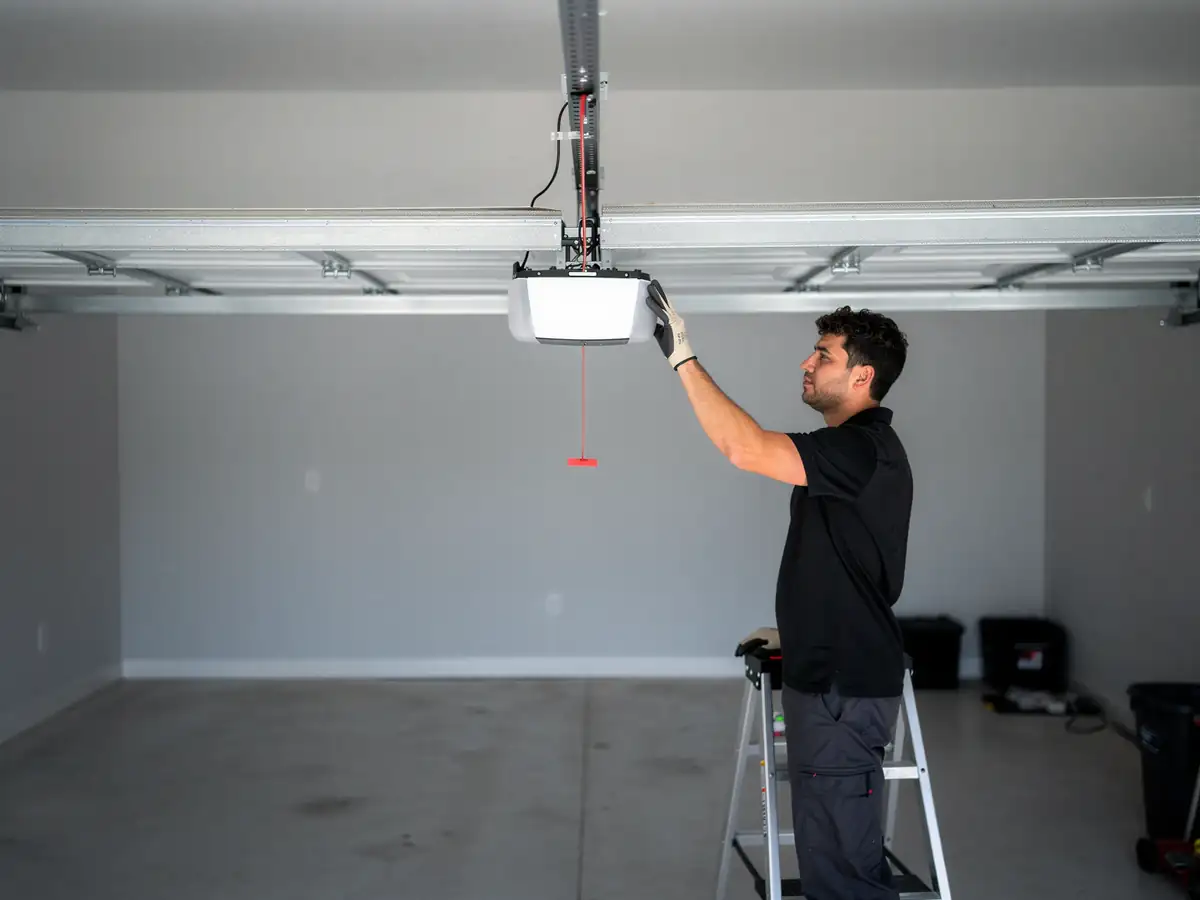
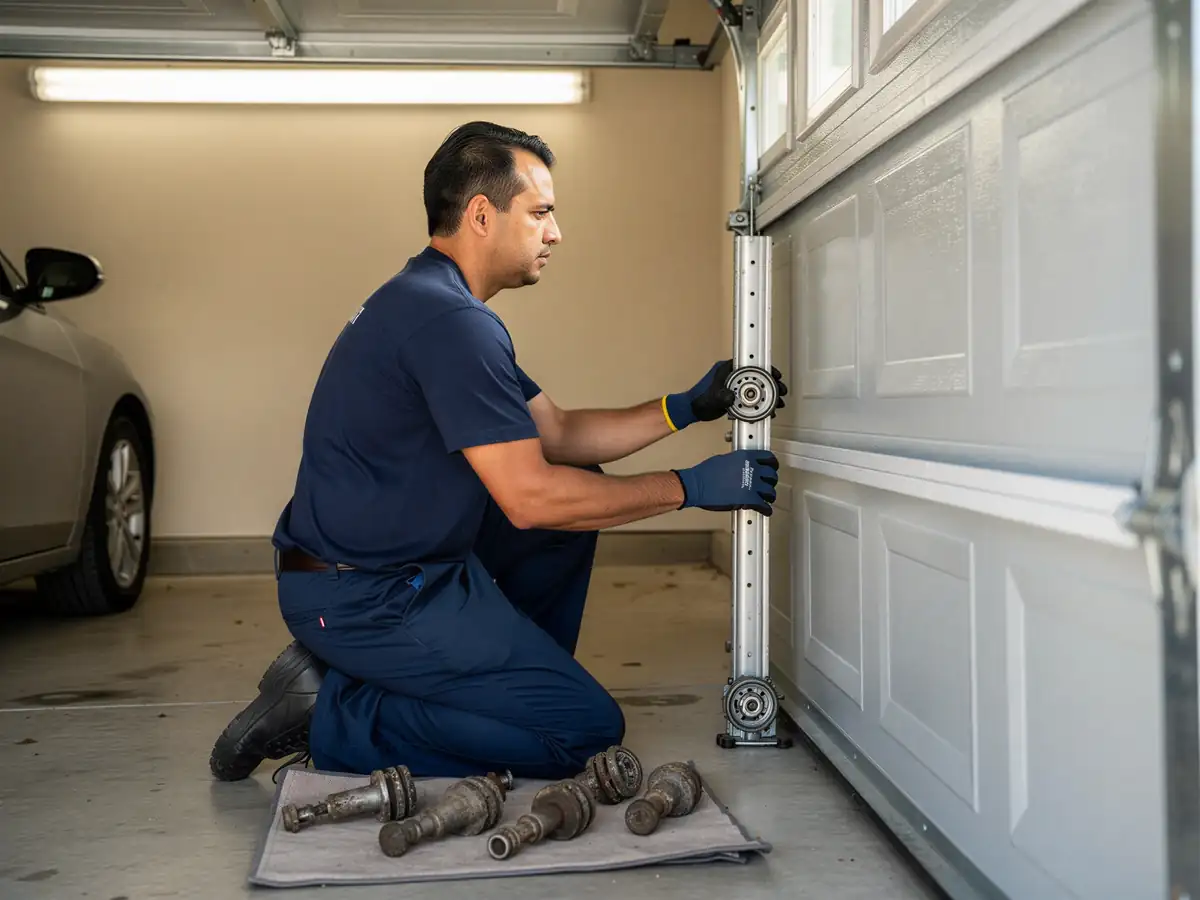
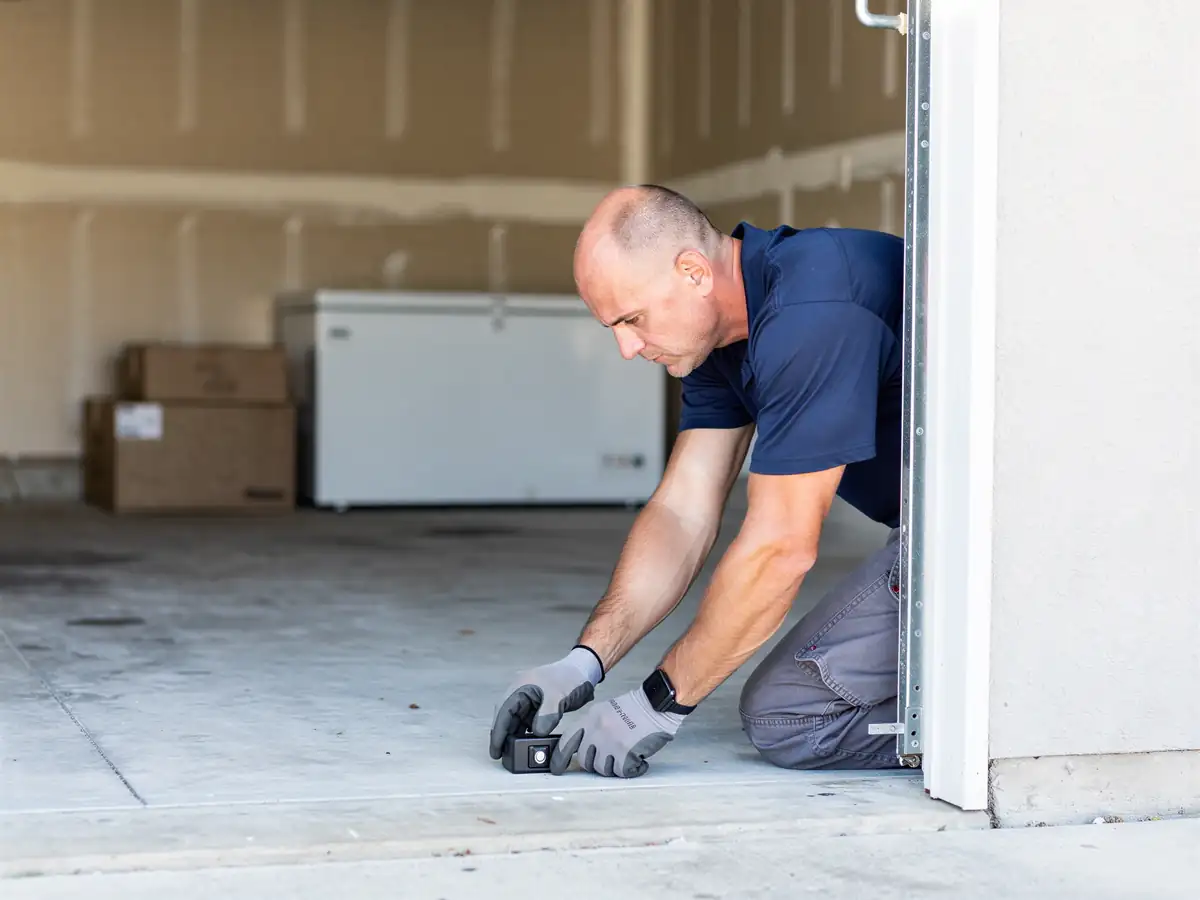
A steel door from the early 80s with a sound frame and a spring that's just worn out is often a cheaper fix than people assume. The question isn't the door's age by itself - it's whether the track is still straight, whether the panels are rusted through at the bottom, and whether the opener predates safety reversal sensors that are now standard. One of those three failing usually settles the question for you.
How Local Conditions Play In
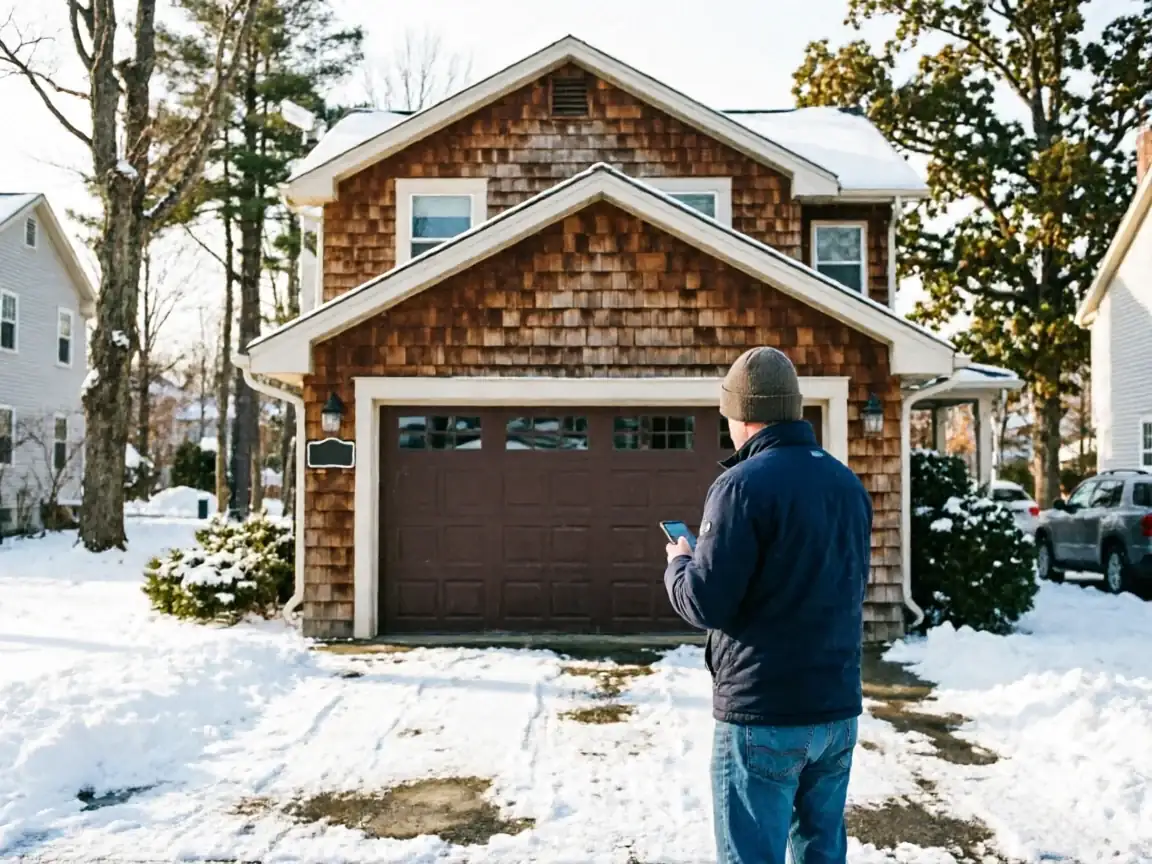
Londonderry sits in a cold-severe climate band, and that matters more for garage doors than people expect. Steel contracts in cold weather, and a torsion spring that was wound and set during installation decades ago doesn't always hold the same torque once the metal's been through forty-plus New Hampshire winters. On an older door, that shows up as a door that feels heavier to lift in January than it did in July, or an opener that strains and trips its limit switch in cold snaps.
It also means that doors built to an older insulation standard - common in houses from the 1938-1996 range - let more cold into an attached garage than current doors do. If the garage shares a wall with living space, that's worth factoring in alongside the repair-versus-replace decision, separate from whether the door itself is broken.
What It Costs
We don't have a price list to hand you here, because cost on an older door depends on what's actually failed and whether parts for that specific door are still being made. A torsion spring snap on a standard door is usually a straightforward repair. A bent track, a warped panel on a door from the early 80s, or a proprietary opener board from a brand that's since changed its parts line - those get more expensive fast, sometimes to the point where a new door costs less than chasing parts for the old one.
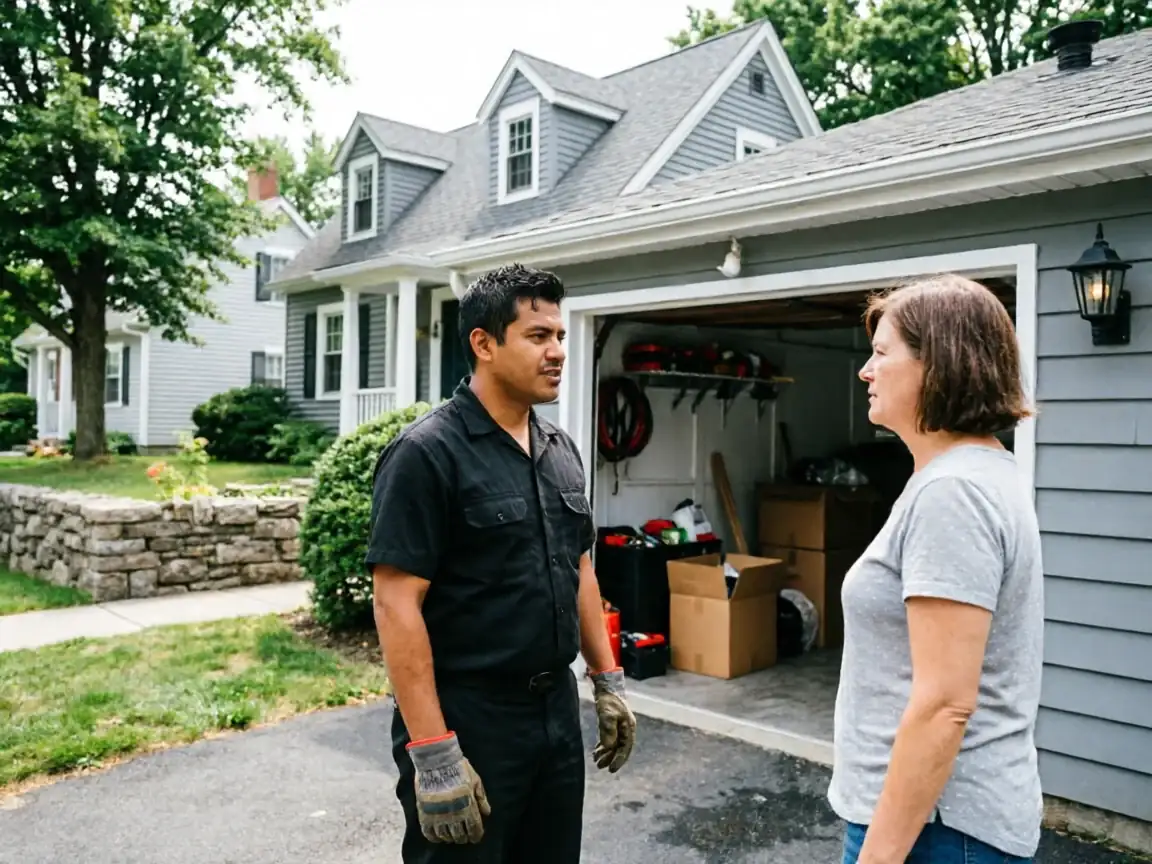
The honest limitation: we can't quote a number without putting a truck in the driveway and looking at the actual hardware. Anyone who gives you a price over the phone for a door they haven't seen is guessing. What we can tell you up front is that on a house from the 1938-1996 era, the odds of needing more than