The Situation
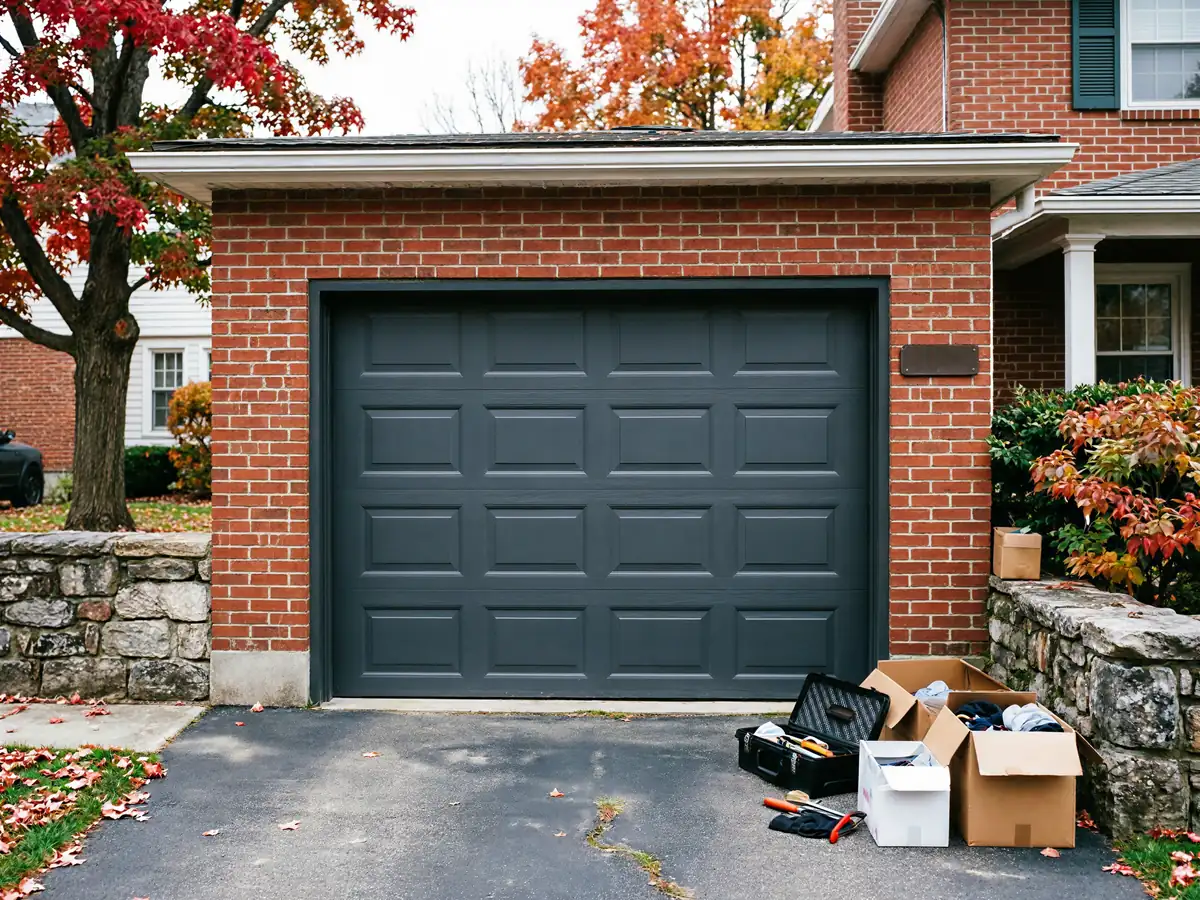
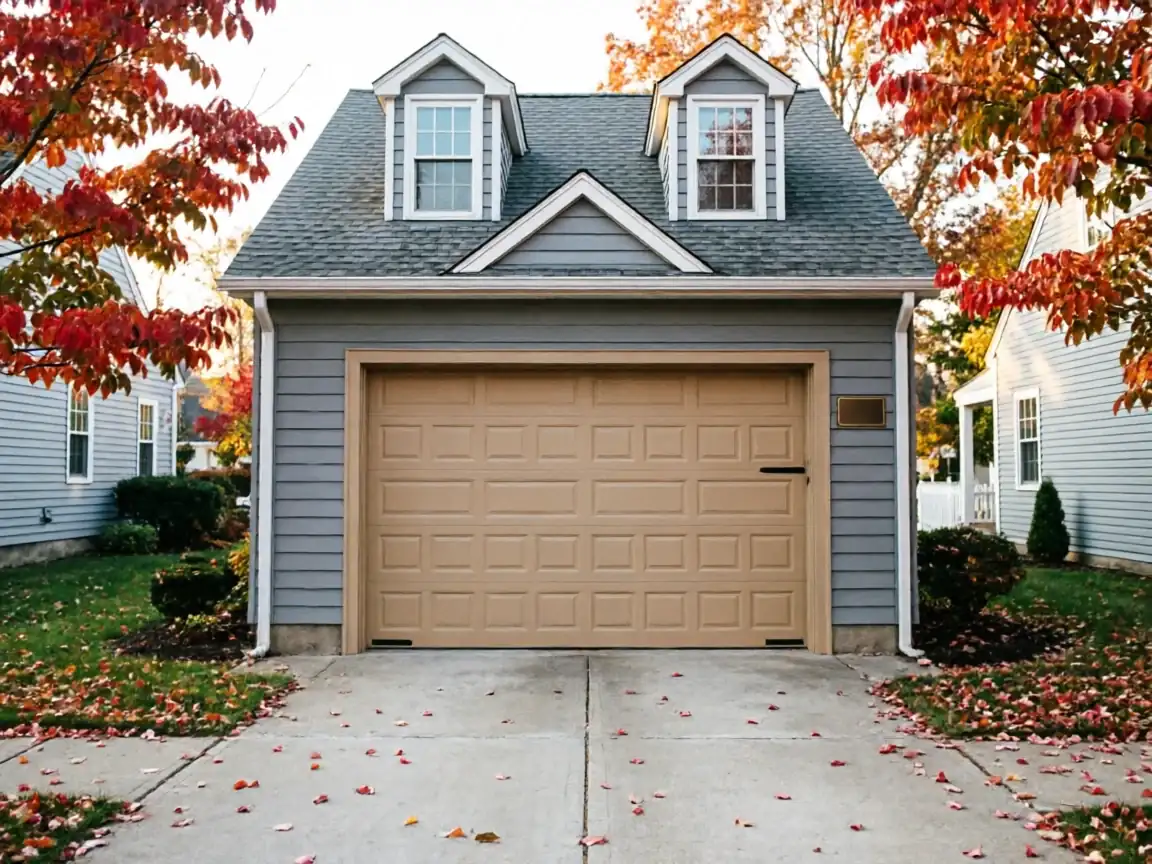
Londonderry's housing stock runs from 1938 up through 1996
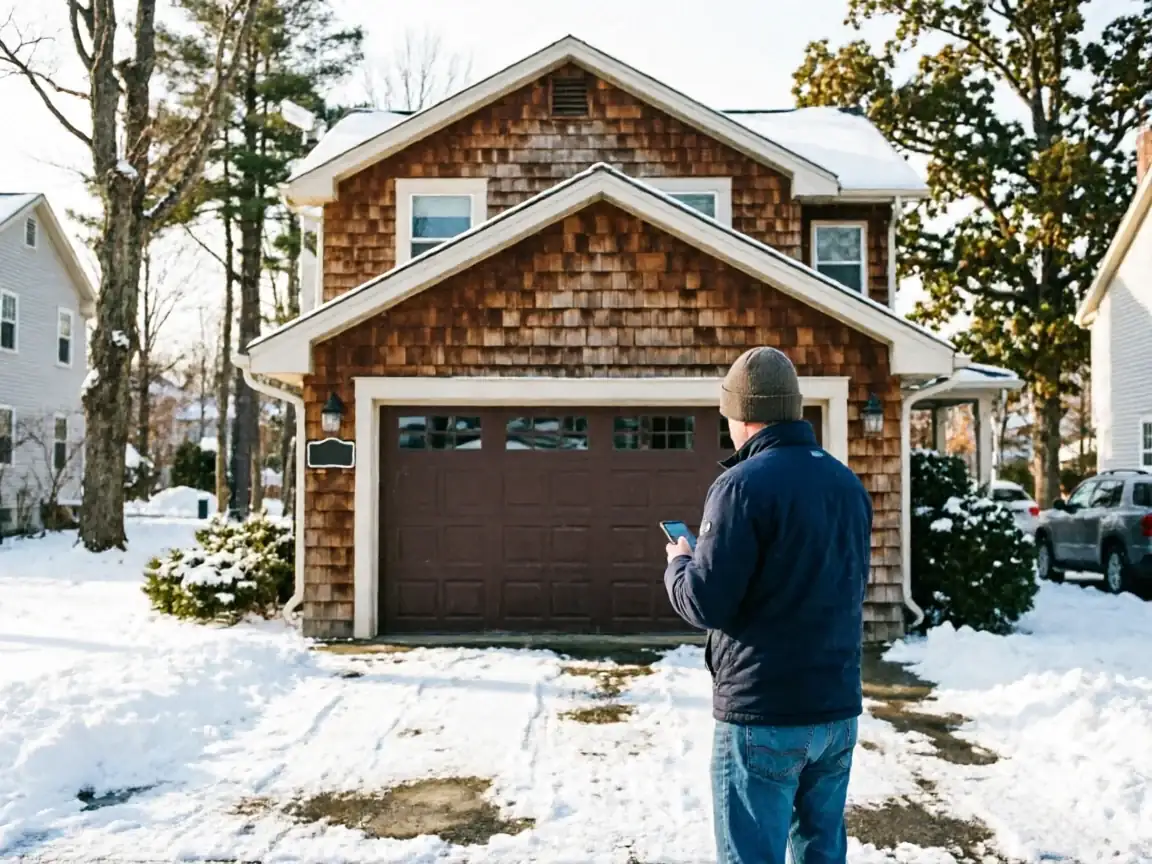
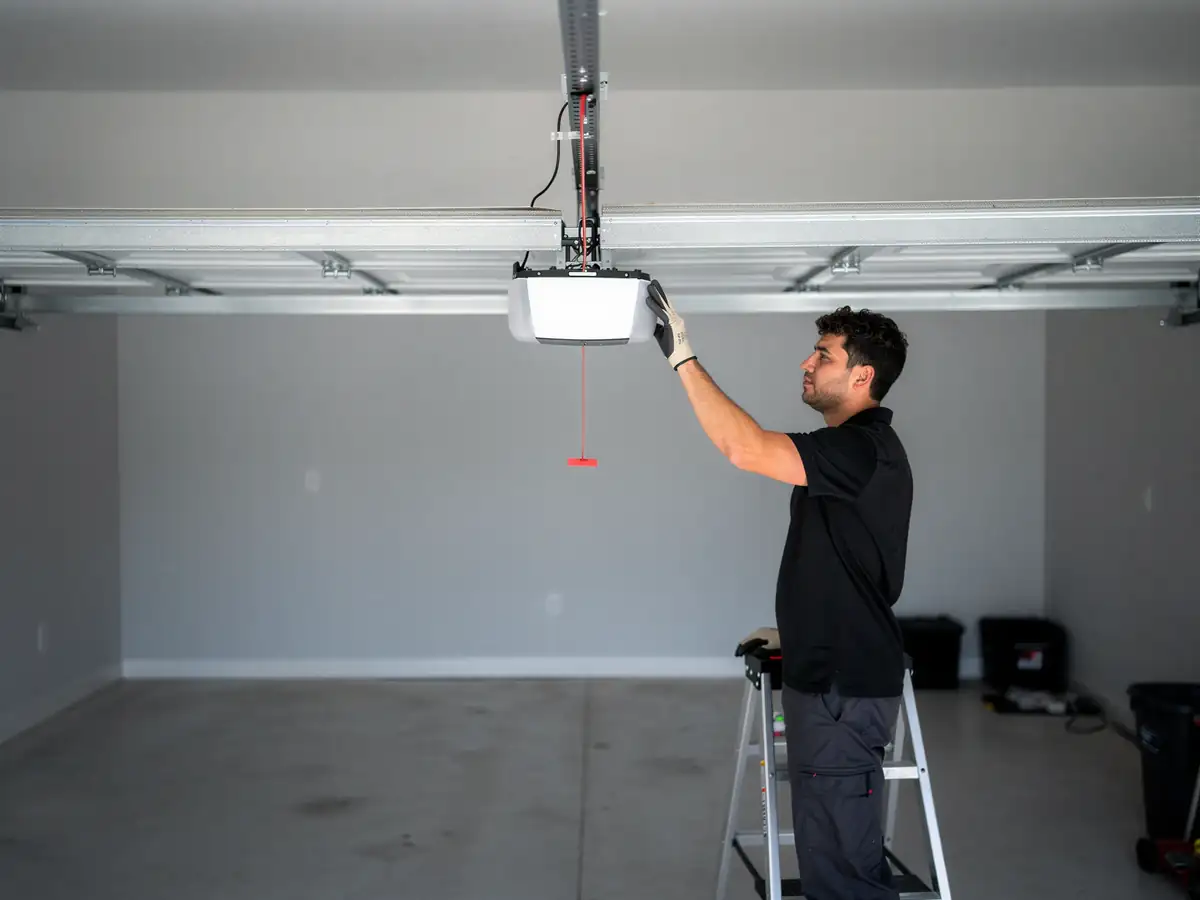
With the median build year sitting in 1982 and most of the neighborhoods dating to the 1980s and 90s. That matters for a service call because it tells us what we're going to find before the truck even pulls in. A door on a house built in 1985 usually still has its original torsion spring setup and a builder-grade opener that's been swapped once, maybe twice. A door on a 1990s build might have the early chain-drive openers that were standard then, paired with galvanized track that's held up fine but is due for a hardware check.
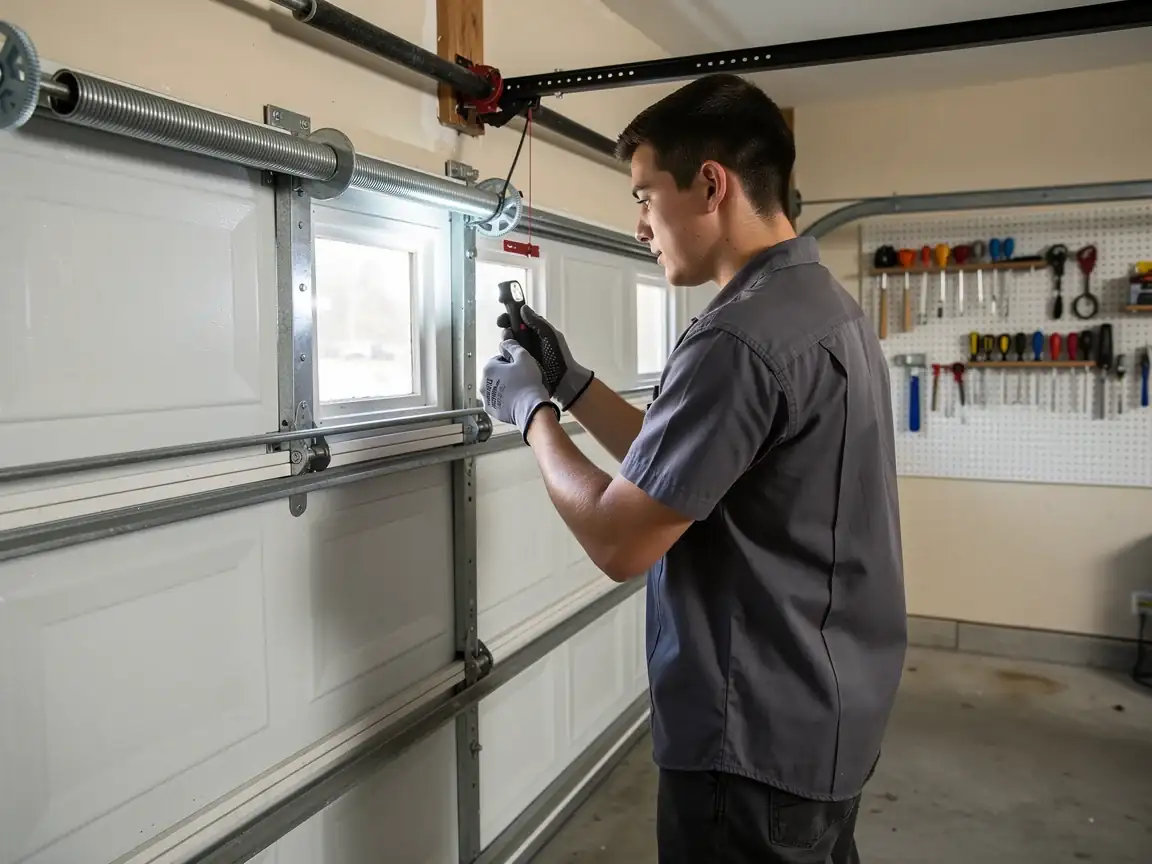
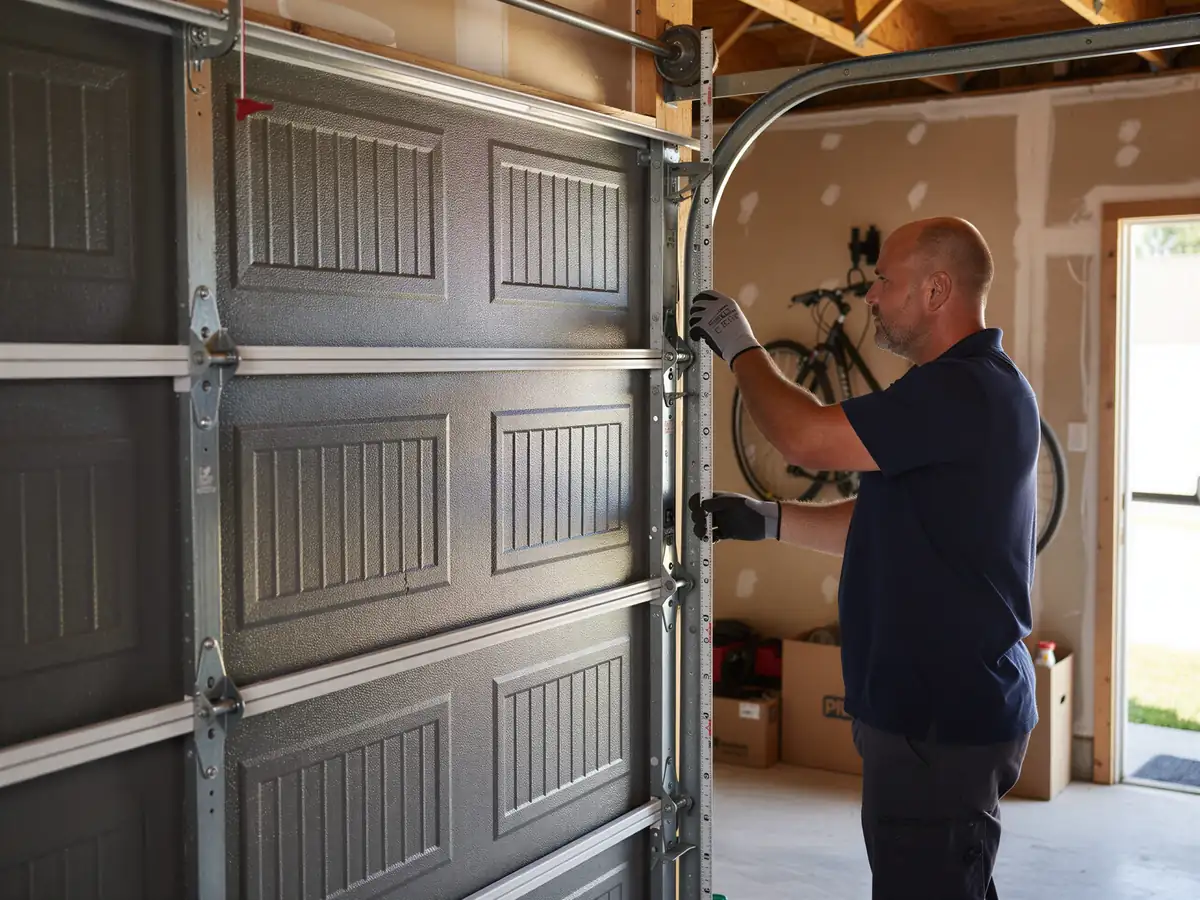
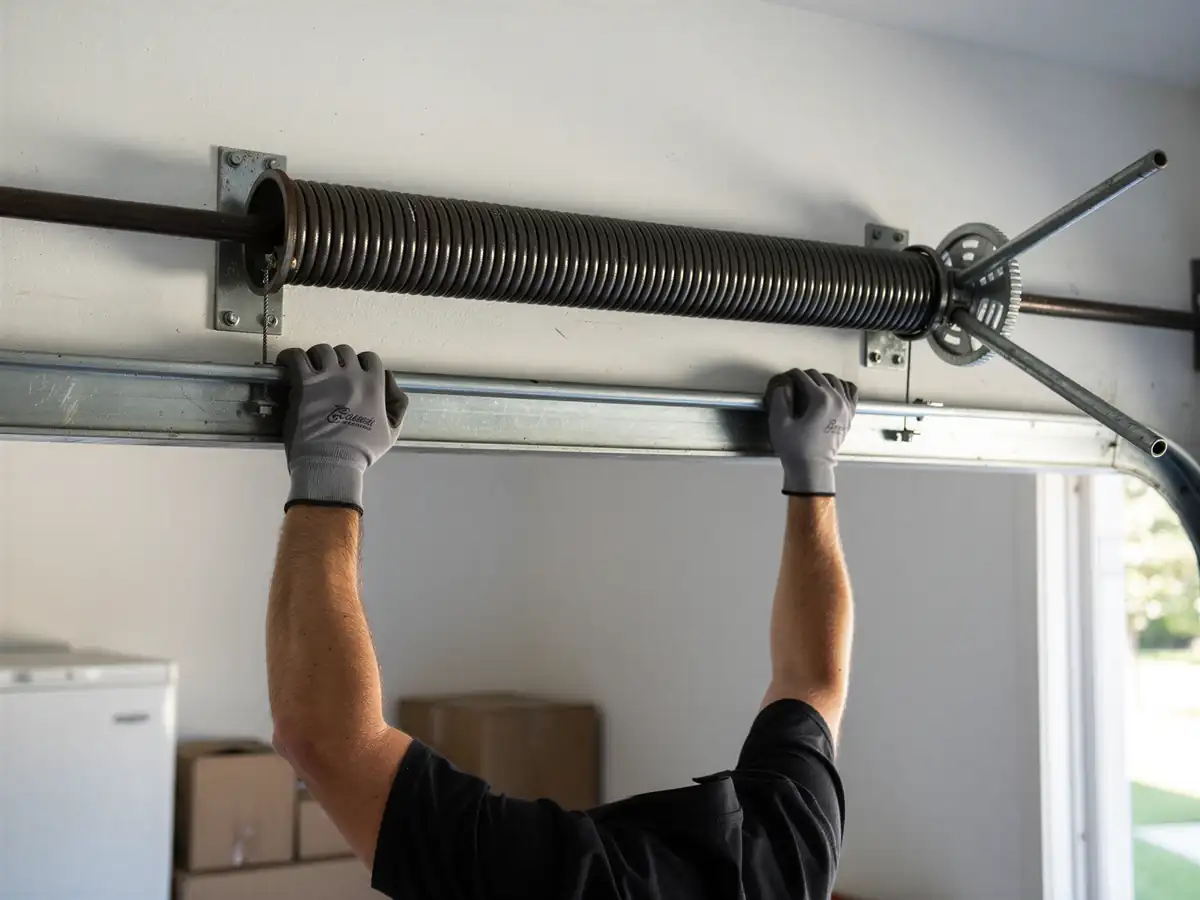
A real service call starts with the spring and cable
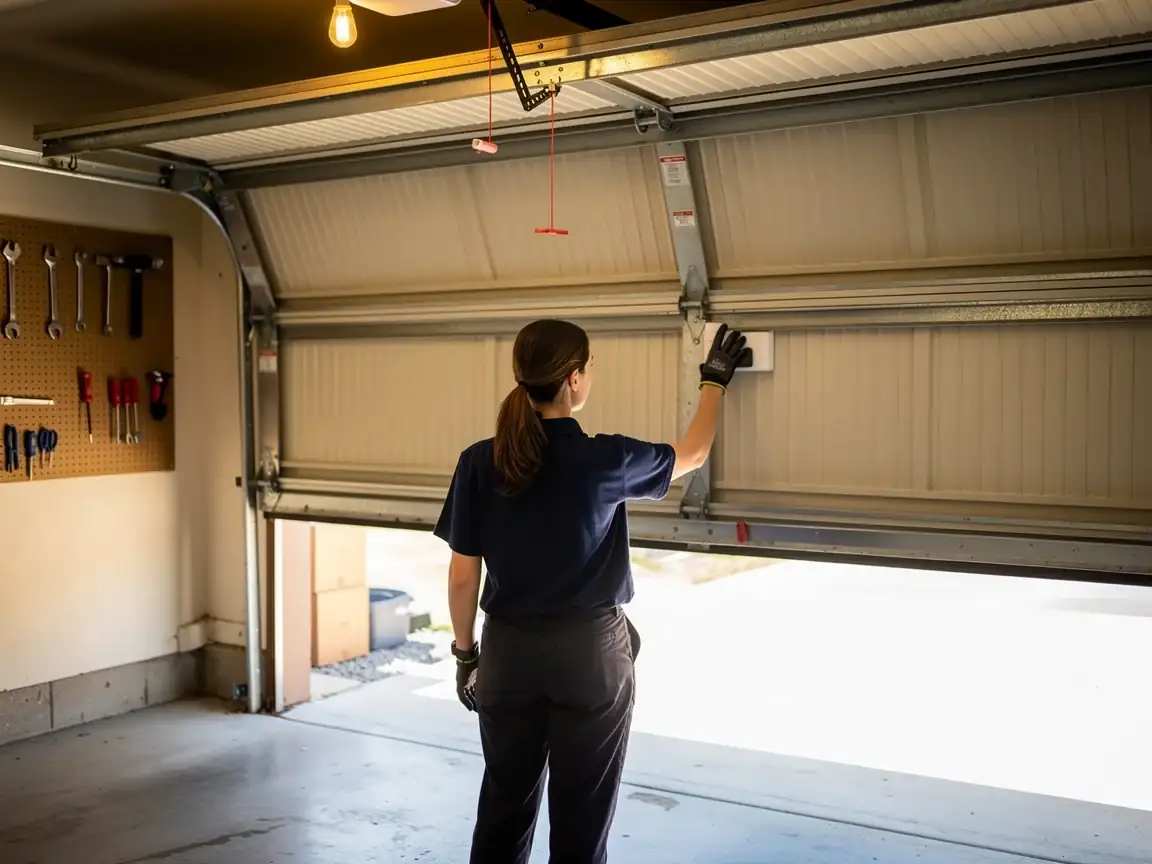
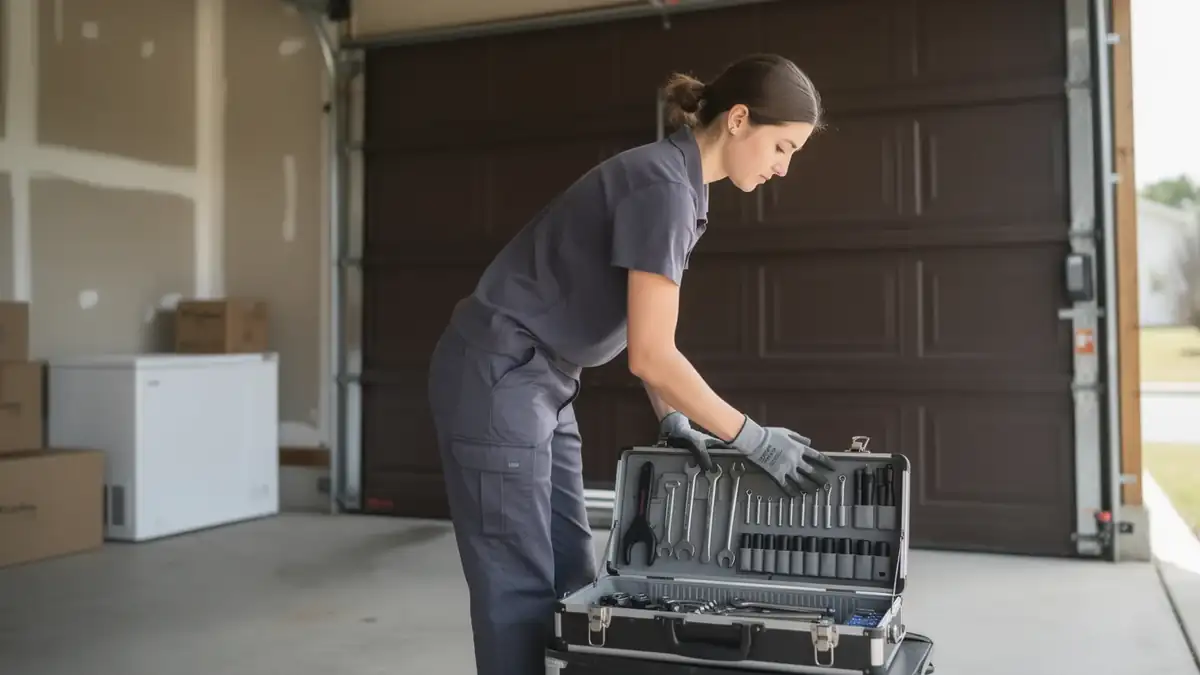
Because that's the part under constant tension and the part that fails without warning. From there we check the track alignment, the rollers, the bottom seal, and the opener's force settings. We're not guessing at what's common - across this service area of 55,192 households, 34,548 of them are owner-occupied houses, and a large share of those calls trace back to the same handful of parts: springs, rollers, and seals that are original or close to it.
- 55,192 households
How Local Conditions Play In
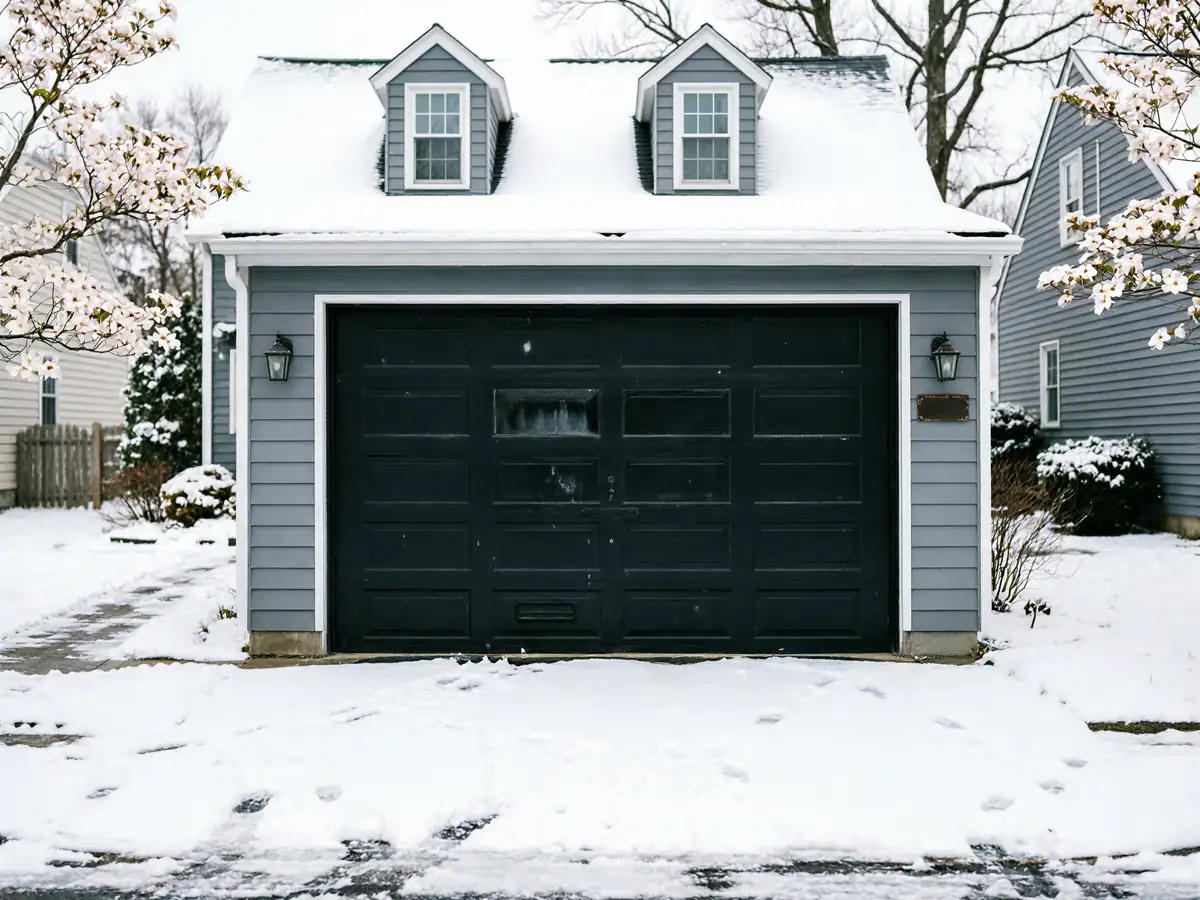
Londonderry sits in a climate band classed as cold and severe, and that shows up directly in what breaks and when. Cold doesn't just slow a door down - it changes how steel and rubber behave. A torsion spring that's fine in September can lose enough tension by January that the opener strains against it every single cycle, which is how a spring that was merely old becomes a spring that snaps on a Tuesday morning.
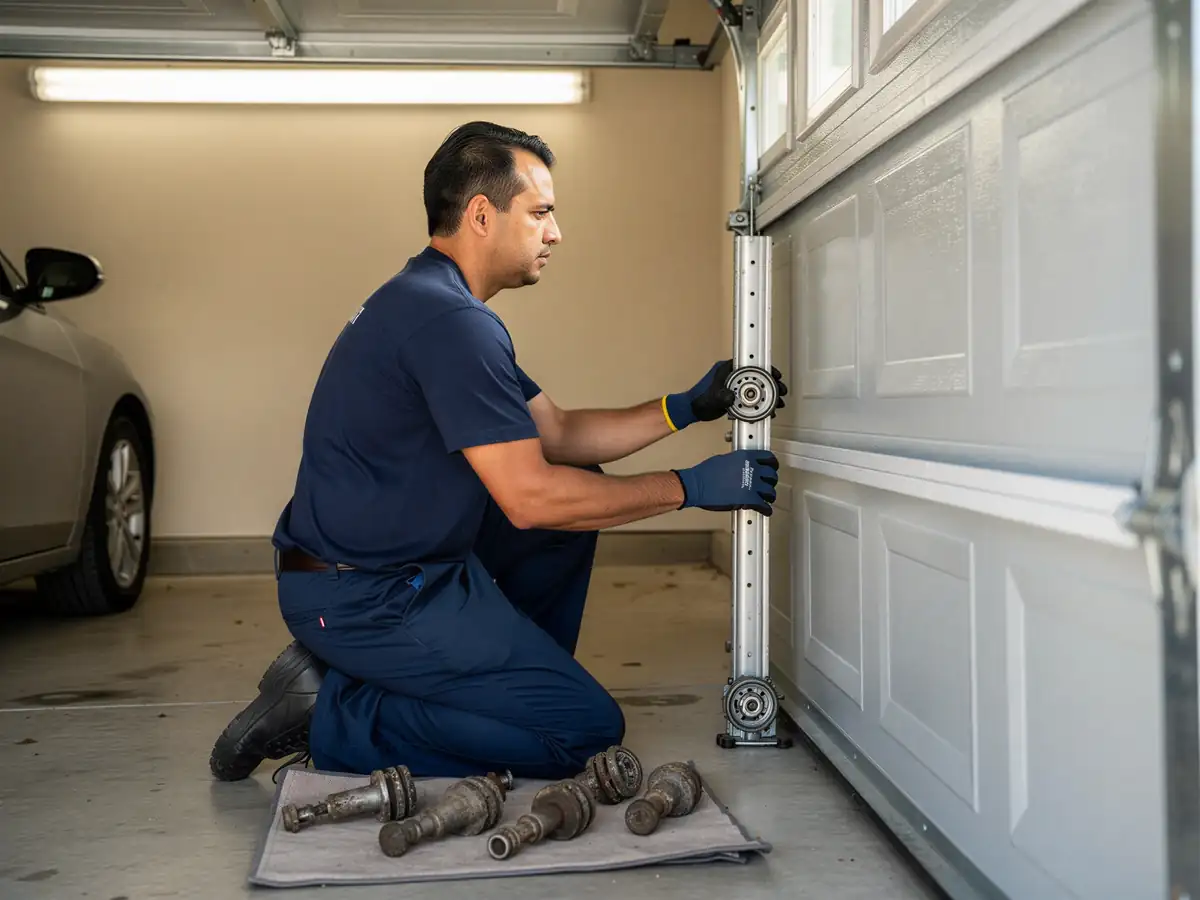
The bottom seal is the other piece that takes a beating. On houses from the 1980s and 90s building boom here, the original seal track is often narrower than what's sold today, so a straight swap isn't always possible - we measure before we quote one. Rollers are the third wear point: nylon rollers that were fine for a decade start to flat-spot and bind once the cold sets in, and that binding is what makes an opener's gears strip early.
We don't treat a winter call the same as a June call. In winter we check the spring tension first, because that's the failure that hurts someone. In warmer months we spend more time on alignment and lubrication, since the door isn't fighting contraction and expansion the same way.
What It Costs
We're not going to put a number here that we can't back up - we don't have a published price list to point to in this piece, and quoting a figure we can't stand behind does nobody any good. What we can tell you is what drives the cost: whether the part is a stock size or a special order, whether the spring is a single or double door width, and whether the opener's circuit board needs replacing or just the gear kit.
Housing stock age plays into this more than people expect. A door built to 1980s or 90s specs sometimes takes hardware that current suppliers don't stock on the shelf, which means a short wait on a part instead of a same-day fix. That's a real limitation, not a sales pitch - if your track or spring size is one of the older, less common fits, we'll tell you up front instead of promising a same-visit repair we can't deliver.
The honest version is this: most calls are a spring, a roller set, or a seal, and those are routine. The ones that run longer and cost more are openers with fried logic boards or track that's been bent enough to need full replacement, not just realignment.
The Seasonal Bit
Because Londonderry's winters land in the severe cold band, the calls cluster
Early winter brings spring failures as the metal contracts and loses the tension it had in warmer months. Mid-winter brings seal and roller complaints, since a door that's binding on a cold roller puts extra strain on the opener every time it runs. By late winter, we're seeing openers that have been quietly overworking for weeks finally give out.
Spring and fall are when we recommend the checks nobody schedules on their own
Track alignment, lubrication, and a look at the spring's wind before it's under stress again. Houses built in the main wave here, through the 1980s and into the 90s, are now old enough that original hardware is reaching the end of a normal service life, not because anything was built poorly, just because thirty-plus years of cold-season cycling wears parts down.
If you own one of the owner-occupied houses that make up most of this area's housing, the pattern holds
The door that's never been serviced is the one most likely to fail on the coldest morning of the year, not the mildest.