Stocked Parts
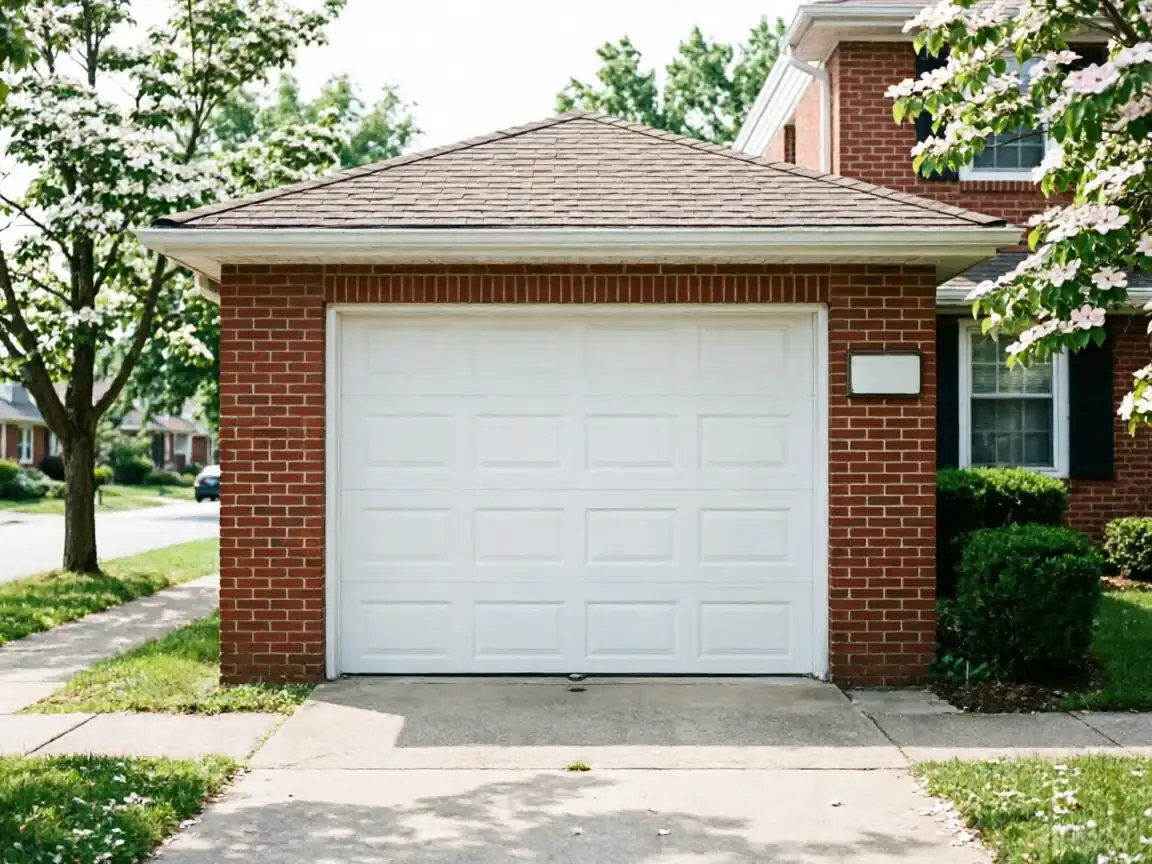
Most of the panel work we do around here involves steel sectional doors built to fit openings framed between the late 1930s and the mid-1990s
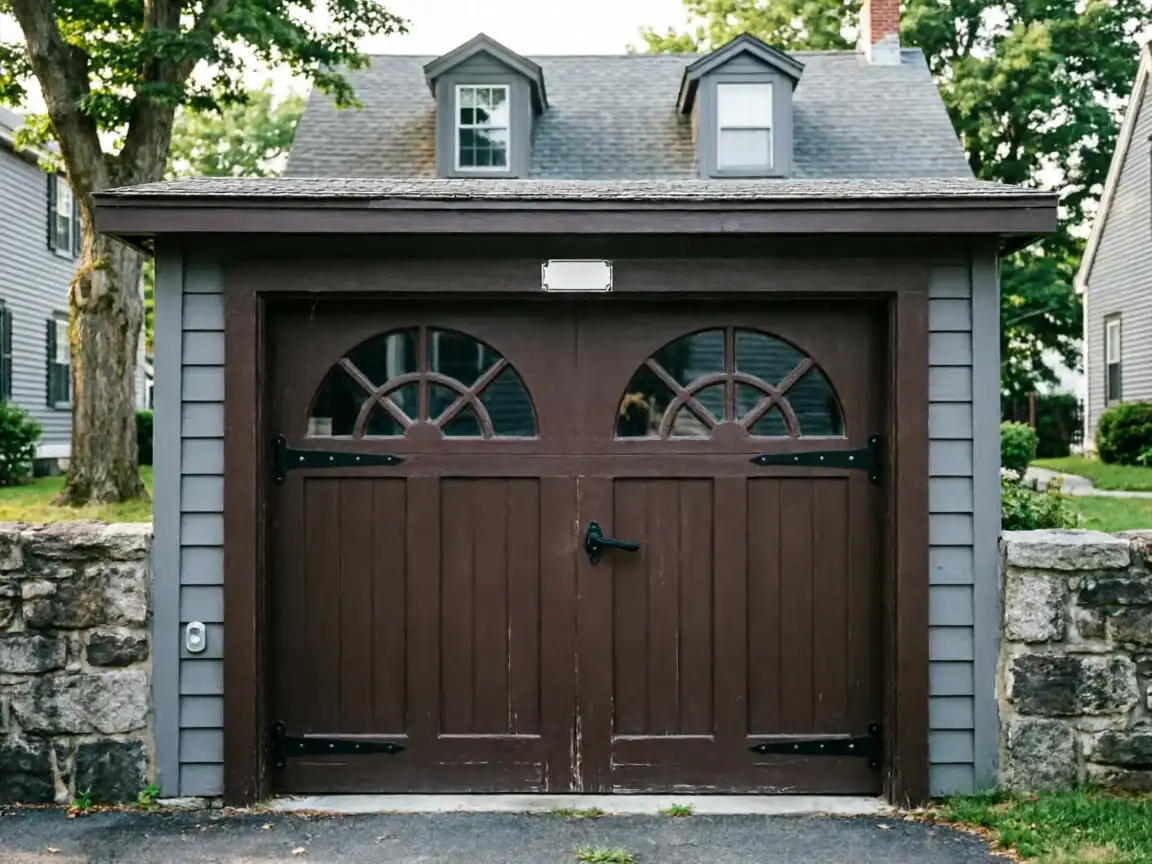
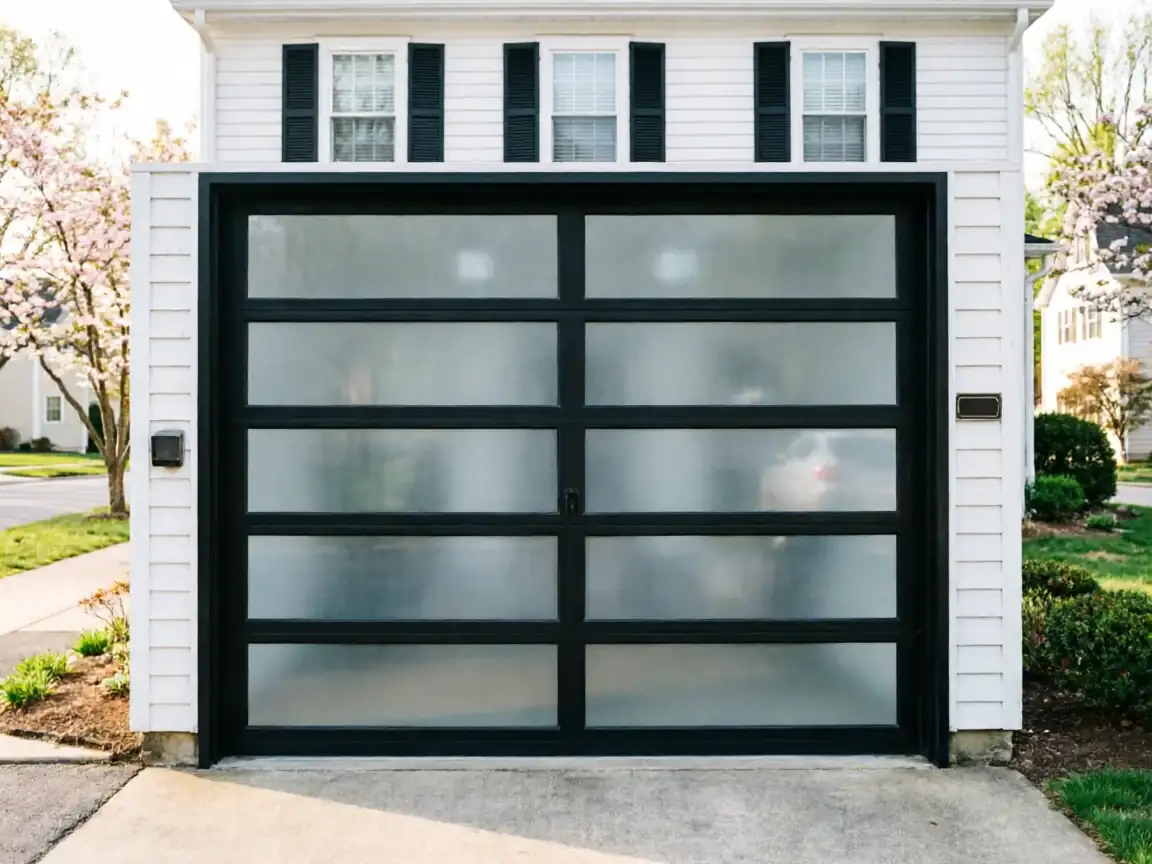
With the bulk of the stock dating to the 1980s and 90s. That means we carry sections in the standard raised-panel and flush styles sized for those openings, plus the end stiles, hinges, and struts that bolt to them. What we don't keep on the truck is anything custom-width or a style that stopped shipping years ago - if your door is an odd size or a discontinued pattern, we order the section and tell you the lead time up front rather than guess at a fit.
Color match is the other thing people ask about
A single replacement panel on a faded door almost never matches perfectly, even with the right paint code, because UV fade is uneven across the whole door. We'll tell you that before we order, not after you're looking at the seam.
For households in the service area
34,548 owner-occupied houses out of 55,192 total households - this is a common enough repair that we keep common panel sizes in inventory rather than special-ordering every job.
- 34,548 owner-occupied
The Symptom
The giveaway is usually a dented or bowed section low on the door, right where a car bumper, a kid's bike, or a wayward basketball makes contact. Sometimes it's a crack running along a seam instead of a dent - that's age and cold doing their work on steel that's flexed one too many winters. You might also notice the door binding or grinding partway through its travel, which tells you the bent section is now catching the track, not just looking bad.
A cracked or split panel on an otherwise sound door is different from a door that's failing all over - loose hinges, rust at every seam, daylight showing at more than one spot. One bad section on a door that still tracks straight and closes tight is a panel job. A door with that many problems at once usually isn't.
Why This Fails Locally
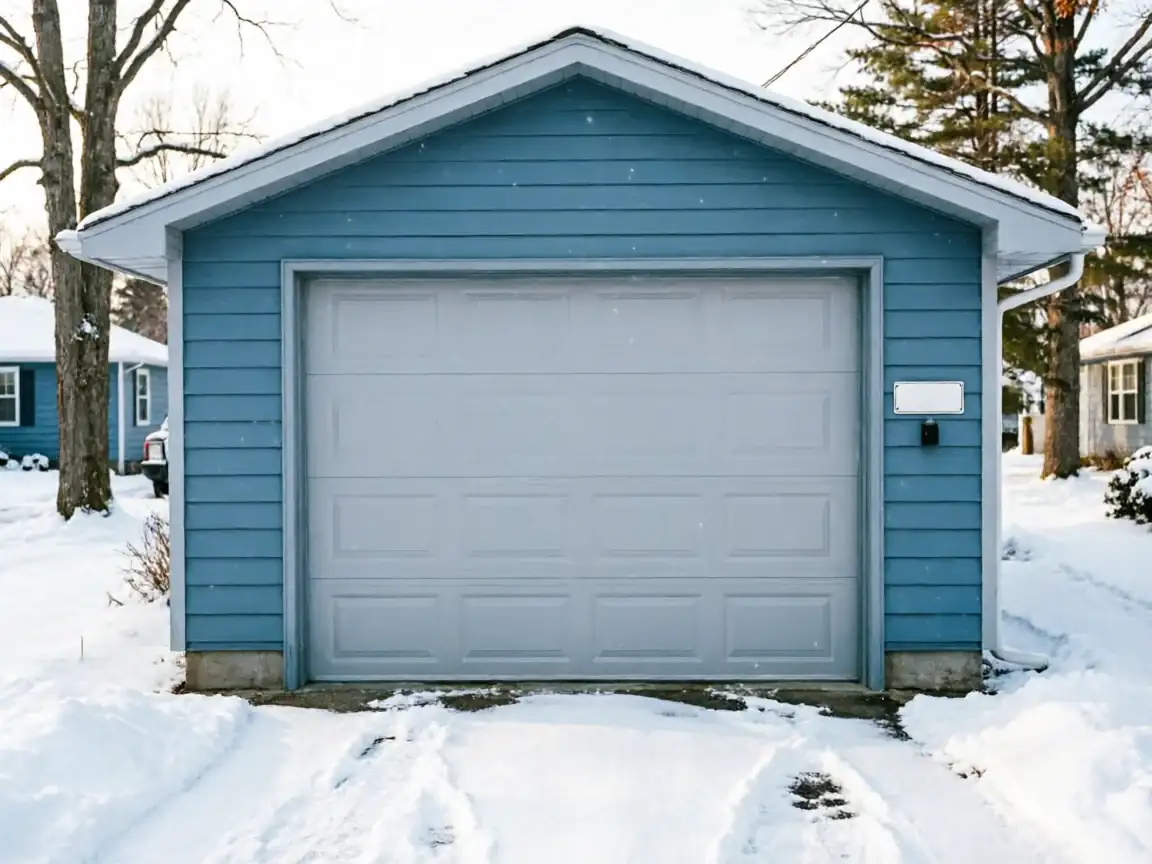
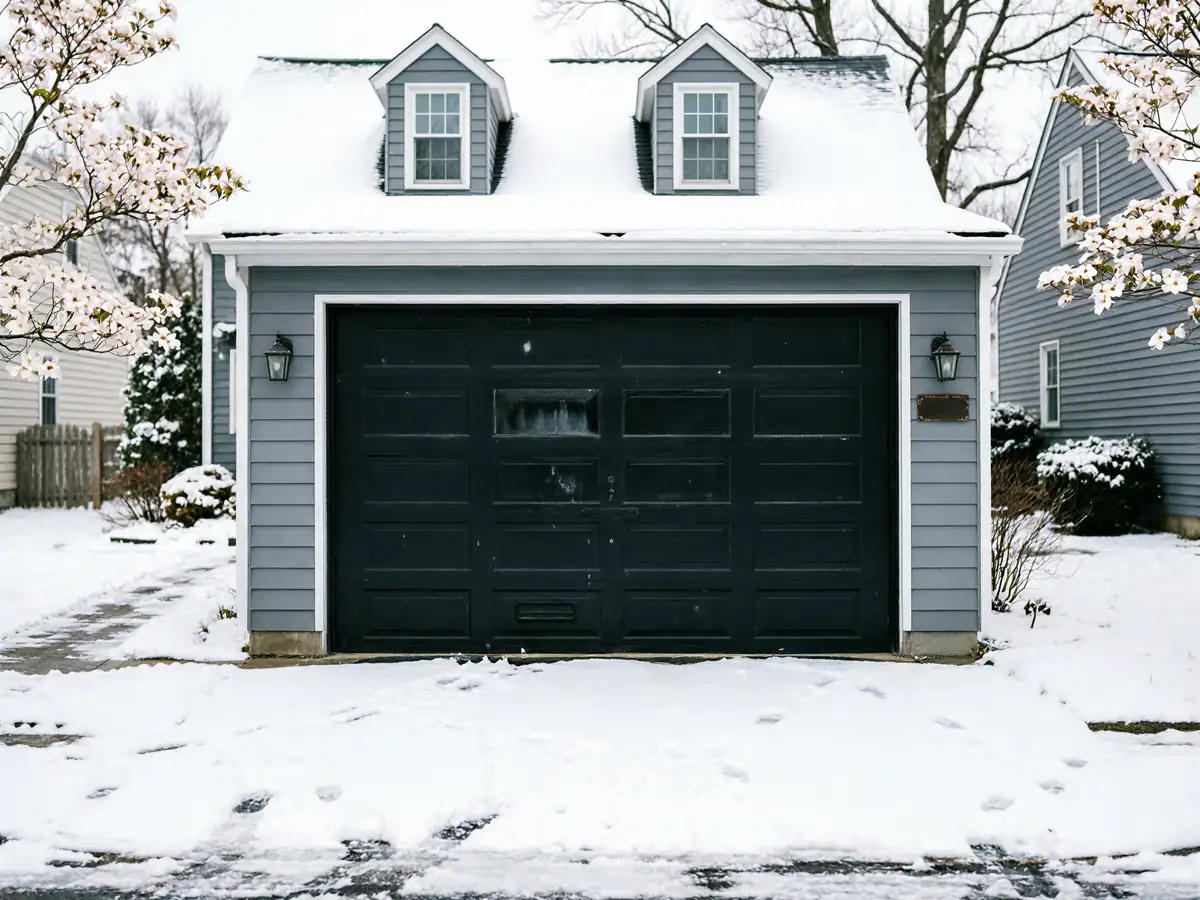
Londonderry's cold-climate rating is the part people don't connect to a dented panel. Steel sections contract in cold weather, and a door that's already carrying a minor dent or a hairline crack from a summer impact will often split wide open the first hard freeze after the damage happens, because the metal has nowhere to flex. That's why panel jobs around here spike after the first real cold snap of the season, not right after the dent happens.
The other factor is simple stock age. With median construction around 1982 and most homes dating from the 1980s and 90s, a lot of these doors are original or close to it - thinner-gauge steel than what's sold today, with less insulation backing to stiffen the panel. A newer door with foam-backed sections shrugs off the same bump that cracks an older one straight through.
What the Fix Involves
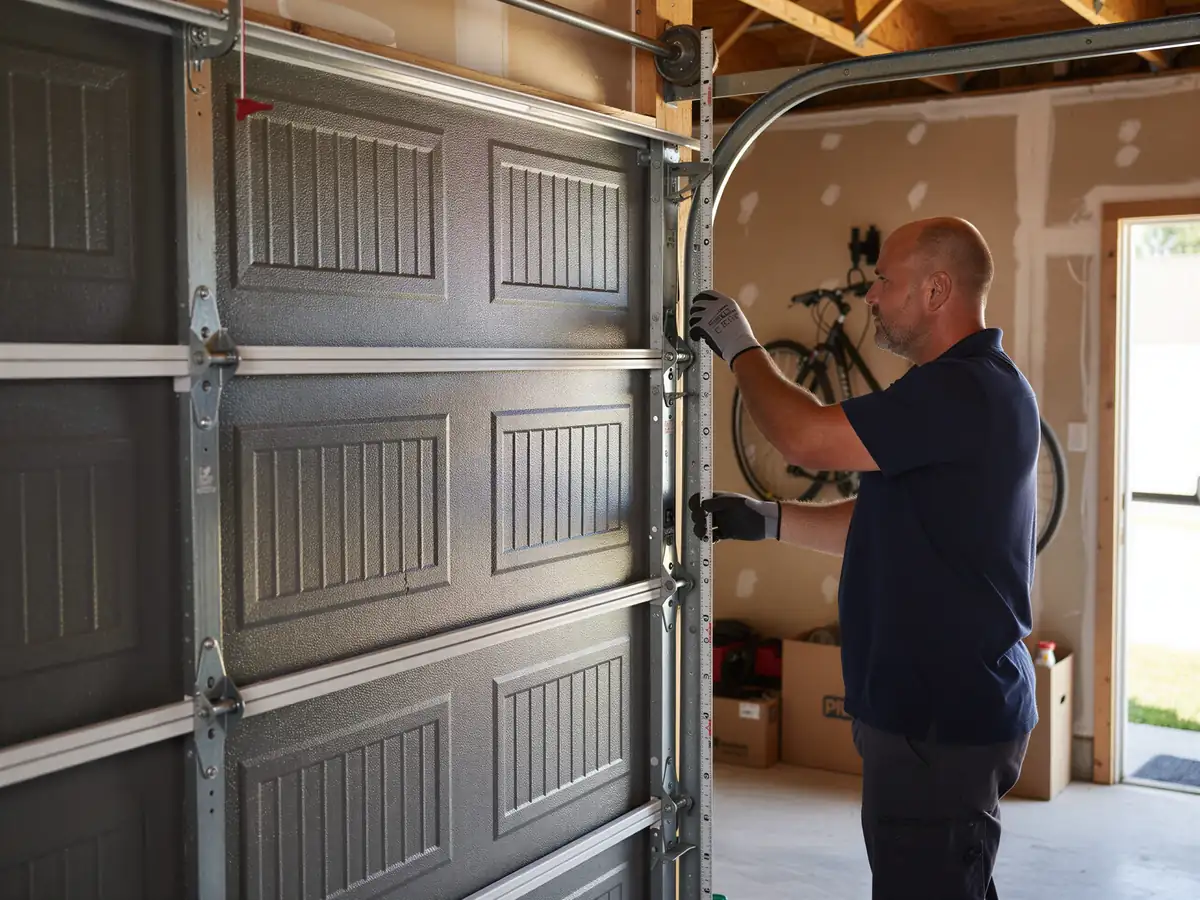
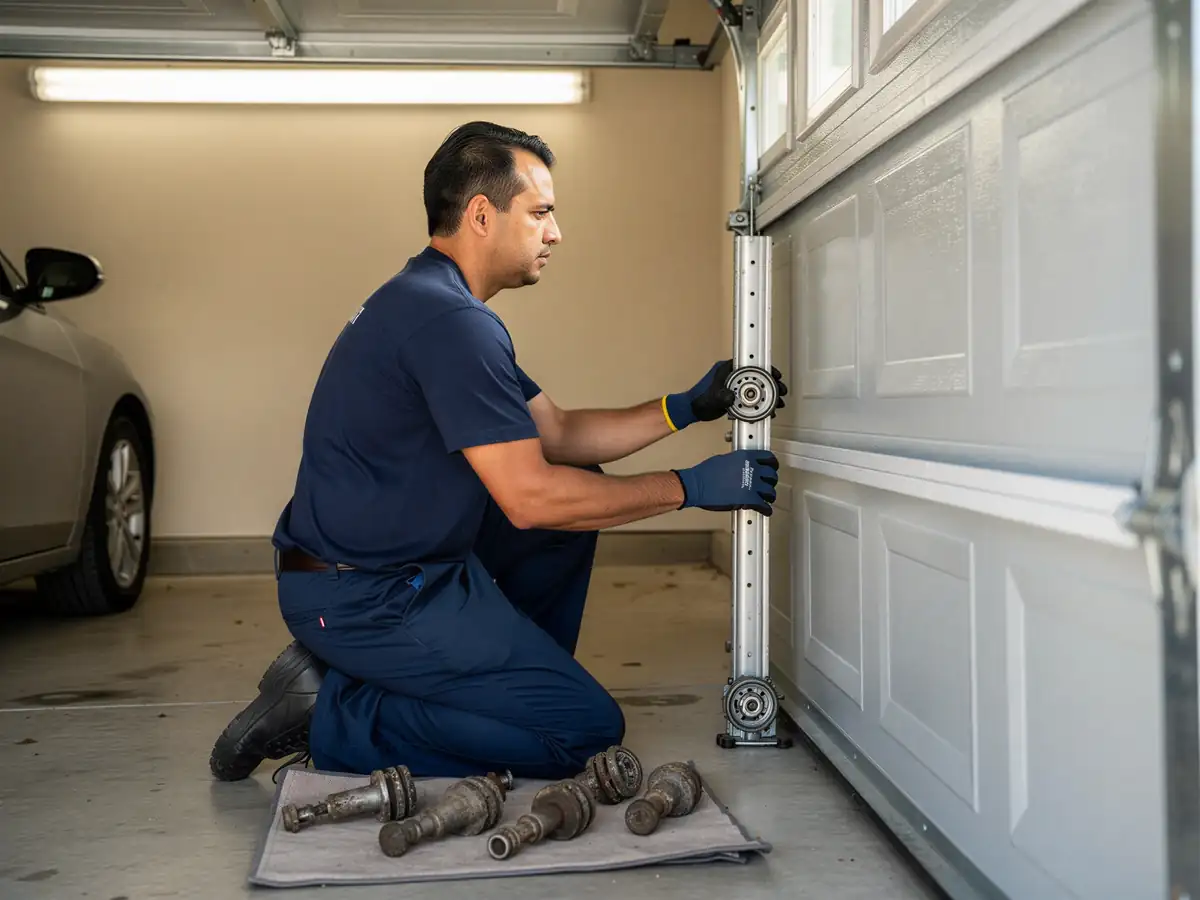
We pull the damaged section, not the whole door, whenever the hinges and track hardware on either side are still sound
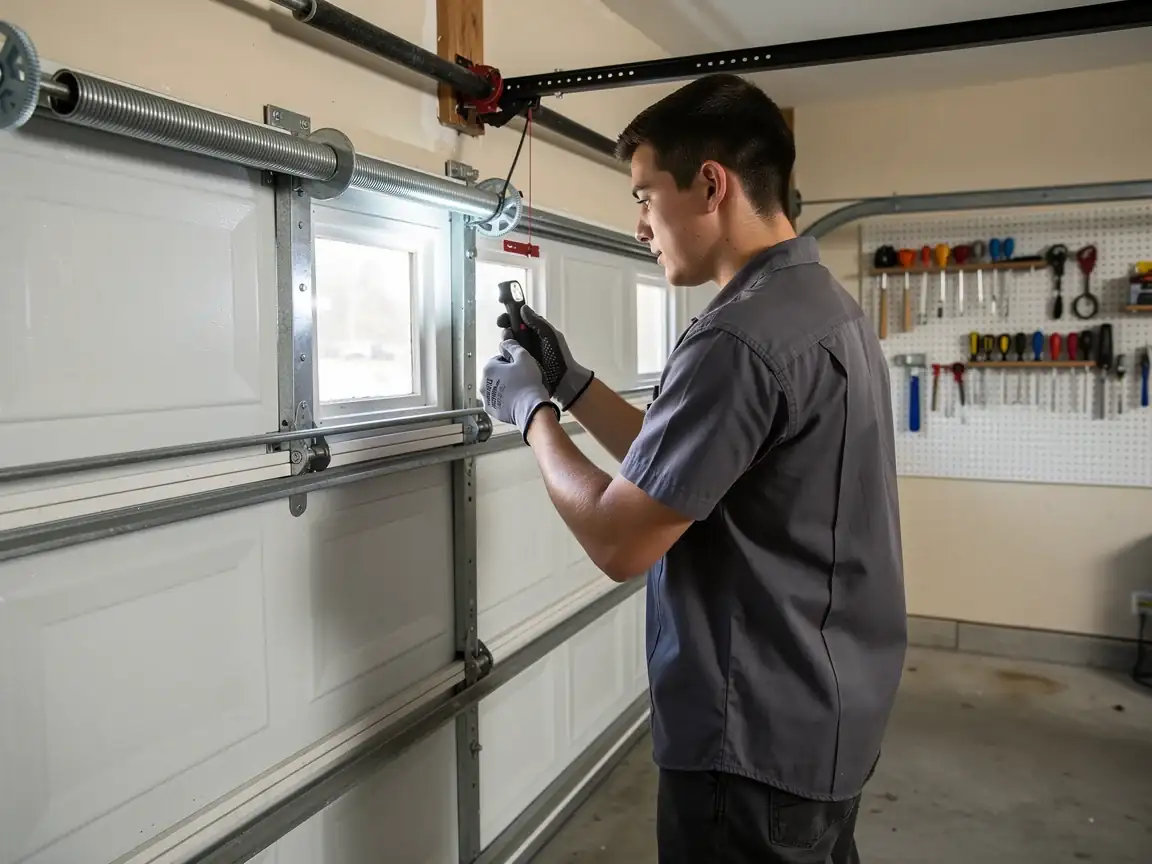
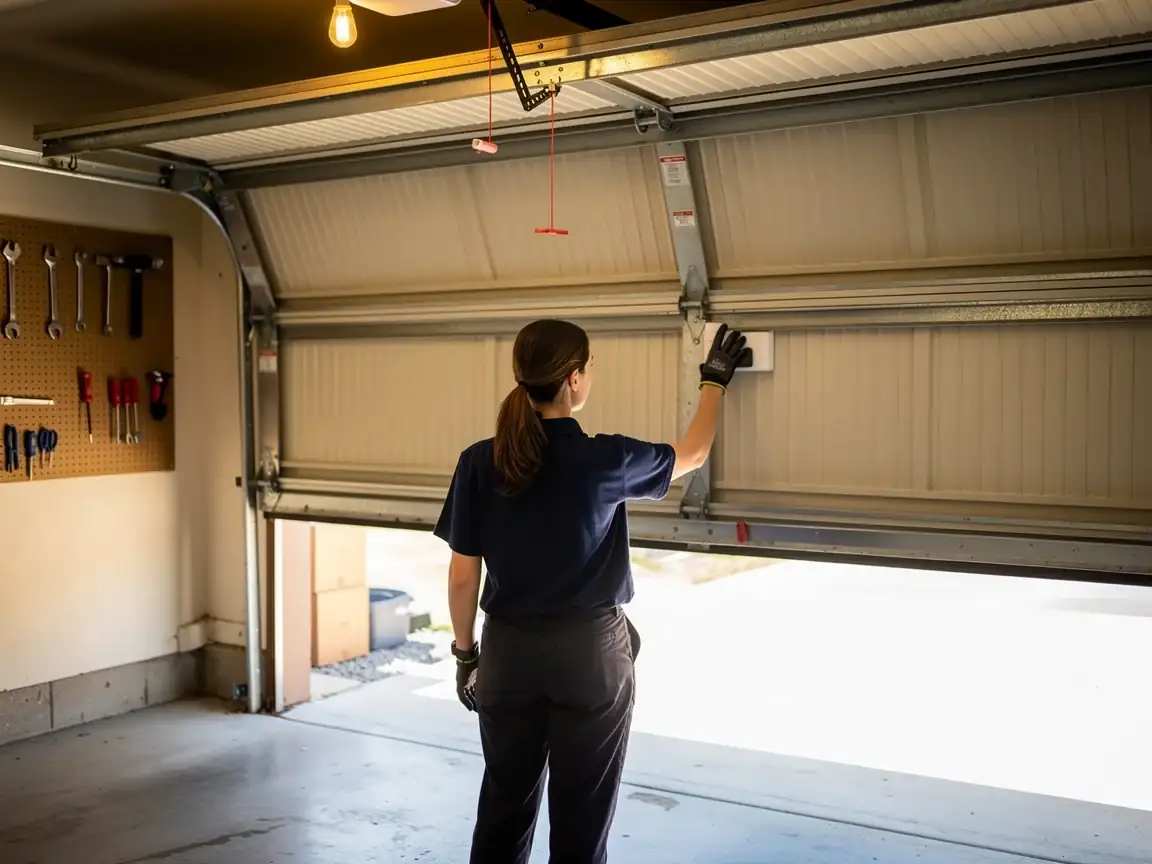
That's the point of a panel replacement instead of a full door swap. The new section gets hinged in using the existing hardware where it still has life left, or new hinges if the old ones are stretched out, then the door gets balanced and run through its full cycle to make sure nothing binds.
If the dent or crack has also tweaked an end stile or bent the track behind it
That gets corrected or replaced in the same visit - a panel that looks straight but sits against a bent track will just re-damage itself. We'll tell you plainly if a door has reached the point where a panel swap isn't worth it: on a door with multiple sections showing age, or hardware that's rusted through, replacement of the whole door is usually the better money.