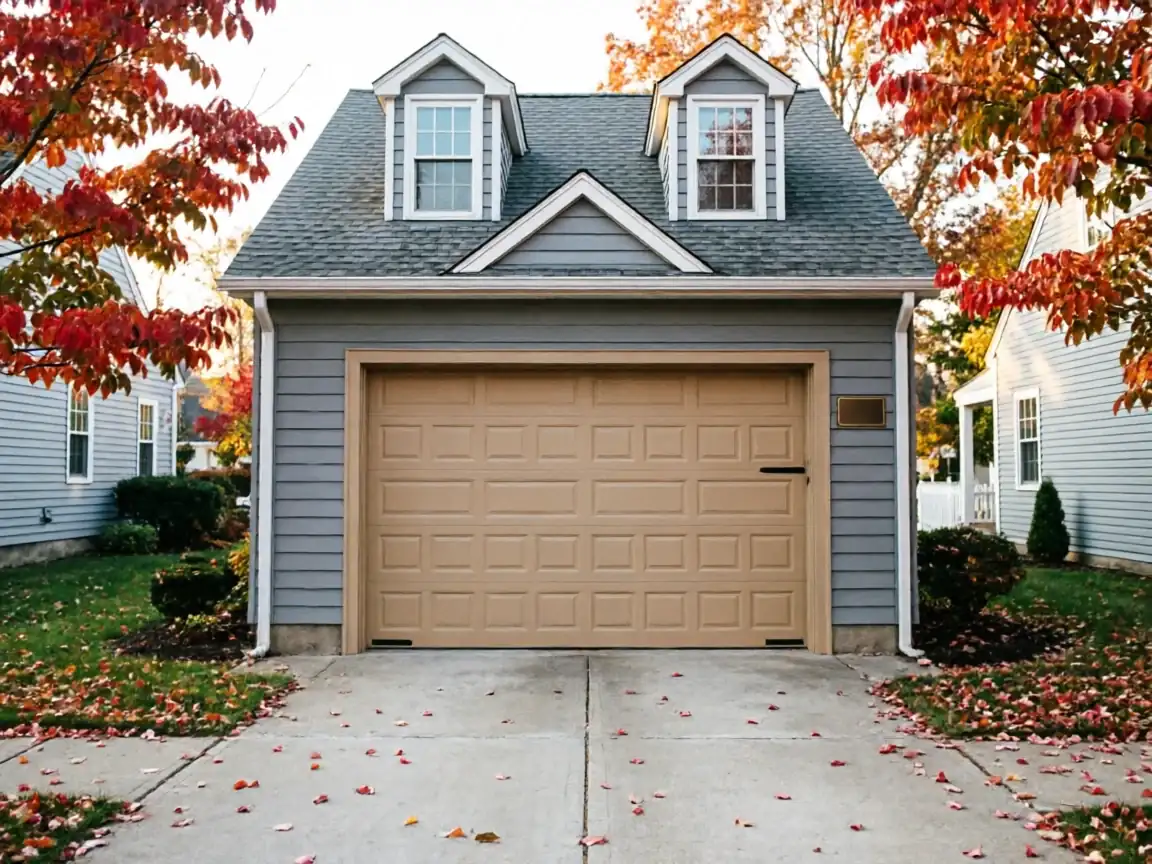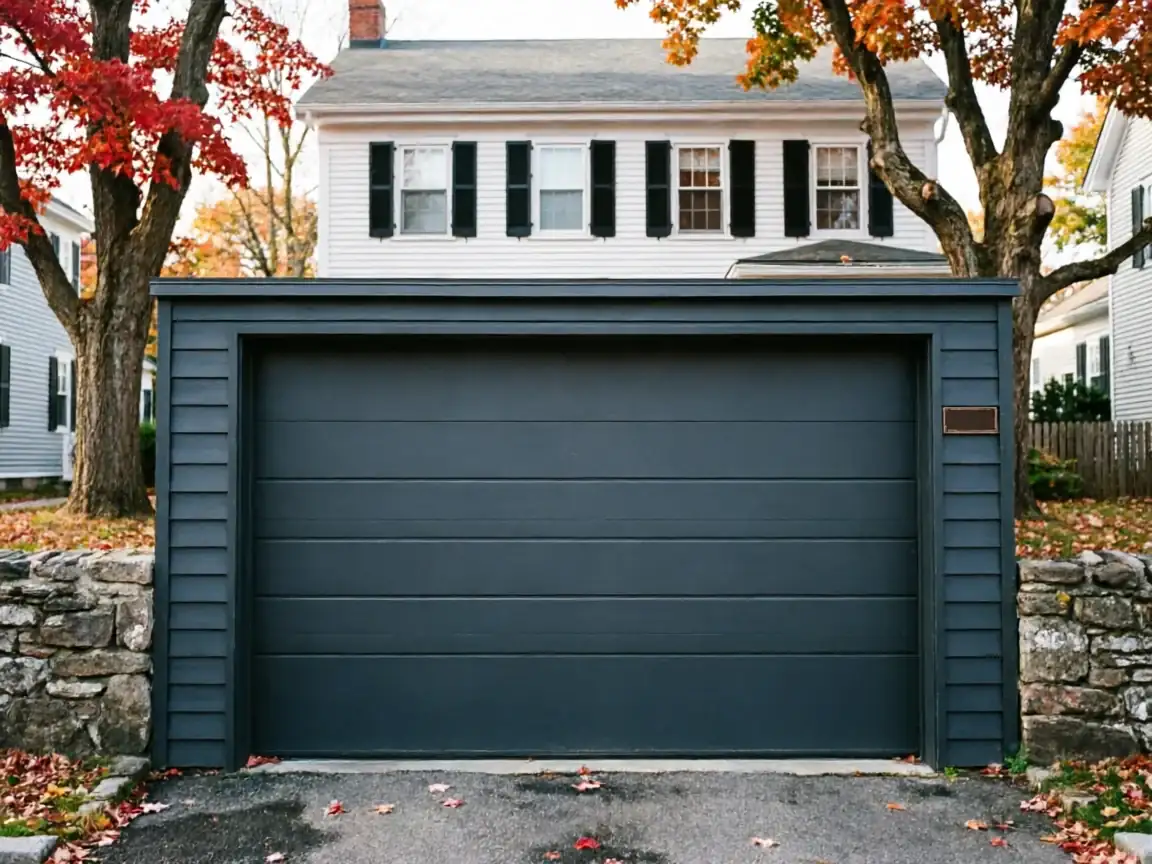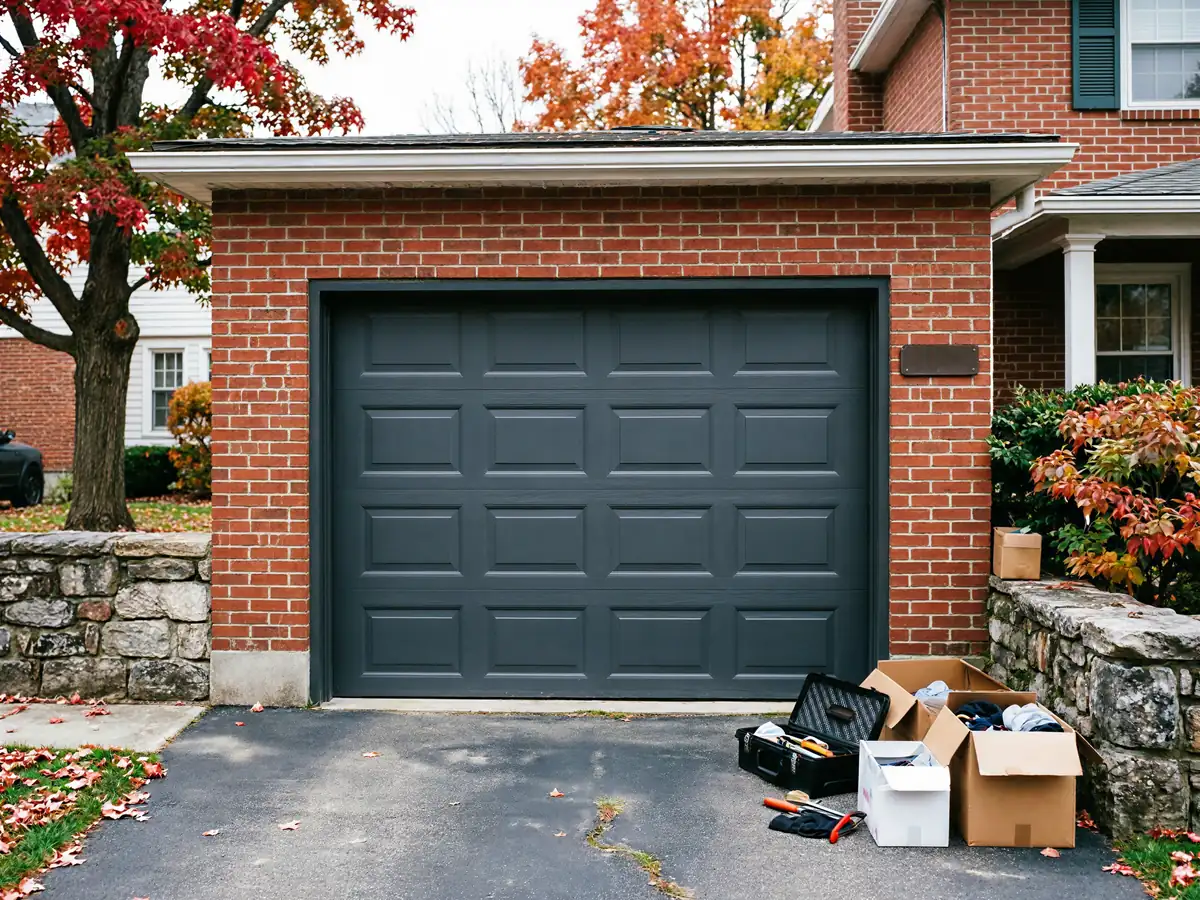
The Symptom
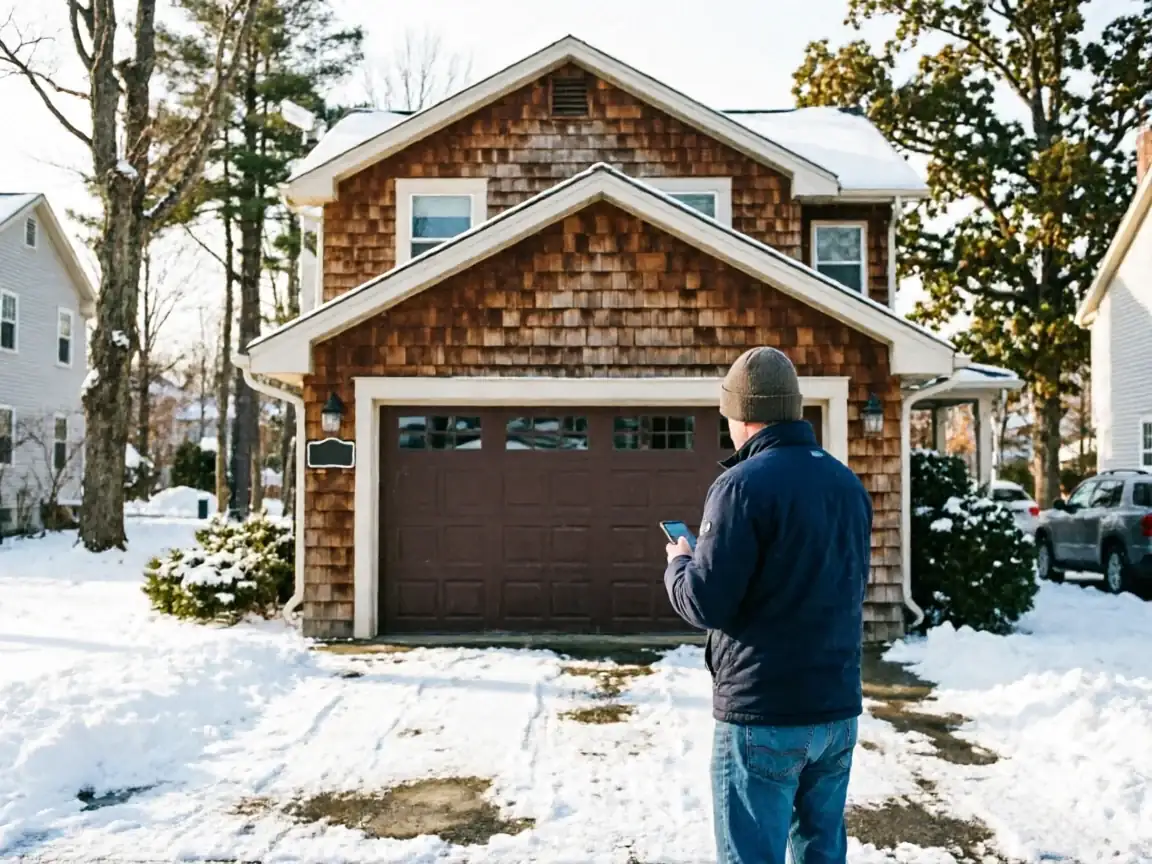
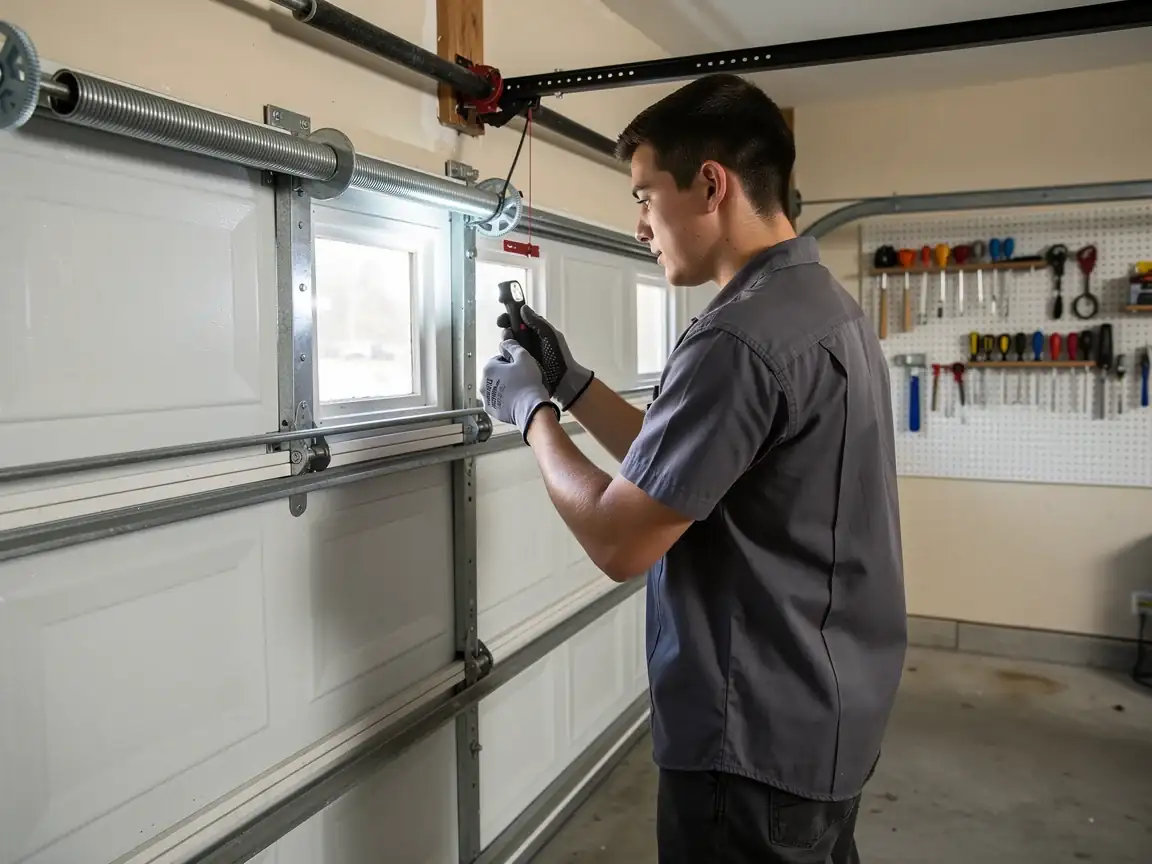
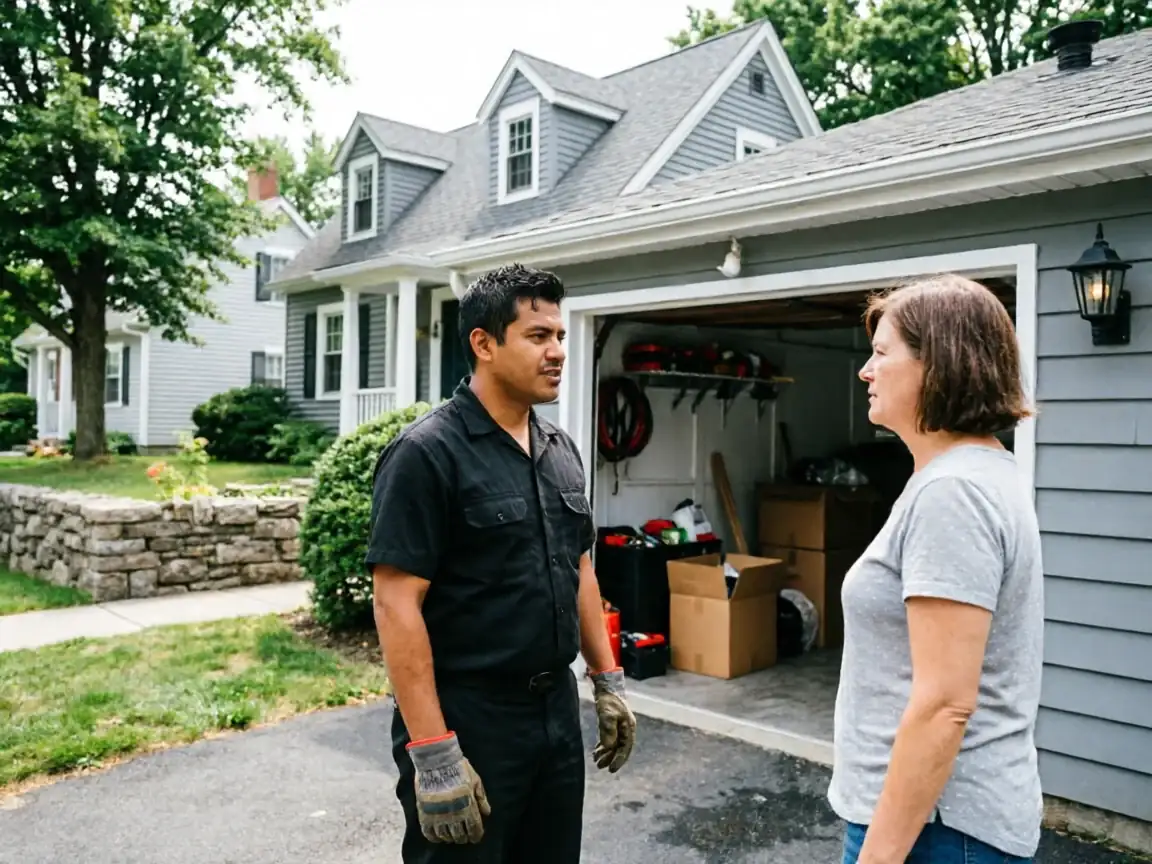
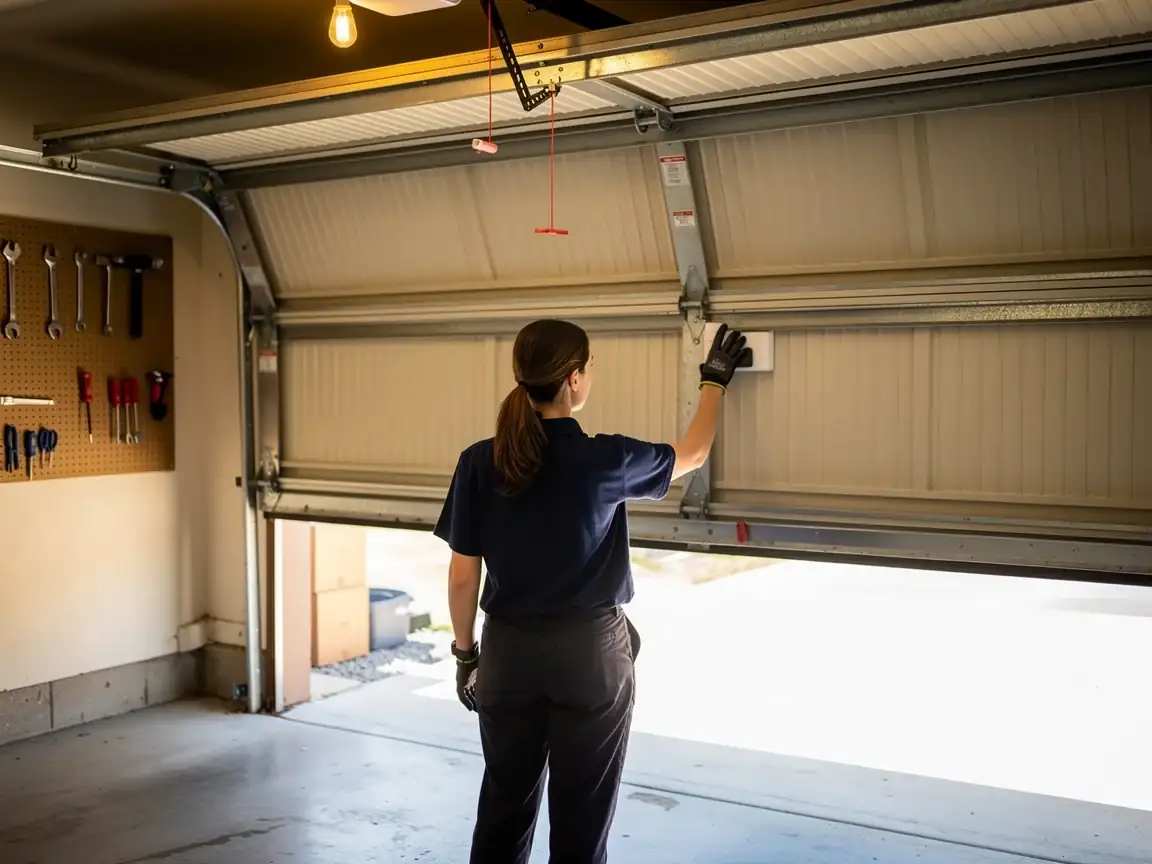
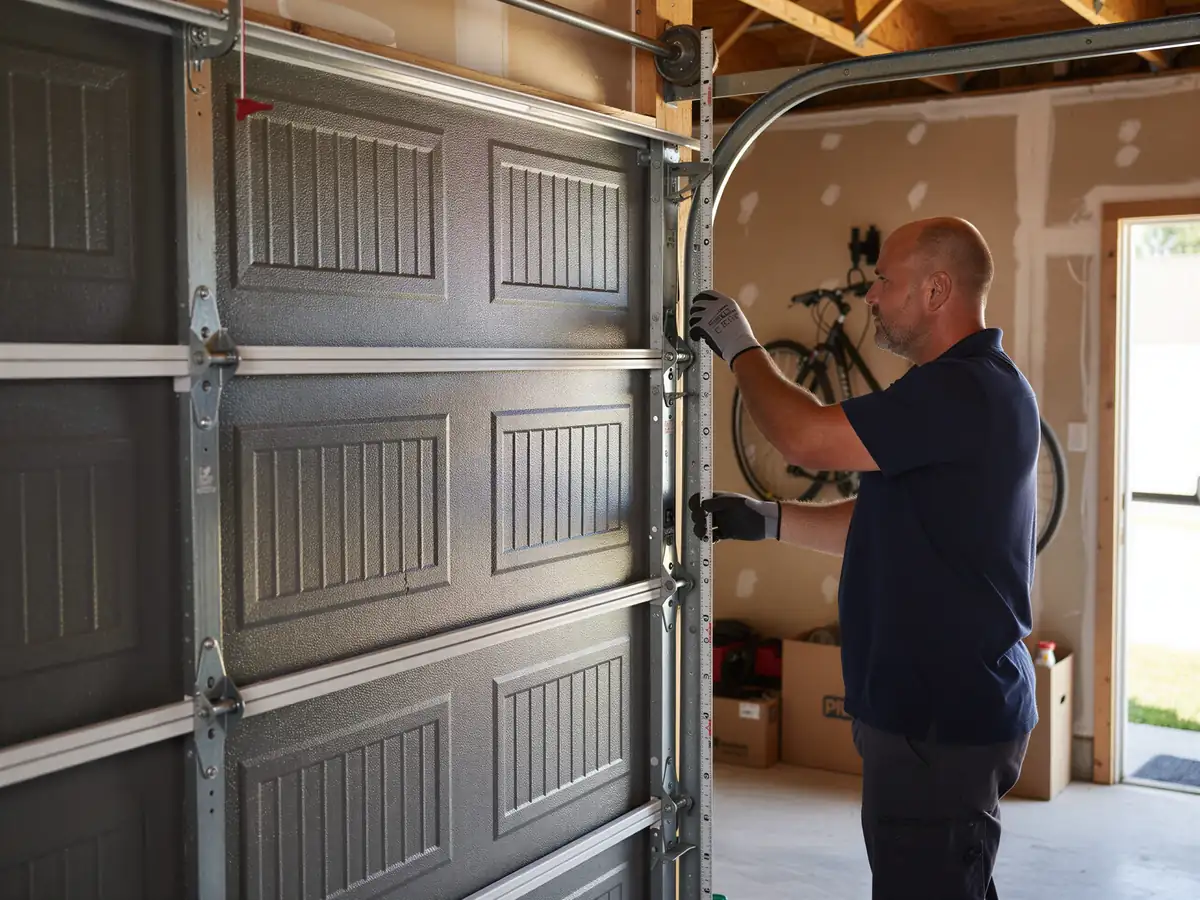
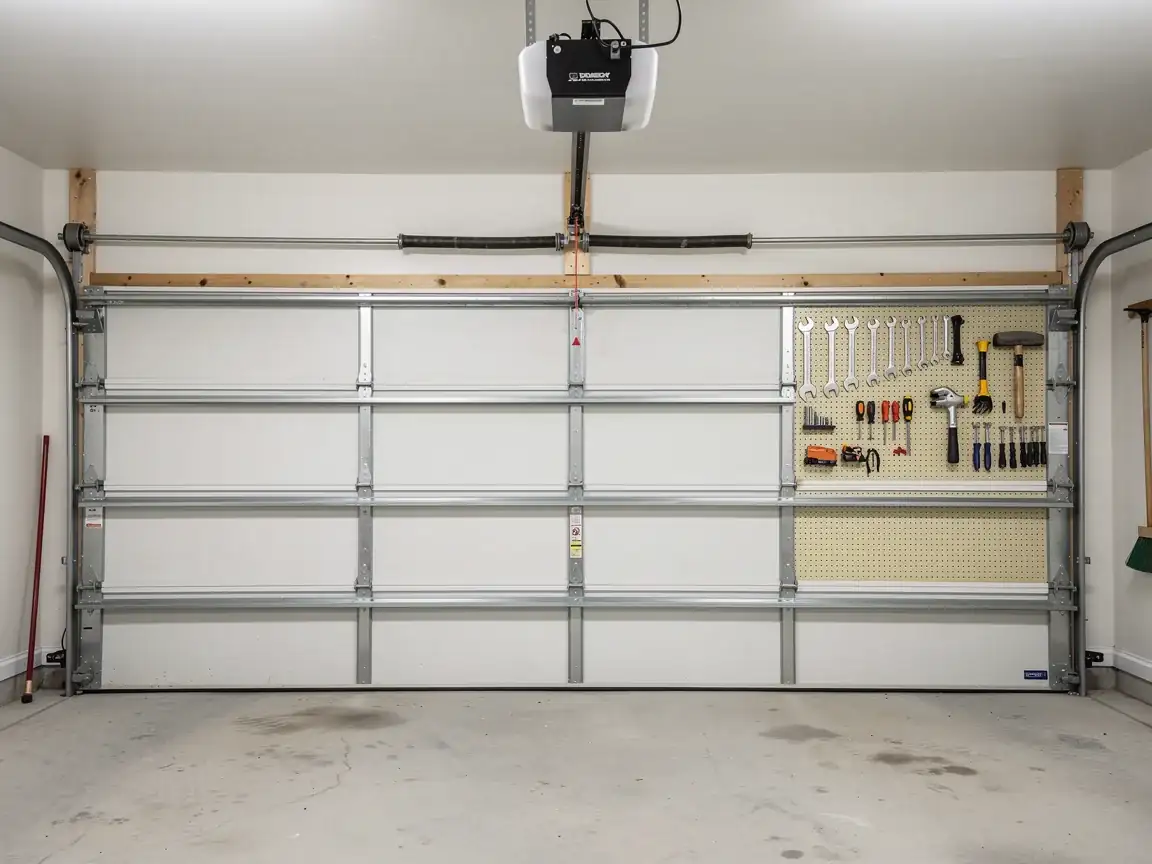
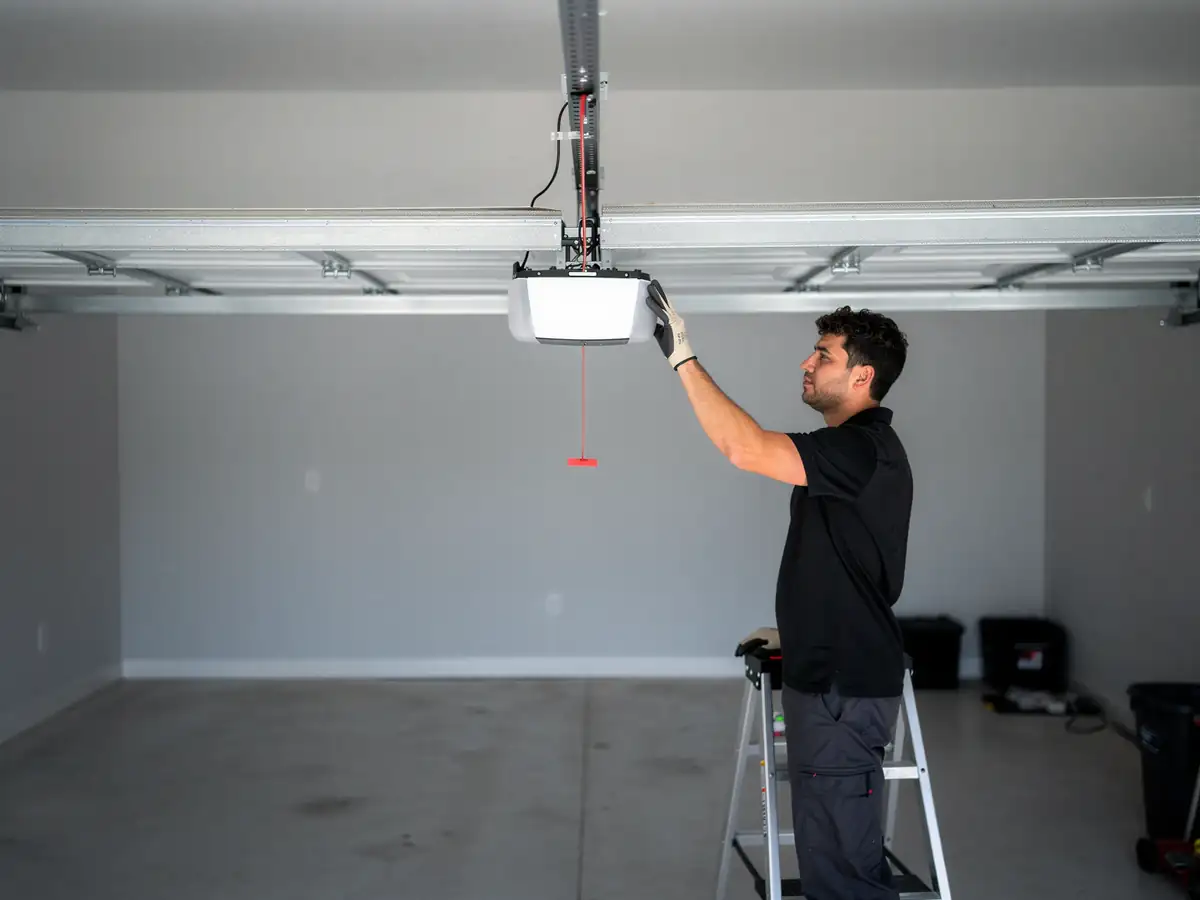
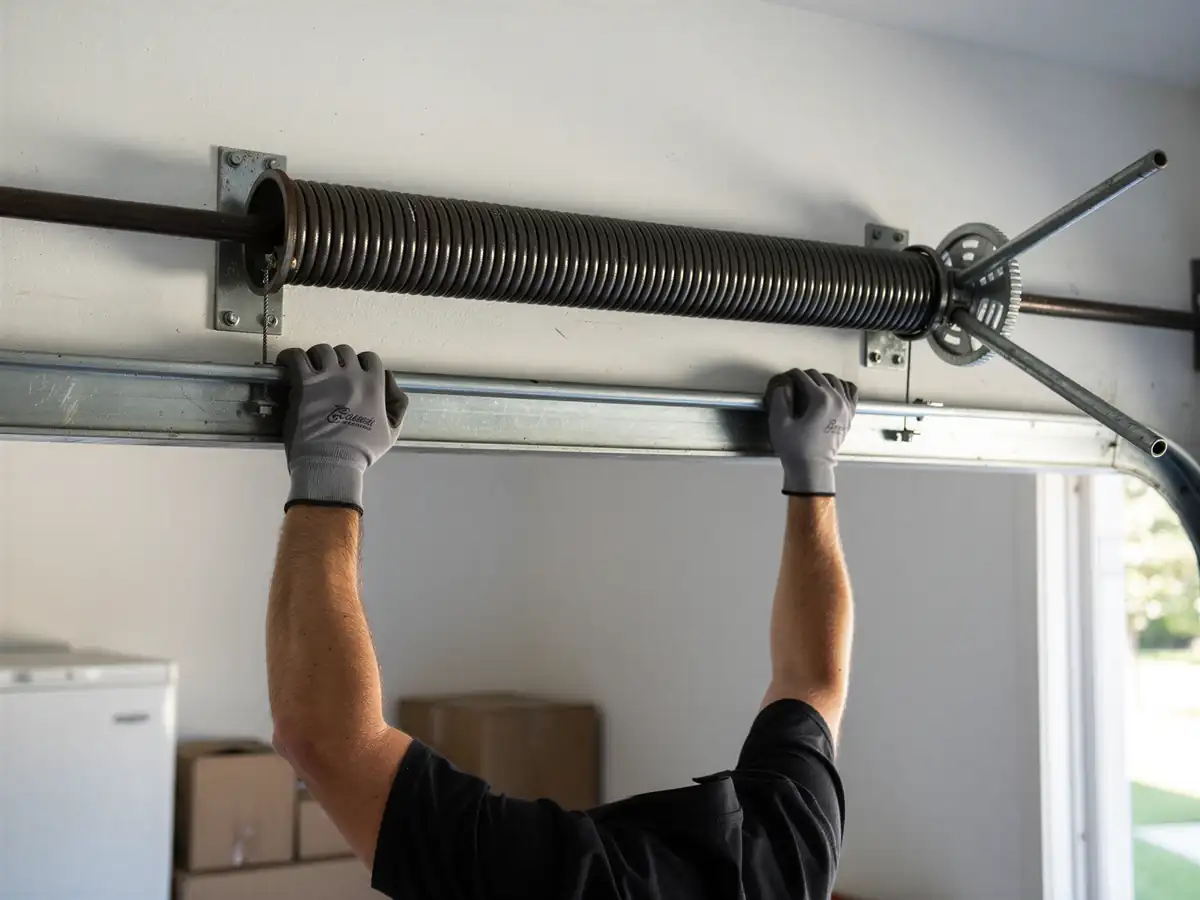
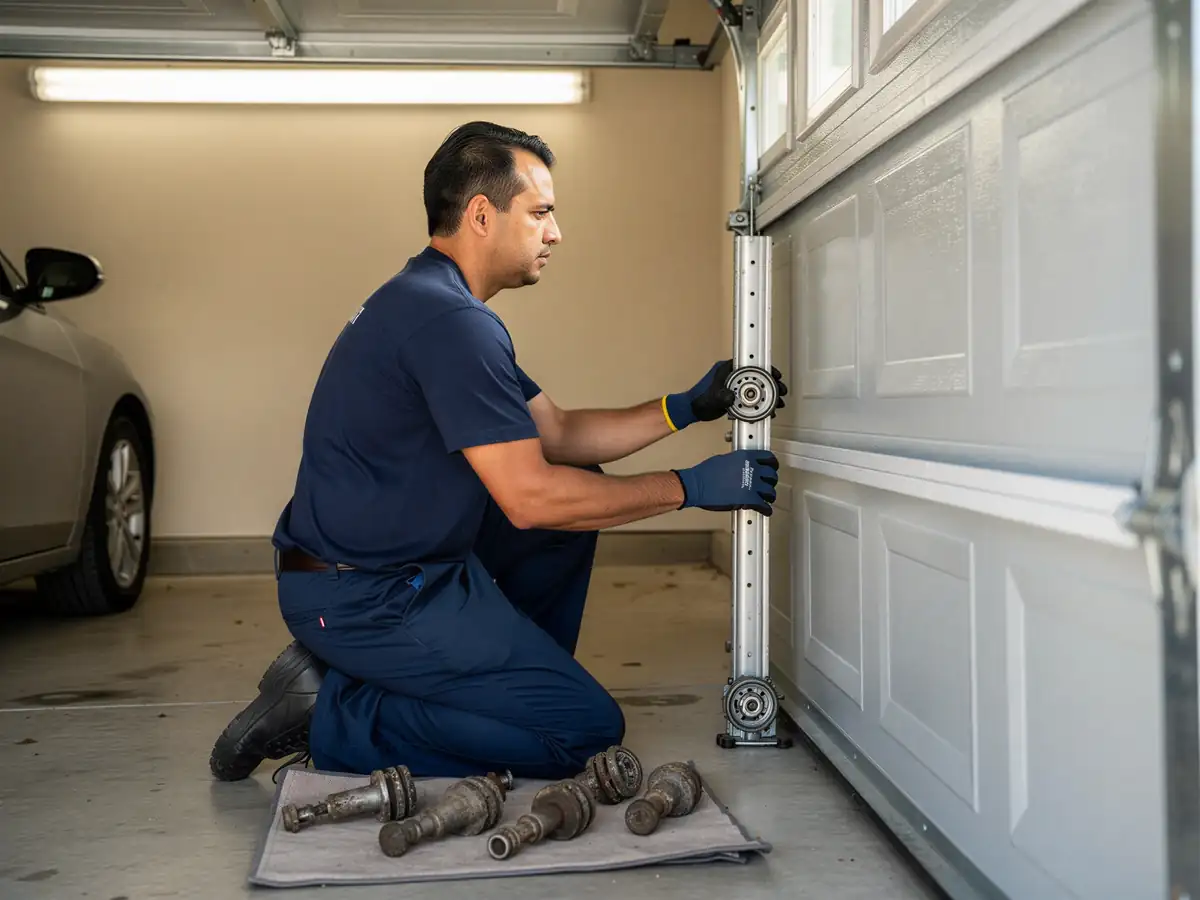
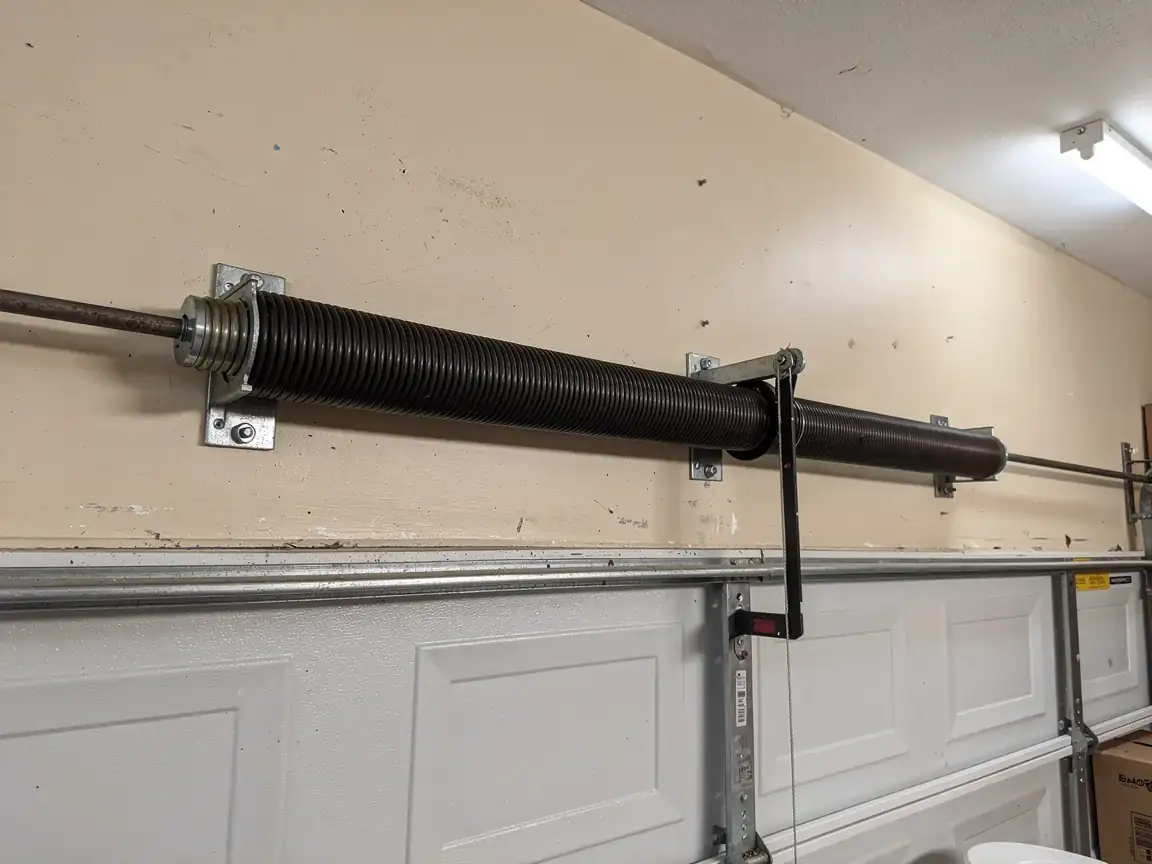
The calls we get aren't dramatic. A door that used to glide now hesitates a foot off the floor, or shudders at the top of the track. Sometimes it's a grinding sound that wasn't there last winter, or an opener that strains and reverses itself halfway up. On a 30-plus year old door, these are maintenance symptoms, not emergencies yet - but they're the early signal that a spring is losing tension or a roller has worn its bearing out. In homes on the older end of our range, built closer to 1938 through the 1960s, the symptom is more often play in the track itself, where decades of settling have pulled the vertical rails slightly out of plumb. Either way, the door is telling you something before it fails outright, and that gap - between the first hesitation and the spring letting go entirely - is where maintenance actually earns its keep.
Why This Fails Locally
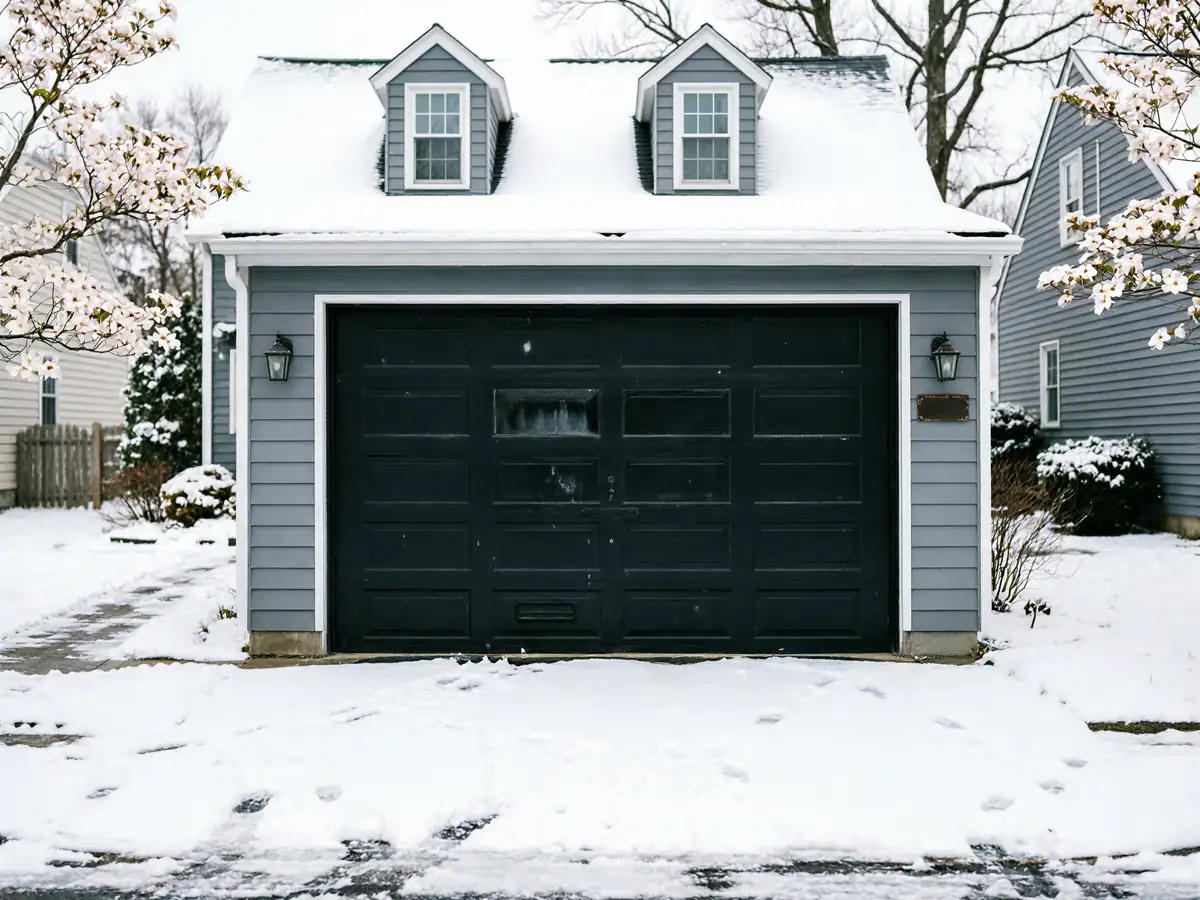
This region sits in a severe cold climate band, and that matters more for garage doors than people expect. Steel contracts in deep cold, torsion springs lose a measurable amount of tension as temperature drops, and grease that was fine in August turns stiff and slow in January - all of which shows up as the door acting heavier or slower right when the thermostat drops. Combine that with a housing stock that runs median year 1982, and you've got tens of thousands of doors across the 55,192 households in our service area that are old enough to have outlived their original lubrication schedule and factory hardware tolerances, but not old enough that most owners think of them as 'old.' A door built in 1985 isn't antique, but it's had roughly four decades of cold-season contraction cycling its spring and track, and that adds up in ways a newer install hasn't experienced yet.