The DIY Question
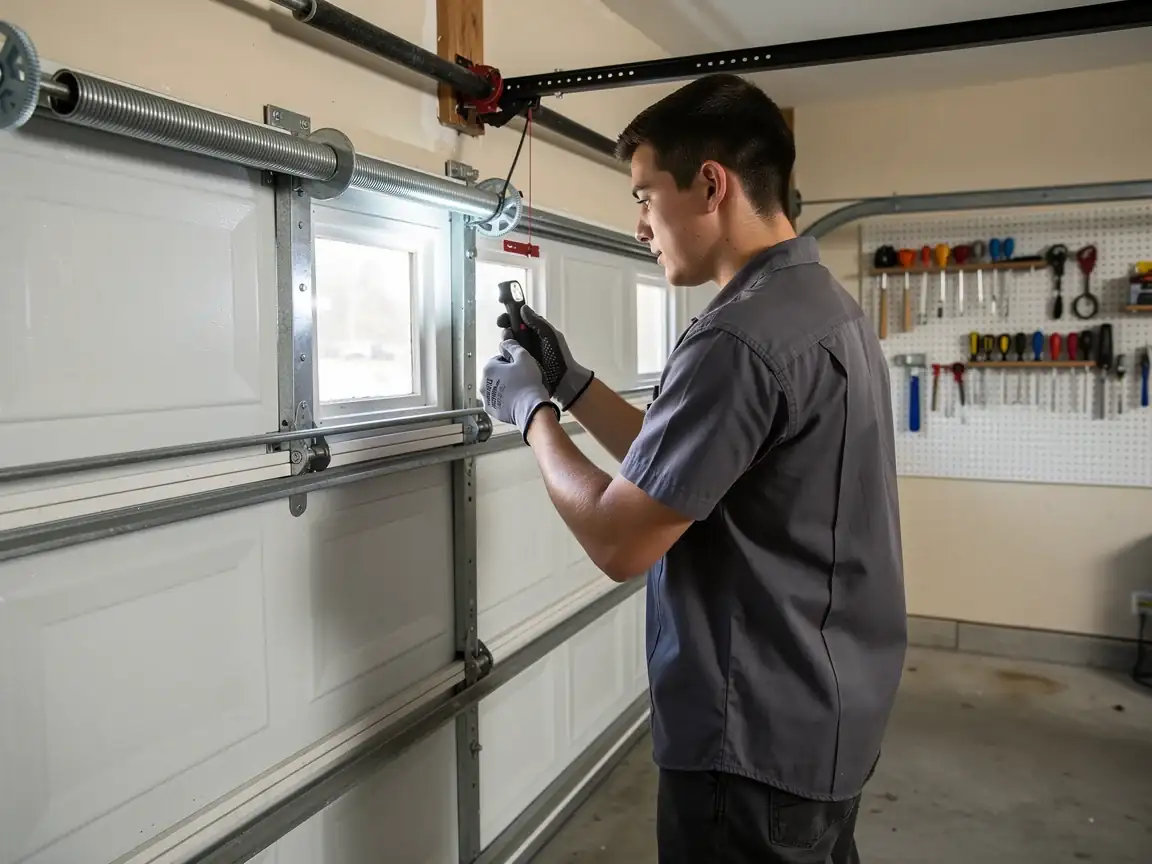
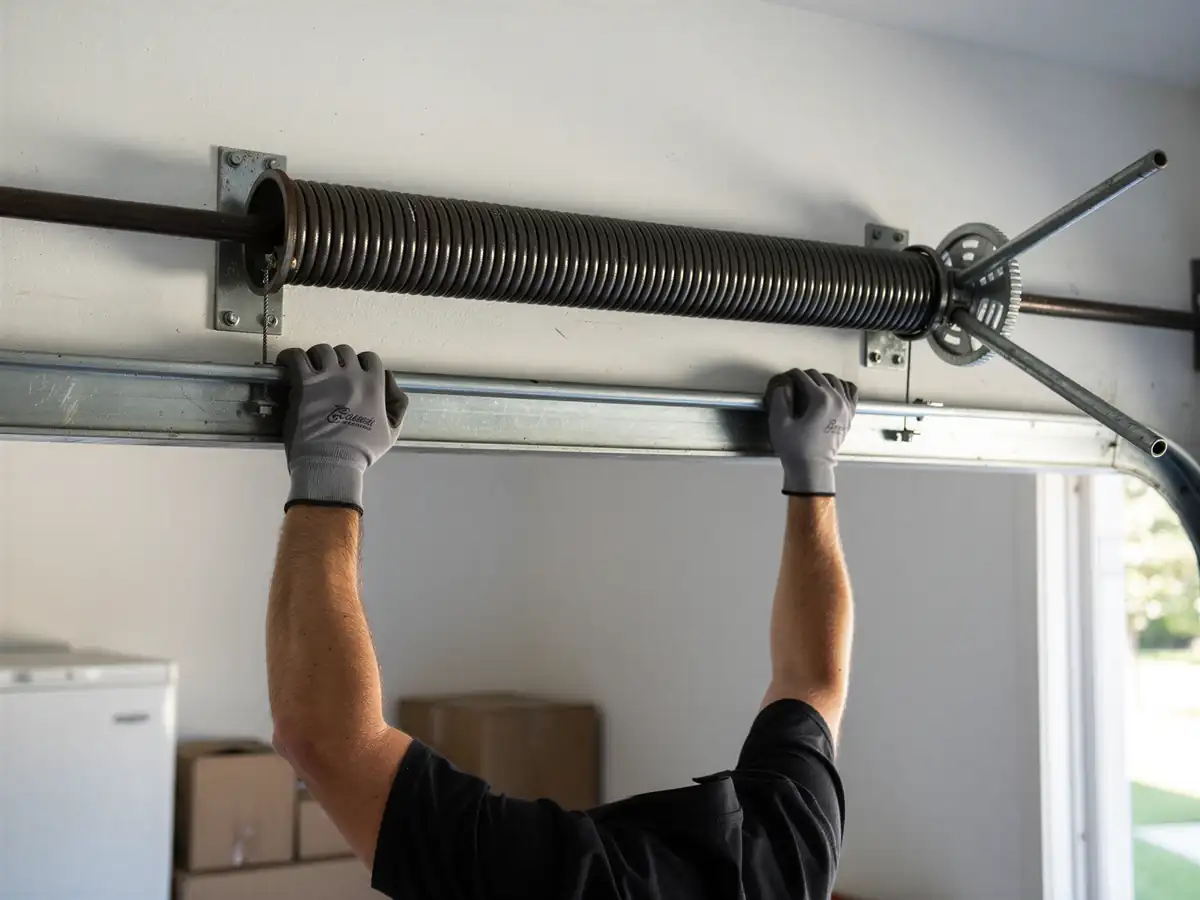
A torsion spring under tension can put a hundred pounds or more of force through a bar you can hold in one hand
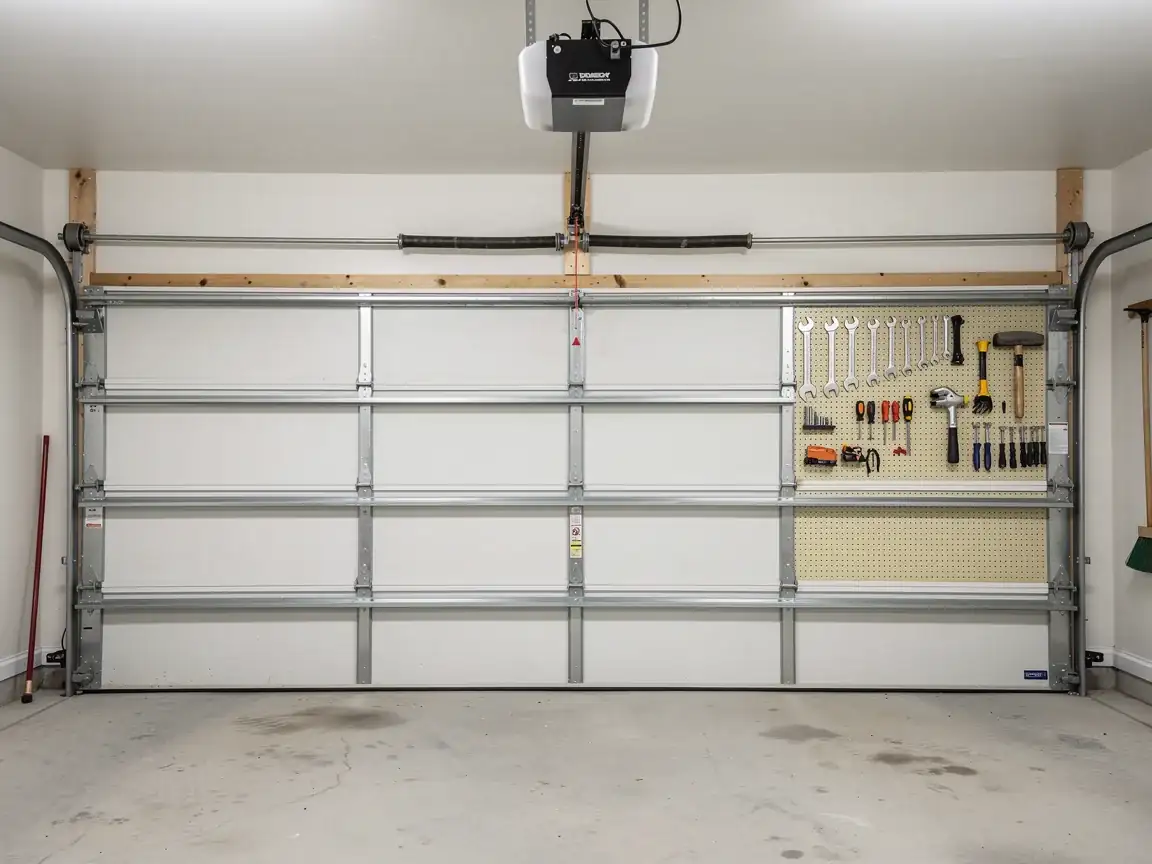
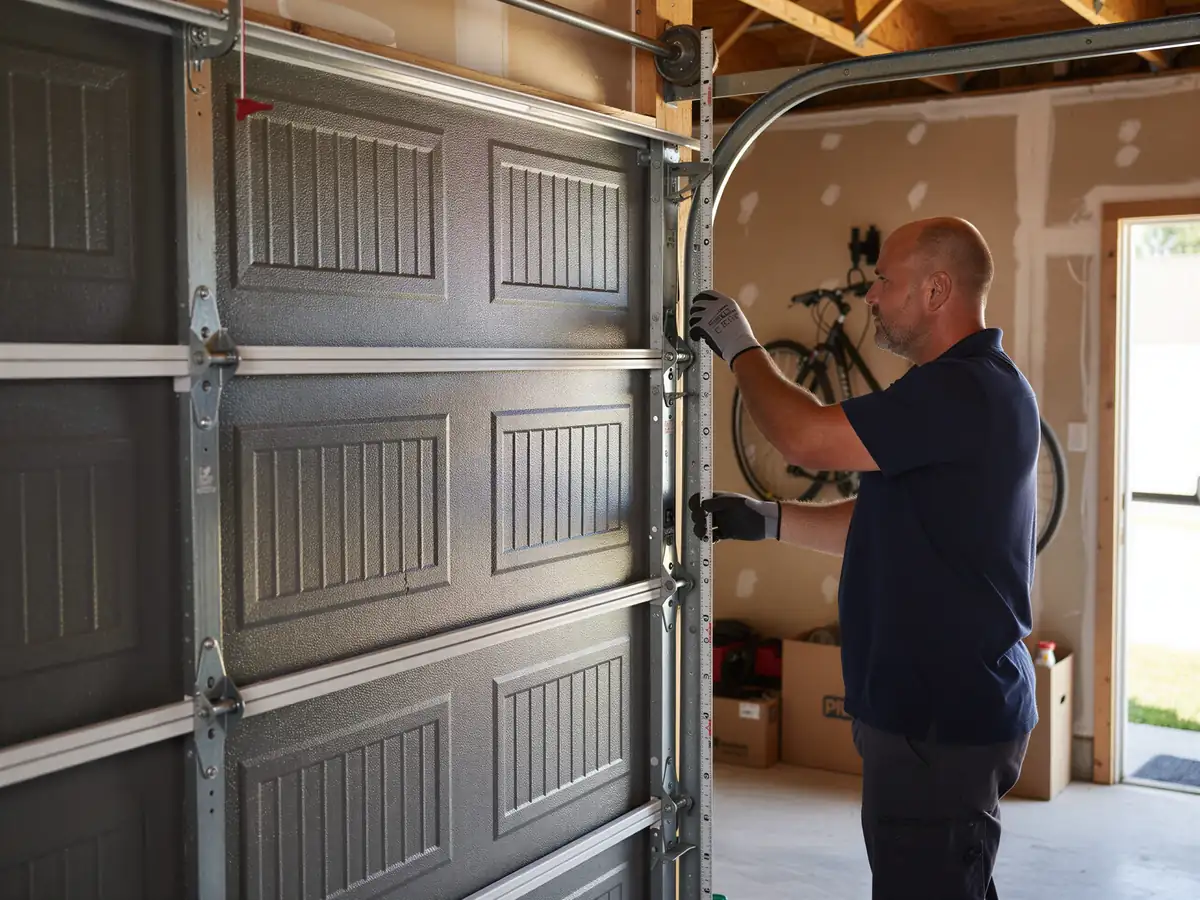
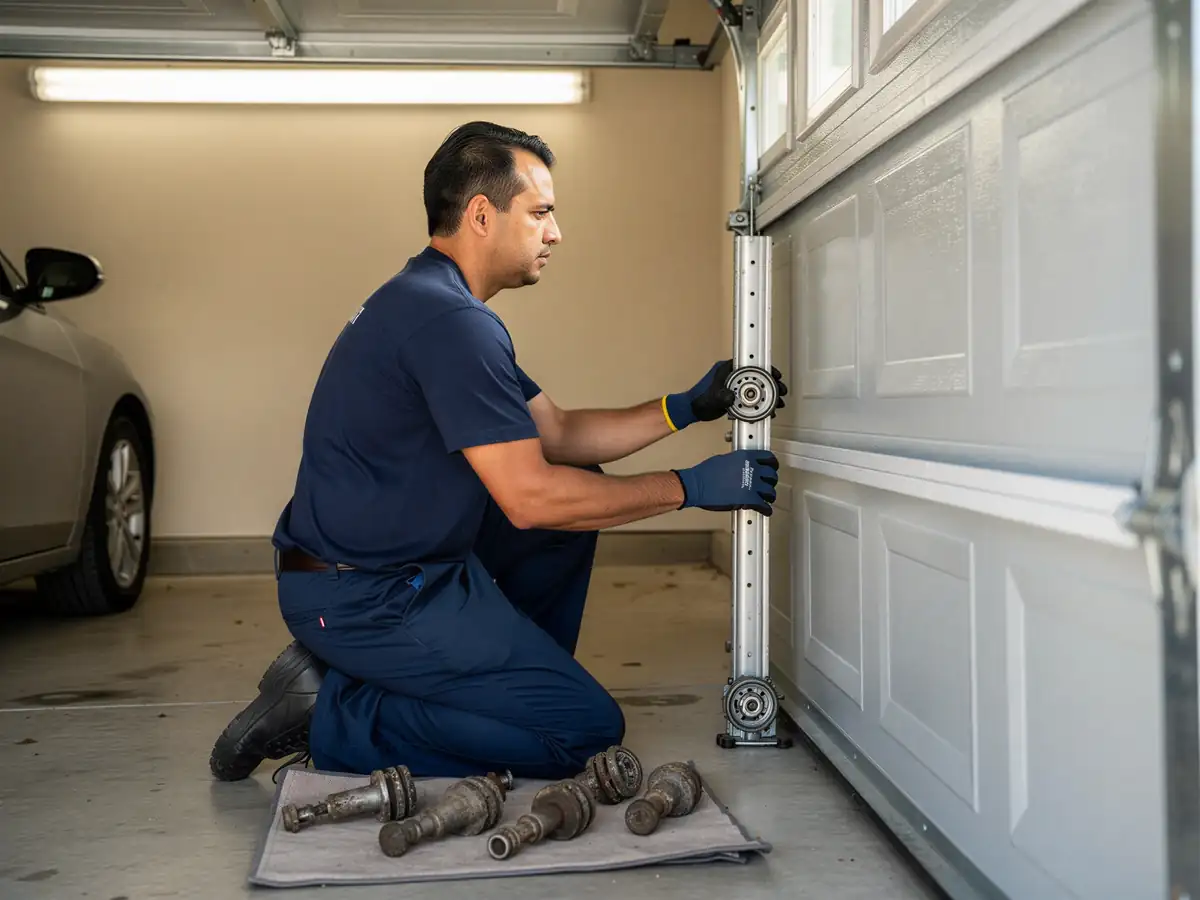
That's the fault line here - not a worn-out weatherstrip or a squeaky hinge, but a coiled steel spring that's been winding and unwinding the door for decades and is now ready to let go all at once. Loosen the wrong set screw without a winding bar seated right, and that bar becomes a weapon. That's true in any town, which is why we won't talk you through doing it yourself over the phone.
What makes it worth saying plainly for Atkinson is the age of the stock
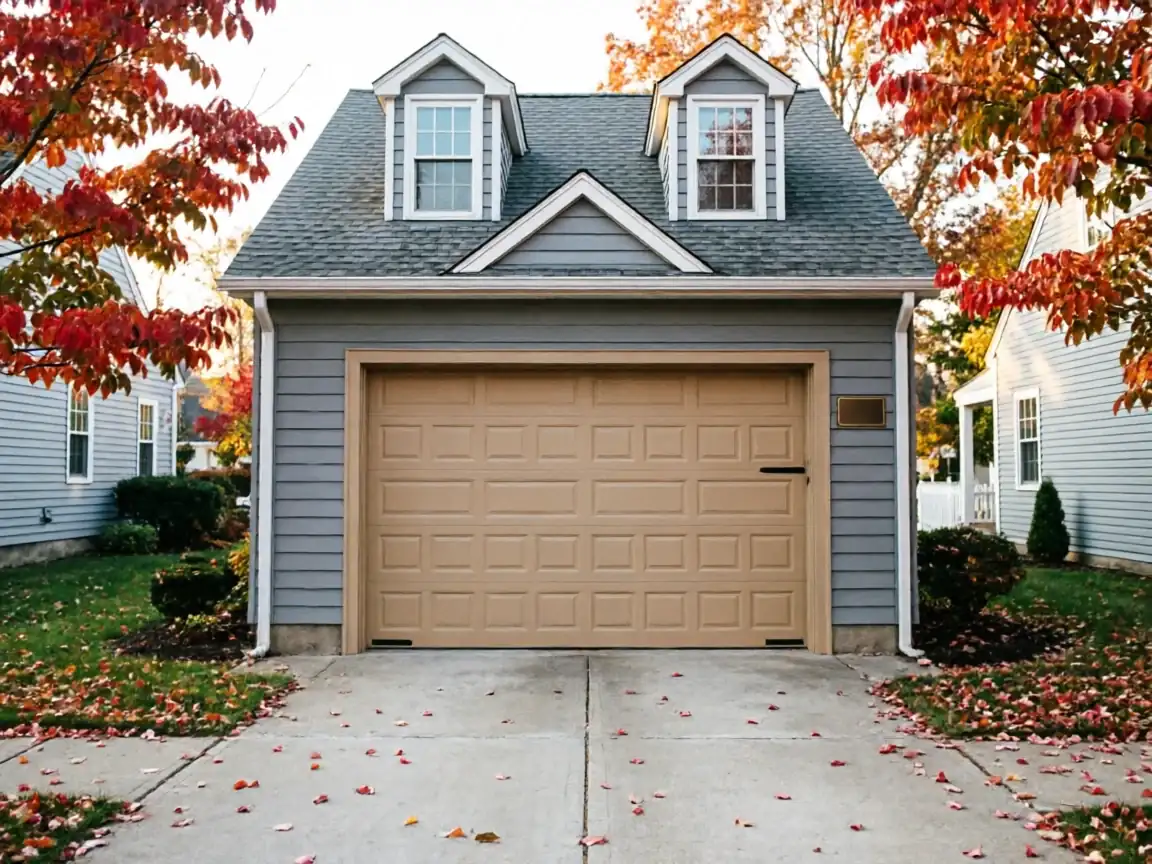
The town's homes run a median build year of 1979, a few years ahead of the 1938 to 1996 range (median 1982) across our wider service area. A door installed when that house went up is now pushing 45 years of cycles on its original hardware, if it hasn't been replaced already. That's not a door you want to improvise on.
- 45 years
The Symptom
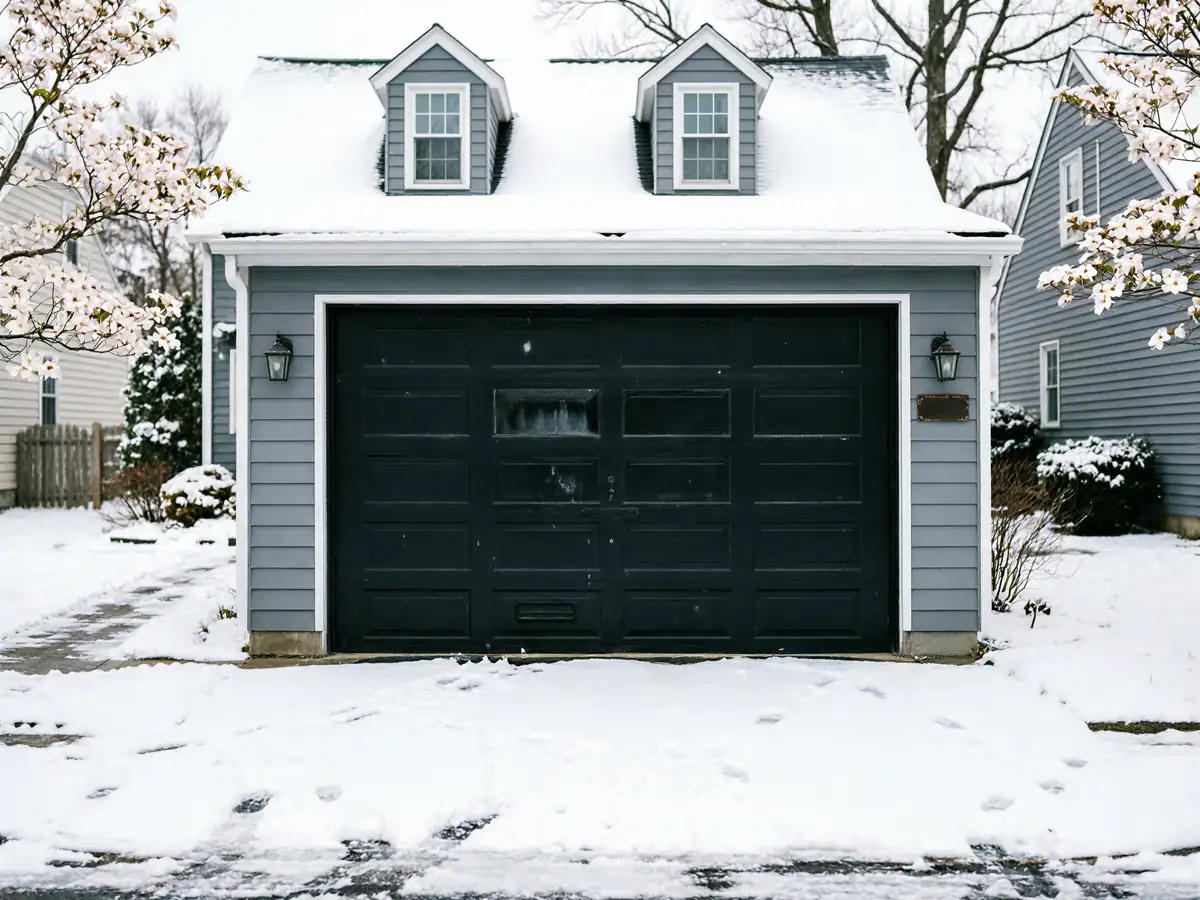
The most common call we get from a house in this bracket isn't "my door won't open" - it's "my door opens but sounds wrong, or stops halfway, or one side drops before the other." That uneven drop is the spring on one side losing tension before its twin, which happens as steel fatigues with age and with cold. New Hampshire sits in a severe cold climate band, and repeated freeze-thaw cycling is hard on spring steel the same way it's hard on asphalt and pipe joints - it accelerates fatigue in metal that's already decades old.
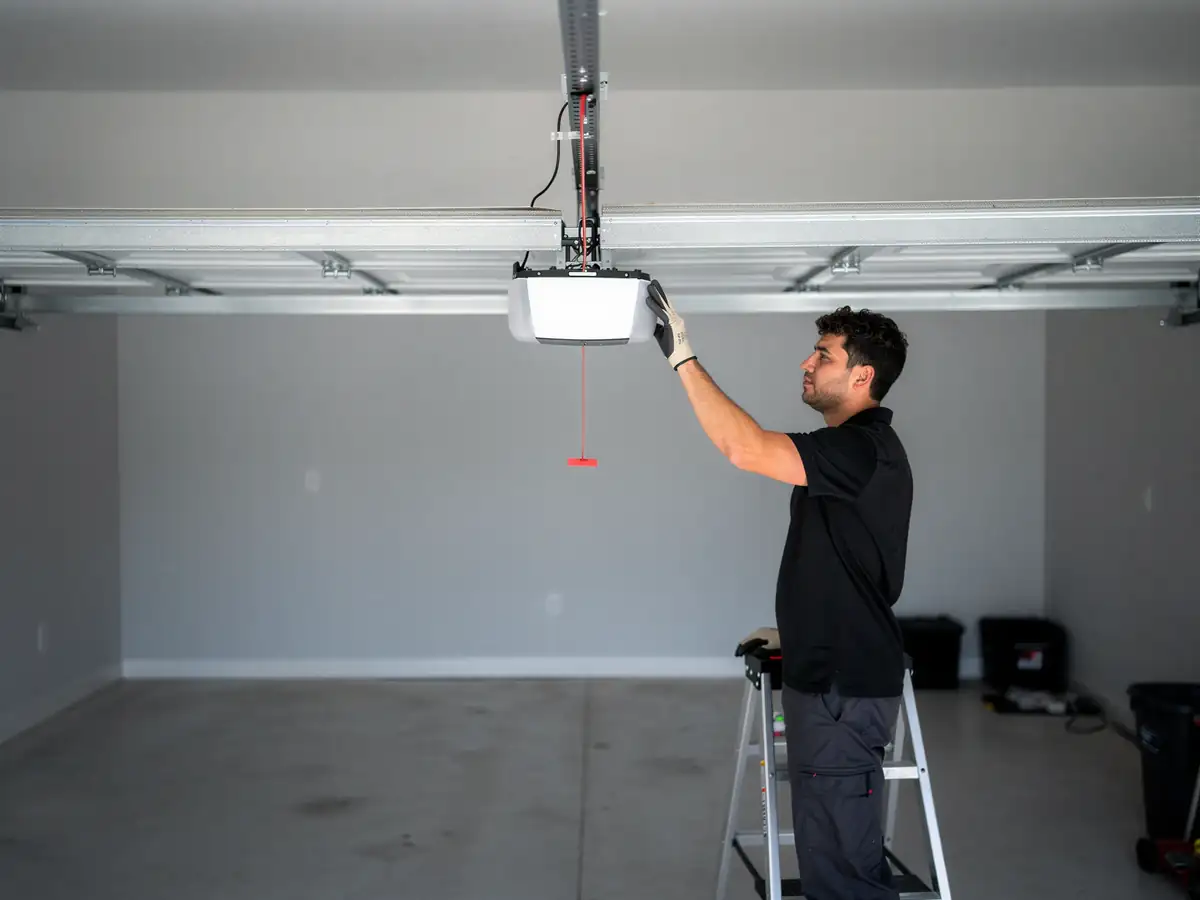
On a double door with two torsion springs, it's common for one to go first and the other to follow within a season or two, because they've carried the same cycle count since the house was built. If your door is groaning, jerking, or sitting crooked in the opening, that's the spring talking, not the opener. The opener motor pulling against a dead spring is also how openers burn out early, which is a second repair bill nobody plans for.
Time on the Job
We drive the 10 miles out from our Londonderry shop for Atkinson calls, so plan around travel time rather than a same-minute arrival - we don't keep a branch or a drop point in town, and we won't pretend otherwise. Once we're on-site, a standard torsion spring swap on a residential door is a same-visit job in most cases.
The honest limitation: not every spring size is a truck-stock item. Most Atkinson doors from the 1979 era use common torsion sizes we carry routinely, but an oversized door, a custom panel width, or a spring that was already replaced once with non-standard hardware can mean a short order delay for the right part. We'd rather tell you that up front than install a spring that's close enough and have it fail again in a year.
Why This Fails Locally
Three things line up against spring hardware in Atkinson specifically
First, the age: a median build year of 1979 means a lot of original torsion setups are at or past the end of their rated cycle life, even on doors that look fine otherwise. Second, the climate: a severe cold band means more freeze-thaw stress on the steel than a mild-climate town would see, which shortens the practical life of a spring even if the cycle count looks reasonable on paper.
Third, and this cuts the other way, is income
Atkinson's median household income of $144,481 runs well above the $125,774 average across our service area, and in practice that means more owners here choose to replace both springs on a double door at once, and more often choose a higher-cycle spring over a like-for-like match, instead of patching the one that broke and leaving its tired twin in place. That's a choice worth knowing about before the spring that didn't break follows the one that did.