The DIY Question
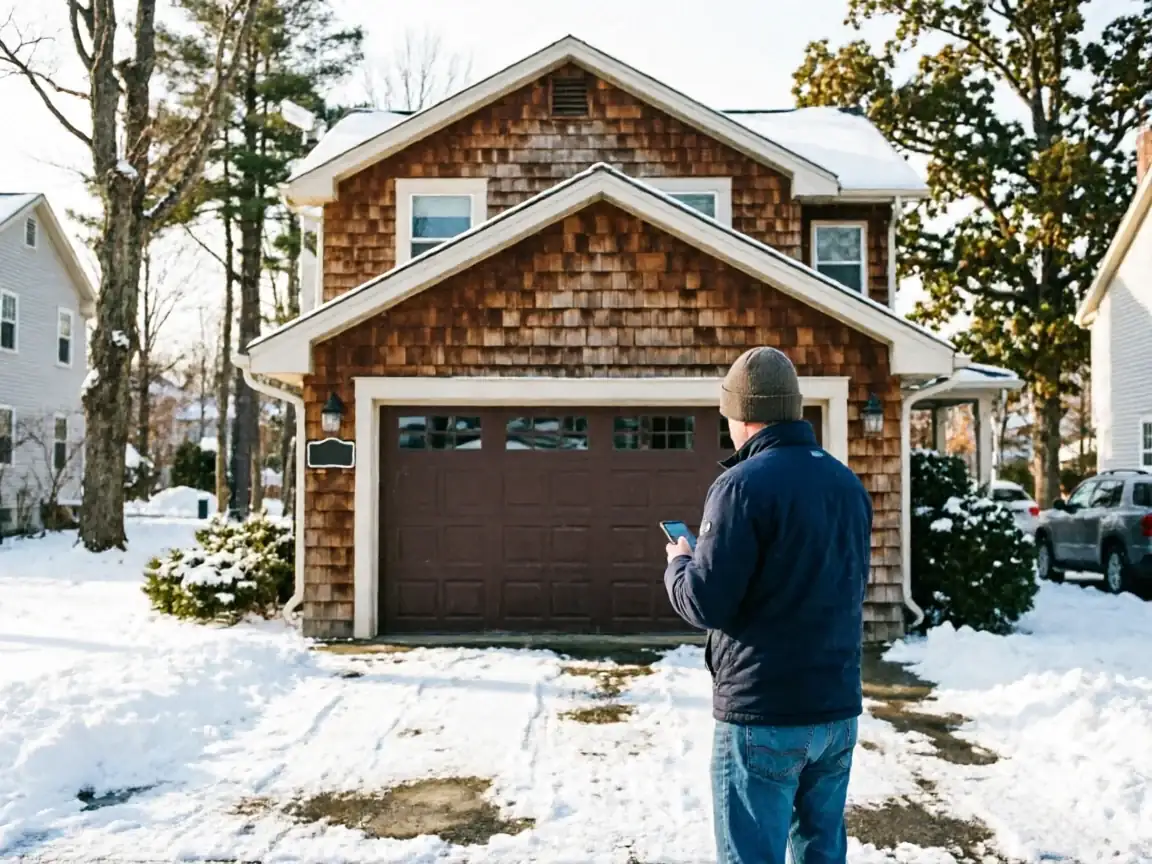
A lot of Atkinson houses went up around 1979
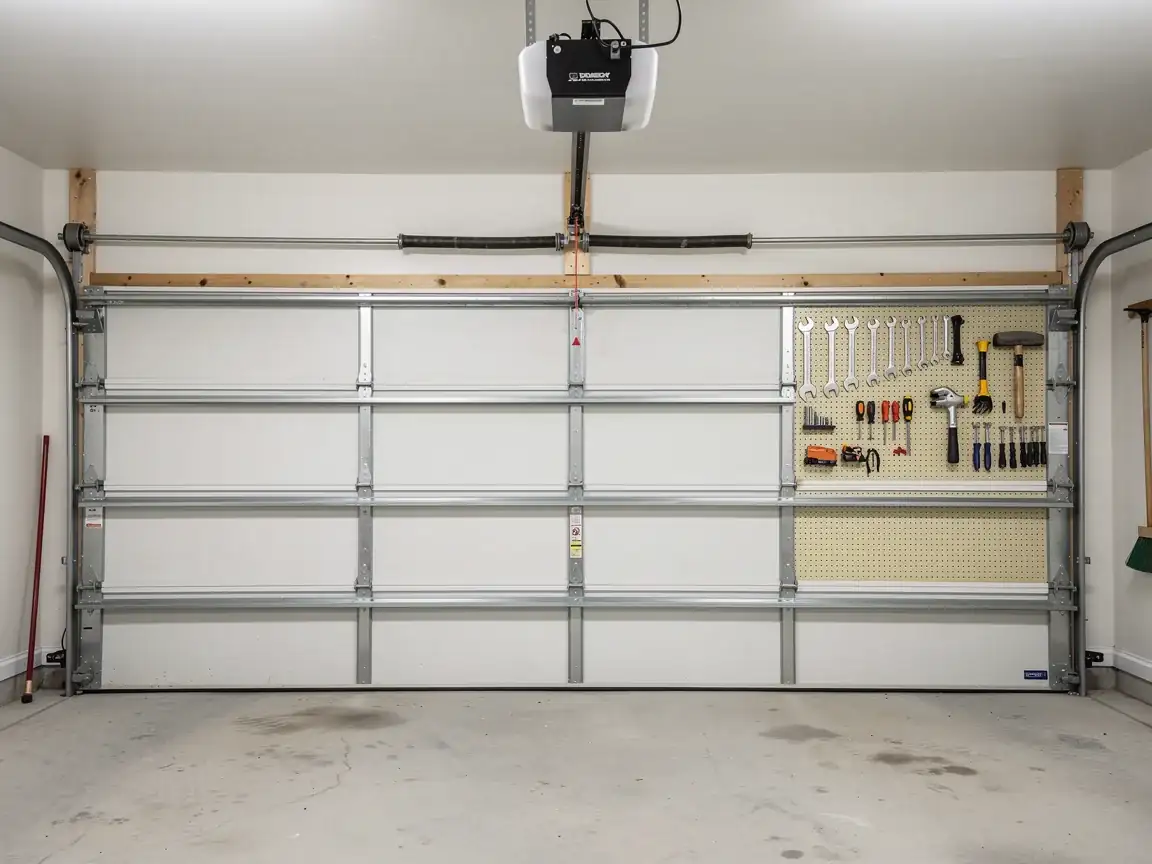
Which puts them a few years ahead of the 1982 median for the wider service area we cover out of Londonderry. That gap matters more than it sounds like it should. Doors from this stretch of the late '70s often came with steel rollers on narrower track than what you'll find in anything built after the mid-80s, and the roller brackets on these older units are frequently riveted rather than bolted.
Swapping a roller on a bolted bracket is a reasonable weekend job if you've got the right socket and you're not working against a spring under tension
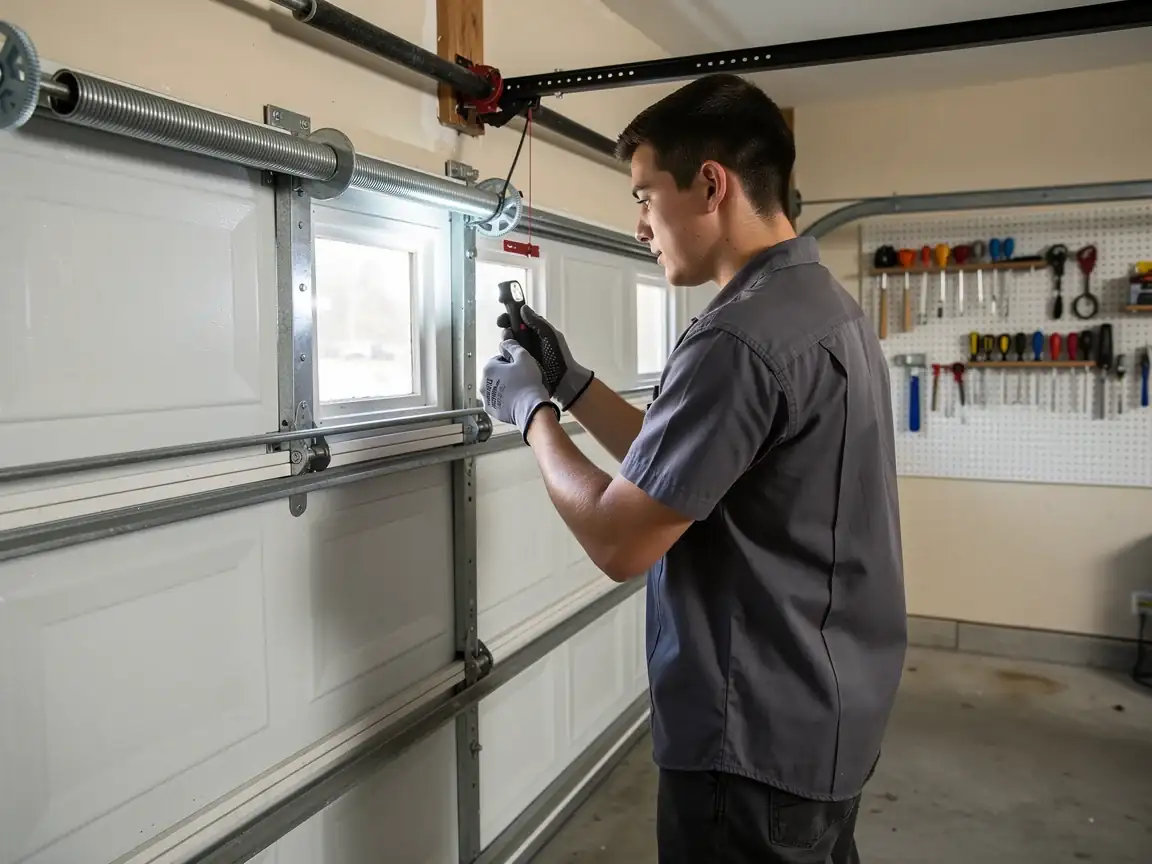
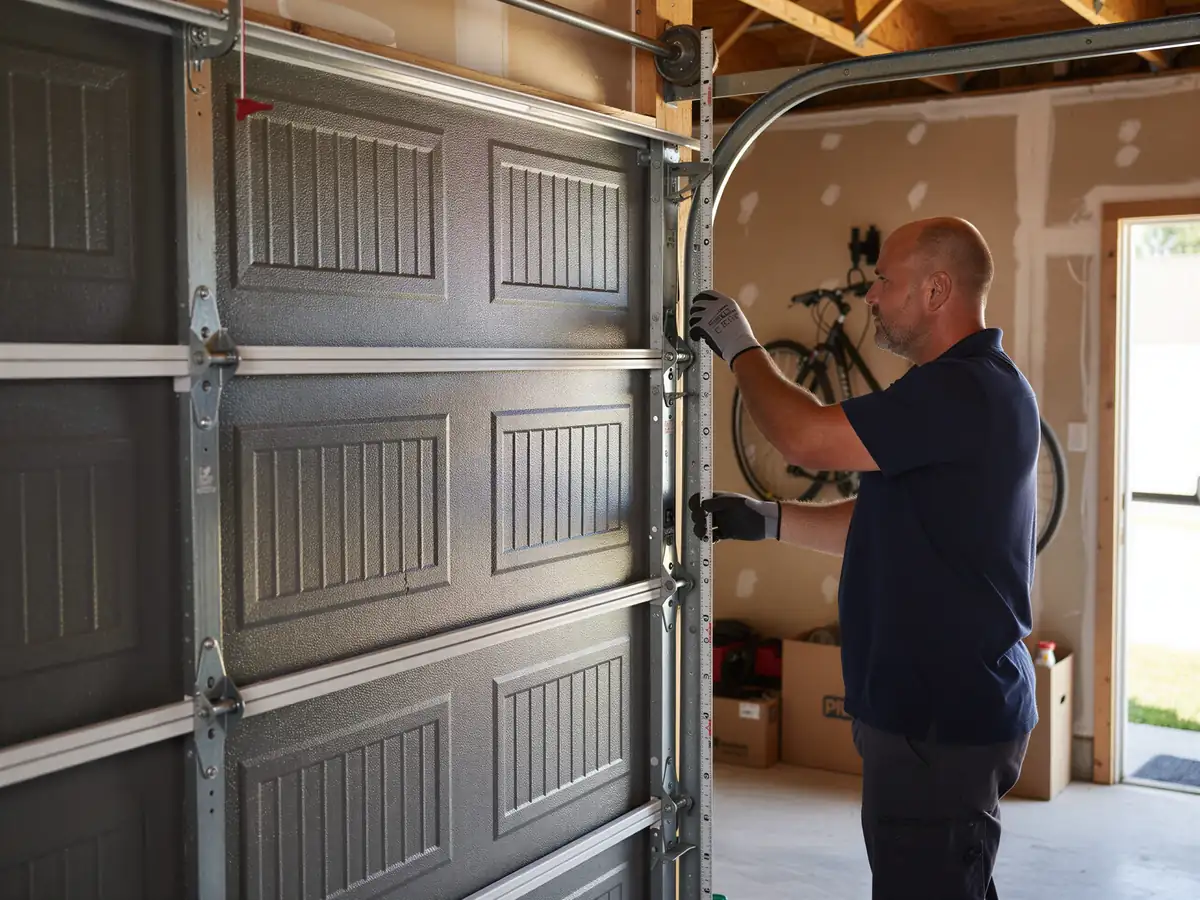
Swapping one on a riveted bracket means drilling out the rivet, which changes the job from "replace a part" to "modify the hardware," and that's where we'd tell you to call instead of push through it. If your door is shaking or binding, pop the garage light on and look at the bracket before you order parts - it tells you which job you're actually facing. If it's the riveted kind, this isn't a part-swap, it's a bracket job, and we'd rather you know that before you buy rollers you can't install.
The Symptom
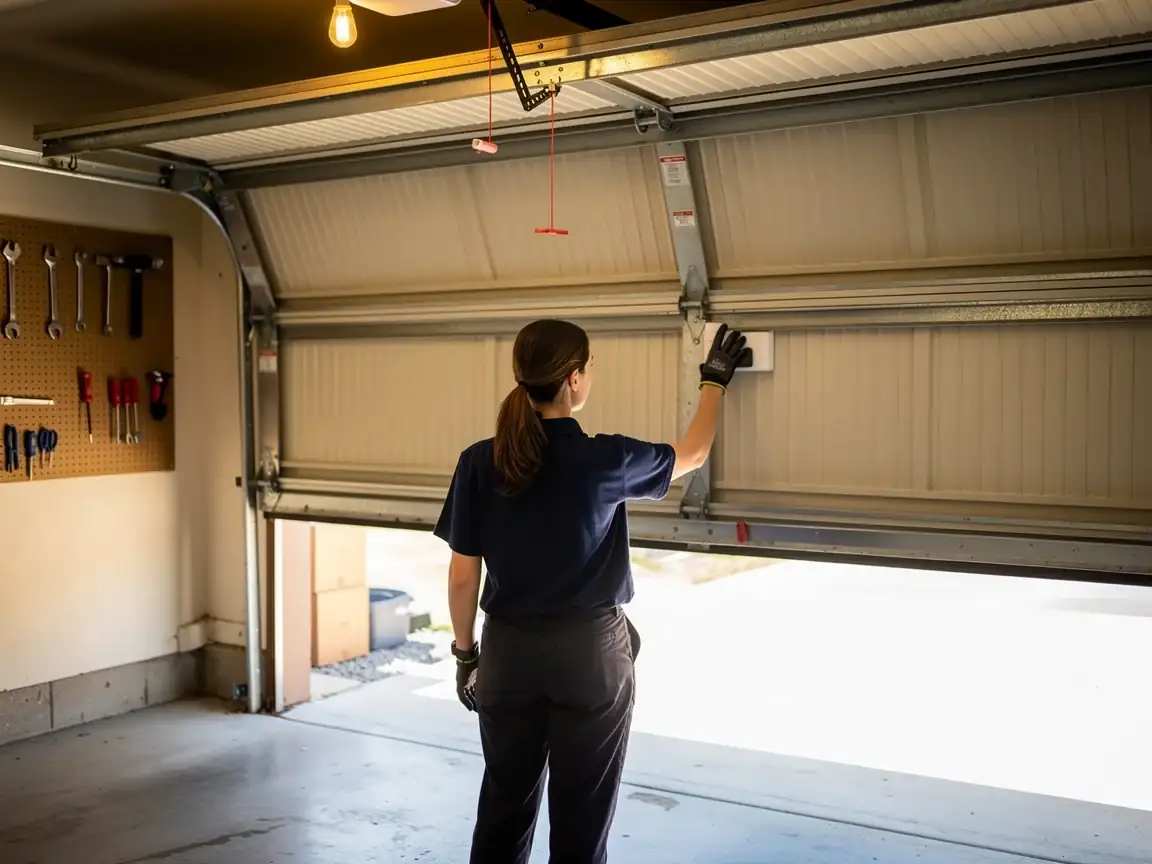
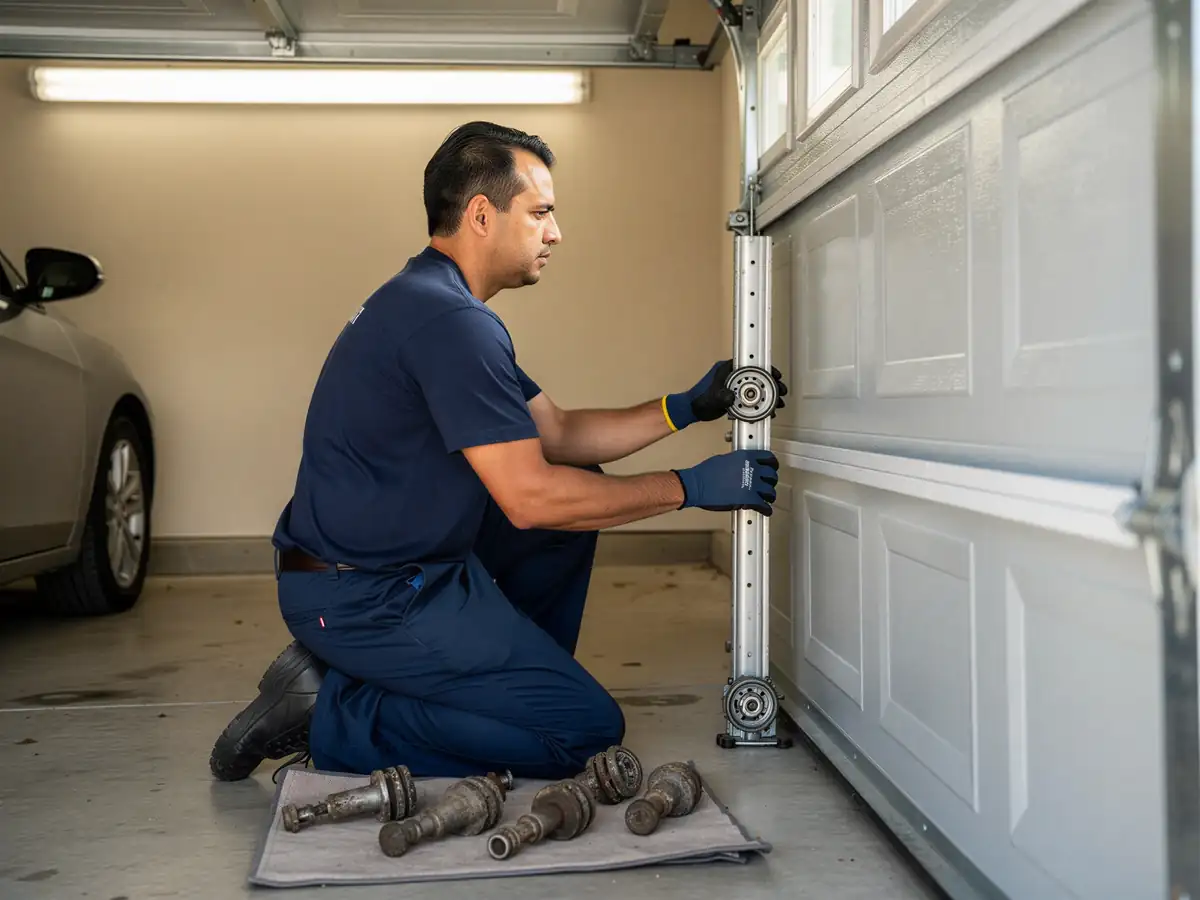
On a 1979-built door, the complaint we hear most is a grinding or shuddering sound right as the door passes the bend in the track, not along the flat run. That's the roller wheel itself breaking down - usually the nylon tire separating from the steel stem, or on the oldest doors, actual steel wheels that have worn an oval groove into themselves after decades of use.
You'll also see this show up as the door catching or hesitating at the same spot on every cycle. That's a flat spot on one roller, not a track problem, even though it feels like the track. People often replace the whole track assembly when the fix was four rollers and twenty minutes. We'd rather tell you that up front than sell you more than the door needs.
Time on the Job
We run this job out of Londonderry, about 10 miles from Atkinson, so figure that into when you call versus when the truck shows. Once we're on site, a standard ten-roller replacement on a double door runs under an hour in most cases - it's one of the quicker jobs we do, which is part of why it's worth fixing instead of living with the noise for another winter.
What changes the time estimate is what we find once the door's off its hinges. On the 1979-era stock common here, rollers sometimes come out brittle enough that the stem snaps during removal, which can mean an extra few minutes per roller instead of a clean pull. We won't know that until we're looking at your specific door.
Why This Fails Locally
This area sits in a cold, severe climate band, and that's the real reason roller failure on Atkinson's older housing stock shows up as a grinding noise rather than a quiet wear-out
Steel rollers and the grease packed into their bearings stiffen hard in winter cold, and repeated freeze-thaw cycling dries out the lubricant in nylon rollers faster than it would in a milder climate. A roller that might limp along another two seasons somewhere warmer gives out here in one.
Atkinson's median household income of $144,481 runs well above the roughly $125,774 median across the broader area we serve
And across roughly 2,971 households here, we see fewer people trying to stretch a worn roller set through a second winter and more opting to replace the full set once the first one starts grinding - which is the right call on a door this age, since the other nine rollers are the same age as the one that failed.
- 2,971 households