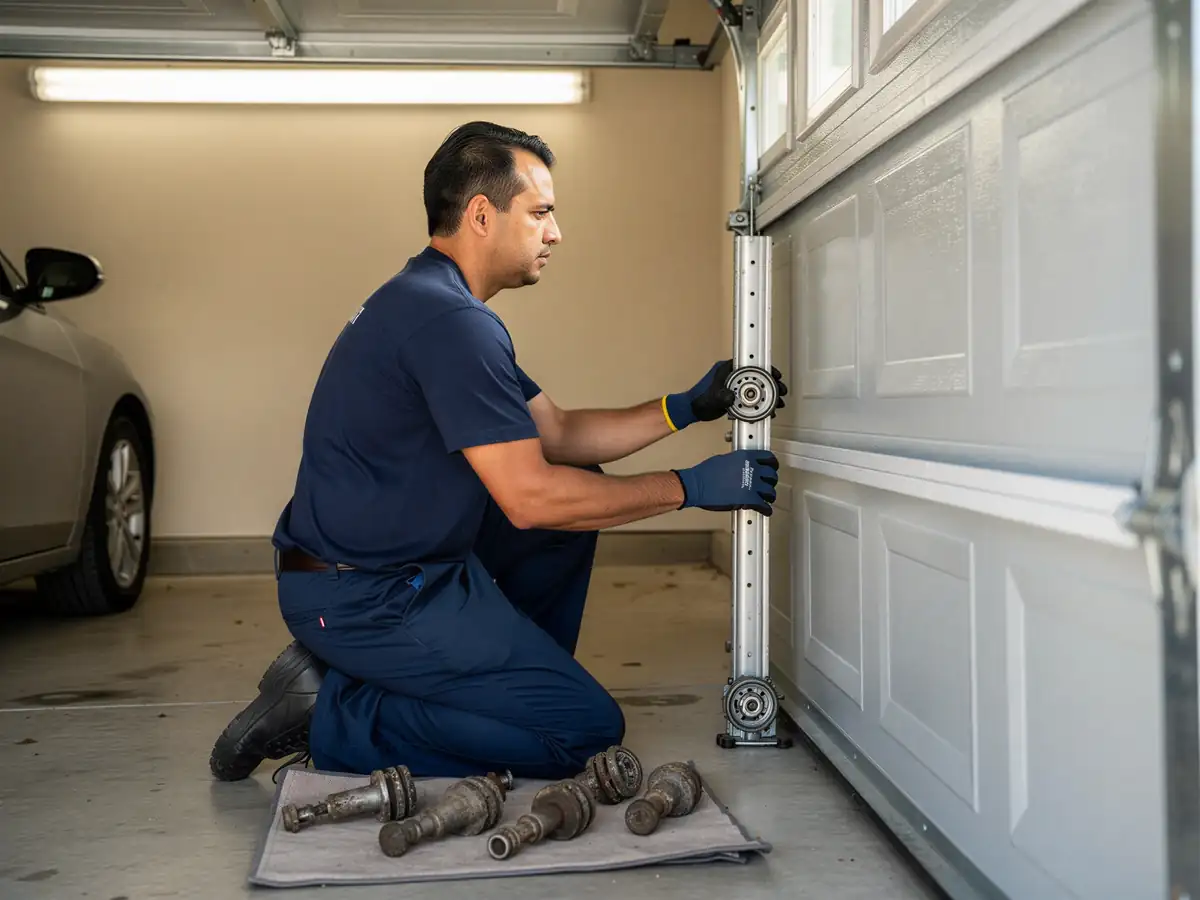
New Garage Door Installation for Atkinson's 1979-Era Homes
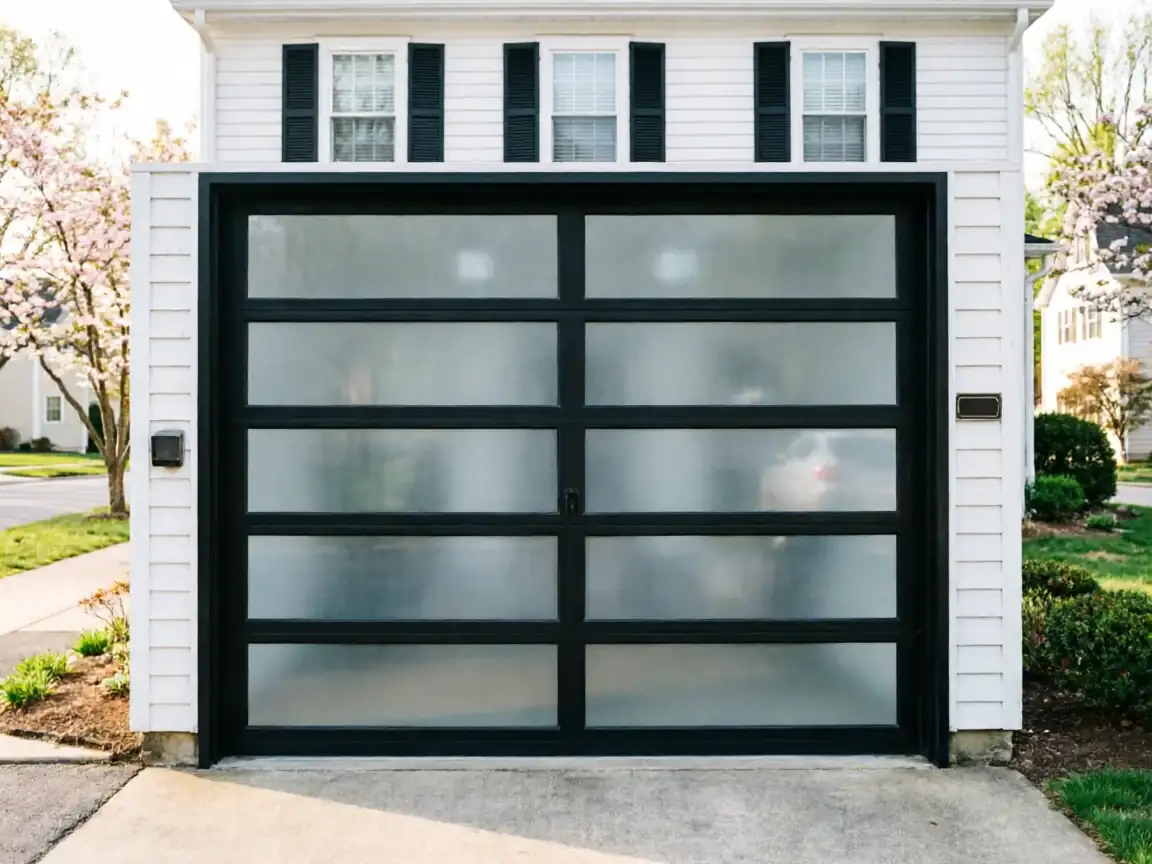
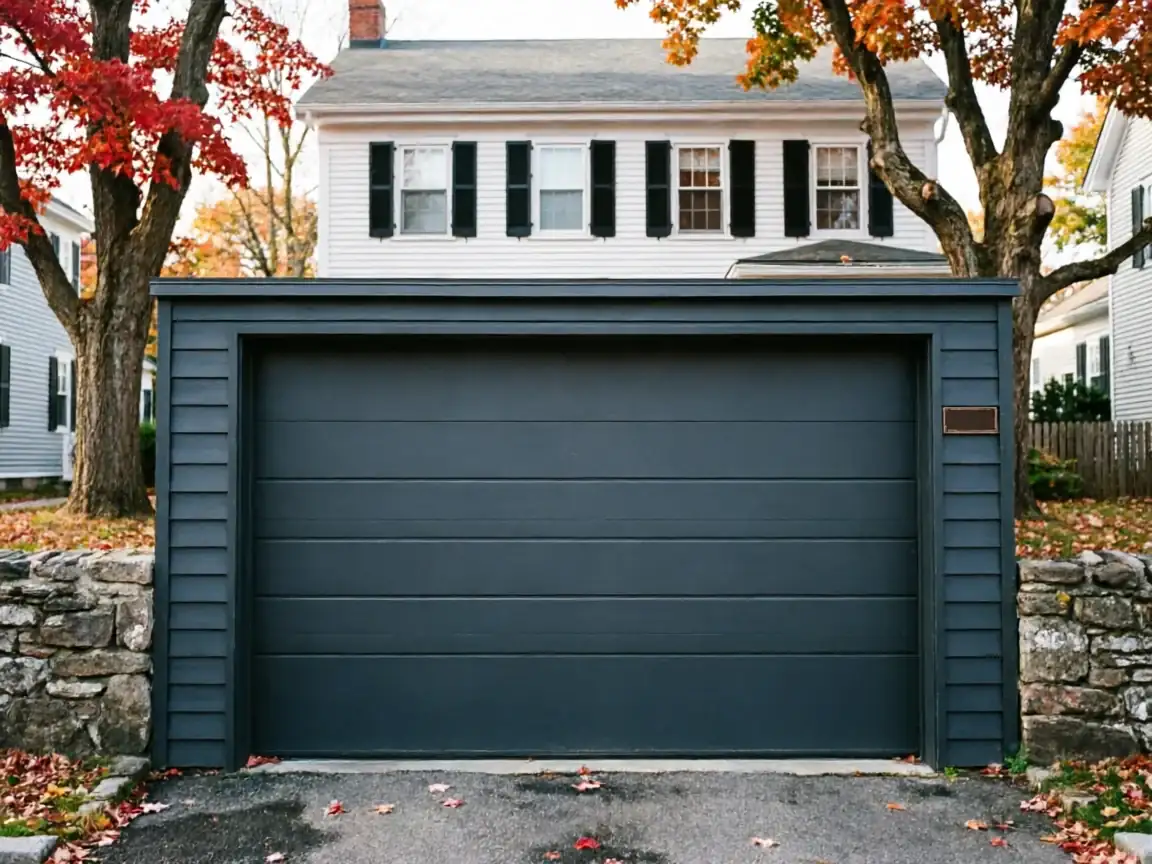
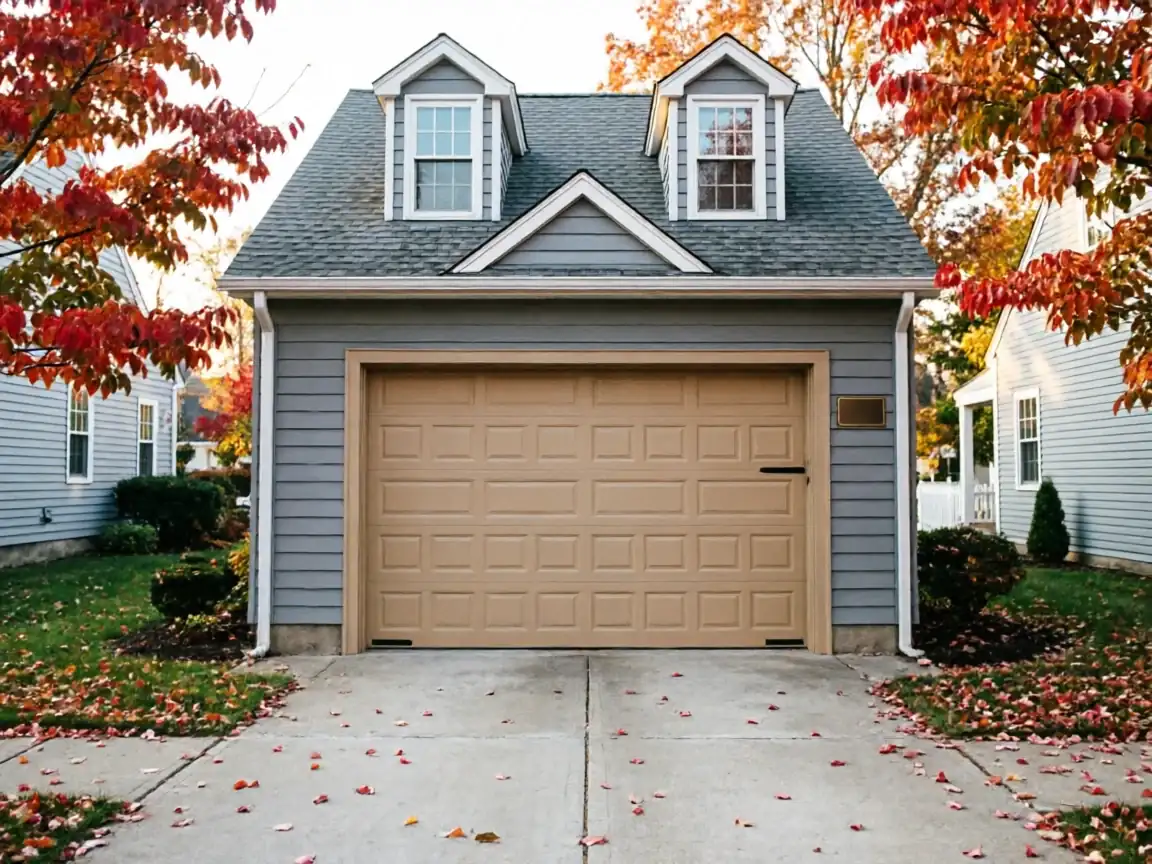
Atkinson homes mostly date to 1979, which means original steel doors and dated track hardware. We install new doors built for New Hampshire winters, out of our Londonderry shop.
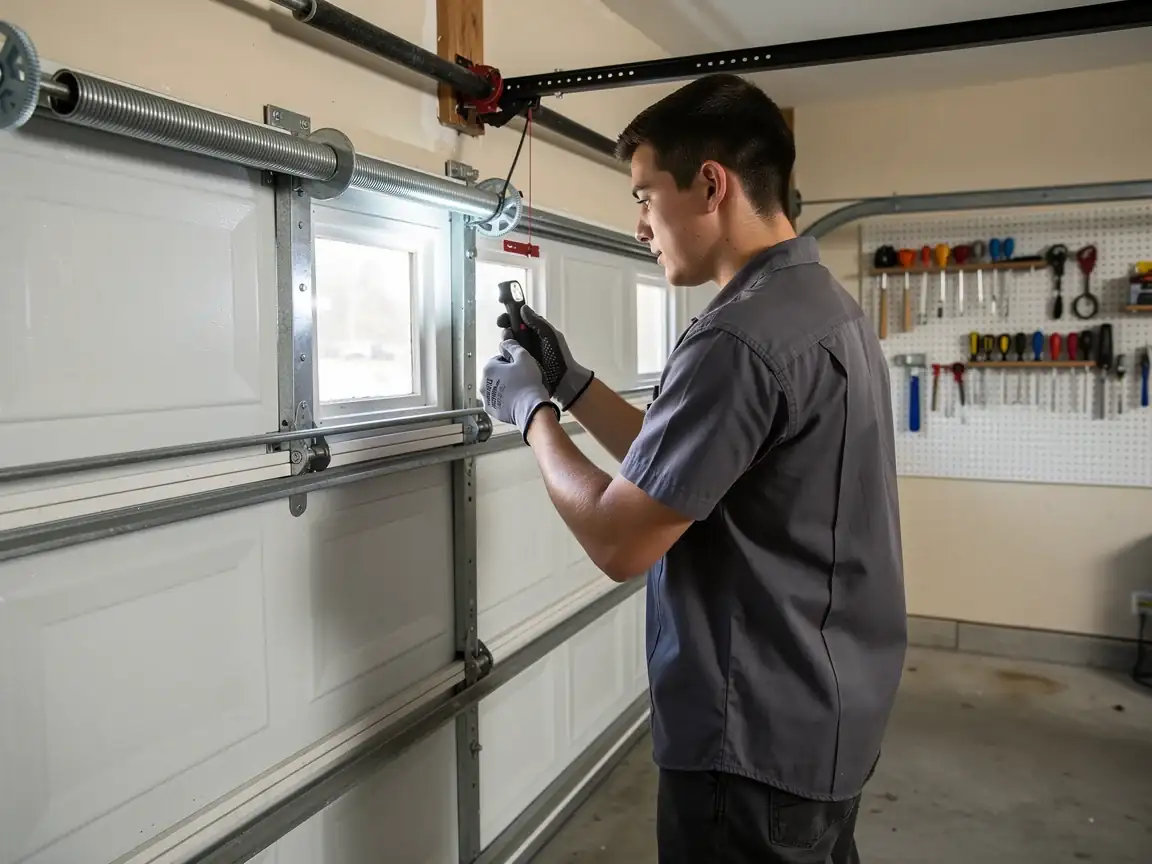
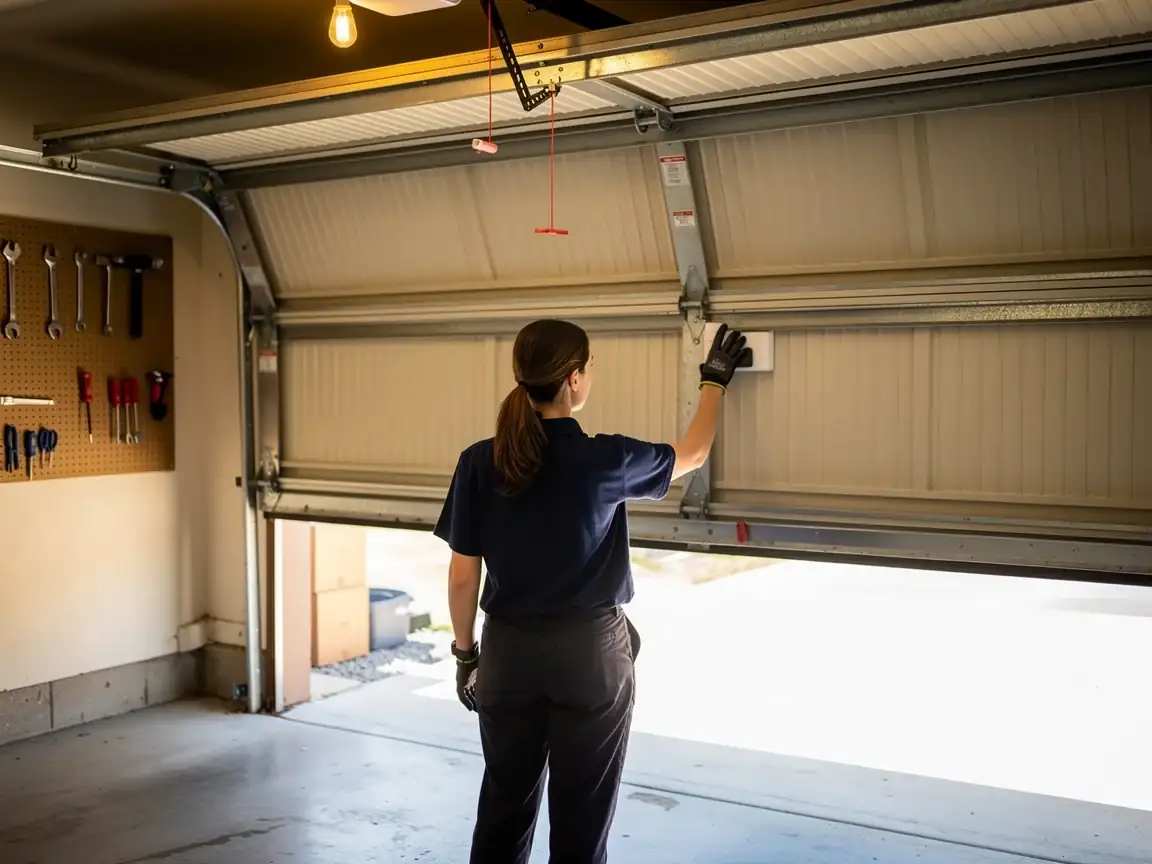
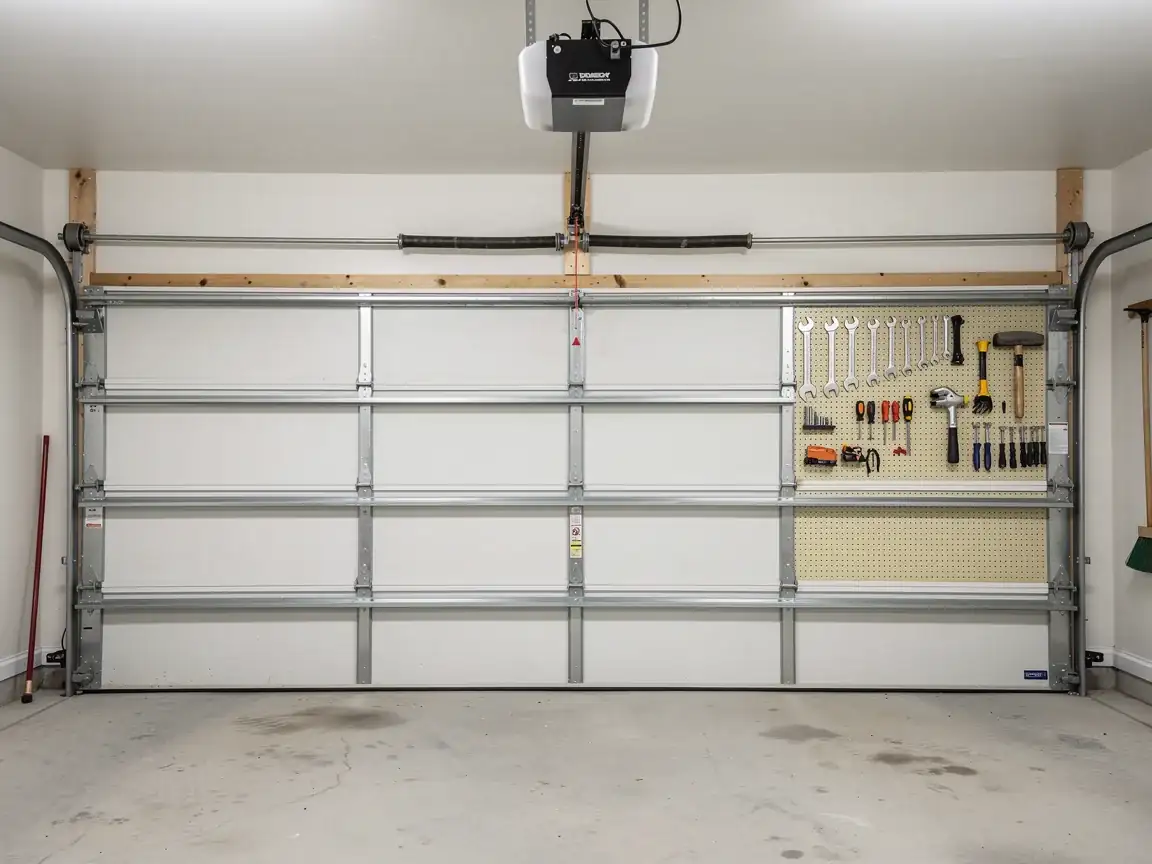
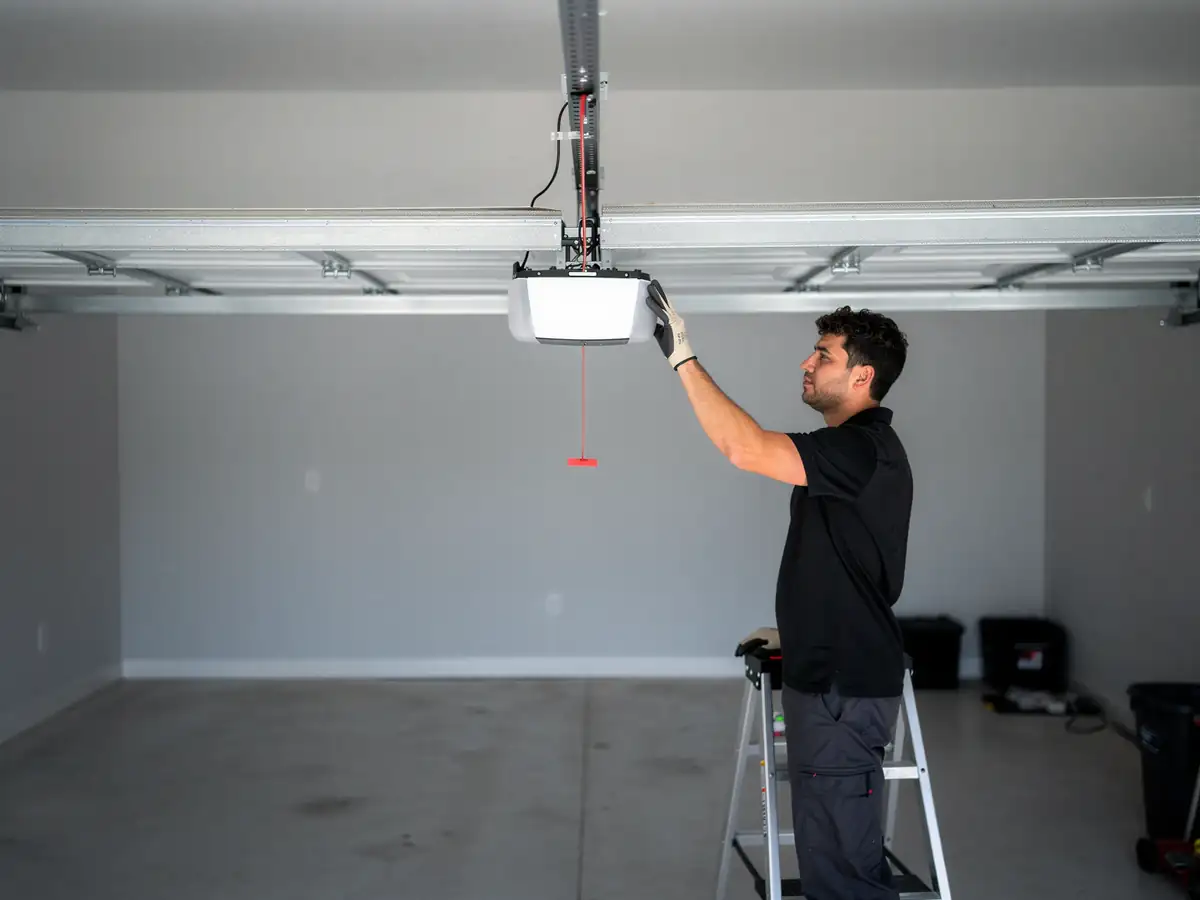
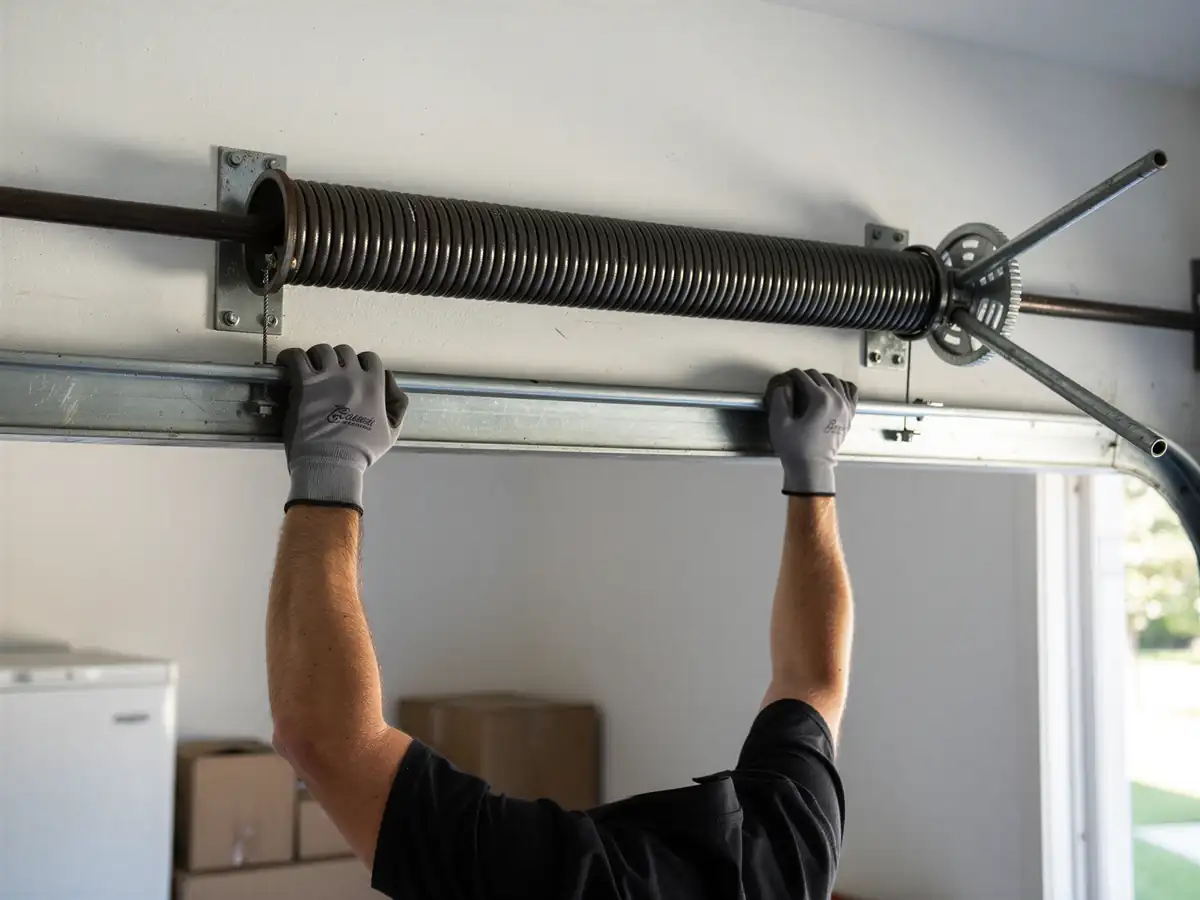
A lot of Atkinson houses went up around 1979, and the garage door that came with that house was almost always a steel sectional with no insulation and a single thin layer of metal. That's not a knock on the builder - it was standard for the era. But it means when you're shopping for a replacement door now, you're not swapping like for like. Modern doors run two or three layers with a polystyrene or polyurethane core, and the track and spring hardware has changed too. If you're used to the original setup, a new install isn't a weekend bolt-on job. The header framing, the track angle, and the opener bracket often need adjusting to fit current door thickness and weight. We're not saying don't try - some owners handle the demo and prep themselves - but the actual hang, balance, and spring tension on a new door is where most DIY attempts stall out, and a door that's out of balance by even a little will wear out its opener fast. If you want a second opinion before you buy, we'll come look at what you've got.
The Symptom
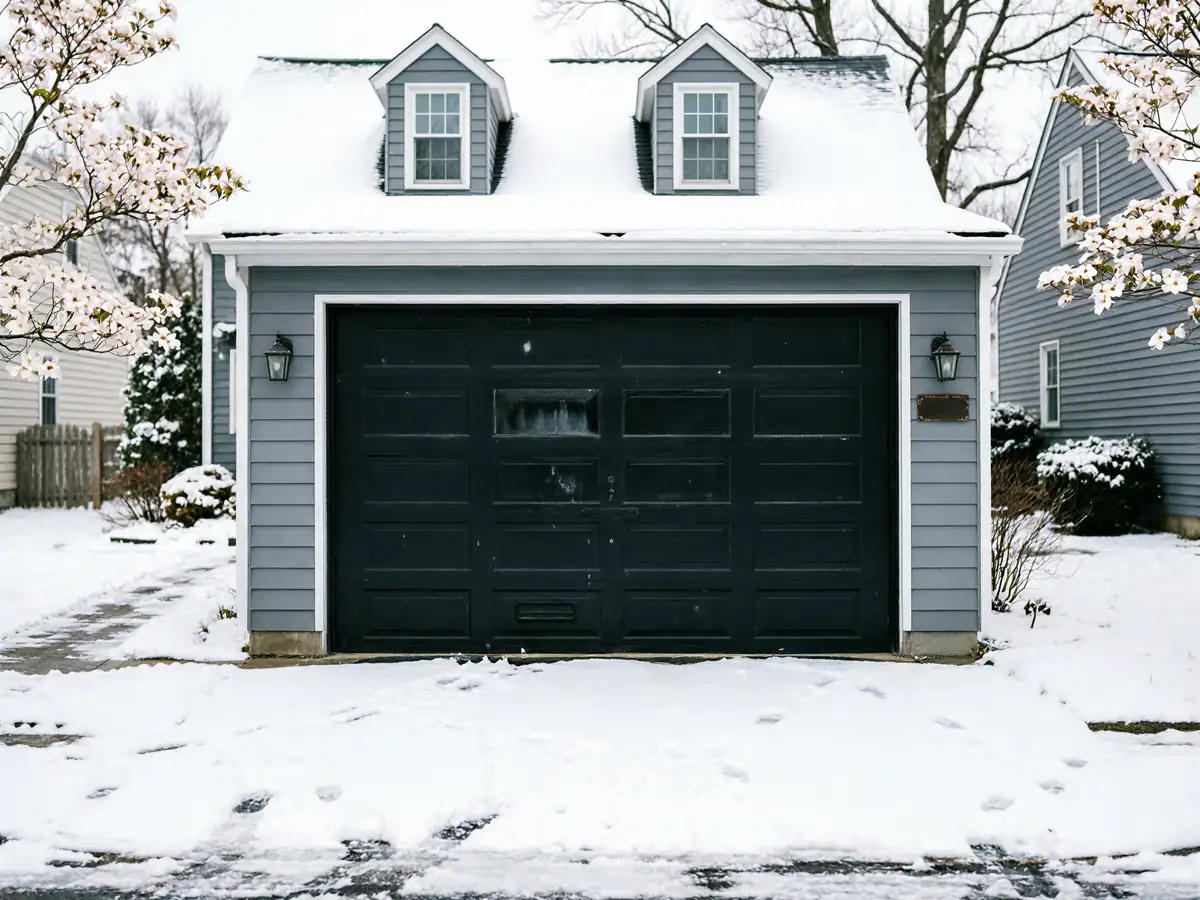
The giveaway in a house built around 1979 isn't usually a door that won't open - it's a door that's heavier to lift by hand than it should be, or an opener that strains and groans partway up. That's the original steel skin doing exactly what it was built to do: block weather, not insulate against it. With Atkinson sitting in a cold, severe climate zone, an uninsulated door means the garage swings with the outside temperature, and anything stored against that shared wall feels it. Another symptom we see on houses from this era: the door looks fine from the driveway but the panels have started to bow slightly at the bottom, a sign the steel has fatigued after four decades of seasonal expansion and contraction. If your door is cosmetically okay and the complaint is really about cold air, drafts, or opener strain, you may not need a full new install - that's a repair conversation first.
Time on the Job
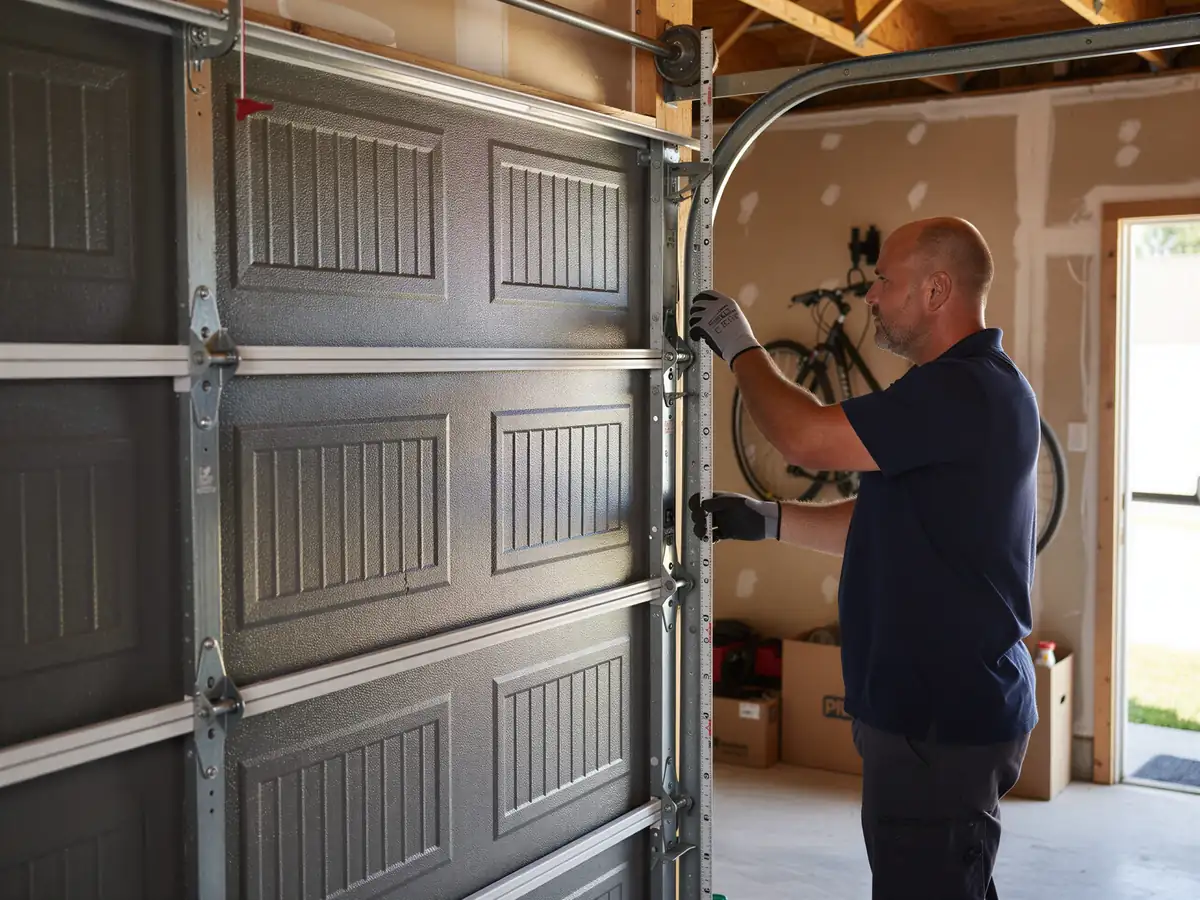
We don't post a fixed response time for Atkinson because we come out of Londonderry, about 10 miles away, and we schedule installs rather than treat them as drive-by jobs. A new garage door install takes planning on our end too - confirming the door size against your opening, checking headroom for the track type, and making sure the order matches your home, not a generic size. Once we're on site, the swap itself is a controlled process: old door and track out, opening checked and squared, new track and springs set to the door's actual weight, then the door hung and balanced. We don't rush the balance step. A door that's off by even a quarter-turn on the spring tension will drift open or slam shut, and that's the kind of callback nobody wants. If your opening has an unusual header height or a shared wall configuration, that gets sorted before the truck even loads.
Why This Fails Locally
The failure pattern in Atkinson tracks straight back to the building stock. Houses from 1979 were built to the codes and material standards of that decade, which did not anticipate the insulation expectations or wind-load door ratings common now, especially in a cold, severe climate zone like this one. A single-layer steel door on original hardware wasn't under-built for 1979 - it just wasn't built for the house to still be using it in 2024. Springs rated for a lighter, thinner door get swapped out for a heavier insulated replacement without re-rating the spring, and that's one of the more common mismatches we find on service calls. With median household income in this area over $144,000, a lot of owners are also upgrading for the insulation and quiet-operation benefits, not just because the old door failed - which changes the conversation from repair to replacement. We'll tell you honestly when a repair buys you a few more years versus when the hardware mismatch means replacement is the better money.
How it works
From “it’s stuck” to “it’s fixed”
1
Tell us what’s wrong
Describe the symptom - won’t open, loud bang, opener runs but the door won’t move.
2
On-site diagnosis
A technician tests the door under power and by hand and finds what actually failed.
3
Clear, up-front plan
You get the fix that’s needed and what drives the cost - before any work starts.
4
Repaired & tested
The repair is done, the door is set true and tested, and the work area left clean.
Next step
Not sure which repair your door needs in Londonderry, NH? Describe what it’s doing - every job starts with a diagnosis.
It's common in Atkinson, where most homes date to the late 1970s through the 1990s. If the door is a plain steel sectional with no foam core and basic extension springs, there's a good chance it's either original or a like-for-like replacement from decades ago rather than a modern insulated unit.
Do you install the same day you come to Atkinson?
We travel from Londonderry, about 10 miles out, and installs are scheduled rather than same-day drive-bys. We confirm your door size, track type, and header clearance ahead of time so the install itself goes in one visit once we're on site.
Will a new insulated door fit my old 1979 track?
Usually not without changes. Insulated doors weigh more than the original steel panels this era used, so the track angle, spring tension, and sometimes the opener bracket need adjusting or replacing to handle the new weight safely.
Should I repair or replace an old door that still opens fine?
If the panels are solid and the issue is just drafts or opener strain, a repair or weatherstrip upgrade might solve it without a full replacement. We'll look at the actual door before recommending a swap - not every older door needs to go.
Ready to get your garage door sorted?
Tell us what it’s doing and where you are in Londonderry - we’ll take it from there.