Time on the Job
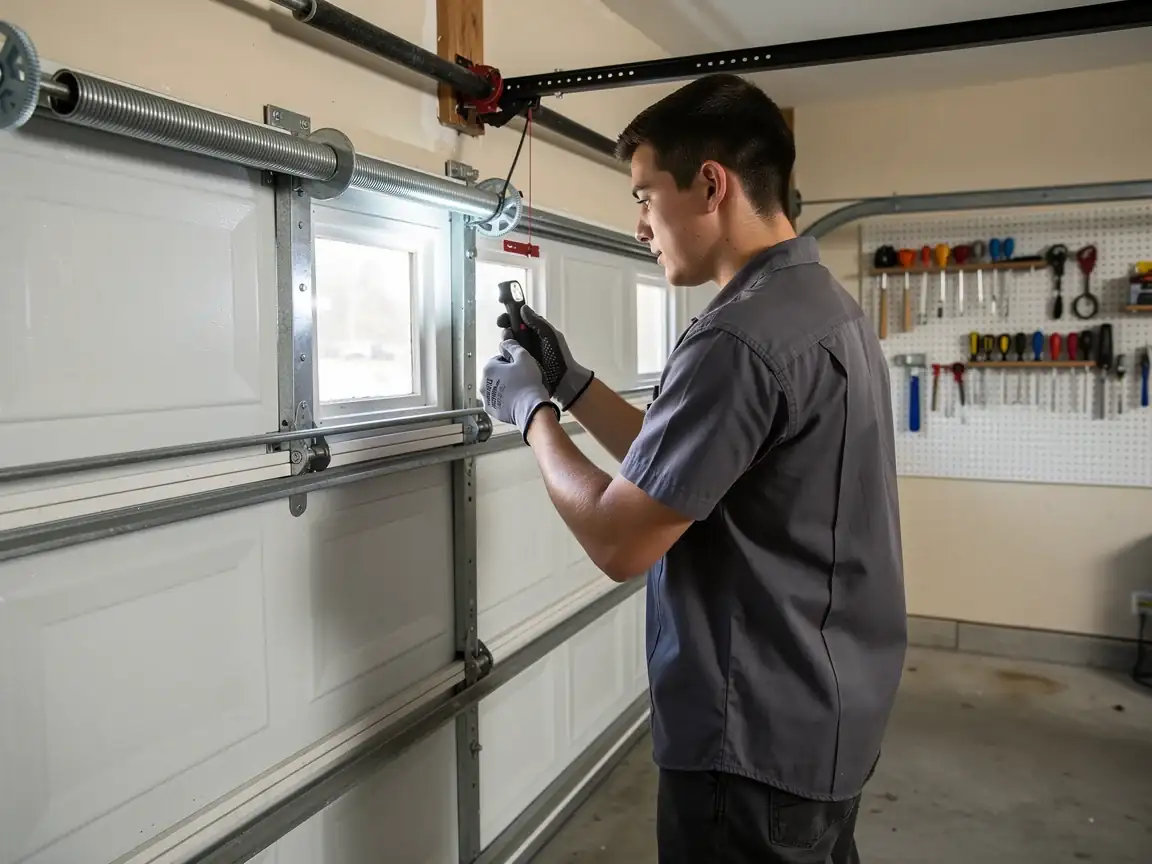
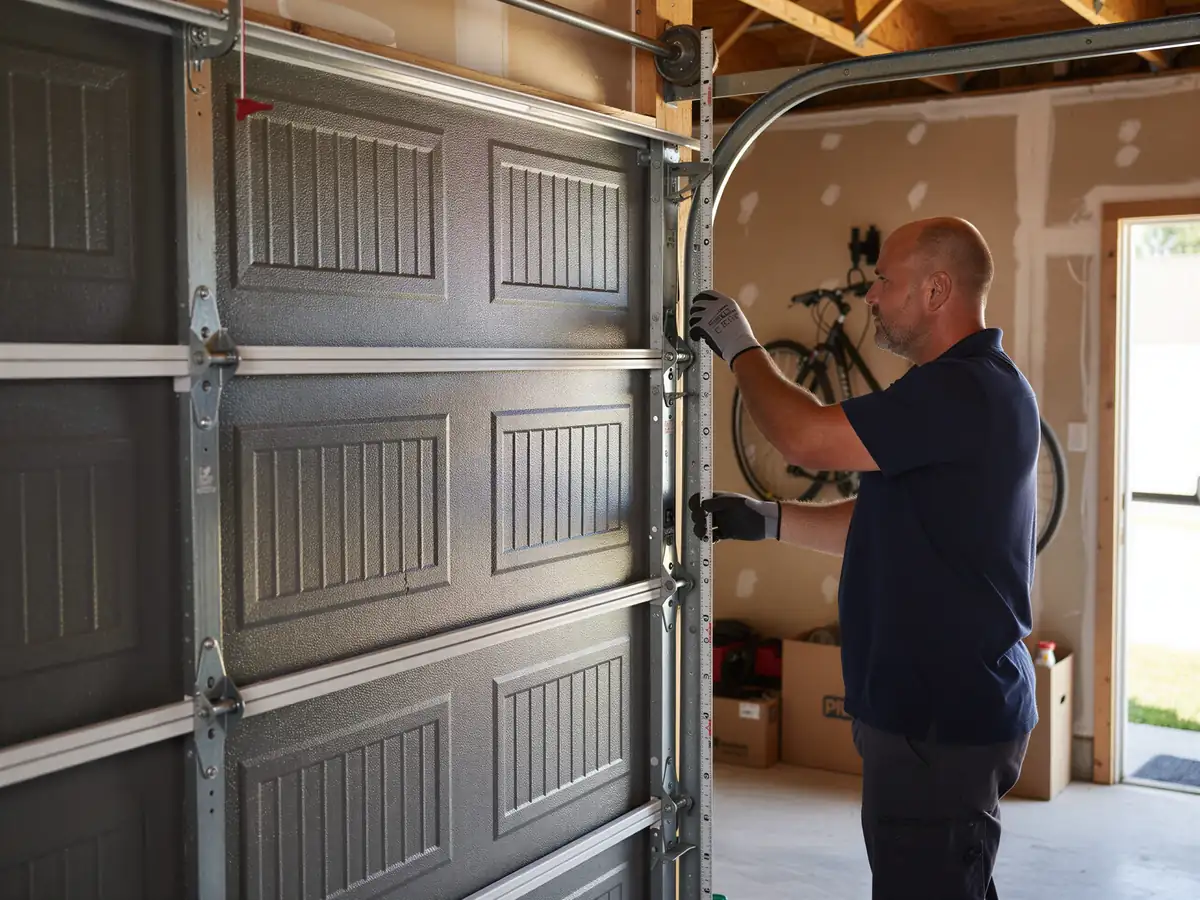
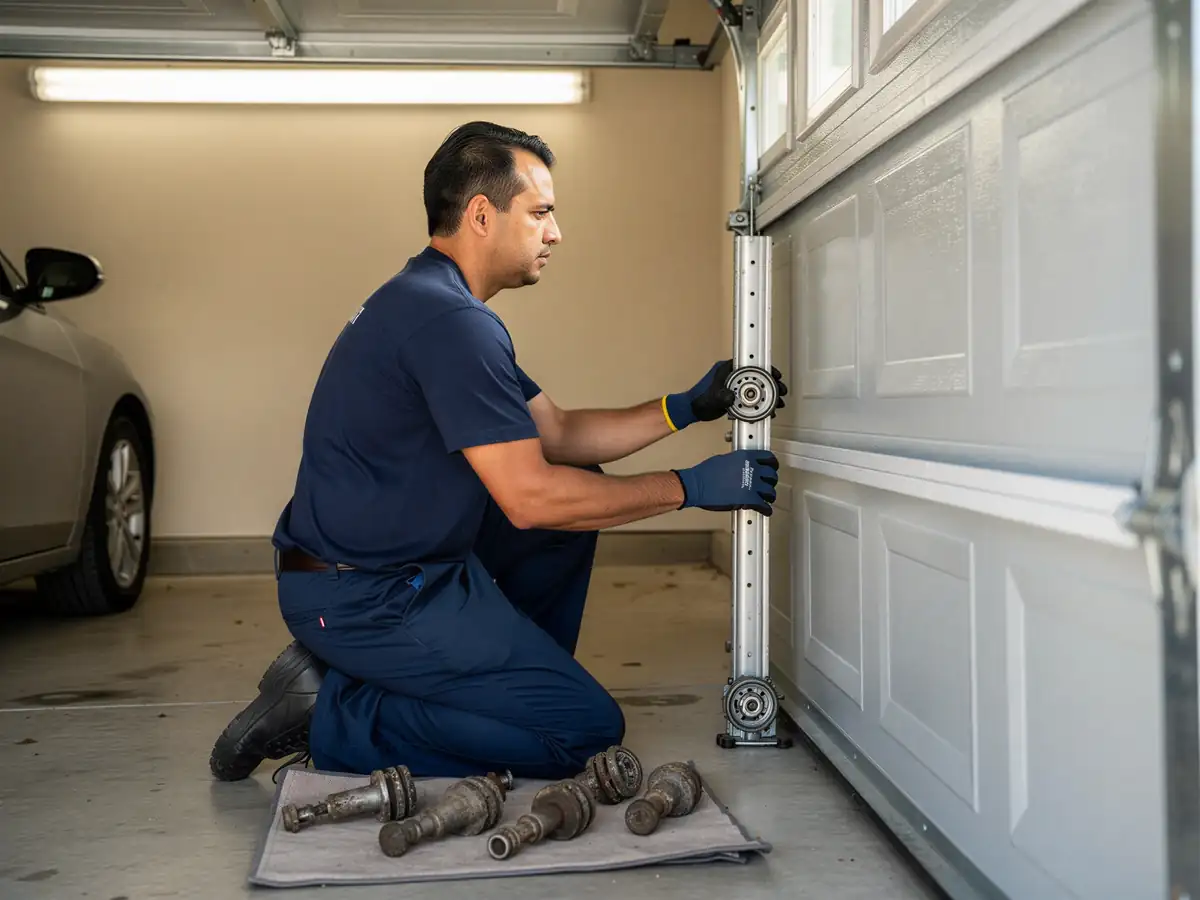
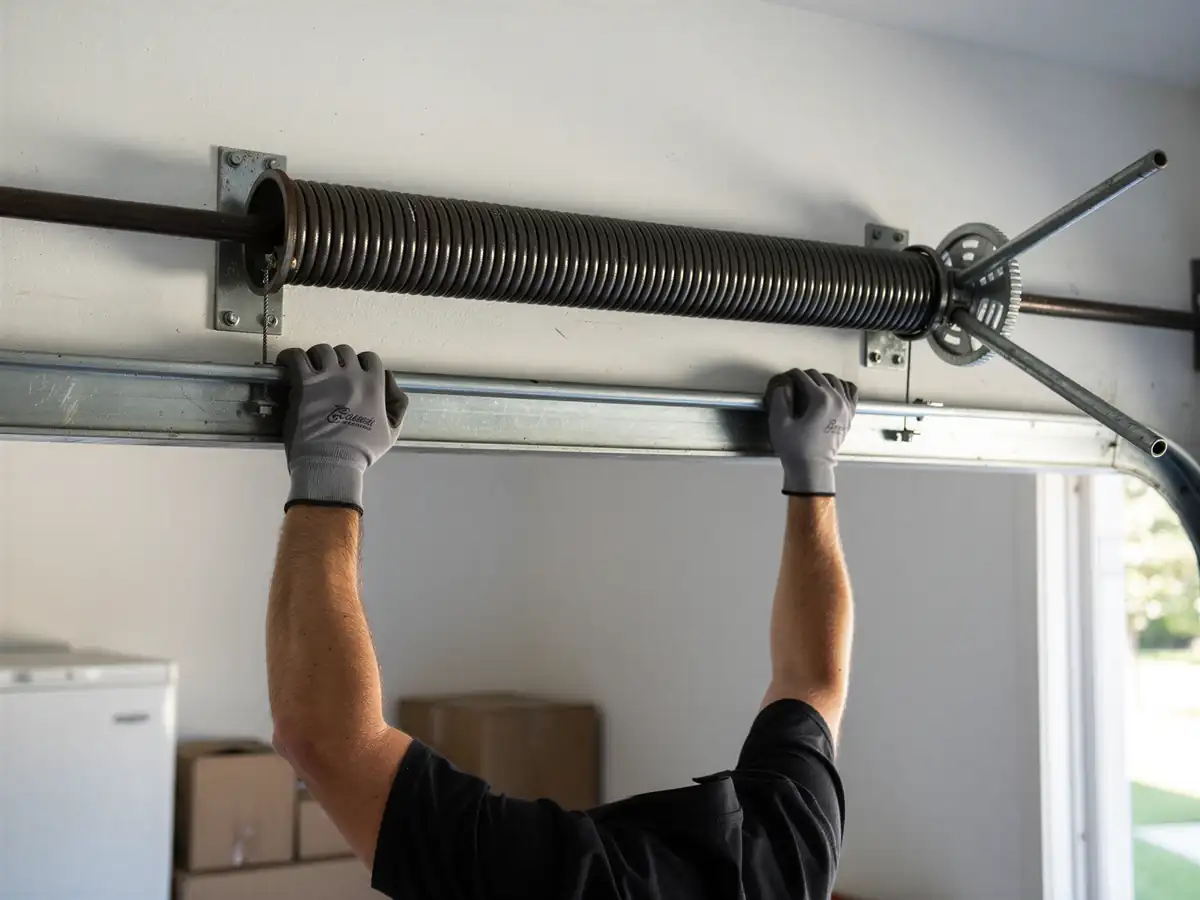
A straight torsion spring swap on a standard double door usually runs under two hours once the truck's on site, including balancing the door afterward so the opener isn't doing the lifting. Two springs instead of one, or a cable that let go when the spring broke, adds time. We don't quote a response window for Litchfield specifically - we run out of Londonderry, five miles south, and how fast we can get to you depends on where the truck already is that day, not on a blanket promise. What we will tell you straight: a broken spring is not a wait-a-week repair. A door with a snapped torsion spring is effectively unopenable without serious risk to whoever tries to force it, so we move these jobs up ahead of cosmetic work.
Getting It Booked In
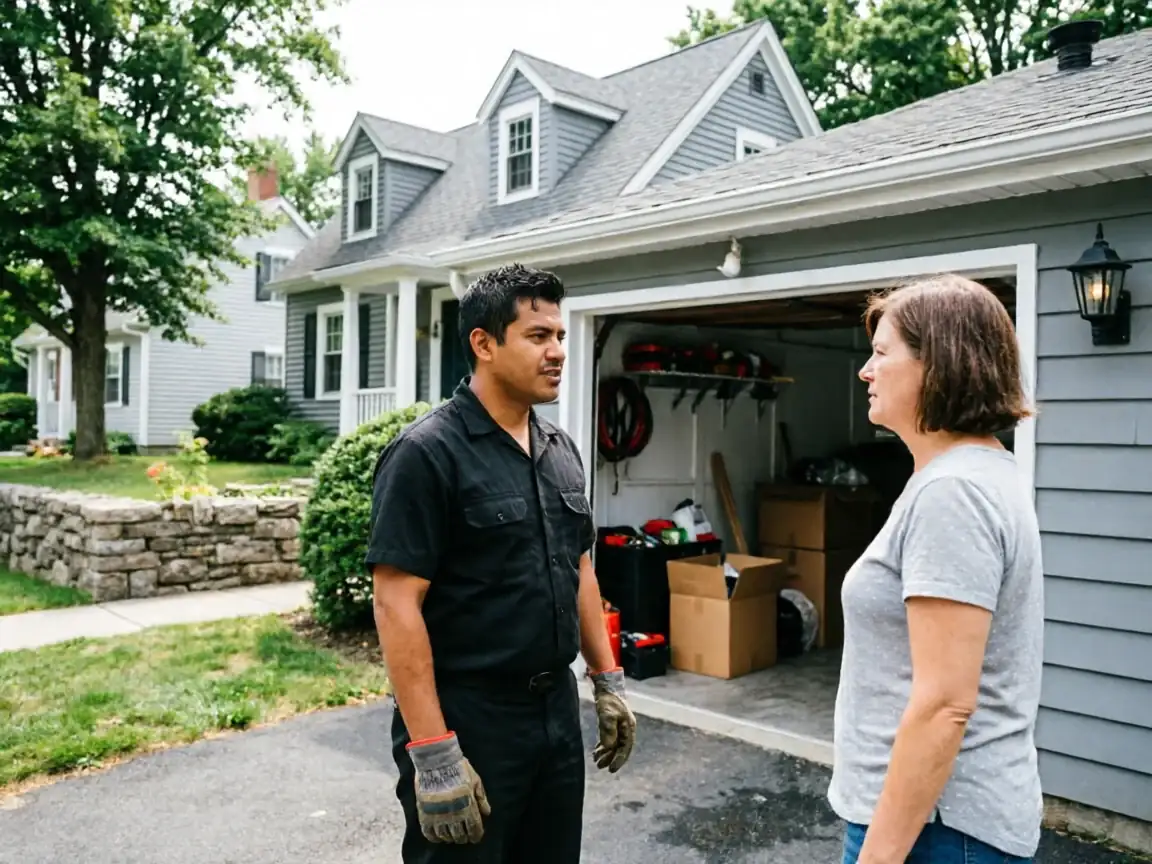
Call it in, tell us the door size (single or double) and roughly how old the house is, and we'll bring springs sized for that era rather than showing up and hoping. Since we're traveling the 5 miles from Londonderry rather than working out of a Litchfield depot, we don't do same-hour walk-up service - we schedule the trip, confirm the spring type over the phone where we can, and bring backup hardware for the bearing plates and cables that tend to go at the same time as the spring on a system this age. If you've already got the door open manually (which you should, once a spring breaks - don't run the opener), let us know on the call so we can plan the visit around getting it back on torsion safely.
What Can Go Wrong
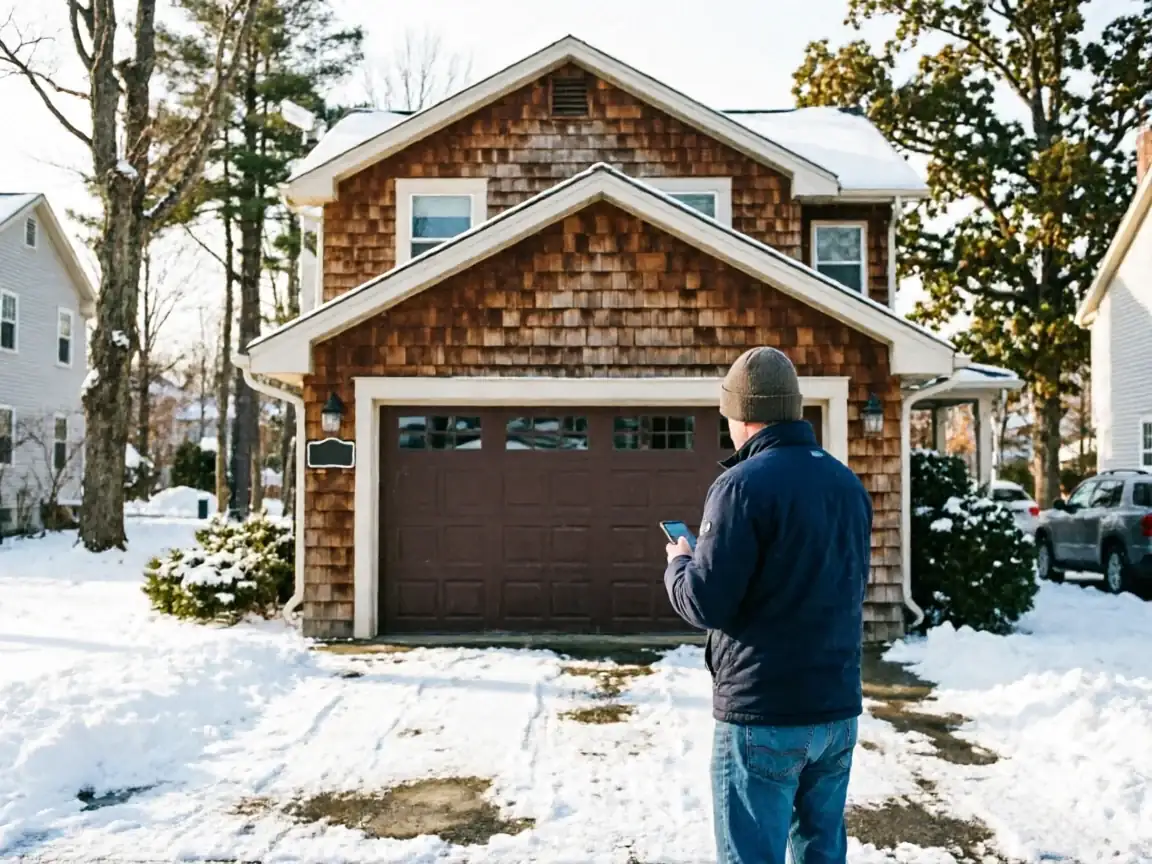
The service area sits in a severe cold climate band, and torsion springs lose temper faster when they're cycling through hard freezes every winter - the metal gets brittle at the cold end of its range, and a spring that's been quietly weakening for a few seasons tends to let go on the coldest morning of the year, not the mildest. On 1980s-era doors specifically, we also see end bearing plates that have rusted into the frame after decades of condensation in an unheated garage, which turns a simple spring swap into a bracket replacement too. Cables fray where they wrap the drum, especially once a spring is already down and the door's been forced open or closed on one side. None of this is unique to any one house, but it shows up consistently on doors from this build era, which is most of what's in Litchfield.
Why This Fails Locally
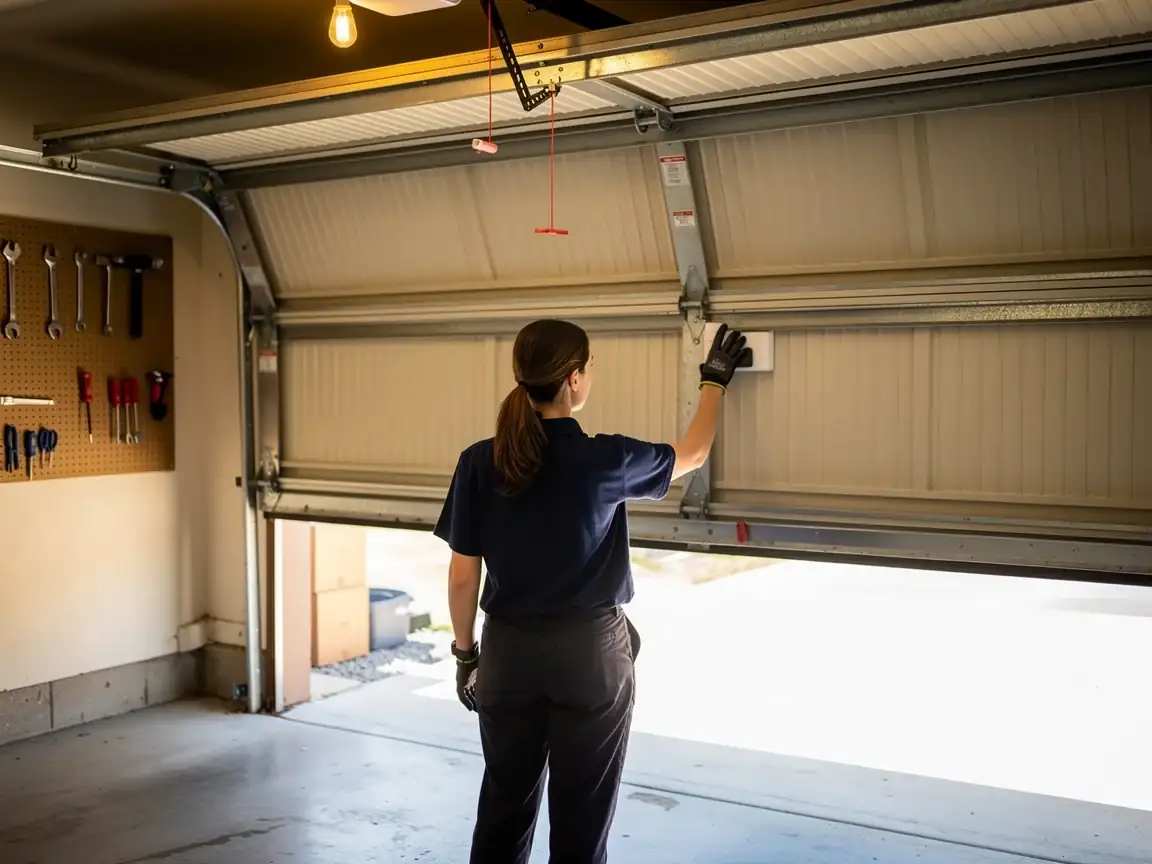
A generic spring repair page would tell you springs last 7 to 10 years and leave it there. That's not useful in a town where most garage doors were installed when the houses went up around 1986 and have never been touched since - the spring itself has likely already failed once or twice and been swapped with whatever was on the truck at the time, which may not match the door's actual weight. Across the roughly 3,015 households in Litchfield, that's a lot of torsion systems running on a spring sized for a lighter door than what's actually hanging on it, which shortens the life of the next one too. Fixing it right means weighing and measuring the door on site, not assuming the spring that's there is the spring that belongs there.