Time on the Job
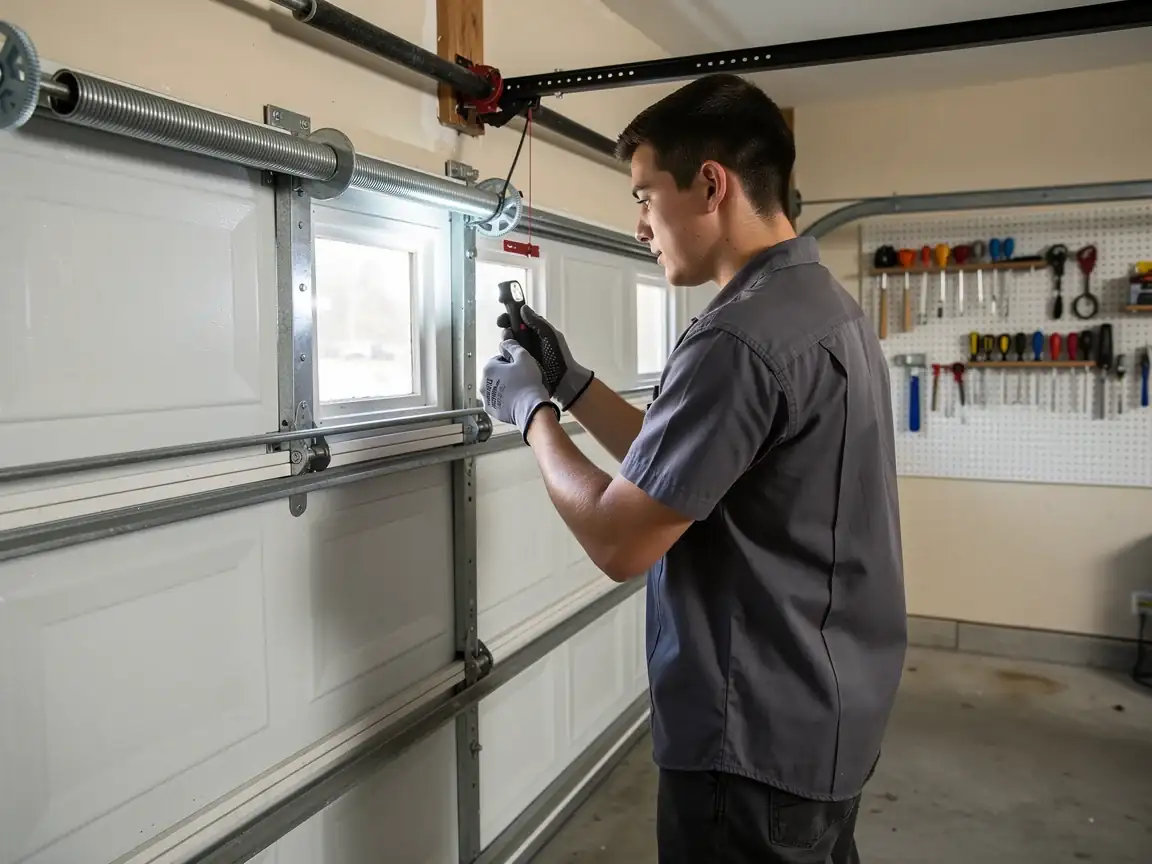
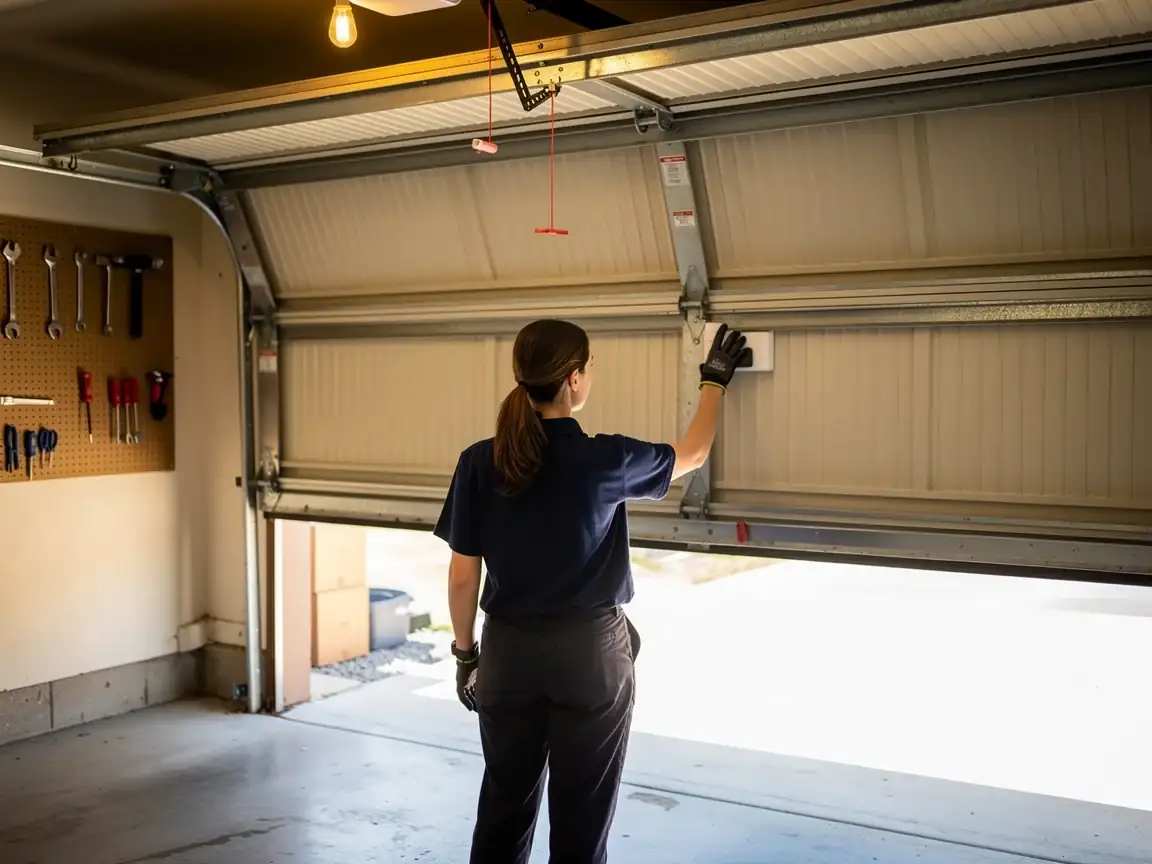
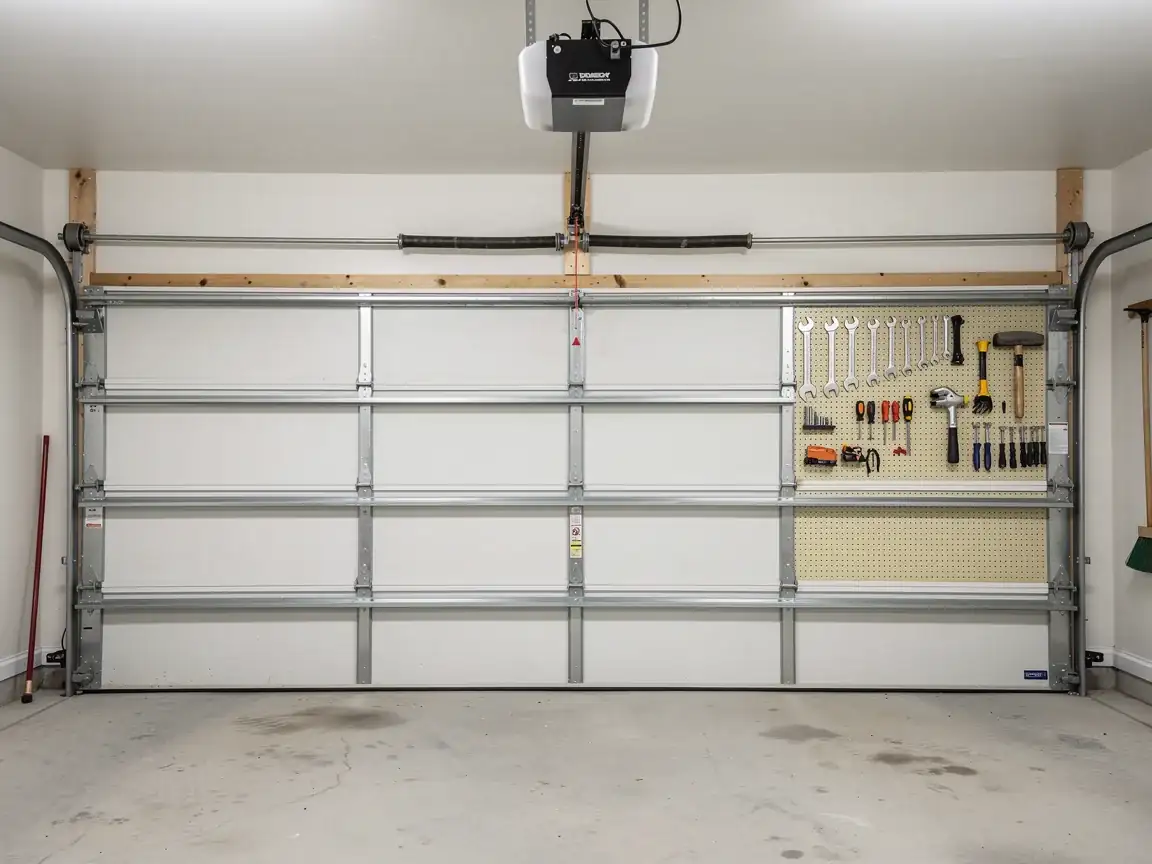
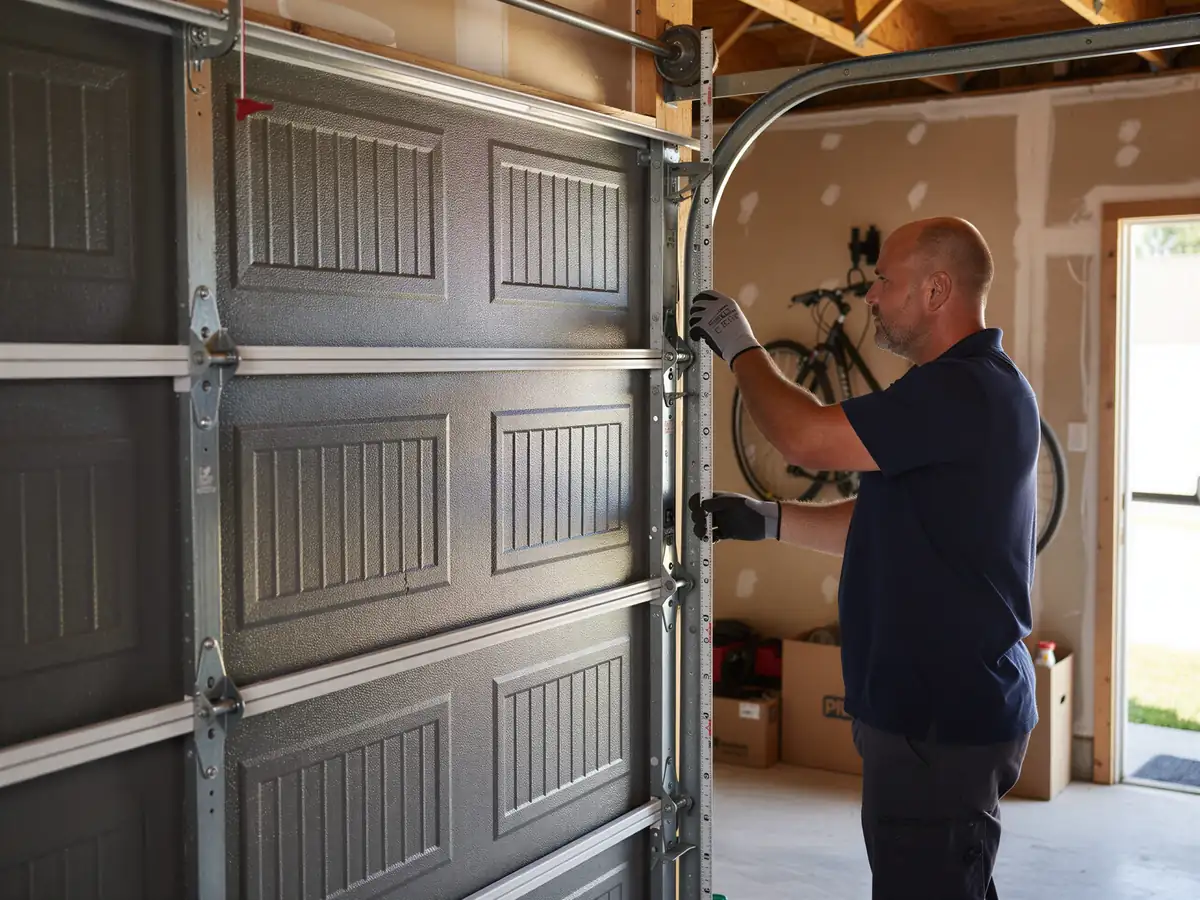
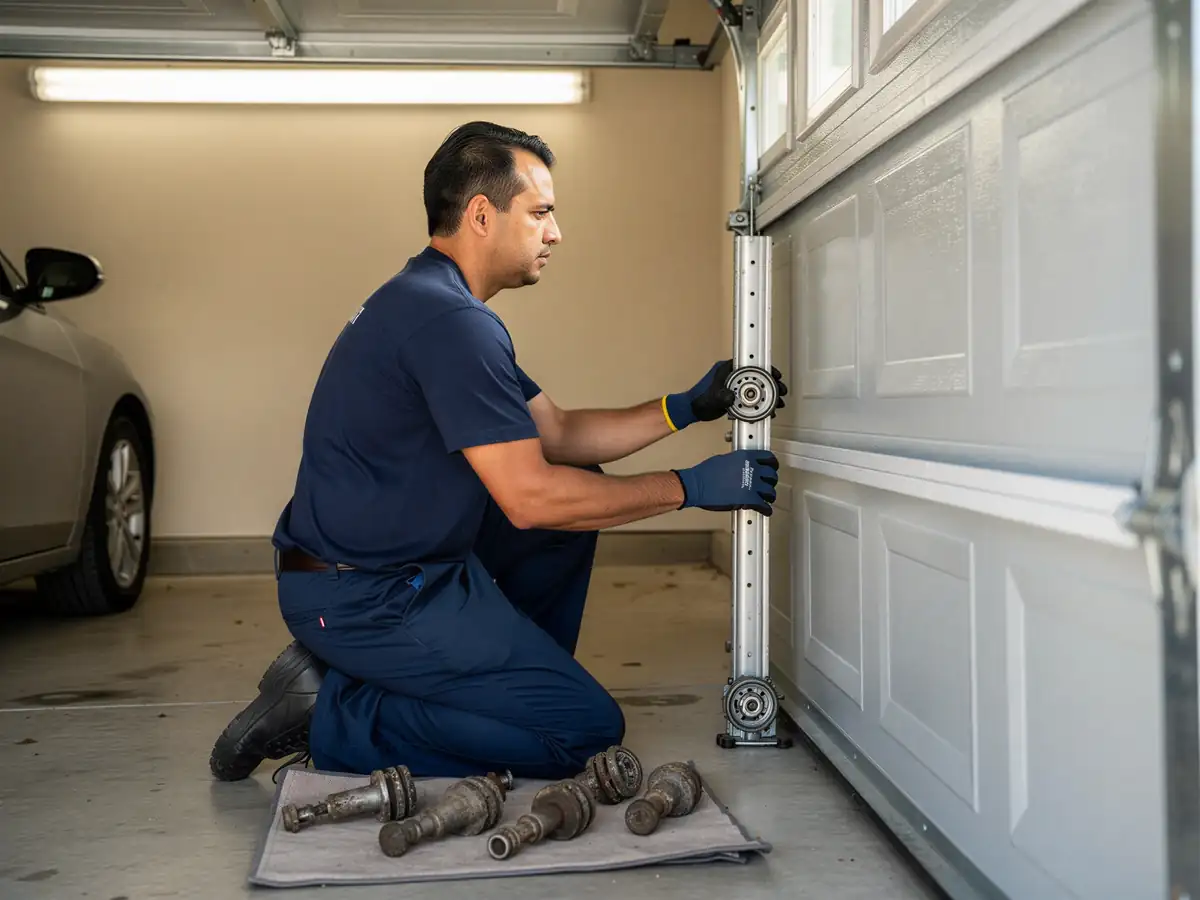
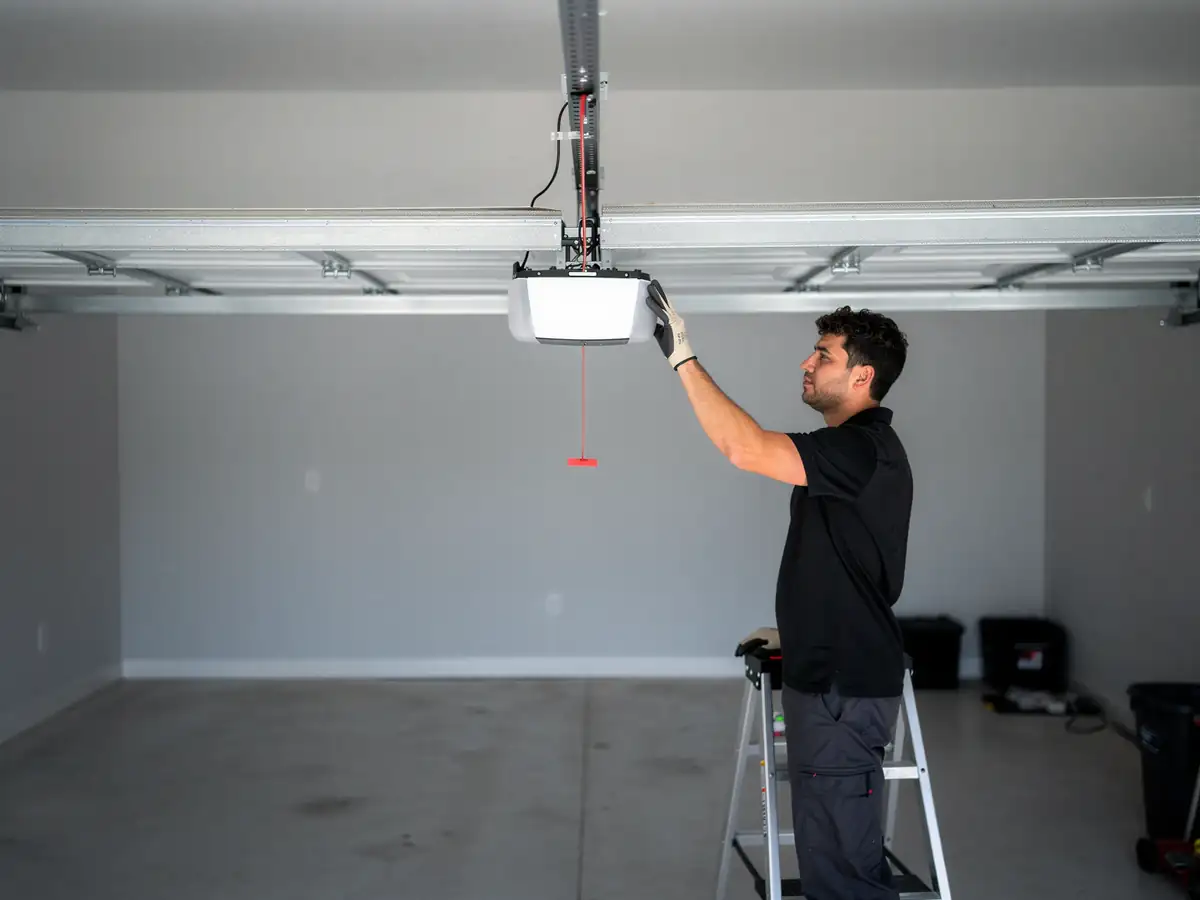
Most opener repairs in Litchfield are a single-visit job. Swapping a stripped gear, replacing a worn chain, or putting in a new logic board on a 1980s-era unit usually runs under an hour once we're on site, because the mechanics of these openers are simple by design - that's part of why they lasted this long in the first place. Diagnosing an intermittent fault takes longer than fixing it: a motor that runs hot and cuts out, or a door that reverses for no clear reason, means testing the travel limits and the capacitor before we touch anything else. If the opener itself is sound but the door is out of balance - heavier on one side, dragging on a track - we'll flag that separately, because an opener fix on a door that isn't balanced right just strips the next gear faster.
Getting It Booked In
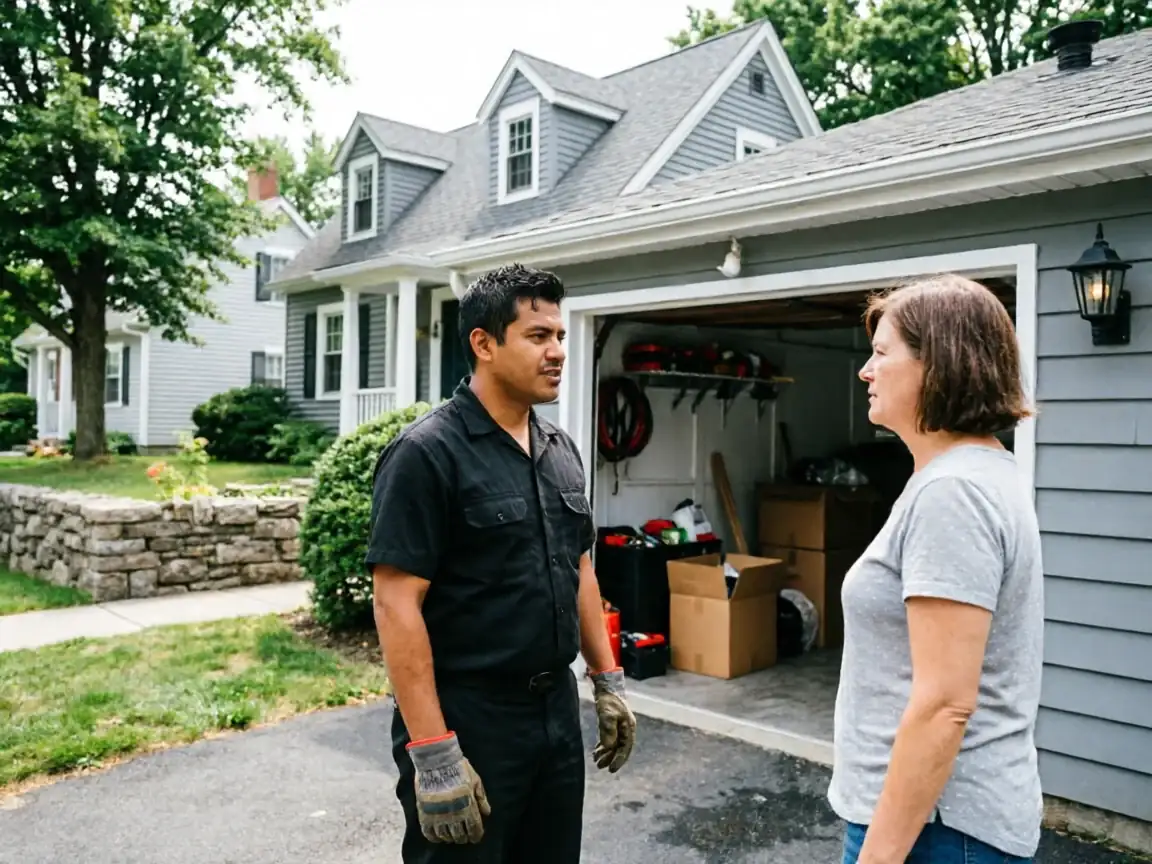
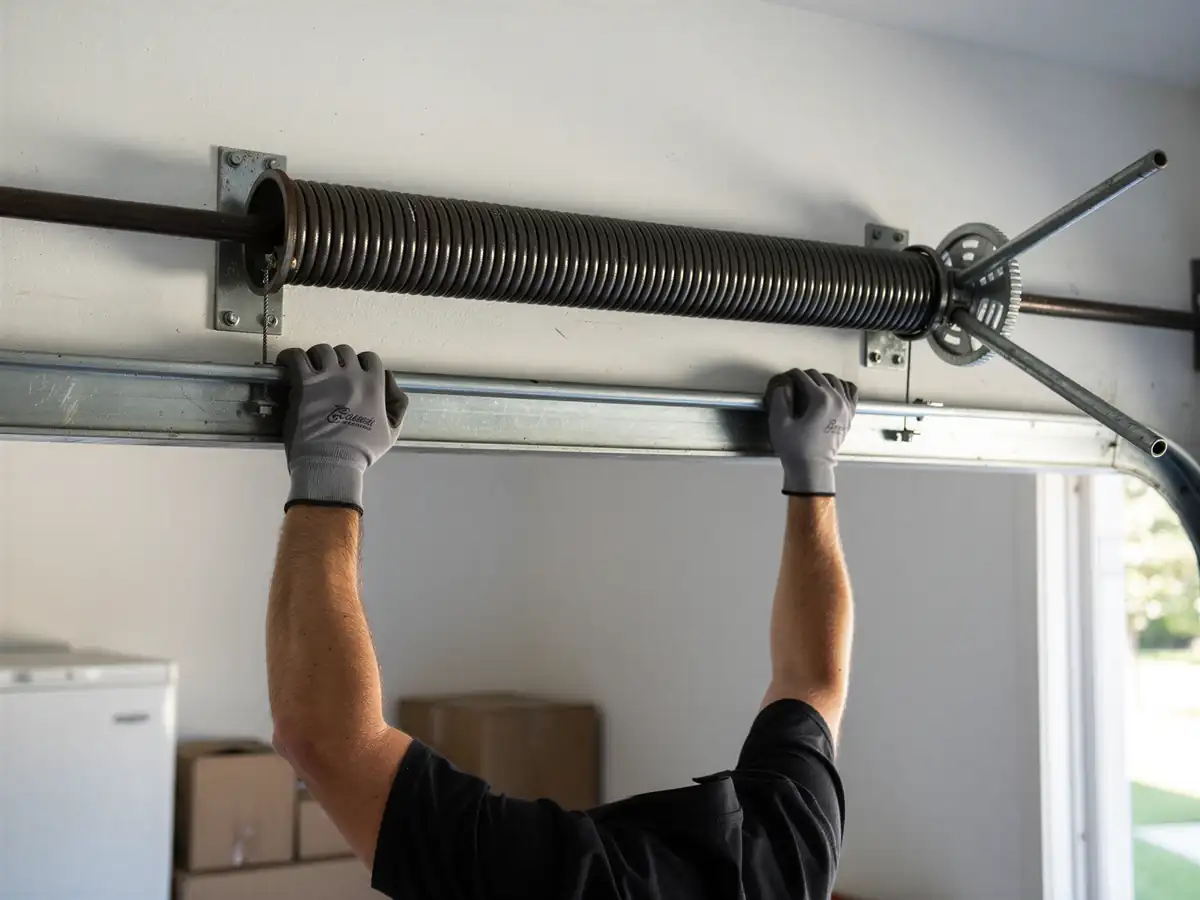
We cover Litchfield from our Londonderry base, five miles up the road - the shortest run of any town in our coverage, so getting a truck out here isn't the issue. What matters more is telling us what you're seeing before we load the truck: does the opener hum but not move the door, run the full cycle and reverse, or stay silent entirely. Each points to a different part, and knowing which one saves a second trip. If your issue is the door itself rather than the opener - a bent track, a cracked panel, a spring that's let go - that's a separate repair, and our general Litchfield door page covers that. For opener work specific to the Londonderry side of our coverage, our main opener repair page has the broader rundown.
What Can Go Wrong
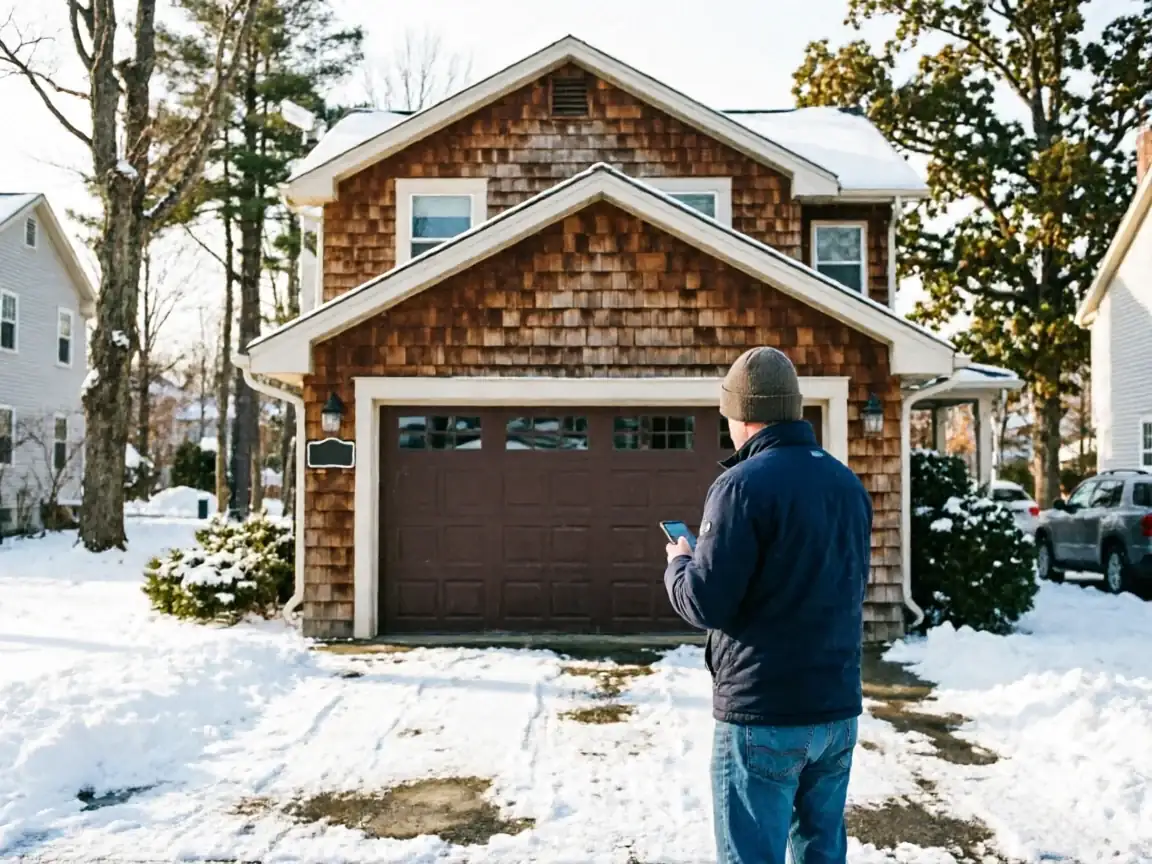
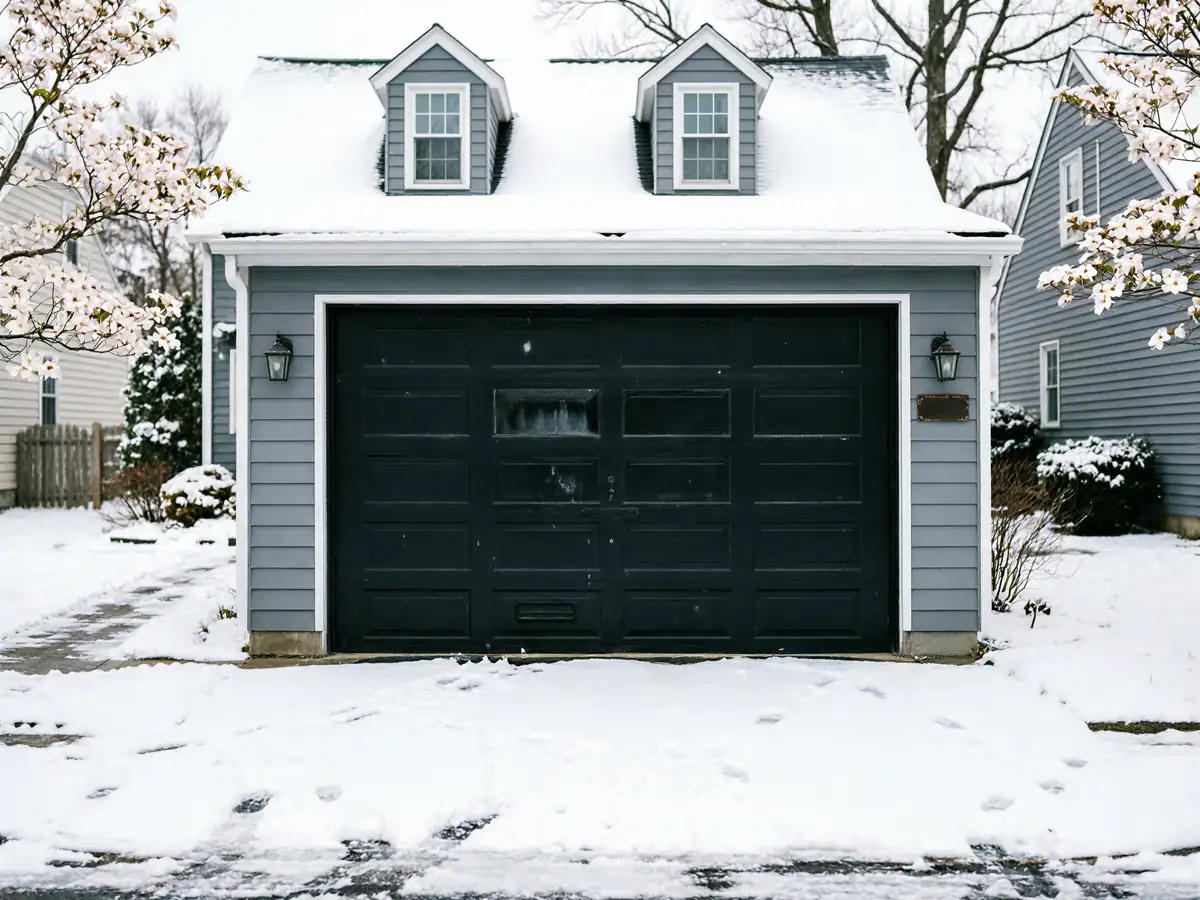
New Hampshire's cold hits older openers harder than newer ones. Grease inside a decades-old gearbox stiffens in deep cold, which makes the motor work against resistance it was never asked to fight when the unit was new - that's often what finally strips a gear that's been wearing down for years. Chain-drive systems on these builder-grade units sag as the chain stretches, and in winter that slack shows up as a louder, rougher cycle before the chain finally jumps the sprocket. Limit switches on mechanical-style openers from this era drift with temperature swings, too, so a door that closed fine in October can start reversing or failing to fully seat by January. None of this means the opener is done - most of it is routine wear catching up with a well-built unit - but it does mean the failures we see in Litchfield cluster around winter for reasons tied directly to how old the hardware is.
Why This Fails Locally
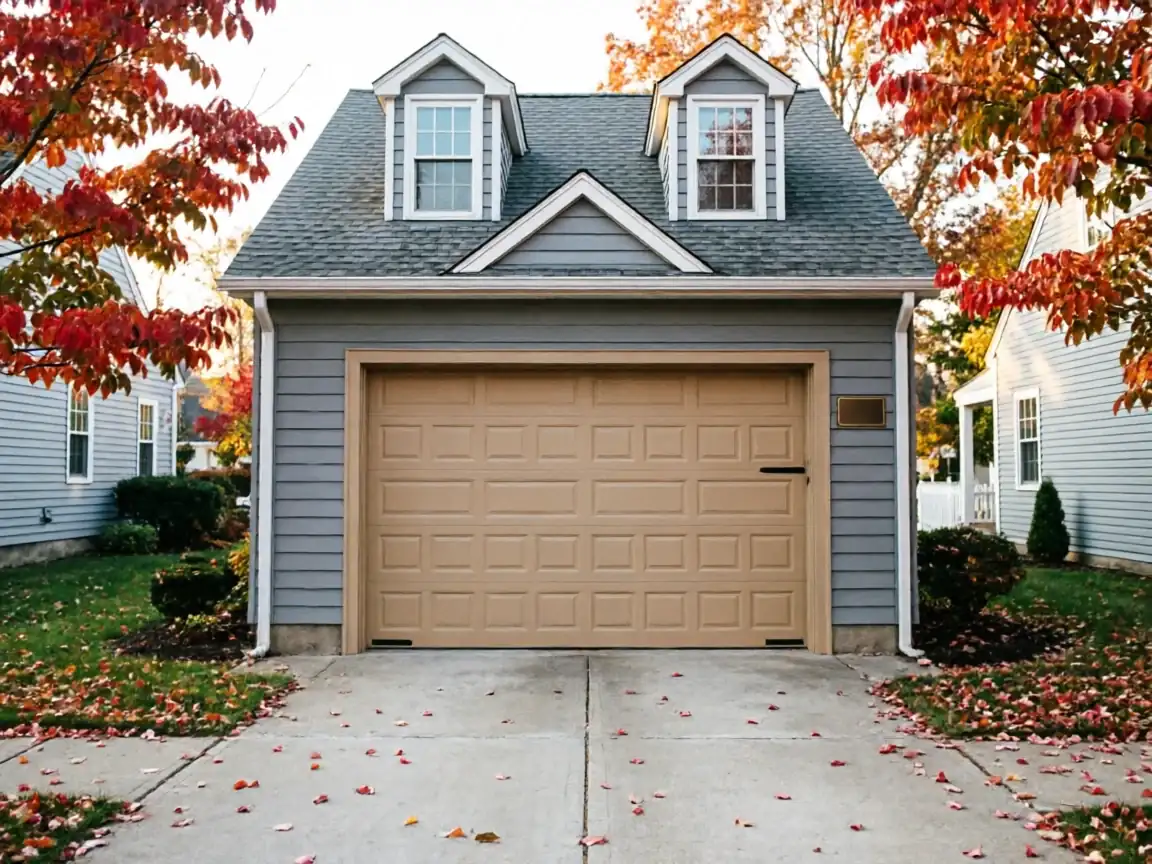
Litchfield's garages are mostly running openers that match a 1986 median build year, a few notches newer than the area overall but still well into the chain-drive, mechanical-limit generation. Combine that hardware with a household base of roughly 3,015 and a median income of $155,881 - comfortably above the $125,774 median across the wider service area - and you get a town where homeowners can afford a clean replacement but often choose to keep repairing a unit that's still mechanically sound. That's a reasonable call right up until the gearbox or board actually fails for good. The fault pattern here isn't generic opener wear; it's specifically what happens to mid-80s chain-drive units pushed through New Hampshire winters for close to four decades, and that's a different repair conversation than we'd have in a town full of 2005-built garages with belt-drive openers already installed.