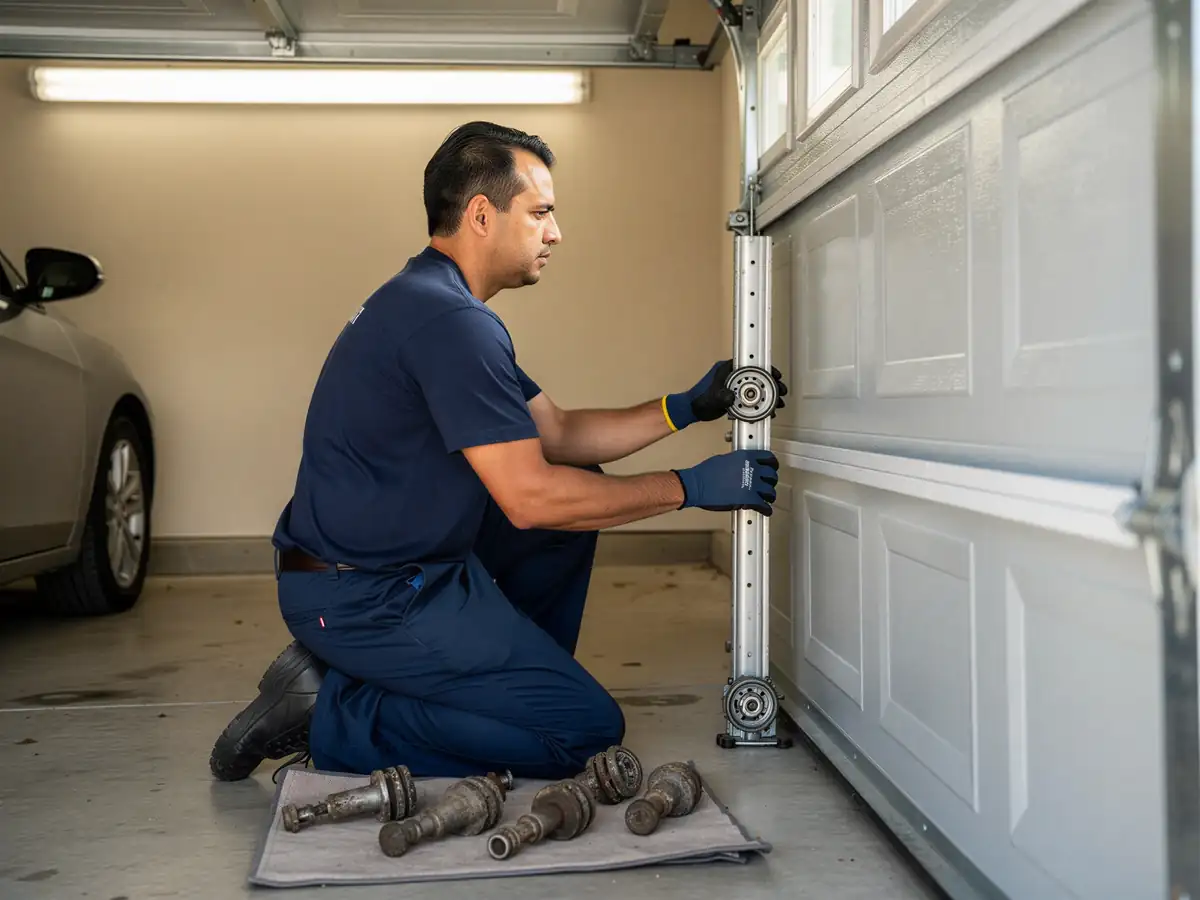

Time on the Job
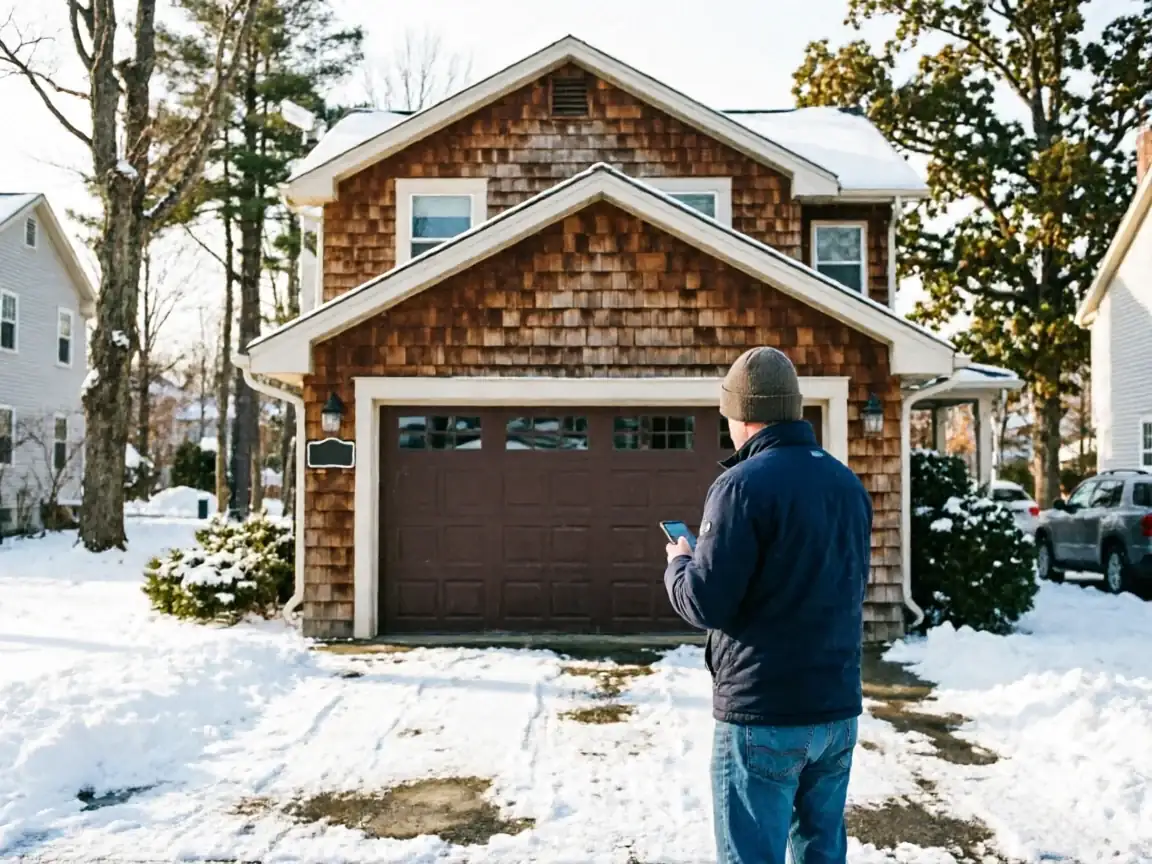
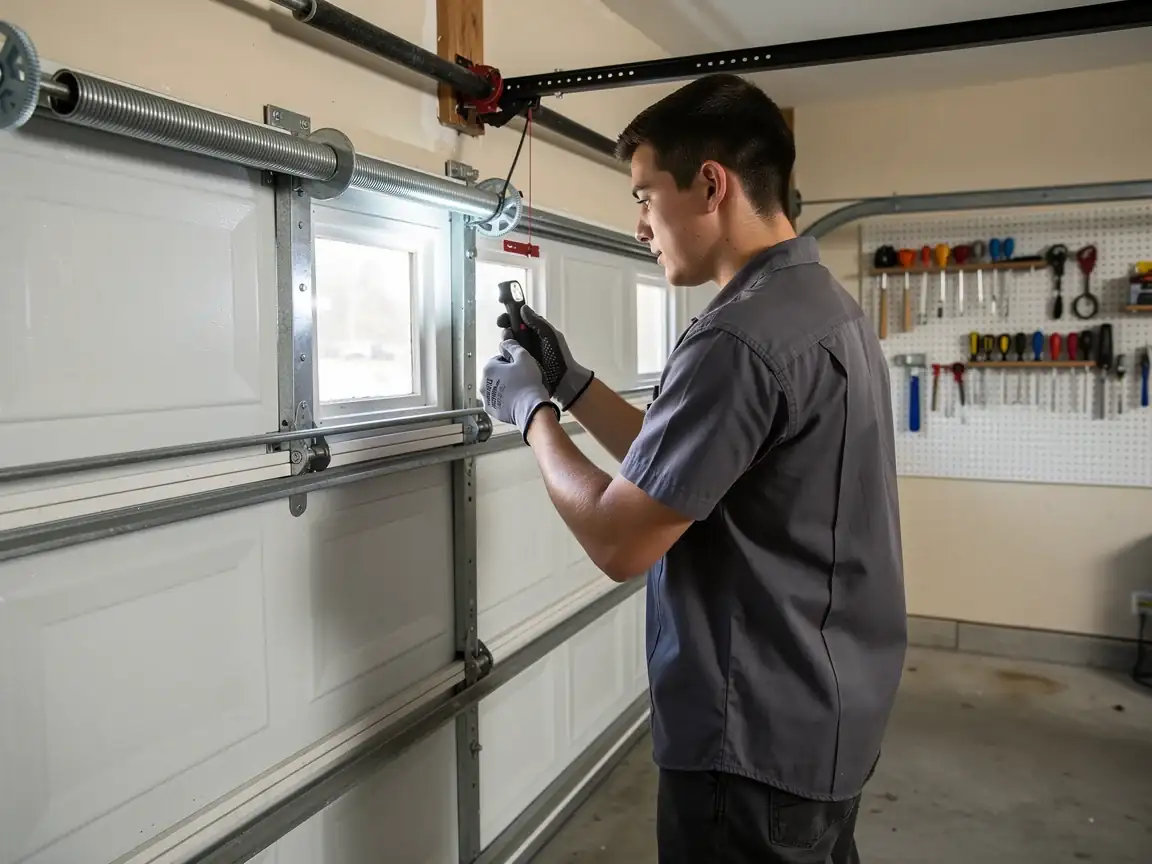
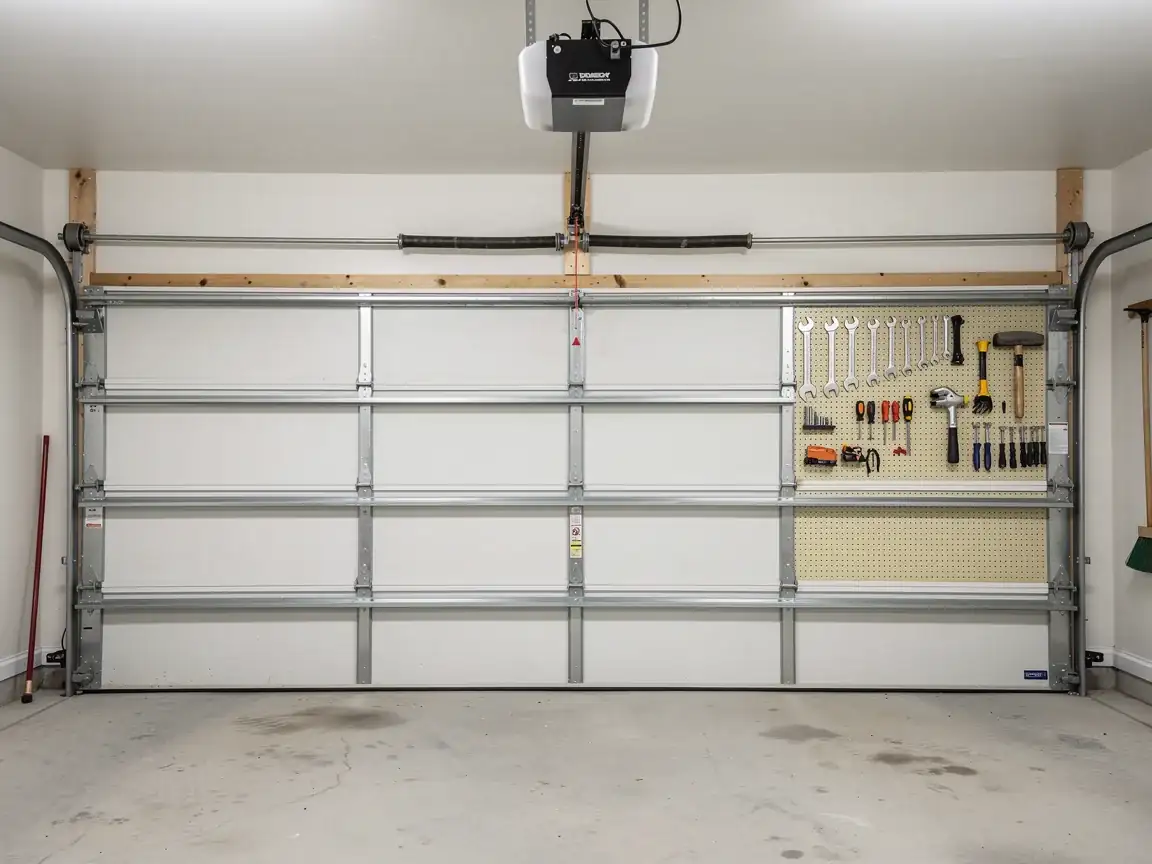
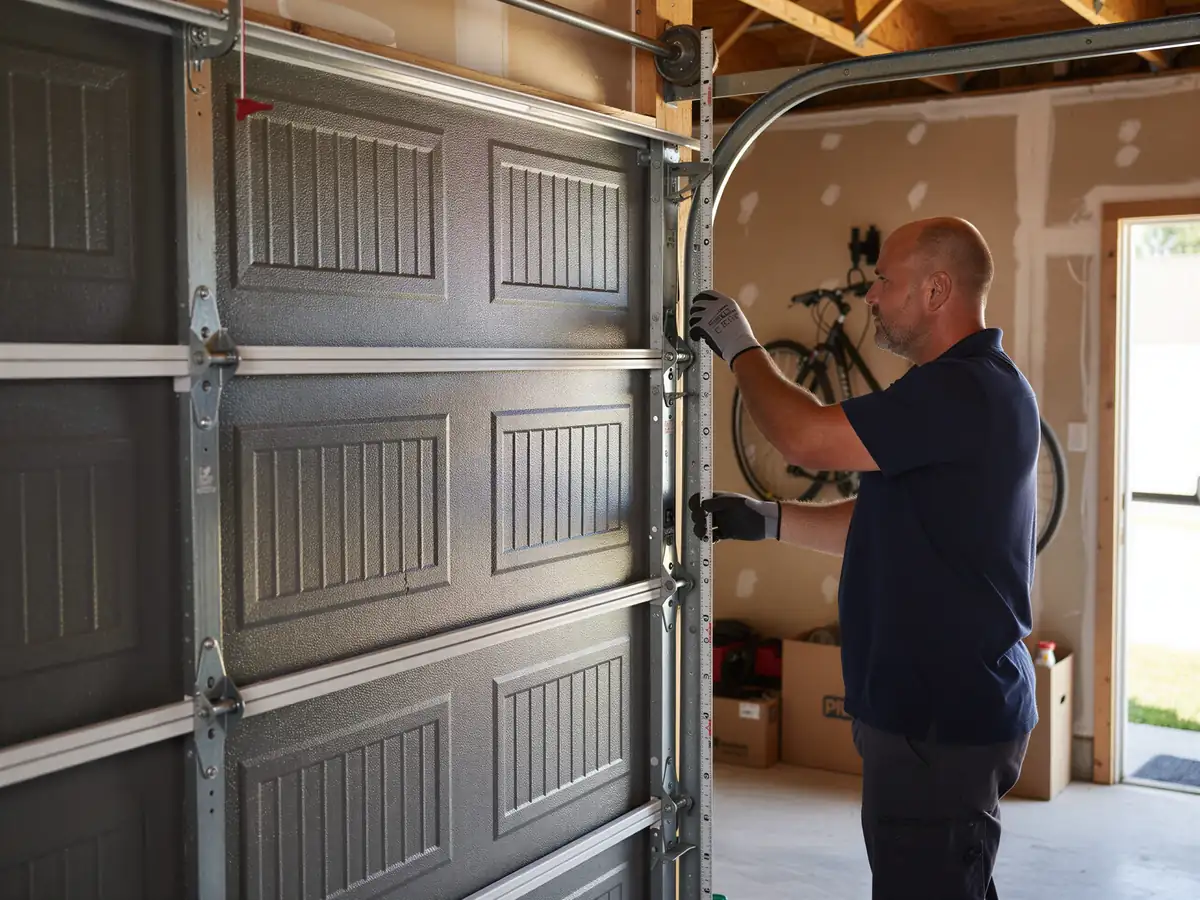
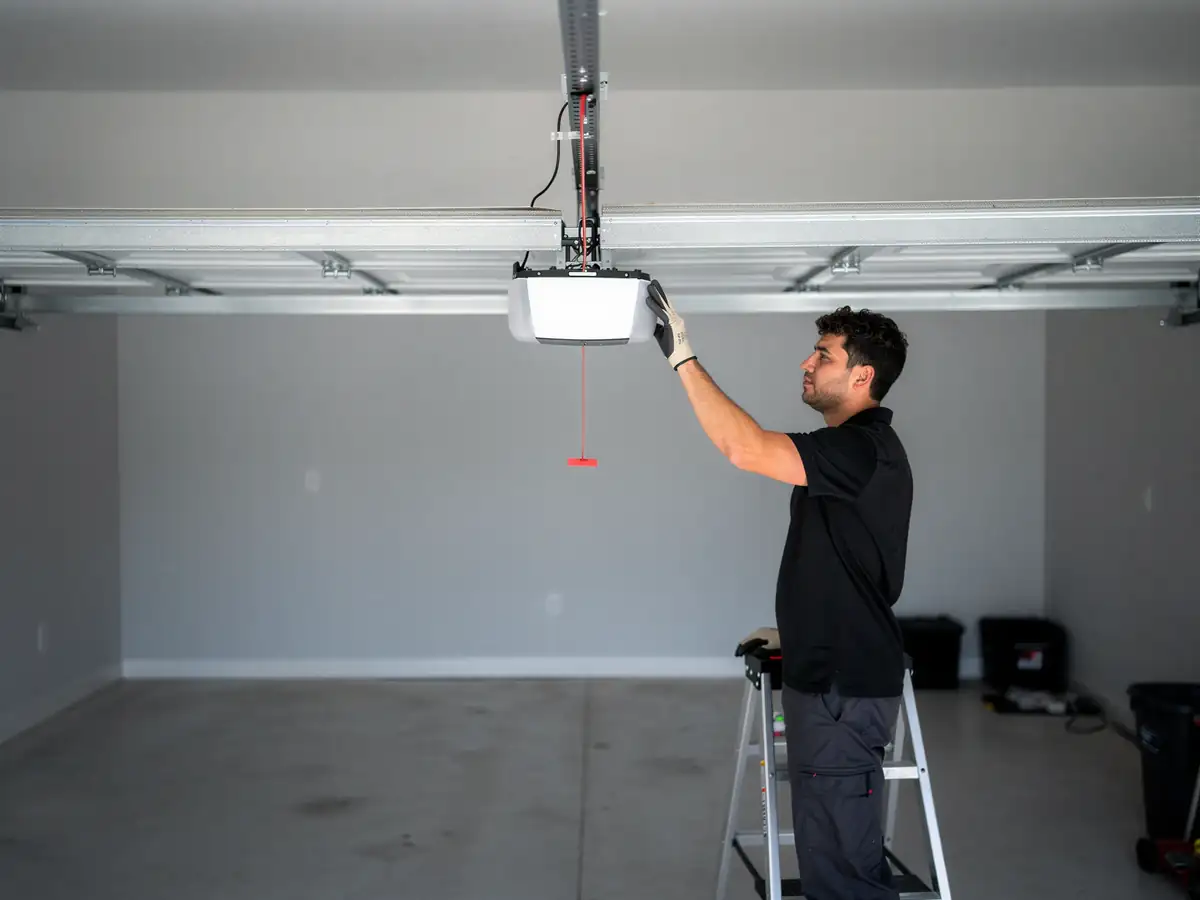
We run out of Londonderry, about five miles from Litchfield, so travel doesn't eat into the appointment the way it would on a longer run. A standard maintenance visit - spring tension check, track alignment, roller and hinge lubrication, opener force test - usually runs under an hour once we're on-site. Doors with worn rollers or a cable starting to fray take longer, since we'd rather replace the part while we're there than schedule a second trip. We don't keep a branch or a depot in Litchfield itself; we come from Londonderry for every job, which means the truck is stocked before we leave, not restocked halfway through.
Getting It Booked In
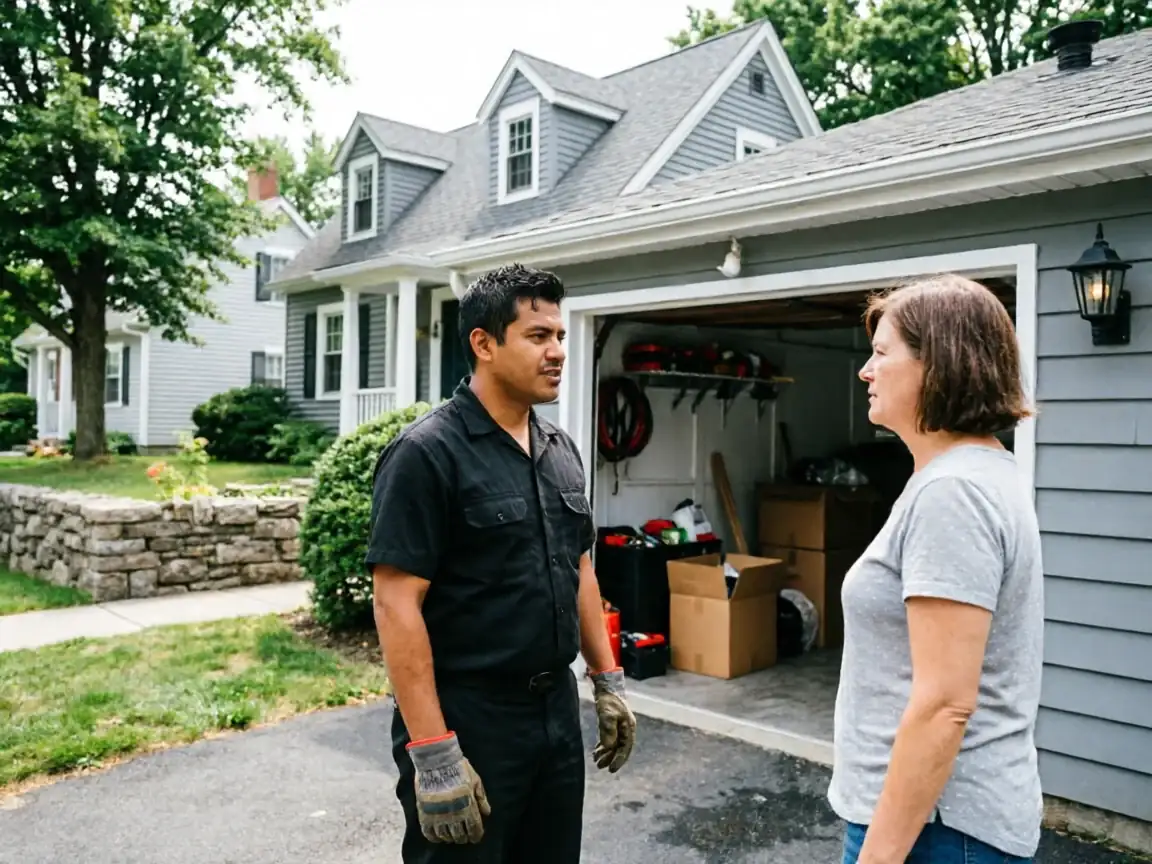
Since every Litchfield job is a dispatch from Londonderry, booking works best when you can tell us the door's approximate age and whether it's ever had a spring replaced. A door from the 1986 build wave with its original hardware gets a different inspection than one that's already had a torsion conversion. We schedule maintenance visits in blocks when we can, so if a neighbor on your road has booked the same week, ask - it sometimes lines up and saves everyone a trip.
What Can Go Wrong
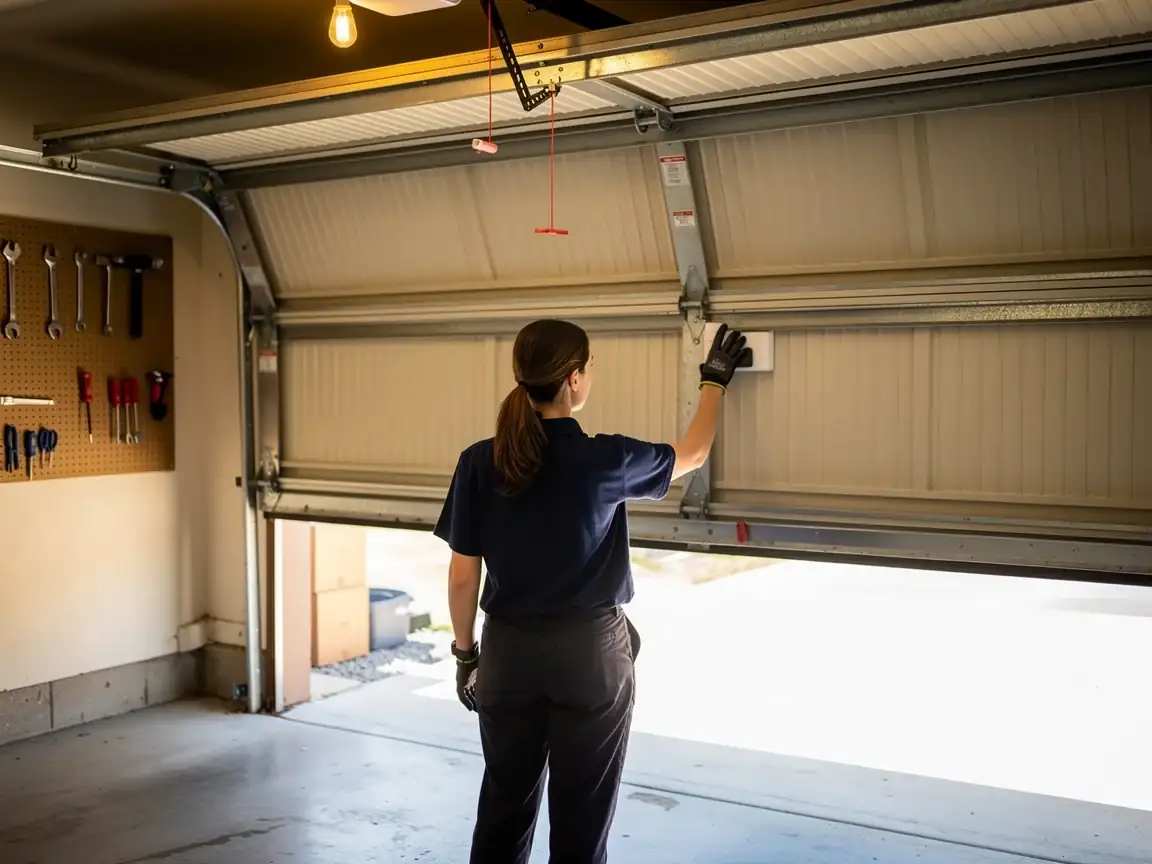
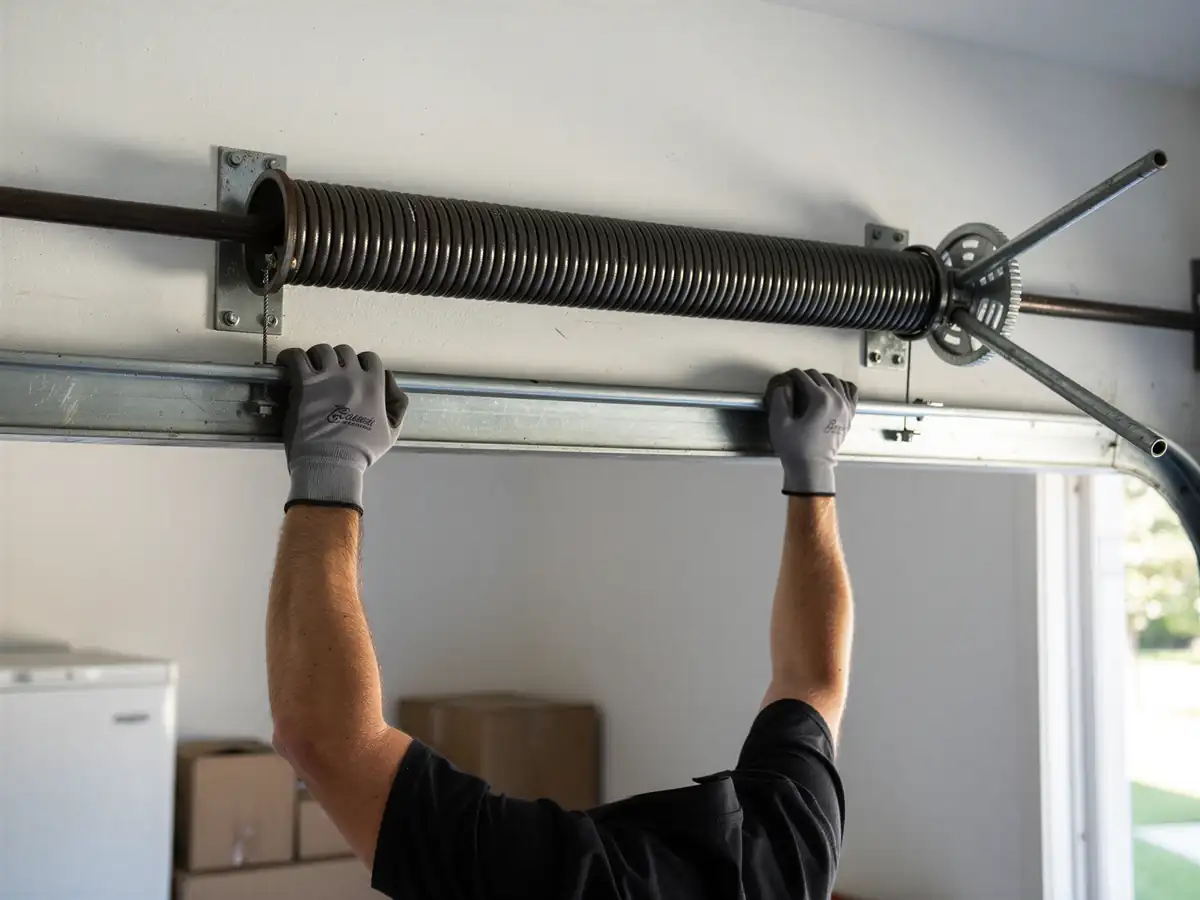
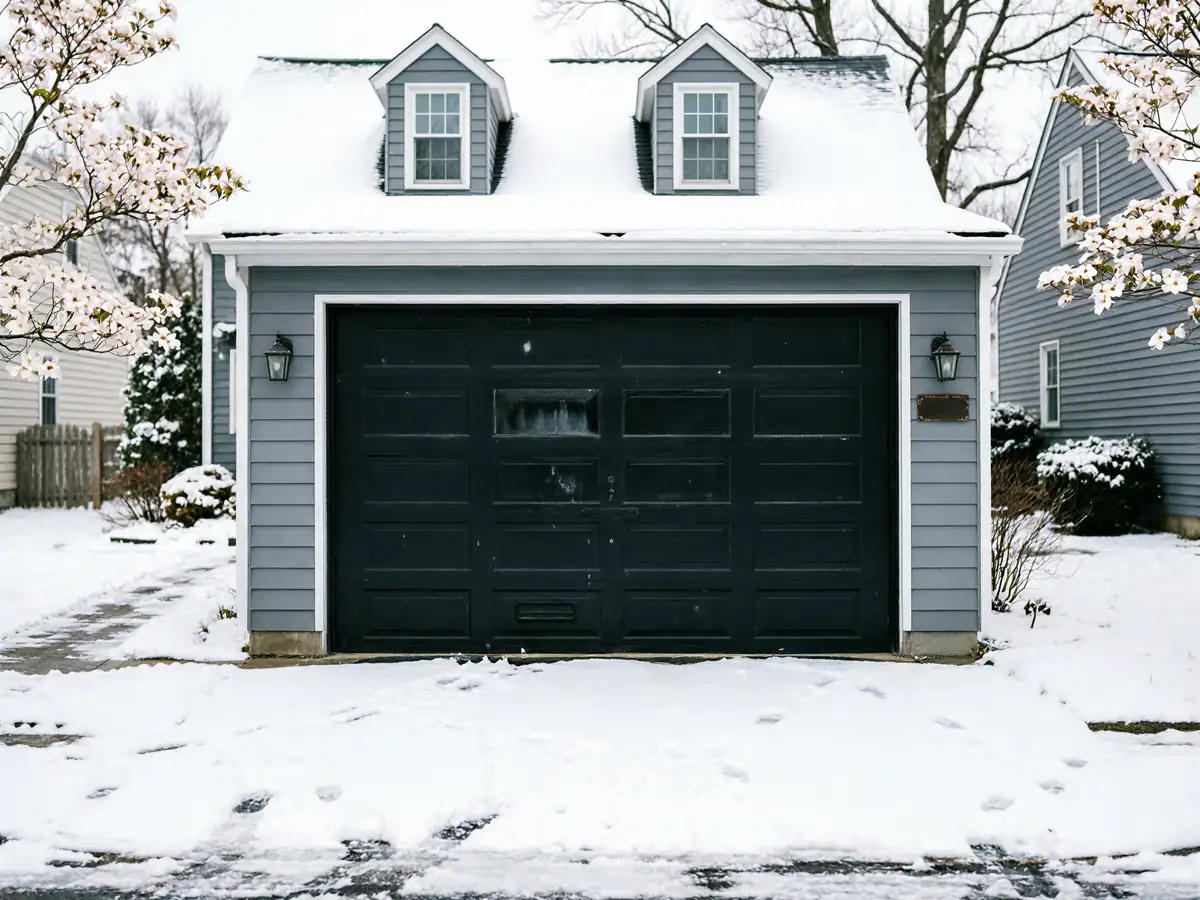
This region sits in a severe cold climate band, and that matters more for a door built in the mid-1980s than for a newer one. Original grease on 38-year-old rollers and hinges stiffens hard once temperatures drop, and a torsion spring that's been cycling since the Reagan administration loses wind tension faster in the cold than people expect. The failure mode we see most on these doors isn't dramatic - it's a door that gets slower to open through November, then one morning doesn't lift at all. That's a tension adjustment or a spring swap, not usually a full door replacement, provided someone catches it before the opener motor burns out trying to compensate.
Why This Fails Locally
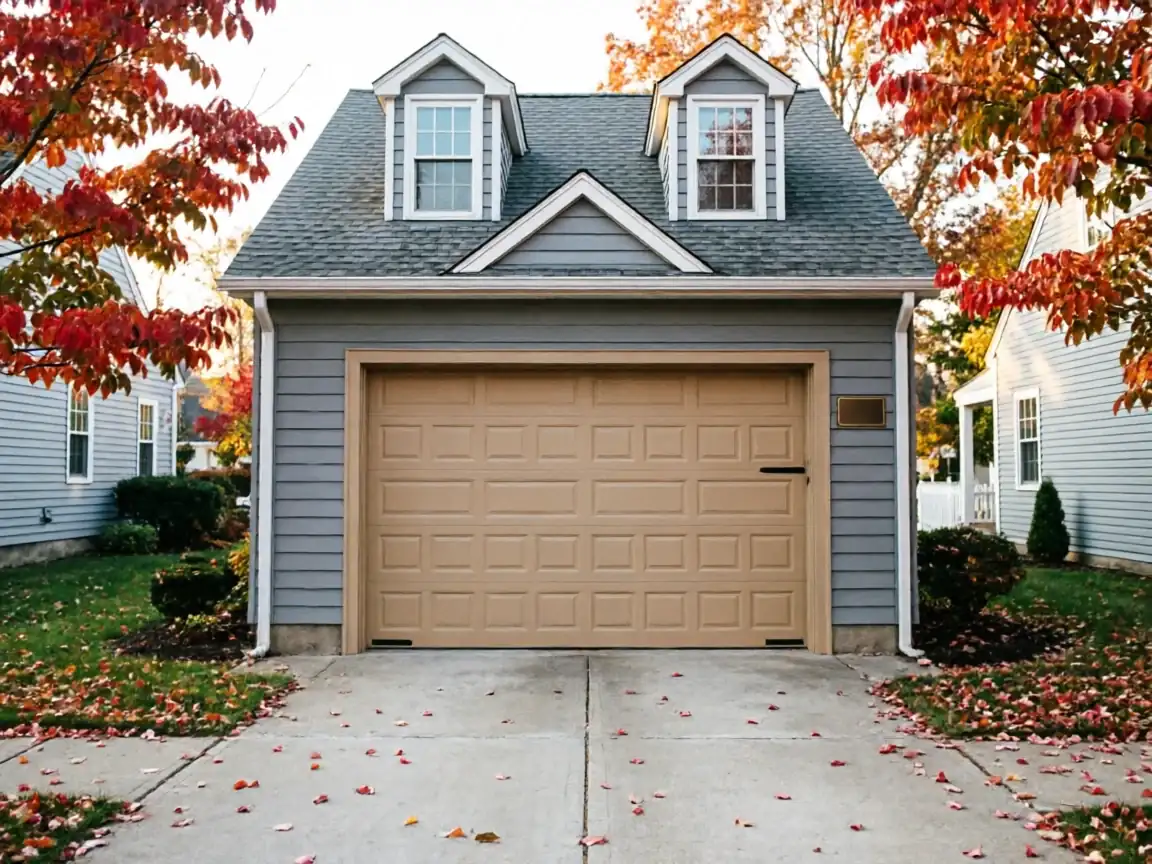
A door's steel panel can look fine for decades while the moving parts underneath - torsion spring, cables, rollers, the opener's drive gear - quietly age out on their own schedule. In Litchfield, where most garage doors are pushing 38 years old, that schedule has usually caught up. The spring on a door installed in 1986 wasn't built to last forever; it was built for a cycle count, and that count runs out regardless of how the door looks. We see this fail the same way across the town's housing stock: a homeowner calls about a noisy door, and the noise turns out to be the last few weeks of a spring that was always going to need replacing around now, cold winter or not.