Stocked Parts
The fault we see most in Litchfield isn't a mystery once you look at when the houses went up
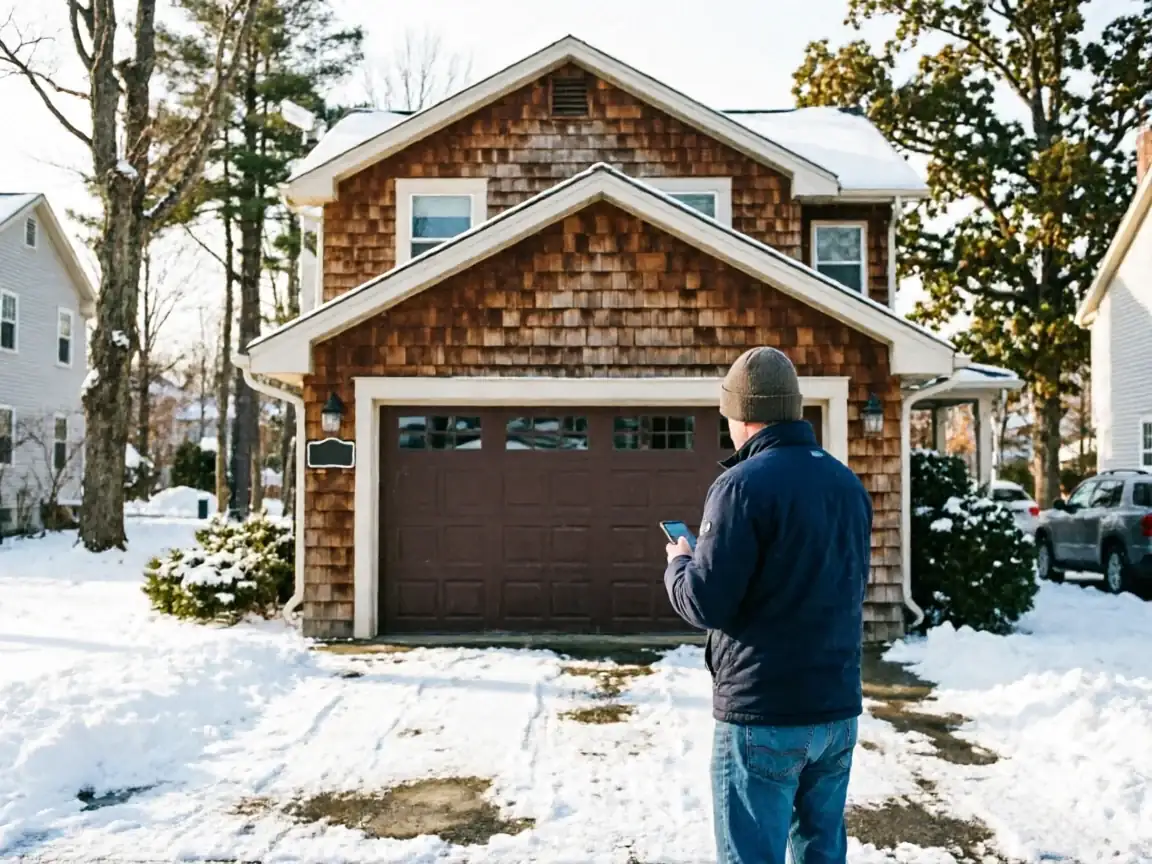
The median home here dates to 1986, and that lines up with the wider area's pattern of mostly 1980s and '90s construction. Doors from that stretch were built with torsion or extension spring setups that were standard then but are rarely matched by what a big-box store carries off the shelf now. Thirty-eight years on, most of those original springs are past the number of cycles they were rated for, and the panel widths and track gauges from that era don't always match current stock sizes.
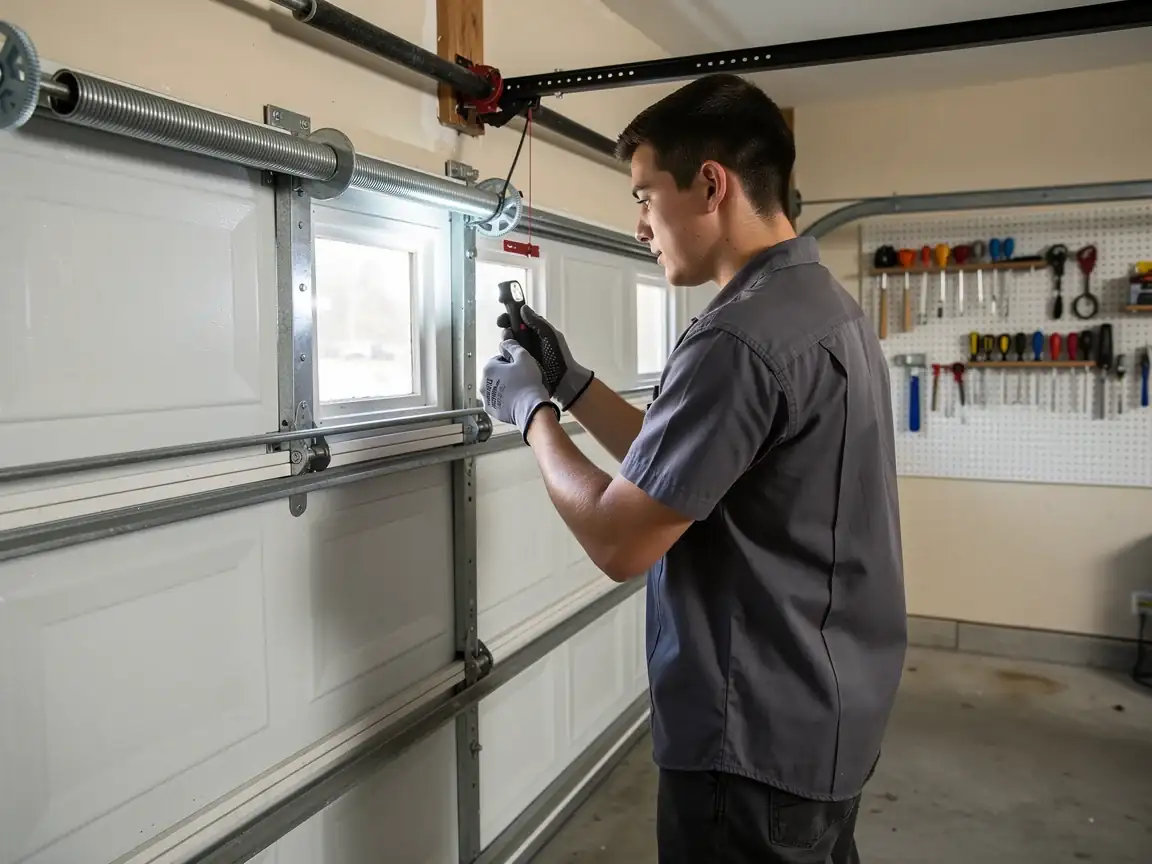
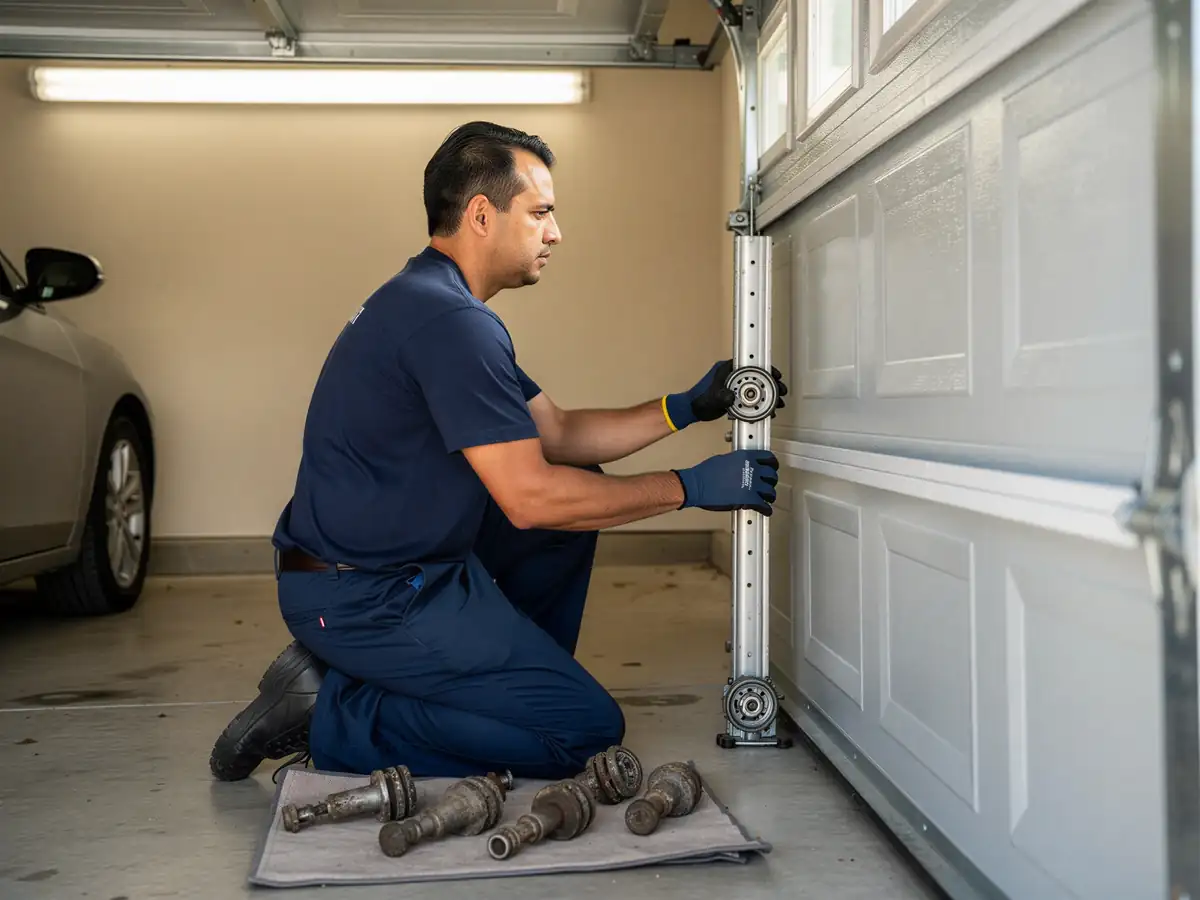
We carry torsion springs sized for the double and single-car openings common to mid-80s construction
Plus rollers and hinges built for steel sectional doors rather than the older wood-panel style. If a part on your door is genuinely obsolete - and some are - we'll say so rather than force a mismatch that fails again in a year. That's the one thing we won't do: sell you a part that doesn't fit the hardware you actually have.
Time on the Job
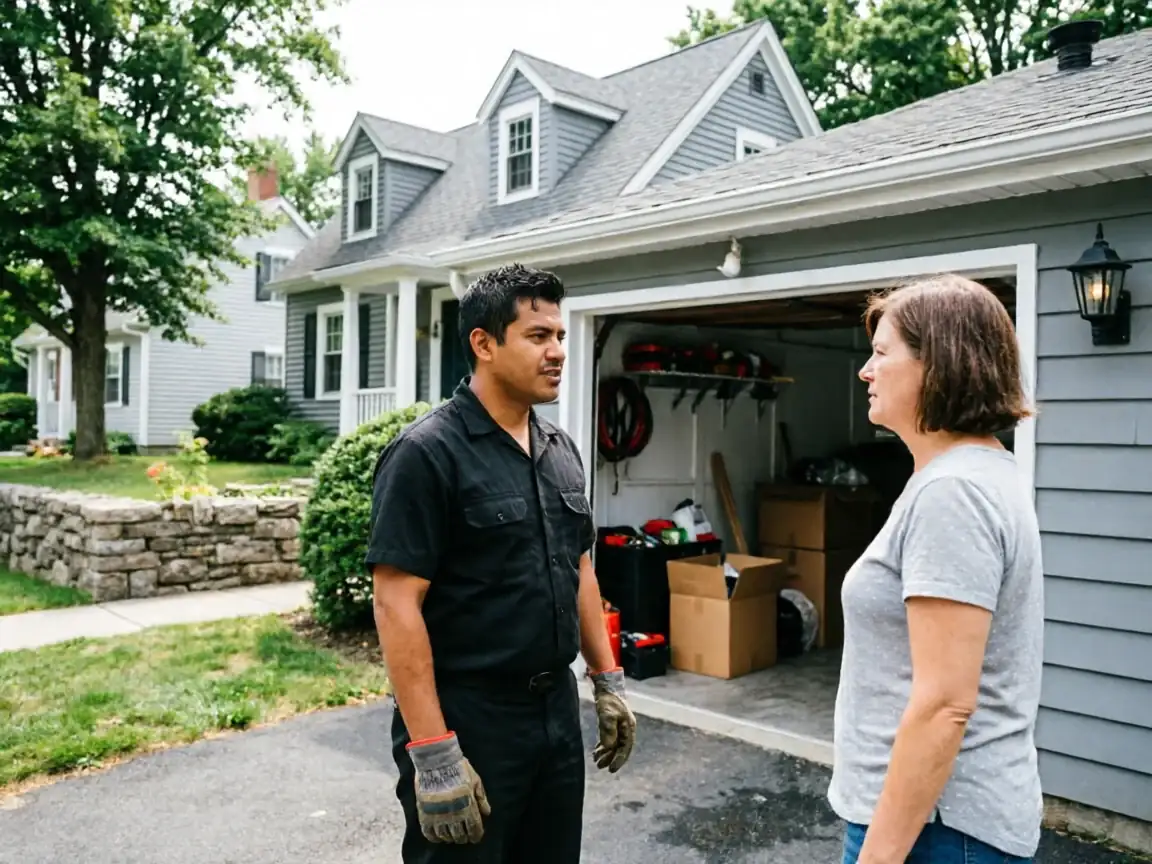
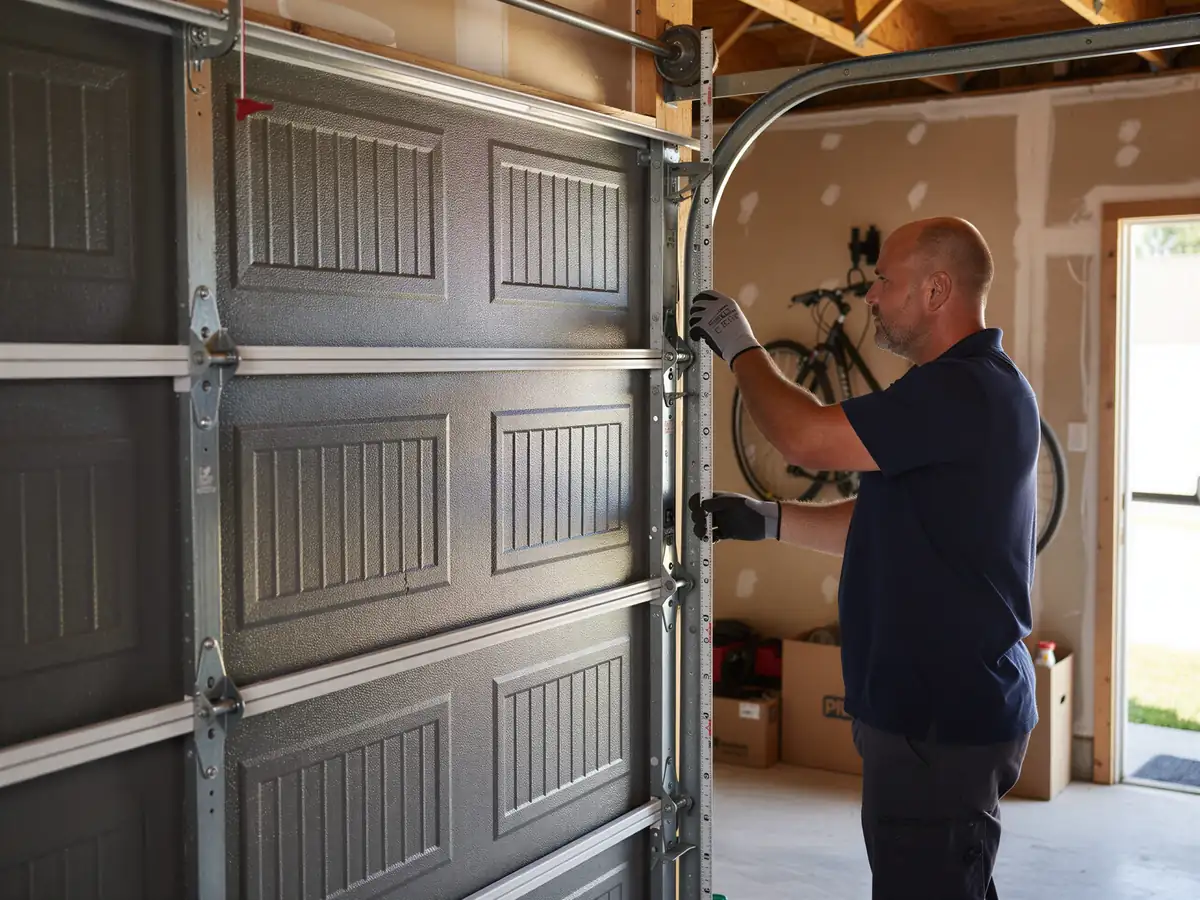
We run out of Londonderry, about 5 miles from Litchfield, so there's no local branch or drop-in counter here - a truck comes to you. On a straightforward spring swap or opener repair, most of the job time is the actual work: setting spring tension correctly matters more on a 1980s torsion system than it does on newer doors, because the drums and shafts weren't built to today's tolerances.
We don't quote a fixed response window for Litchfield specifically, since travel time varies with the day's schedule. What we can tell you is that the job itself - once the truck's on site - runs on the same clock as anywhere else in the area: a spring job is usually an hour or so, an opener swap a bit longer if the old unit needs full removal.
Getting It Booked In
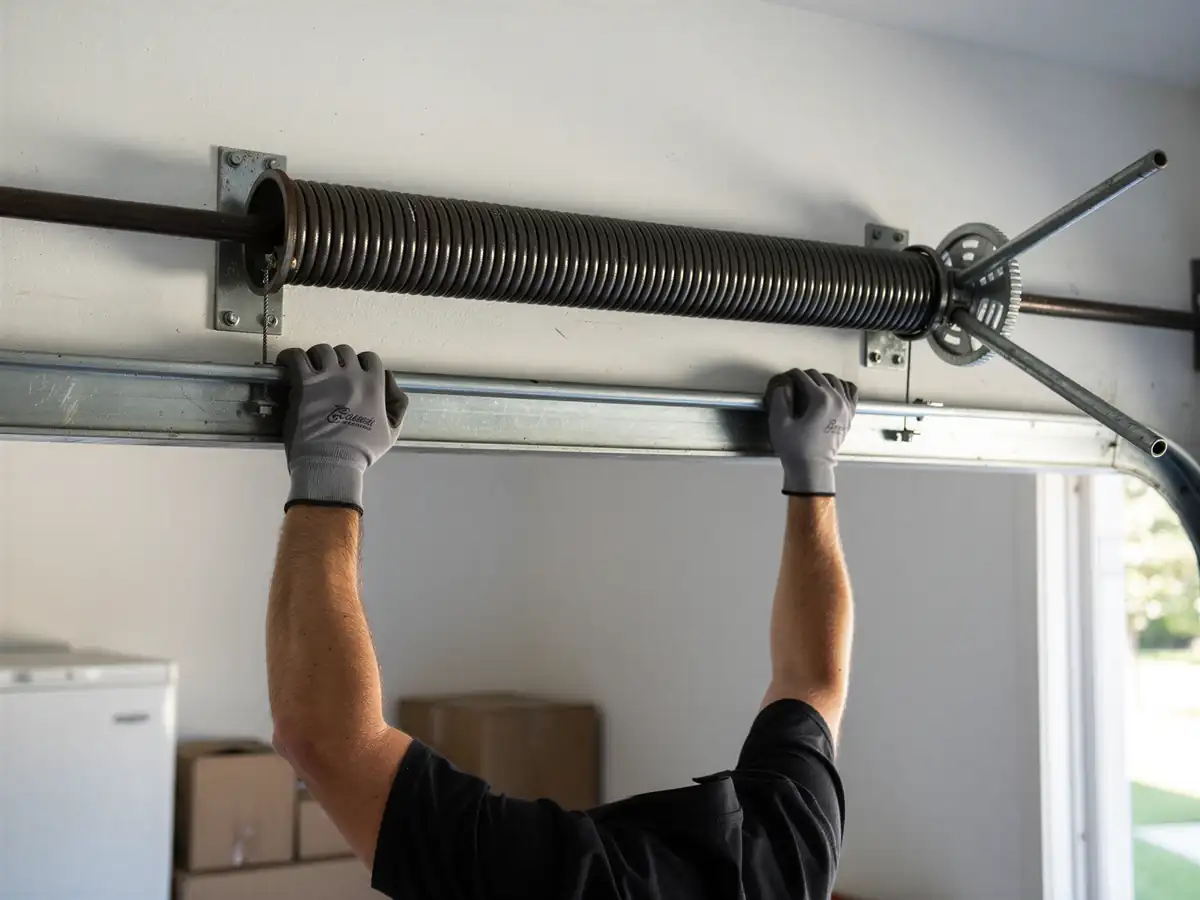
Call it in or use the Litchfield repair page to get details to us before the truck rolls - door age, whether it's making noise or just stuck, and whether you've already tried the manual release. That saves time on site, especially with older systems where we need to know up front whether we're dealing with extension springs (common on the oldest end of the 1986 median) or torsion (more common as the stock got newer through the '90s).
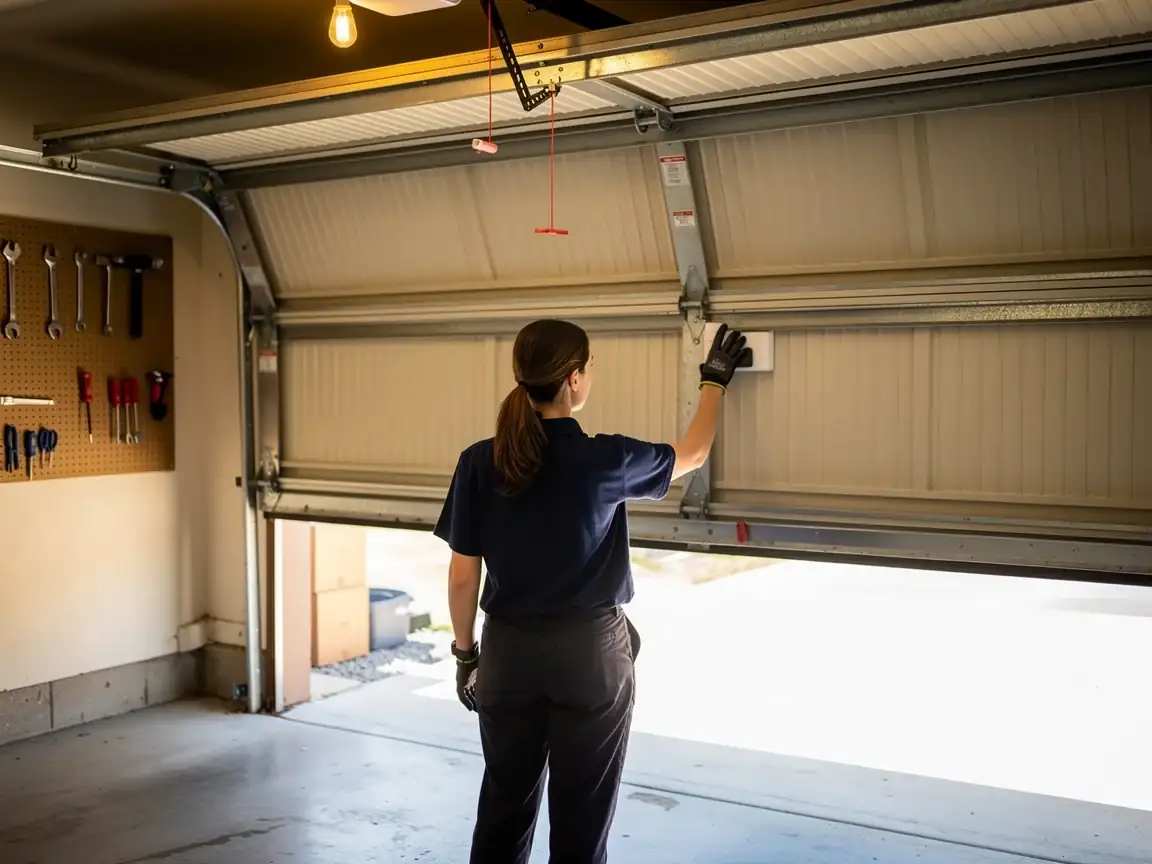
If you're not sure which you have, a photo of the spring above the door - coiled around a shaft versus stretched along the tracks - tells us enough to bring the right stock on the first trip instead of a second one.
What It Costs
We don't post flat prices for Litchfield because the job varies by what's actually wrong and what parts the door needs
And we'd rather give you a number after we've looked at the door than a range that doesn't hold up. What we will say: Litchfield's median household income runs $155,881, noticeably above the $125,774 median across our wider service area, and that doesn't change what a spring or opener costs - the price is set by the hardware and the labor, not the zip code.
One honest limitation
If a door's track is bent badly enough, or the opener is old enough that parts aren't made anymore, repair can cost close to what replacement runs. We'll tell you when that's the case instead of patching something that'll fail again in six months.
What Can Go Wrong
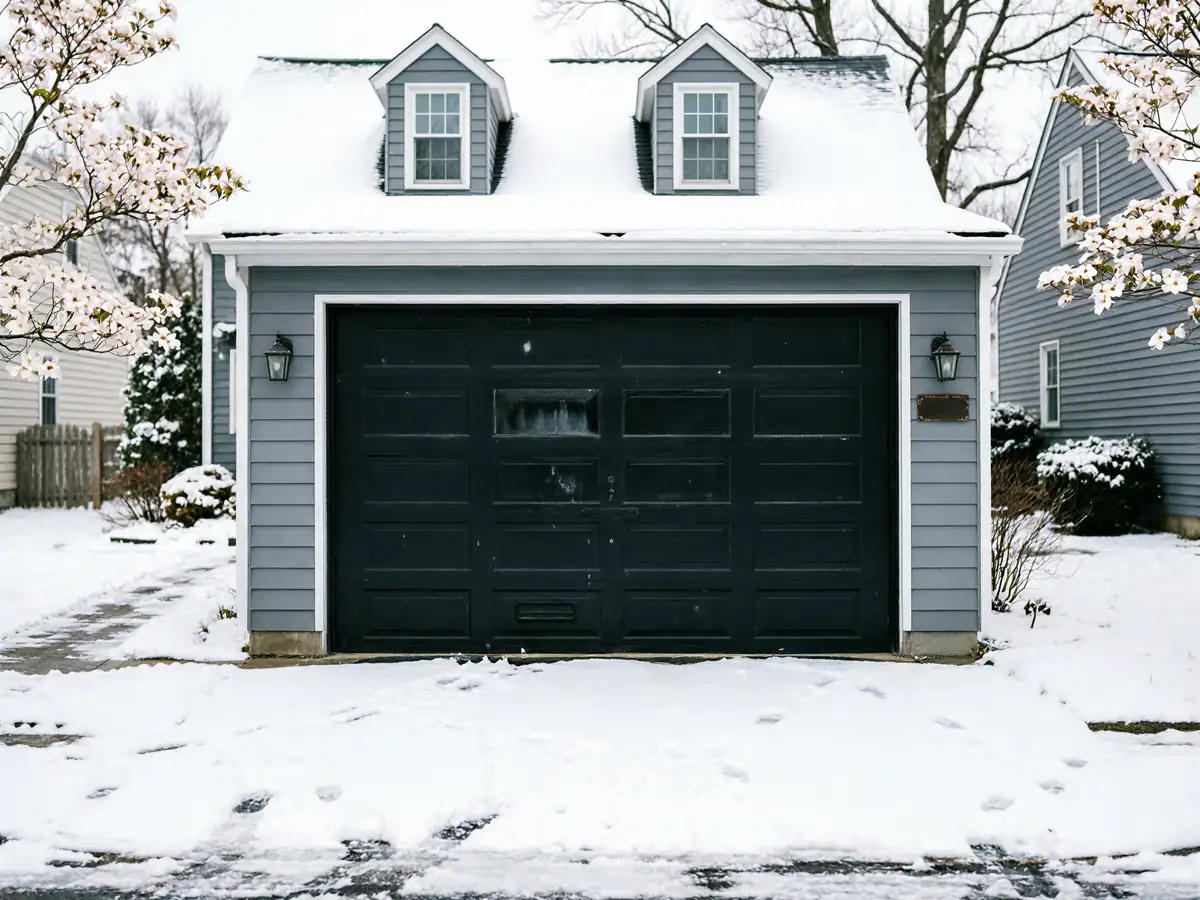
This area sits in a severe cold climate band, and cold is hard on garage door hardware that's already decades old. Steel contracts in low temperatures, which tightens tolerances on tracks and rollers that were already worn from 35-plus years of cycles. A torsion spring that's been slowly losing tension since the Reagan administration is far more likely to snap on the first hard cold snap than on a mild day - the metal's already fatigued, and cold just adds the final stress.
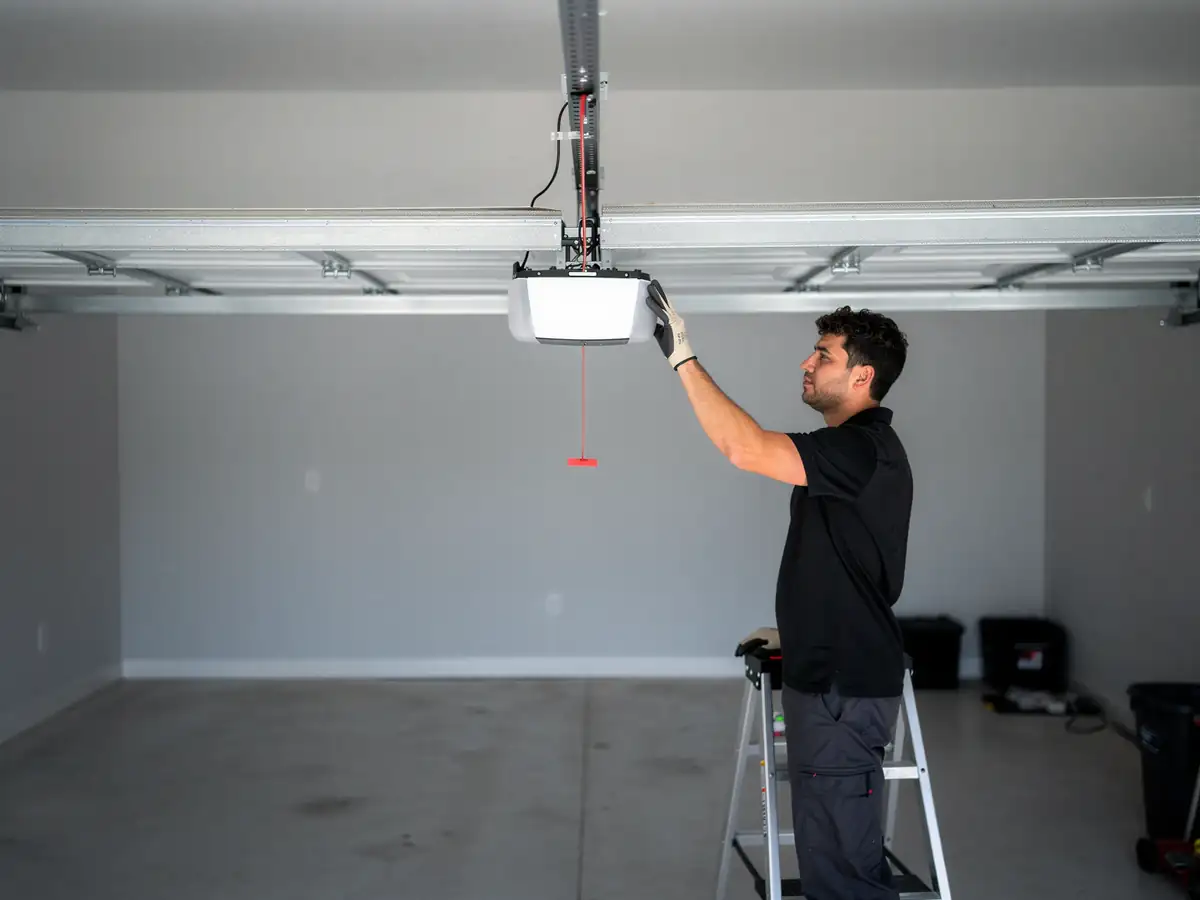
Openers from the 1980s and '90s stock era also tend to go out not with a bang but a slow fade: chains stretch, gears strip, and the unit starts working intermittently before it quits. Combined with a stiff, cold-tightened door, that's often a two-problem call rather than one.
Why This Fails Locally
A generic repair guide, or a national chain working off a standard playbook, treats every garage door the same regardless of when the house was built. That doesn't hold up in a town where the median home is from 1986 and the hardware installed then is nearing the end of its working life all at once, not staggered out over decades like it would be in a mixed-age neighborhood. With roughly 3,015 households in Litchfield built largely in that same narrow window, a lot of doors here are aging out together.
That's different from a newer subdivision where springs and openers are still mid-life, and it's different from an older mill town where the housing predates garage doors as standard equipment entirely. Service here needs to start from the build year, not from a generic checklist - see our main service page for what we cover across the rest of the Londonderry area.