What Can Go Wrong
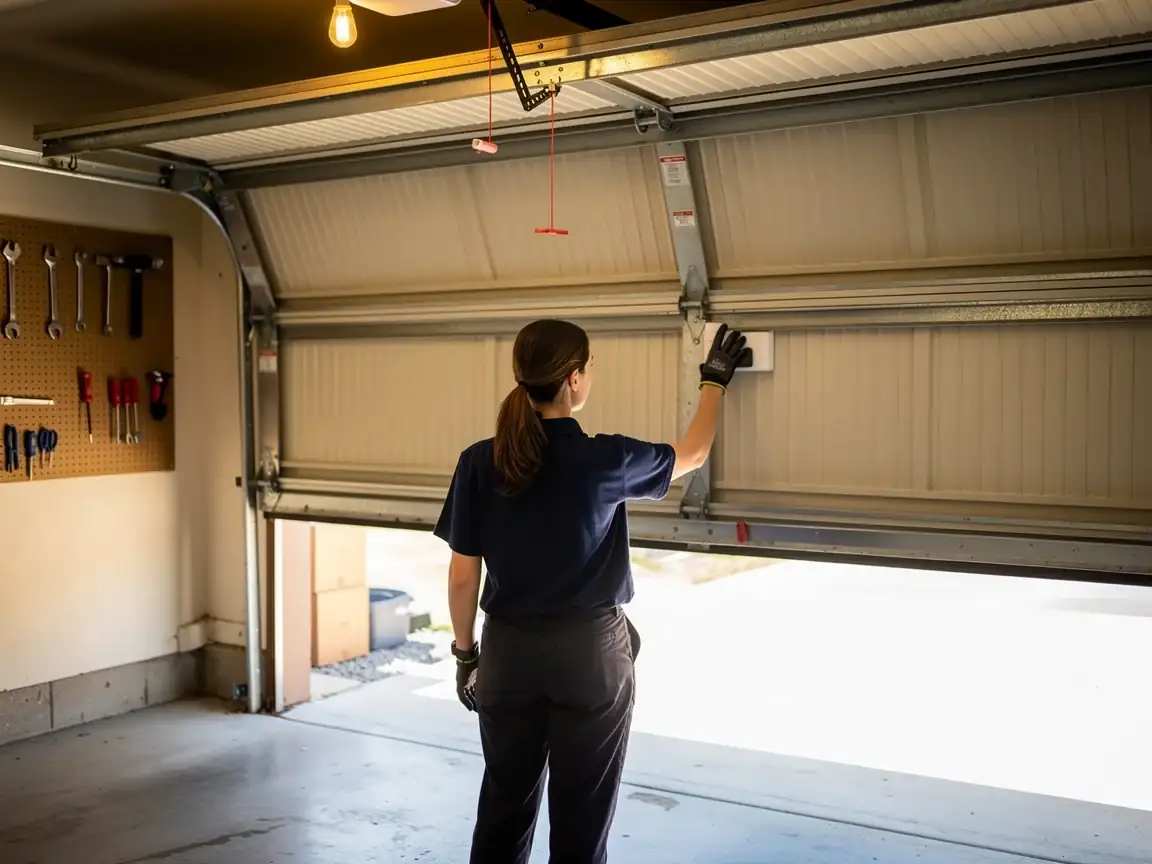
Houses at the 1986 median in Hampstead were built with steel rollers on steel track as standard. Steel-on-steel wears a visible groove into the track over fifteen to twenty years, and once that groove exists, a new roller still rides unevenly and drags. The other common failure: nylon rollers added during a later opener upgrade don't match the original track width exactly, so they ride rough until they crack. Either way, the symptom looks the same from inside the garage - a door that shudders, bangs, or jumps partway up - but the fix is different depending on which hardware era you're actually working with. We also see sheared roller stems on doors that get opened and closed hard in cold weather, because the metal gets brittle and the stem is the weakest point in the whole assembly. That failure shows up fast and loud, usually mid-cycle, and it's not something a lubricant fixes.
Why This Fails Locally
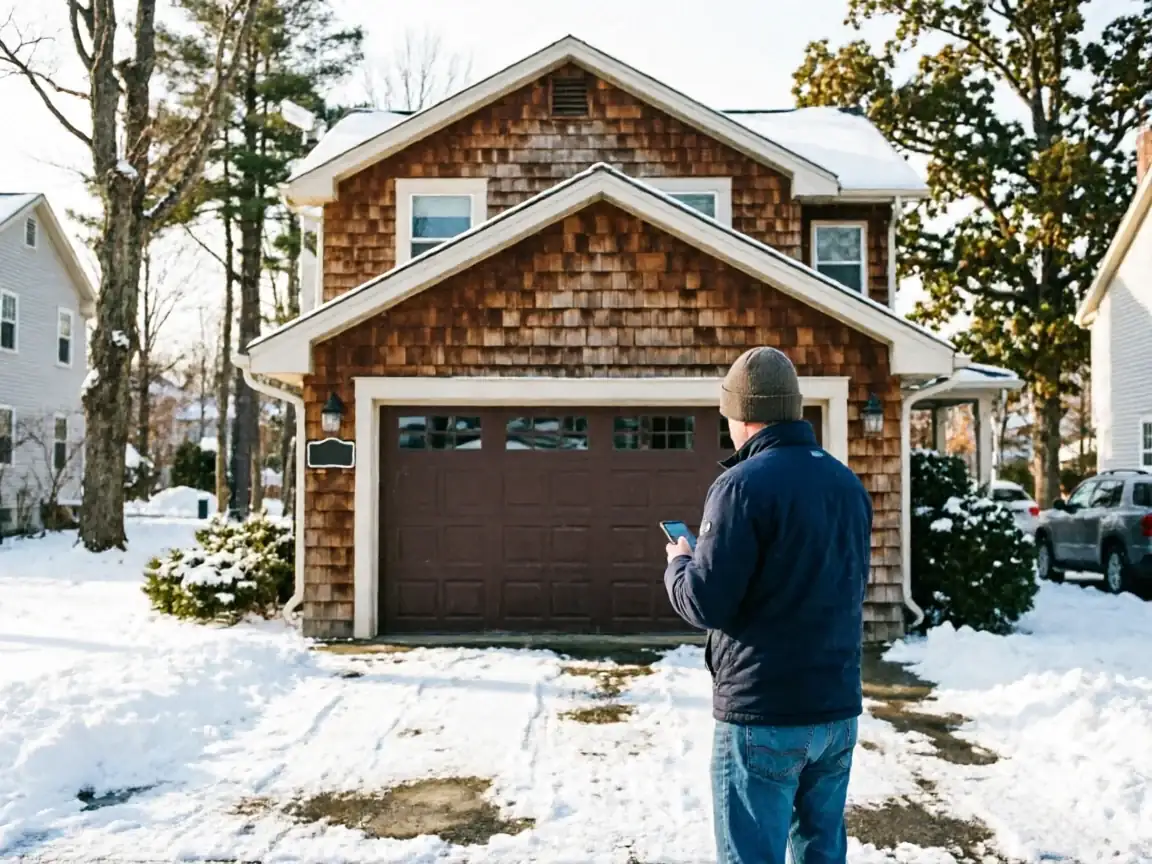
The region sits in a severe cold climate band, and Hampstead gets the same winters as the rest of the area - repeated freeze-thaw cycles that work on any metal part with friction in it. Steel rollers from the 1986-era building stock were never built with sealed bearings; they're a bare steel wheel on a steel stem, and cold makes the grease inside stiffen before it fails outright. That's the difference between a roller that squeaks and one that locks up and shears. A door that's hard to lift on a 10-degree morning isn't always the spring - often it's a frozen roller fighting the track, and pushing the opener through that resistance is what snaps the stem. This isn't a problem unique to any one street in town; it's a function of when the house was built and what climate it sits in, and Hampstead's 1986 median puts almost the whole town in the same window of original hardware.
What the Fix Involves
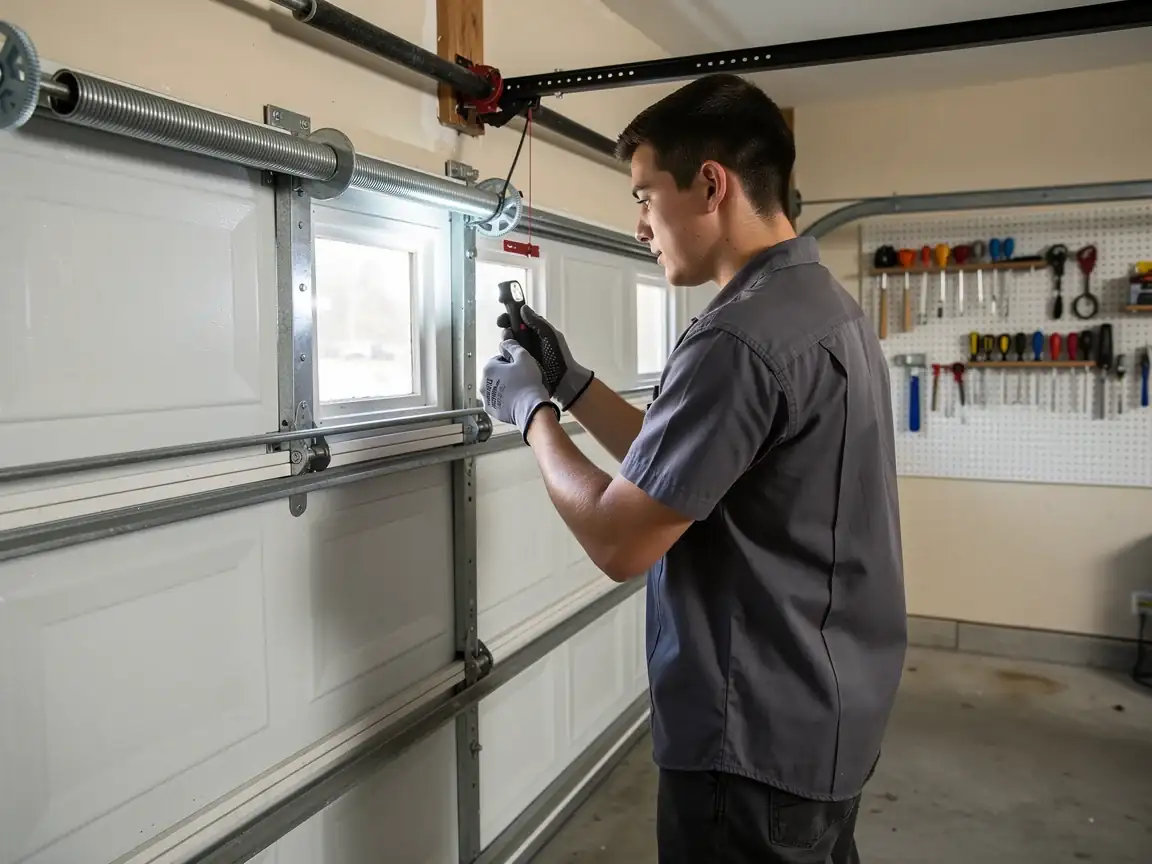
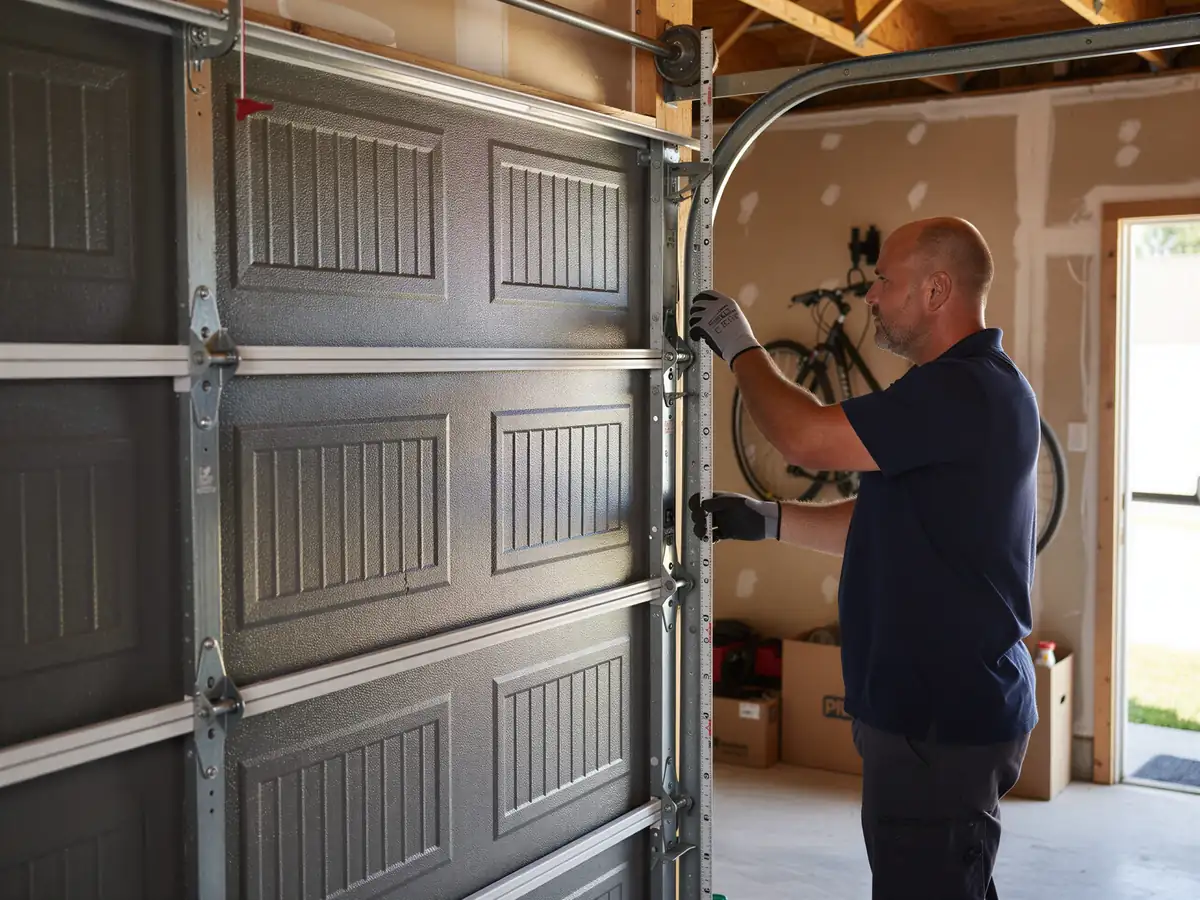
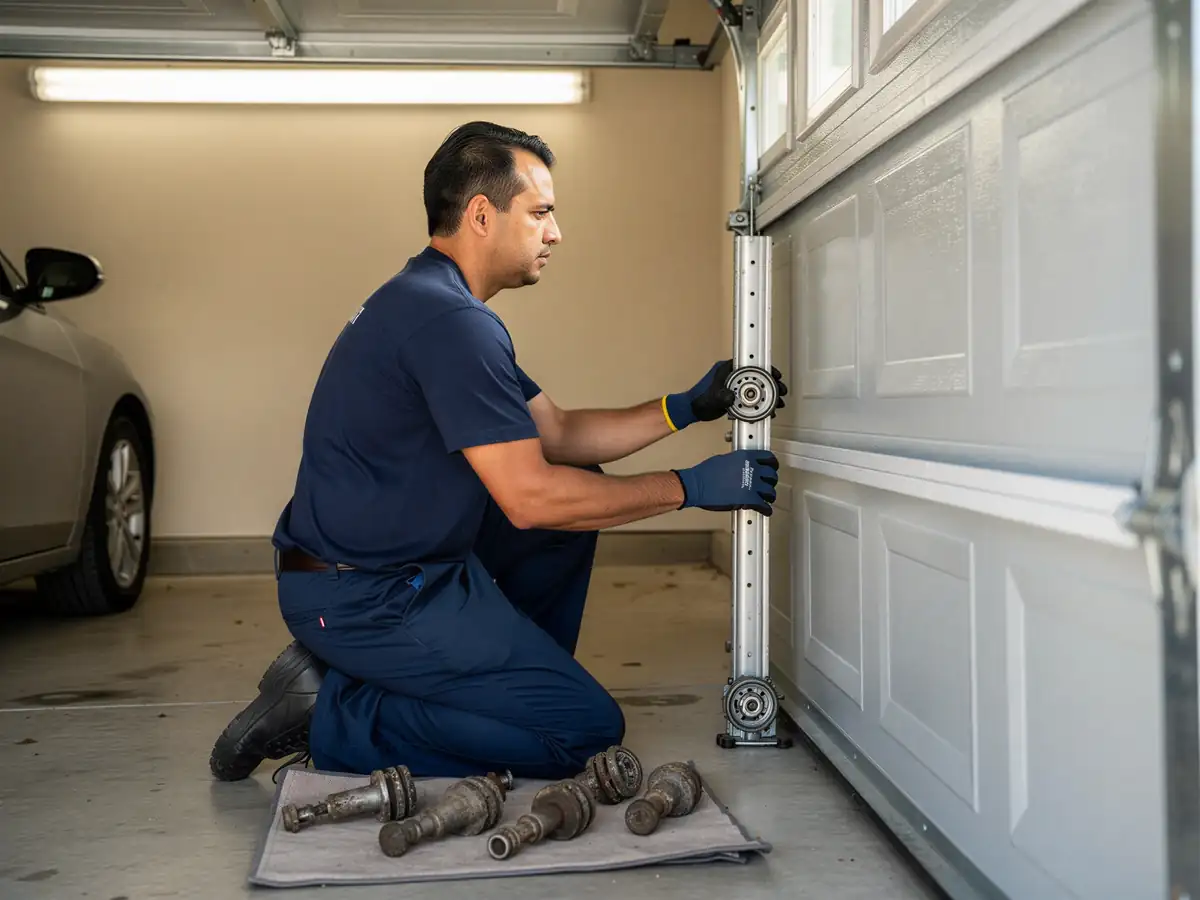
Replacing rollers means pulling the old roller out of its bracket, checking the stem for wear or bend, and seating a new roller - nylon with sealed bearings, which is the standard upgrade from the original steel - into the same bracket. We check all eight rollers on a double door even if only one has failed, because if one's worn out from age, the rest on the same door are close behind it. We also run a hand check on the track at each roller's resting point, since that's where grooving shows up first on 1986-vintage hardware. One limitation worth saying plainly: if the track itself is bent or grooved deep enough that a new roller won't sit flush, roller replacement alone won't fix the noise or the binding - that's a track job, and we'll tell you if that's what we're looking at before we start swapping parts.