What Can Go Wrong
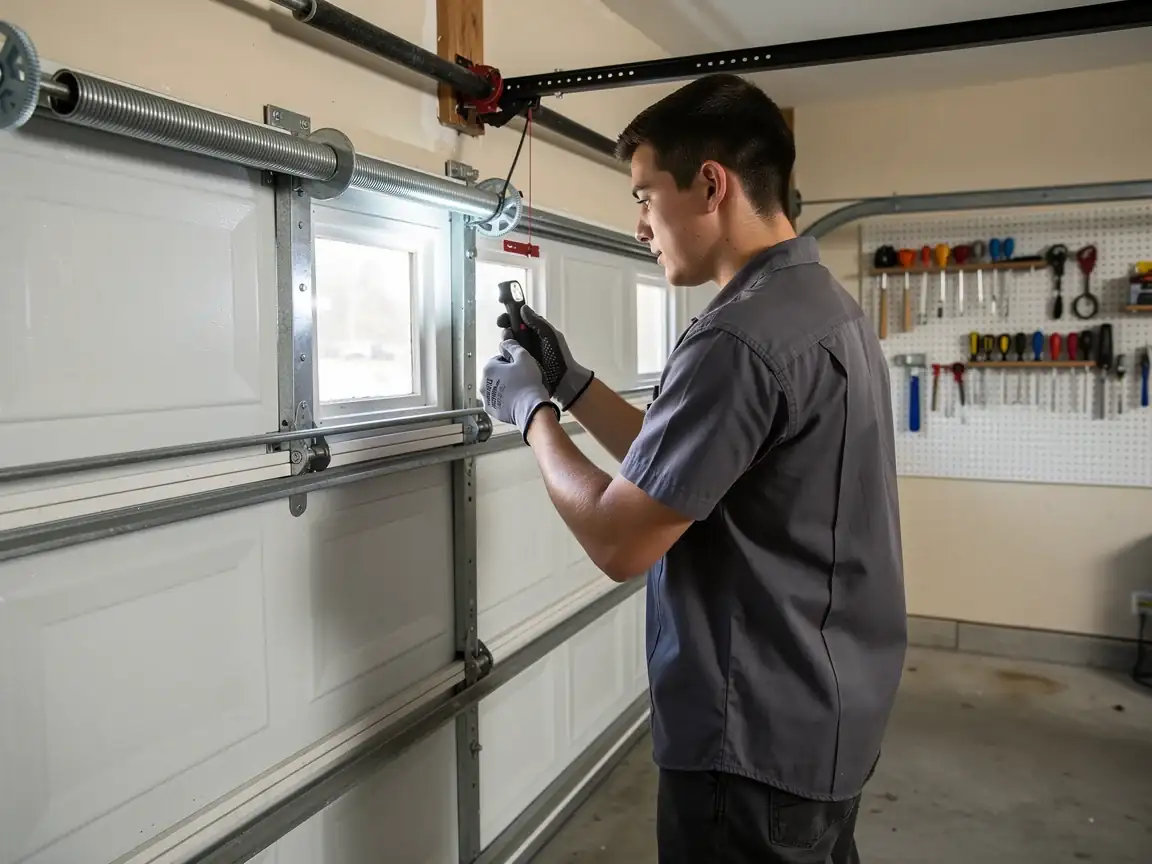
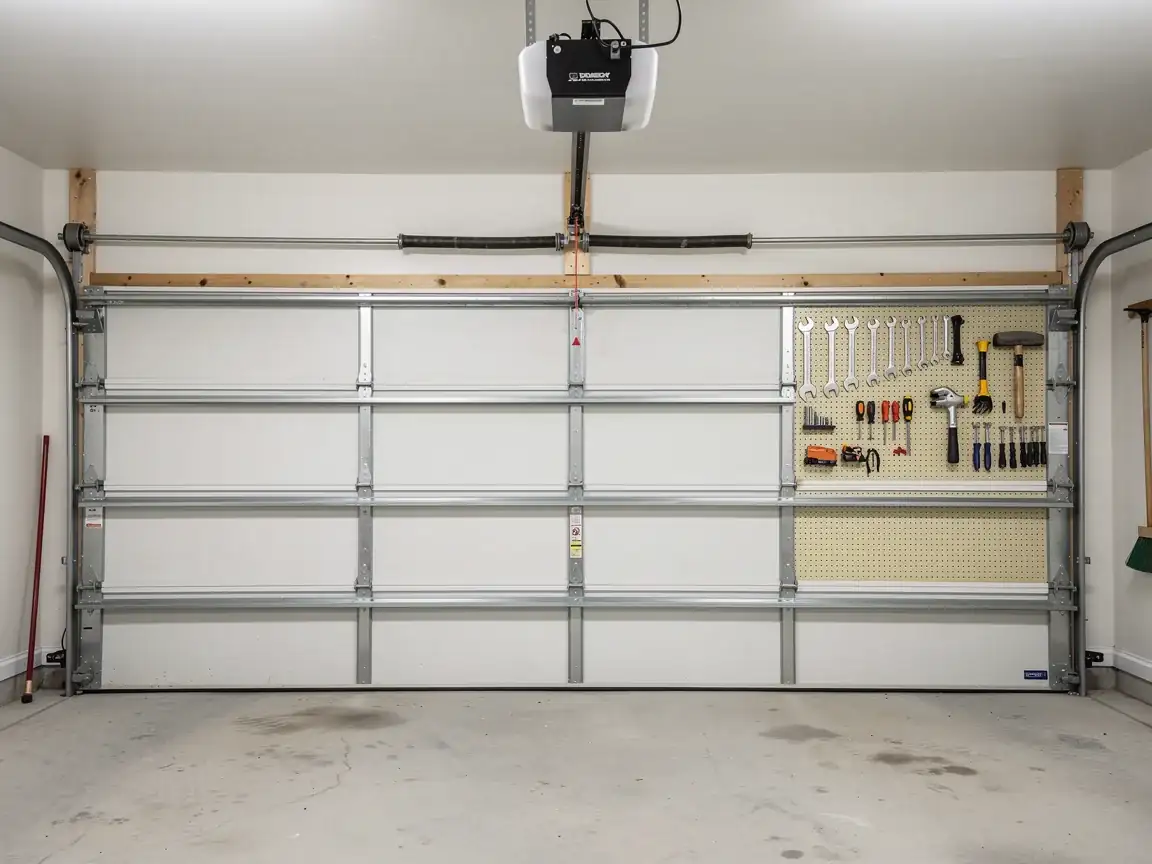
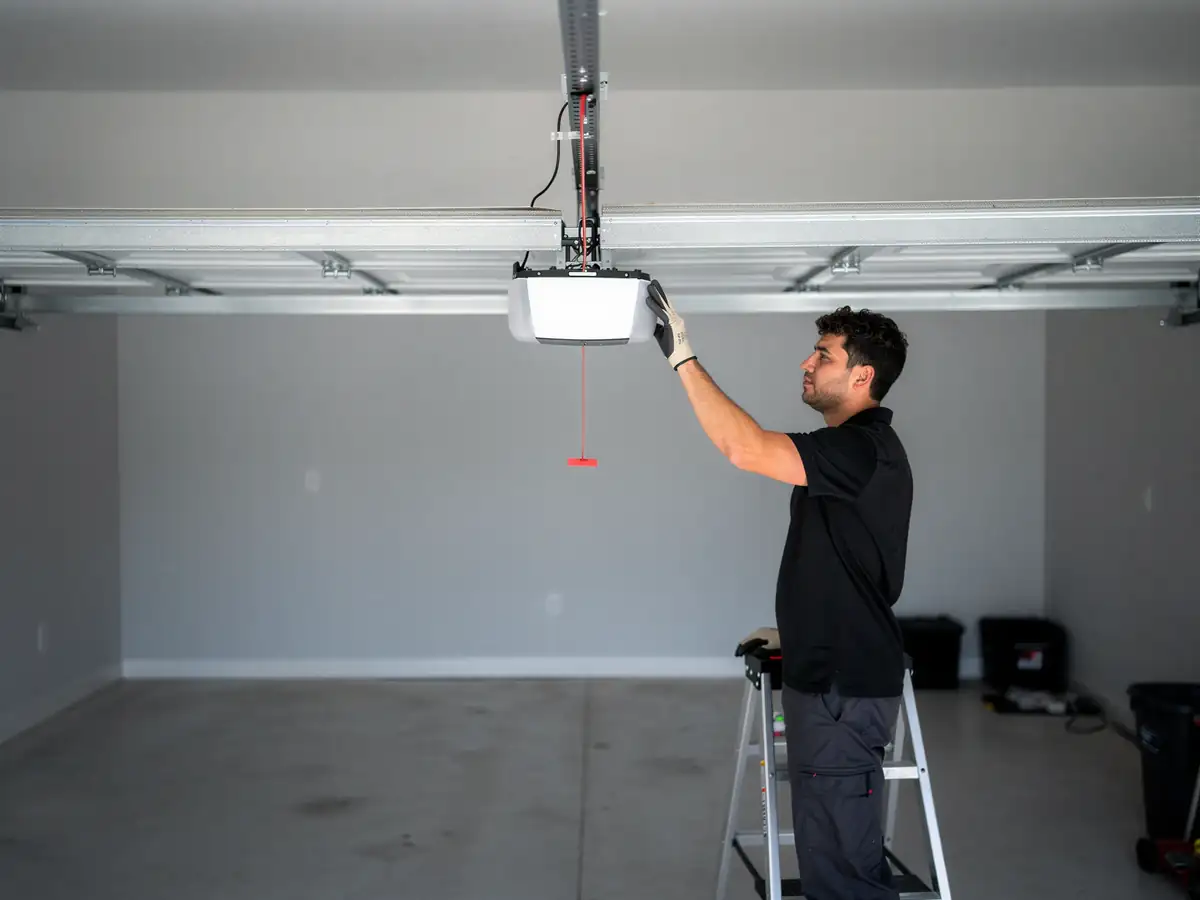
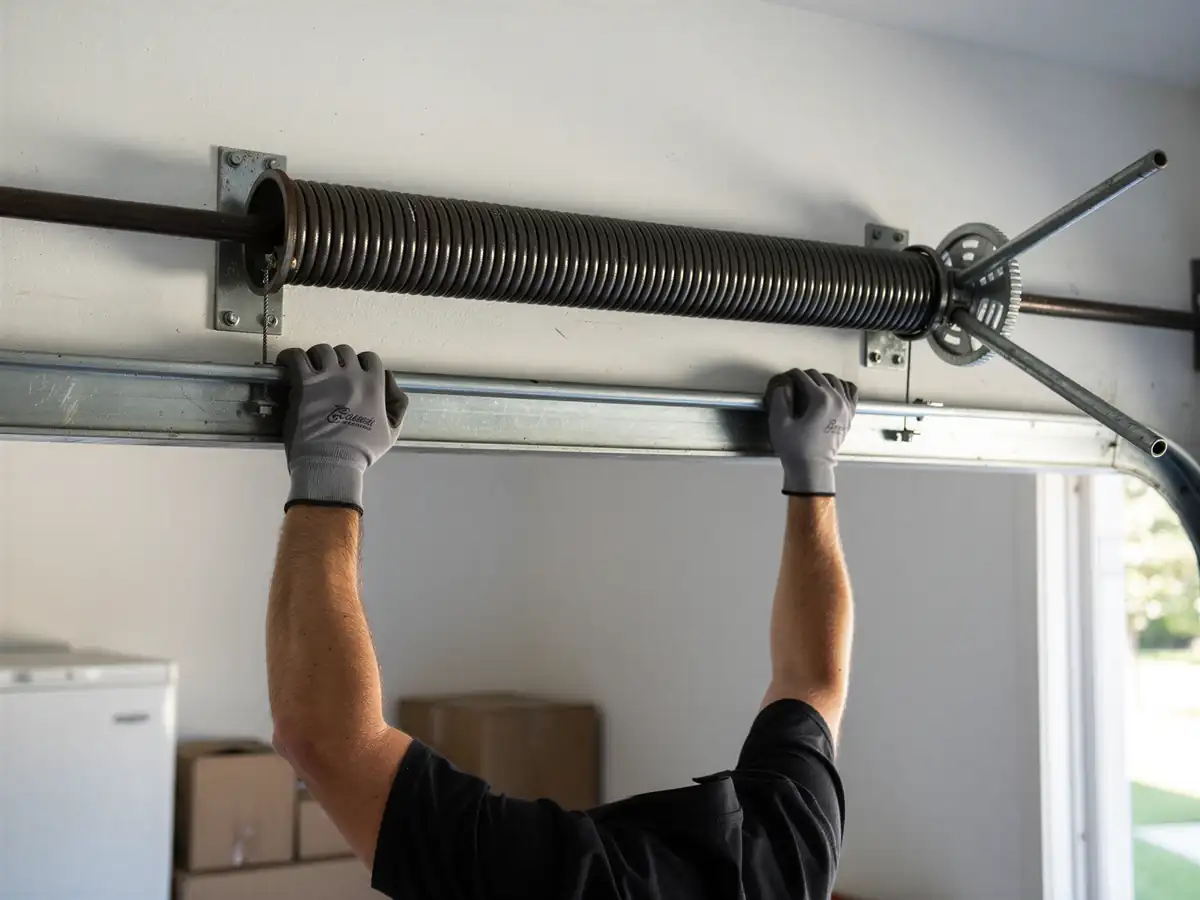
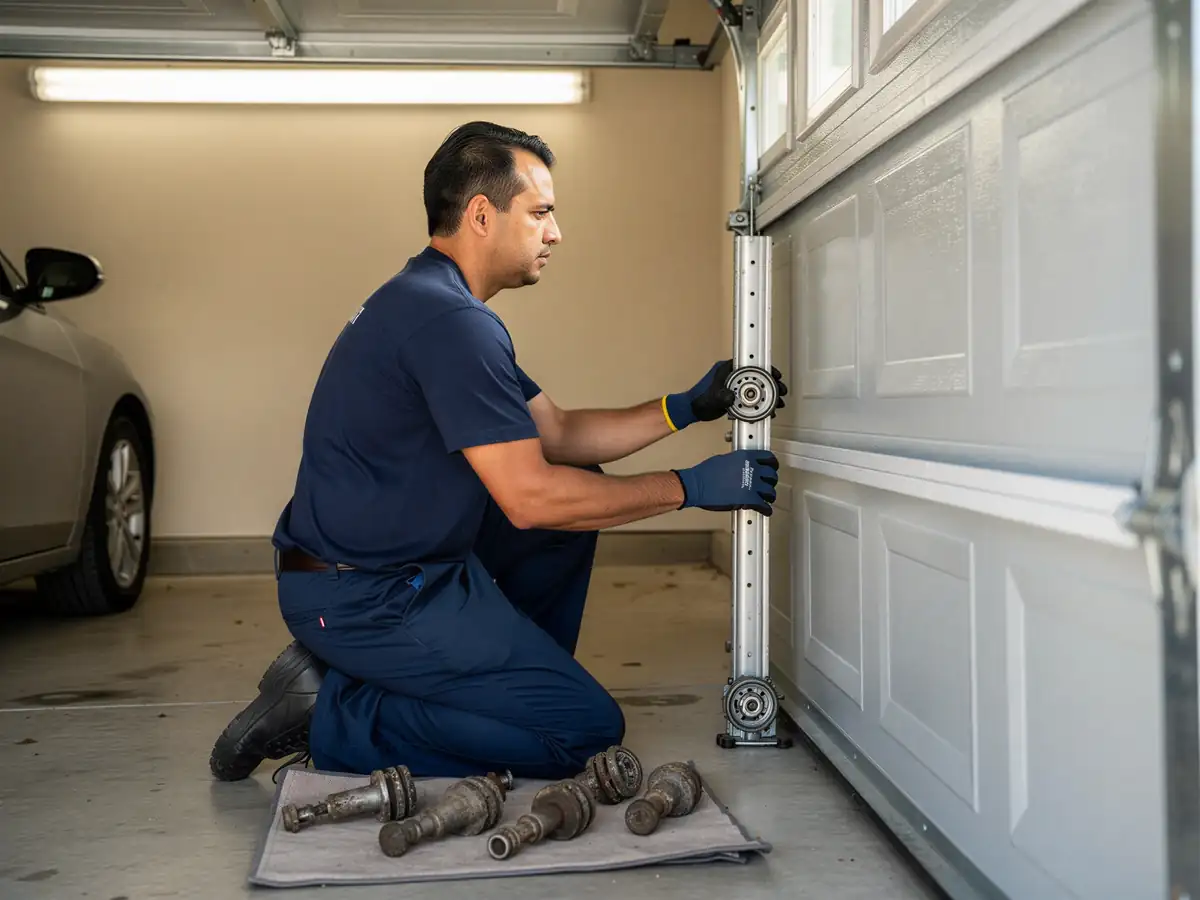
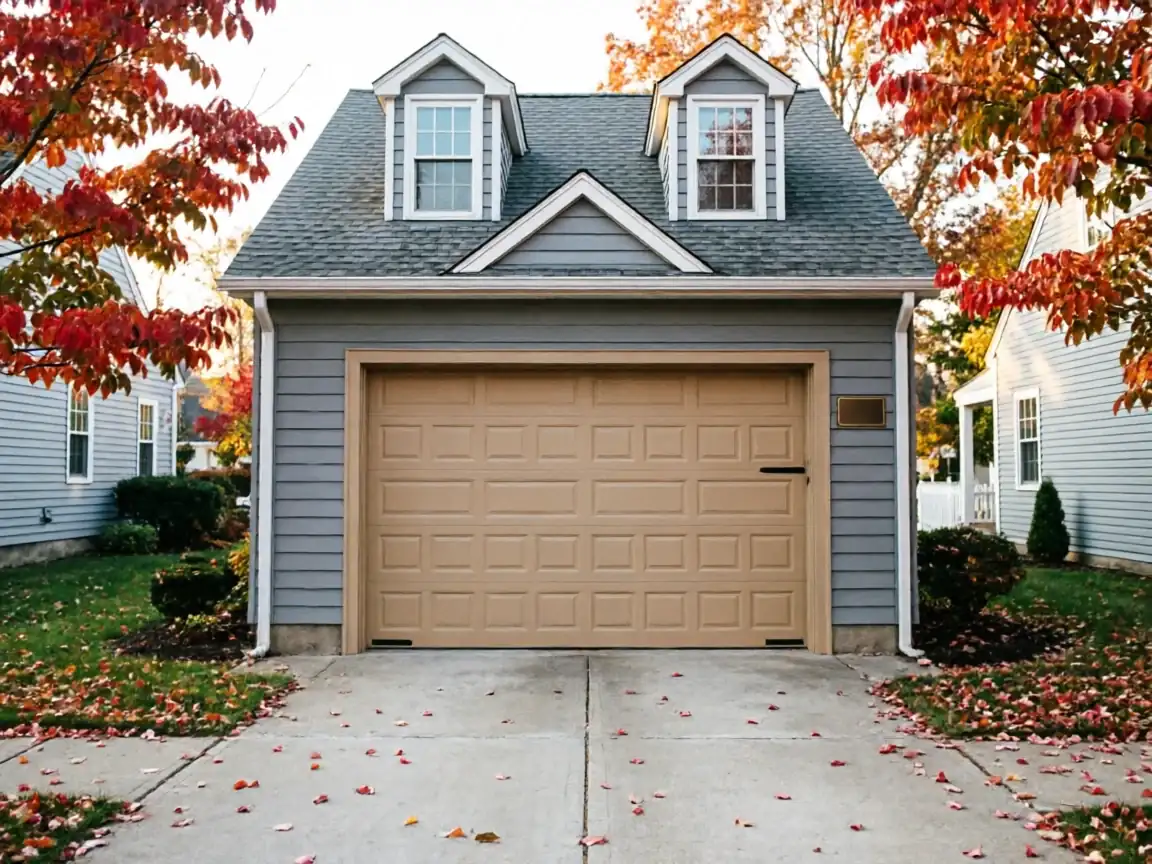
With roughly 3,652 households in Hampstead built around the same window, the failure pattern repeats: torsion springs that have gone well past their wind-cycle life, galvanized cable starting to fray where it wraps the drum, and steel tracks that have warped slightly out of plumb after decades of seasonal expansion. Rollers on original hardware are usually the plain nylon kind with no bearing, which means more noise and more drag on the opener motor than anything made in the last fifteen years. None of this is Hampstead-specific drama - it's just what original-era hardware does given enough winters. The difference from a newer build is that there's no secondary failure point to catch the first one; when a 1986 spring lets go, it often takes the cable or a track bracket with it.
Why This Fails Locally
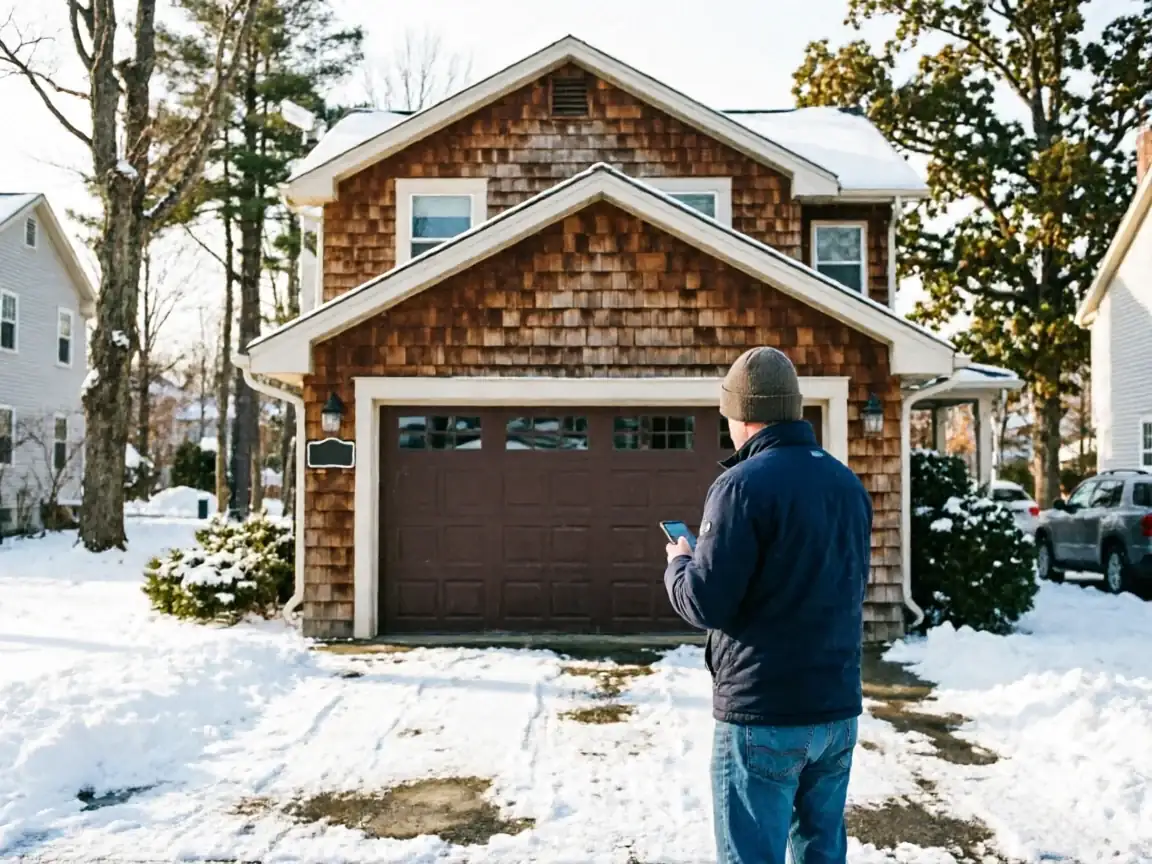
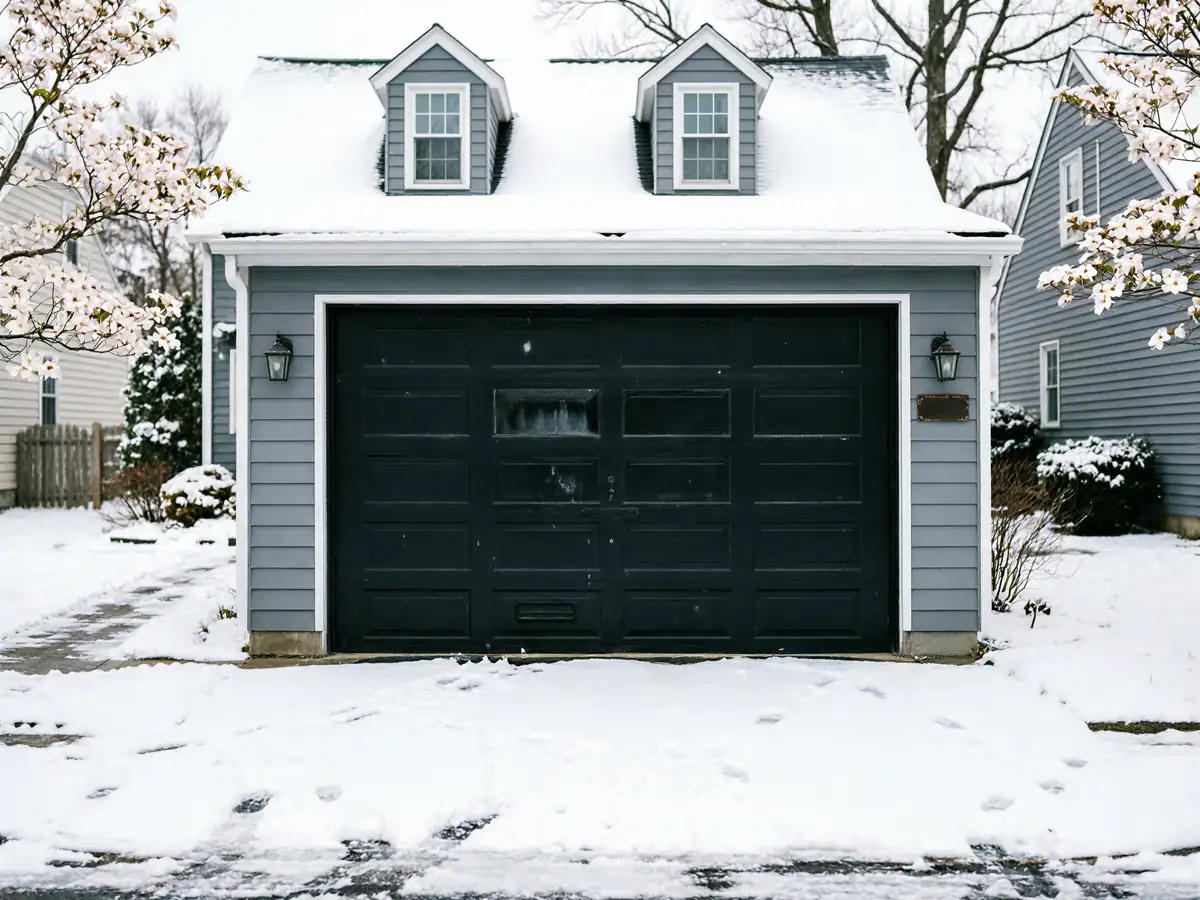
This area sits in the cold-severe climate band, and that matters more for original hardware than for anything installed in the last decade. Steel contracts in deep cold, and a torsion spring that's already fatigued from thirty-plus years of cycling loses tension faster when the garage sits below freezing for weeks at a stretch. Add in a median household income of $99,536 - solid, but not the kind of number that means people are replacing garage doors on a schedule rather than when something breaks - and you get a town where original 1986 hardware tends to run until it fails outright rather than get swapped out preventively. That's not a criticism, it's just the pattern the numbers point to.
What the Fix Involves
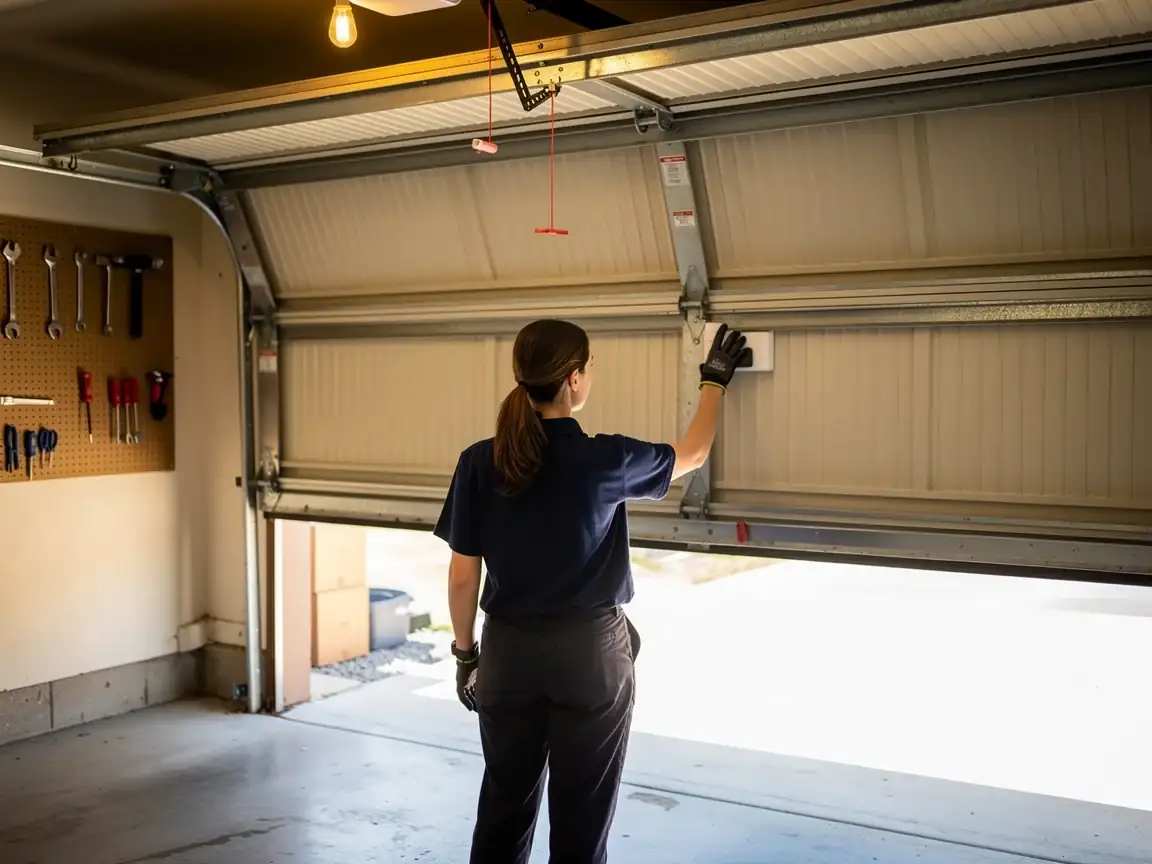
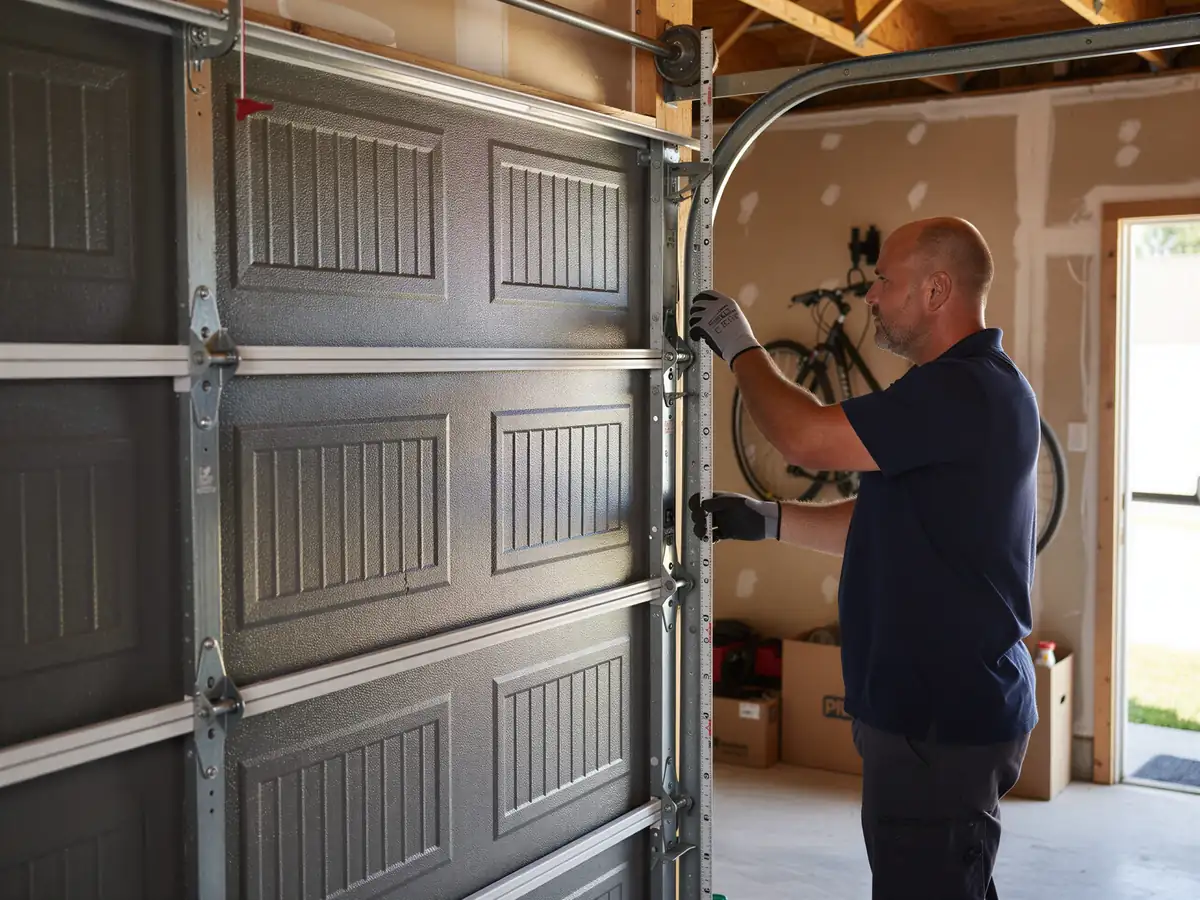
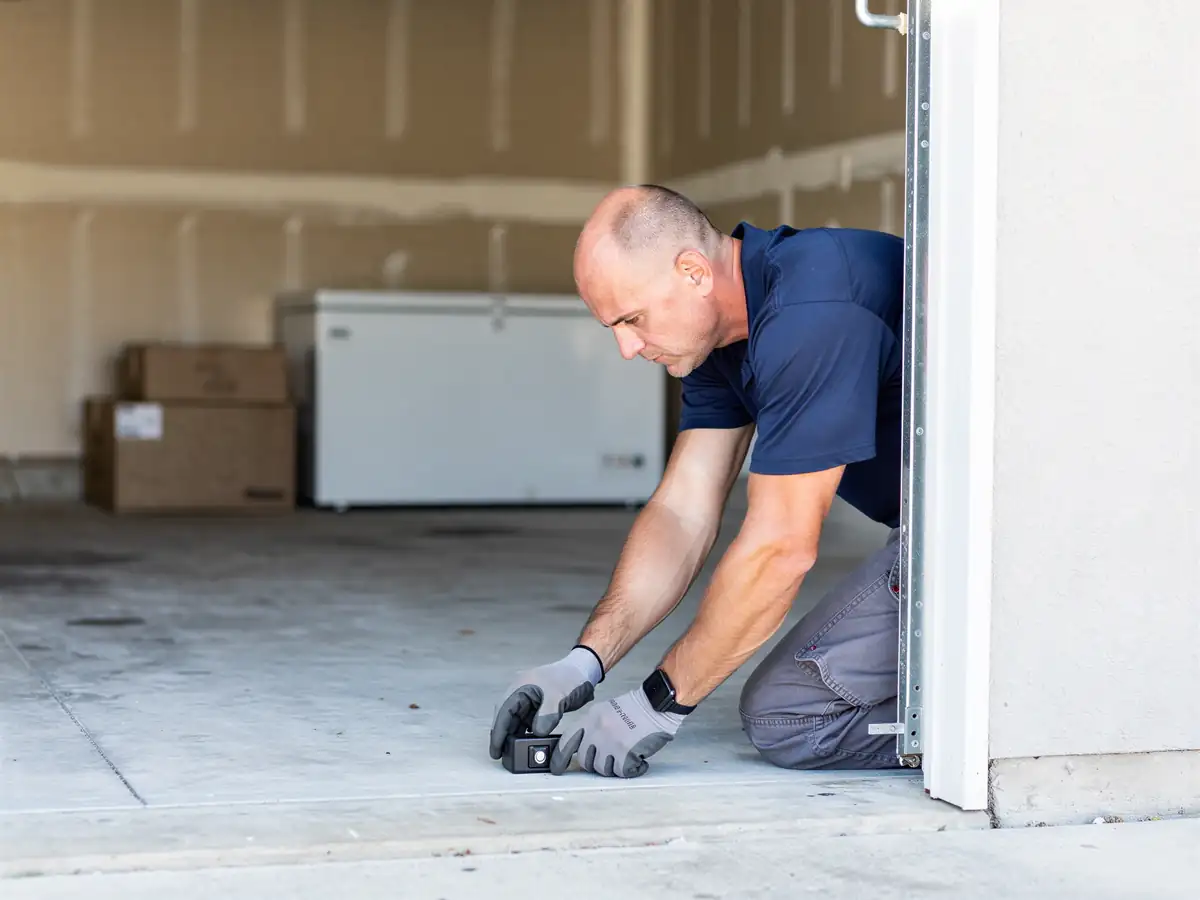
On a door dating to Hampstead's 1986 median, the honest fix is usually a full spring and cable replacement rather than patching one piece, since the other original components are at or near the same age and the same fatigue point. We'll match spring wind and cable gauge to the door's actual weight rather than guessing off a chart, and we check the track alignment while we're in there, since cold-season warping on original steel track is common in this climate band. One limitation worth saying plainly: if the door itself - the panels, not just the hardware - is original from 1986, replacement often makes more financial sense than repair, since sourcing matching panel sections for a thirty-plus-year-old door can mean a long wait on parts we don't stock.