What Can Go Wrong
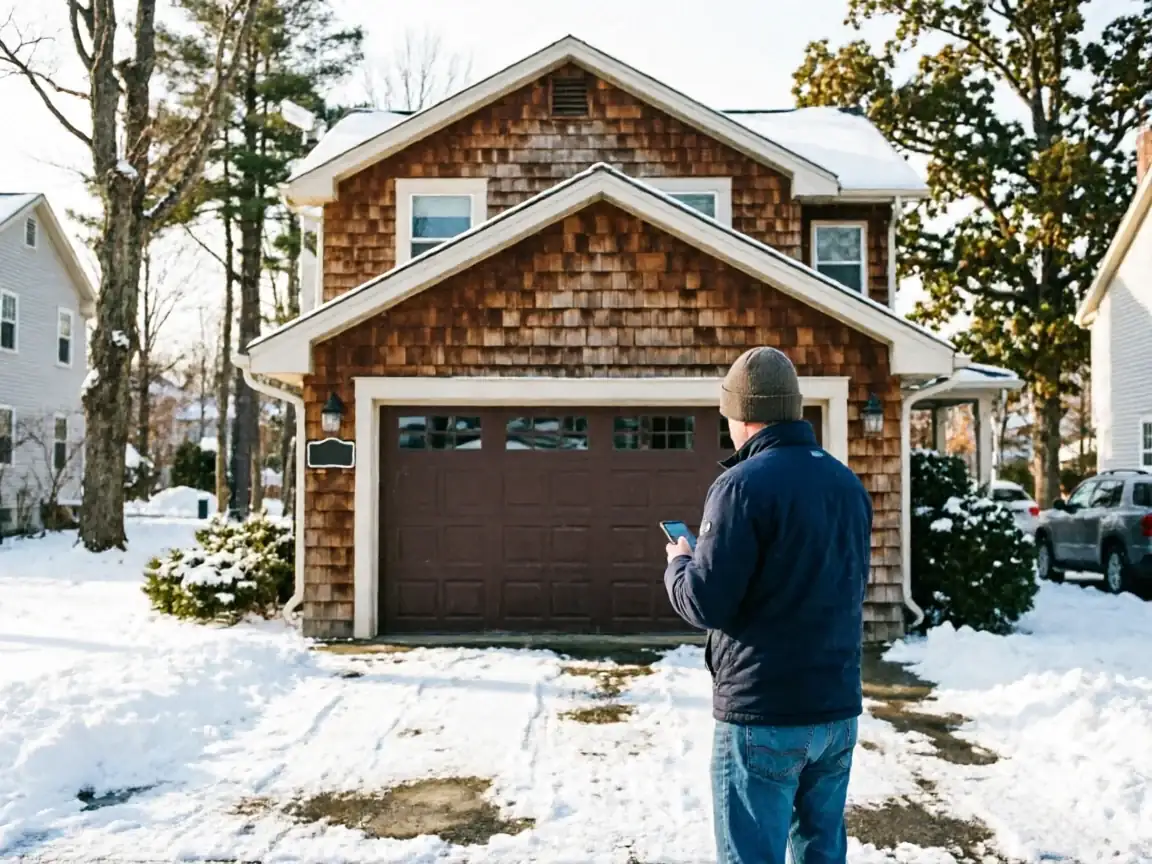
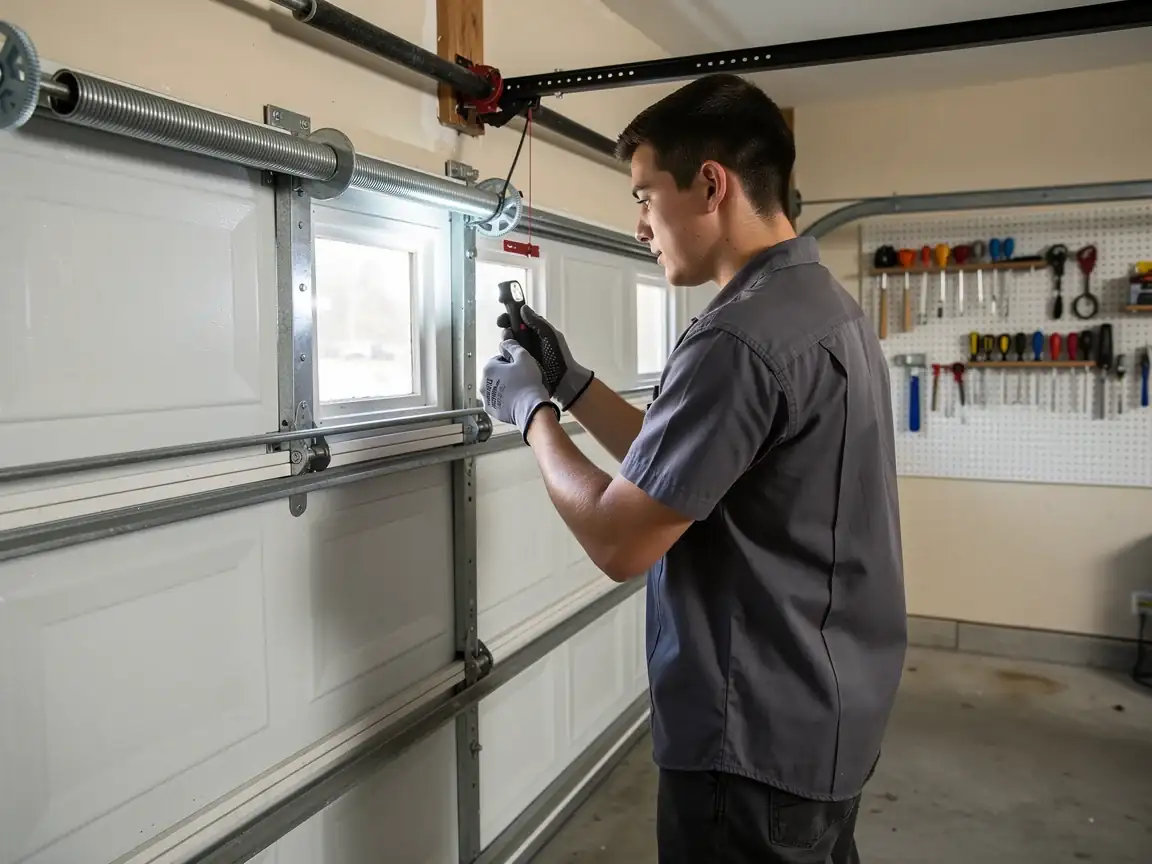
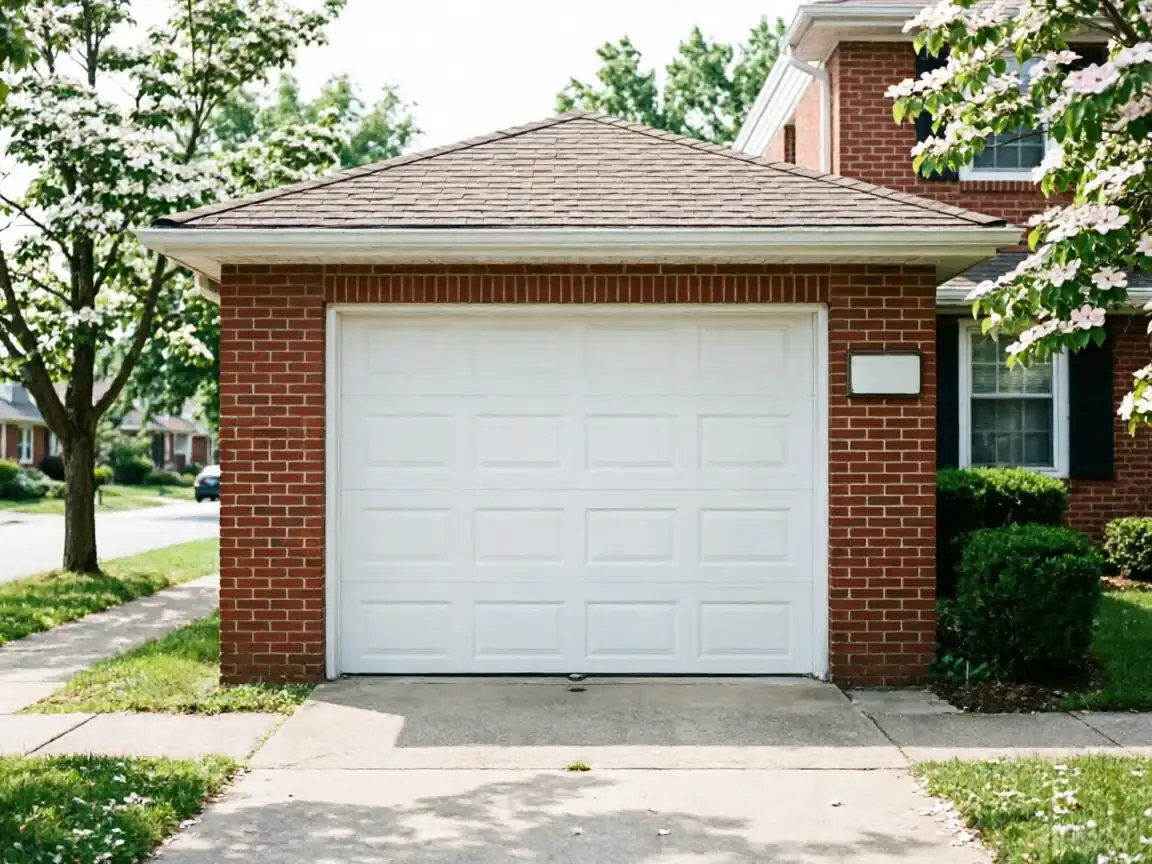
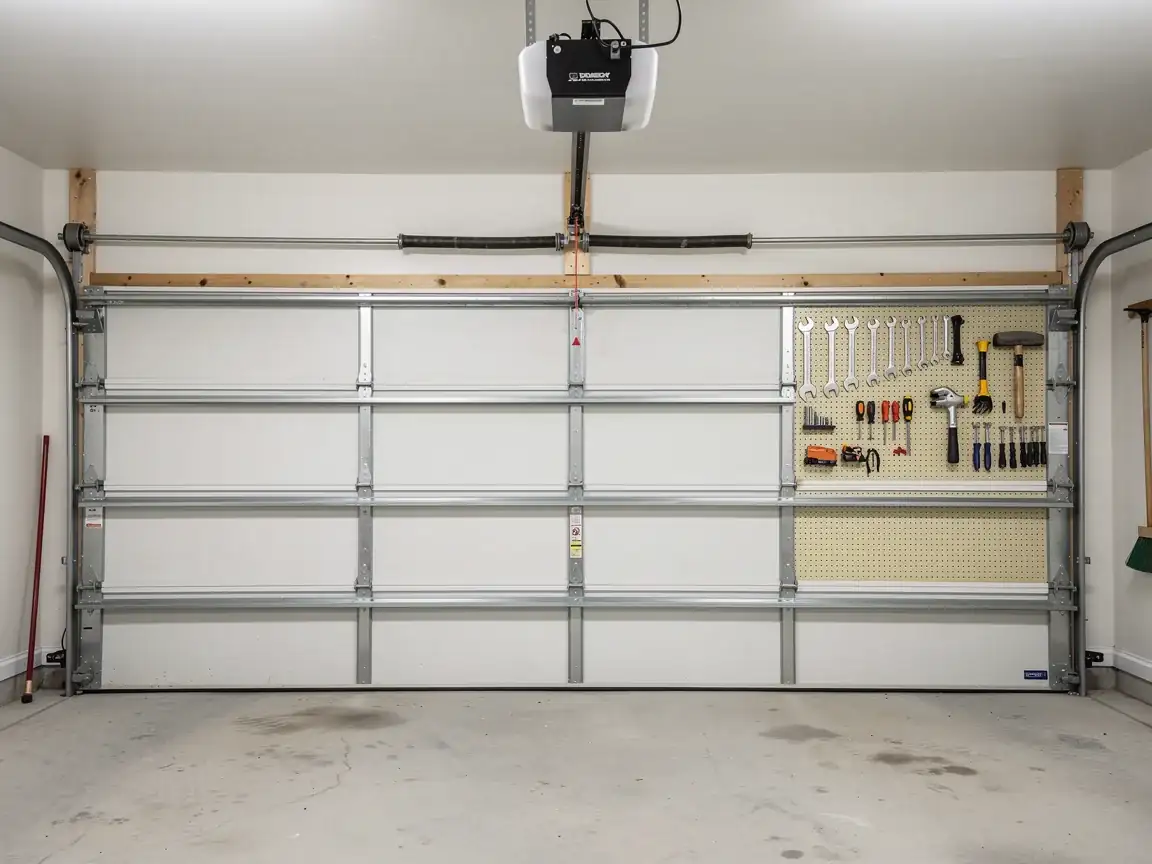
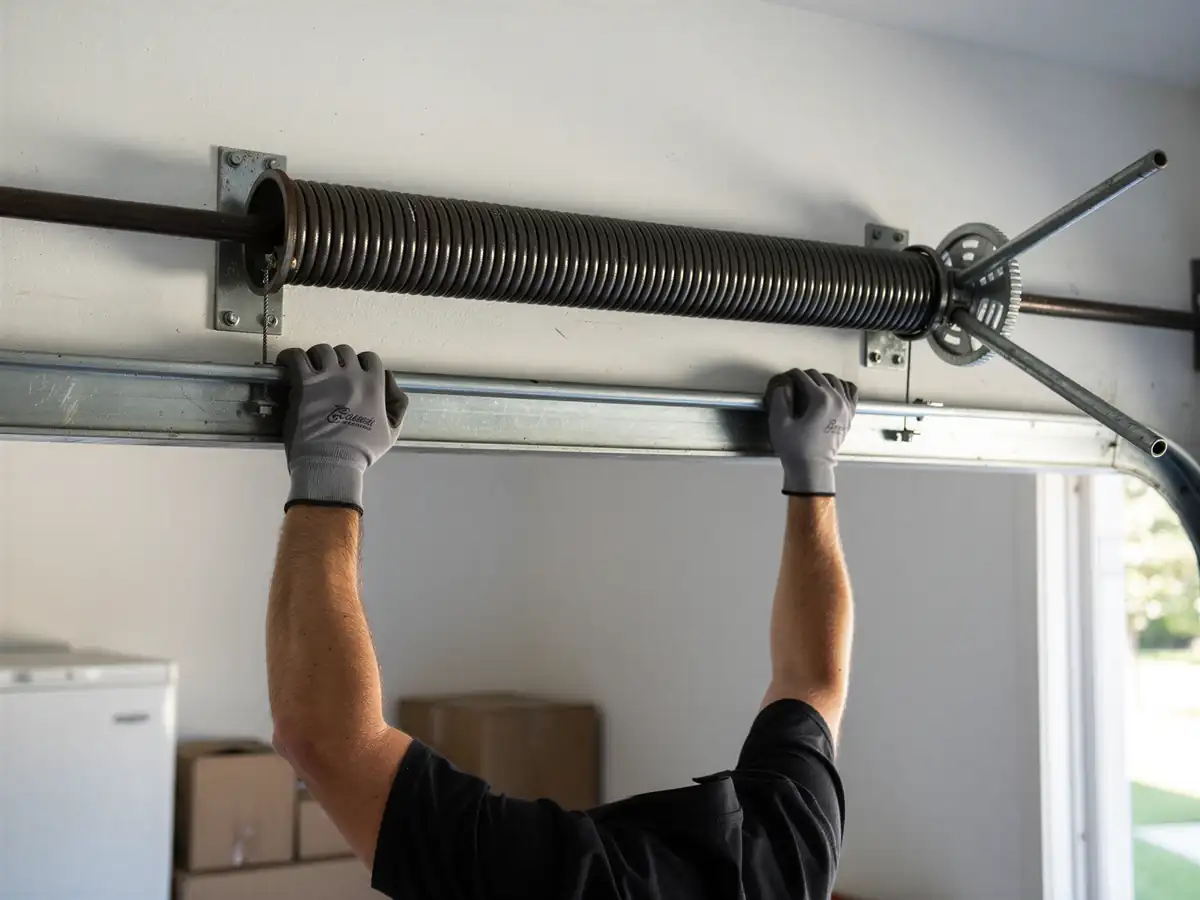
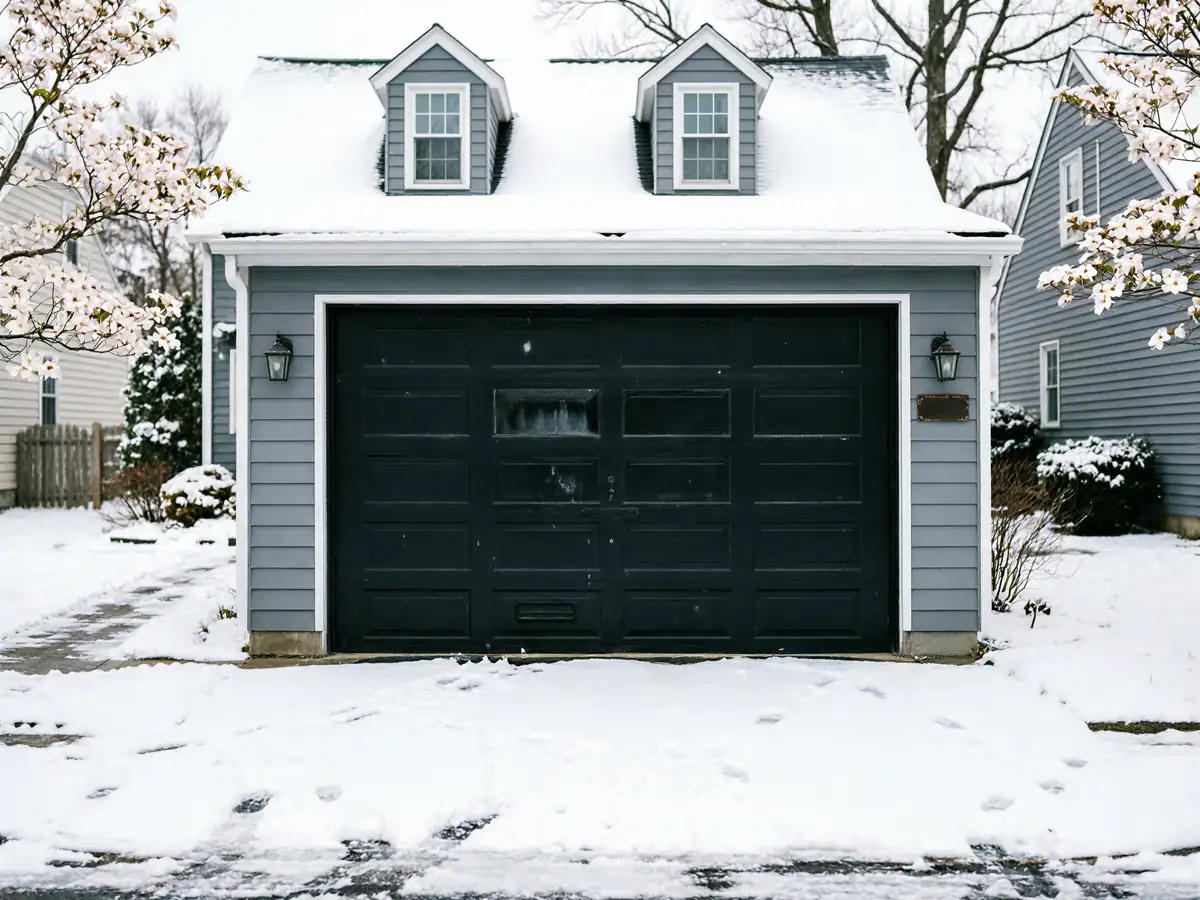
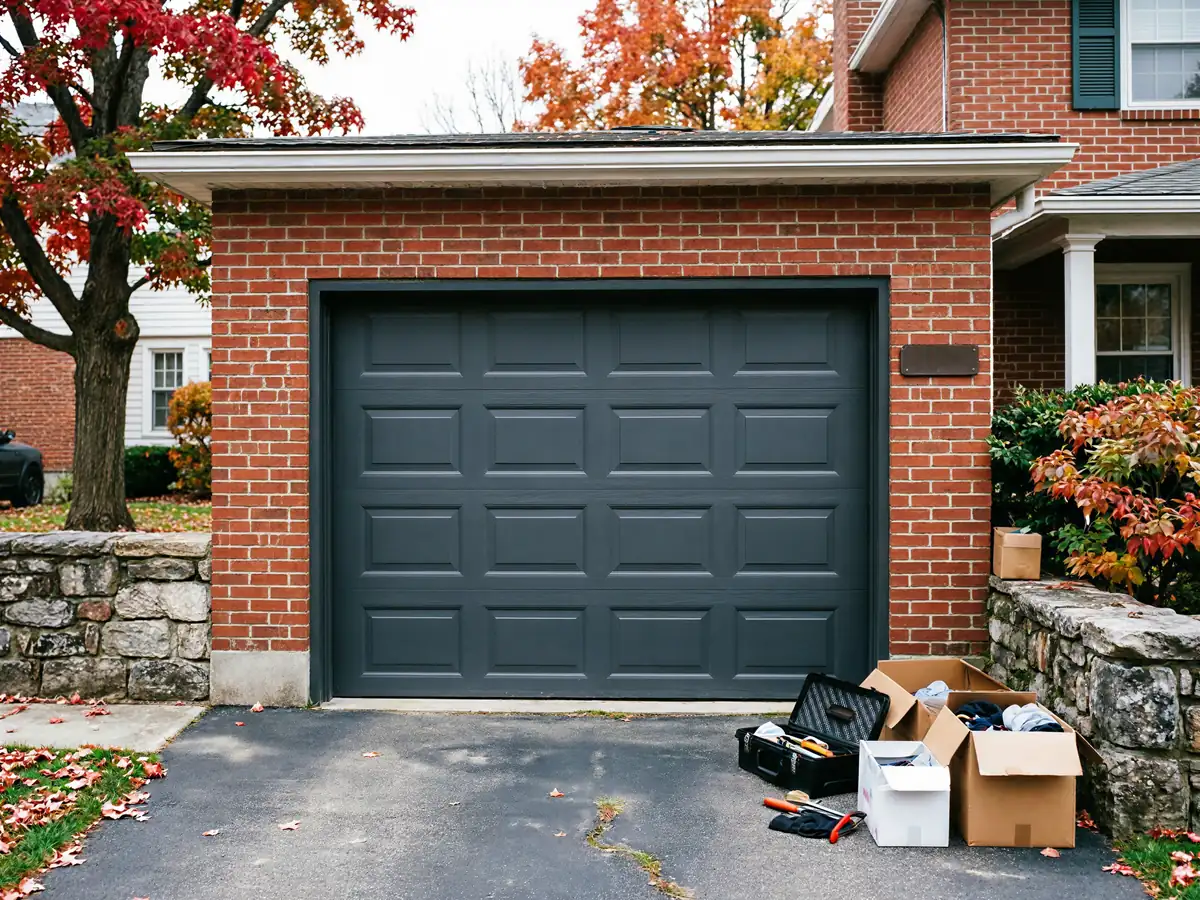
A door built around 1986 has had close to four decades of New Hampshire winters working against it. The steel panels on these older doors often have no thermal break, just a skin over a thin foam core or nothing at all, which means the whole slab conducts cold straight into the garage and whatever sits against the shared wall. The torsion springs on a door this old have usually been wound and rewound by a few openers' worth of cycles, and steel fatigues - a spring that held fine for 30 years can let go without warning on cycle 30,001. Tracks on original 1980s installs tend to be lighter gauge than what gets installed today, and after enough seasons of expansion and contraction they bow at the horizontal bend, which is where rollers start binding and openers start straining. None of this is dramatic until the day it is.
Why This Fails Locally
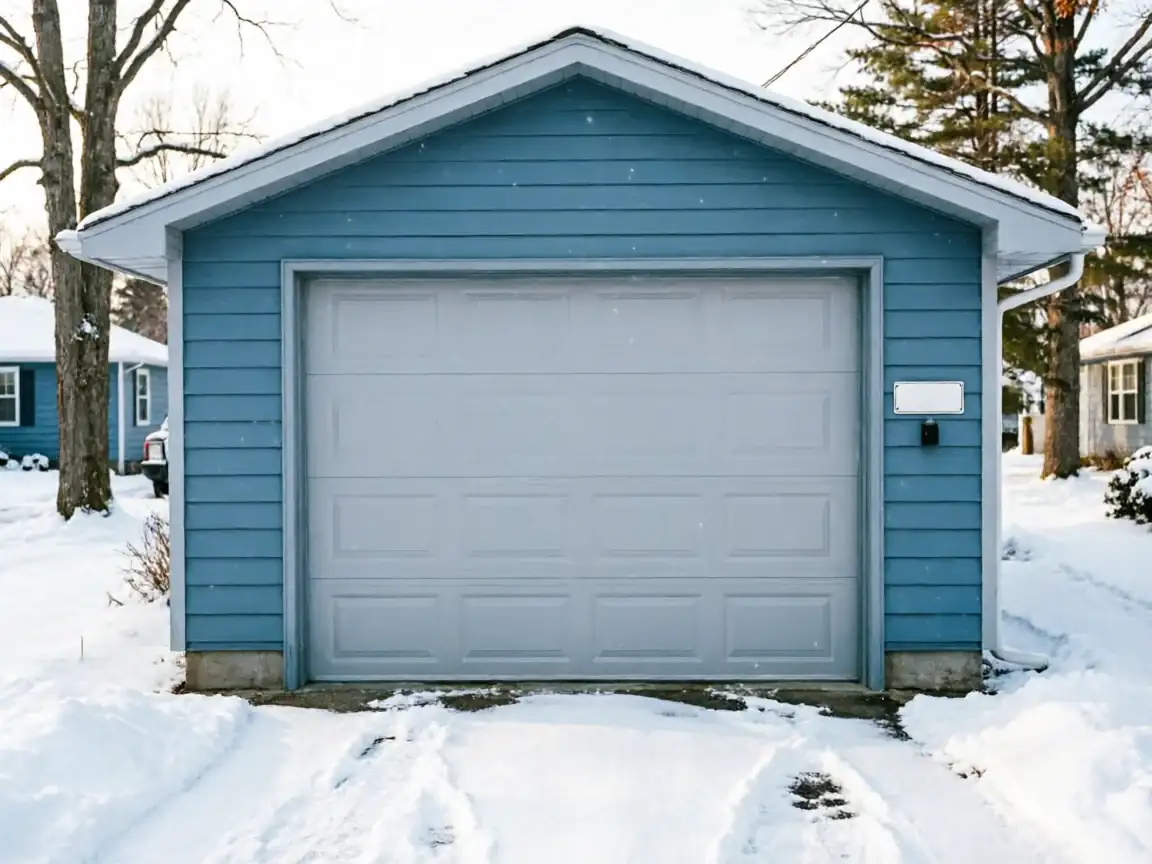
Hampstead sits in a severe cold climate band, and that matters more for an old steel door than people expect. Grease in a 1986-era bearing thickens hard in deep cold, torsion springs lose a little tension efficiency as steel contracts, and a door that was already marginal on insulation starts transmitting outside temperature straight through to the garage interior. Across the roughly 3,652 households here, the housing stock leans heavily toward that mid-80s build window, which means a lot of these original doors are hitting the same age wall at roughly the same time. The broader Londonderry service area runs an older median build year, 1982, so Hampstead's doors are a touch younger on average - but a touch younger than 1982 still means a 30-plus-year-old door asking a cold-climate spring to do a cold-climate spring's full-rated work every single morning.
What the Fix Involves
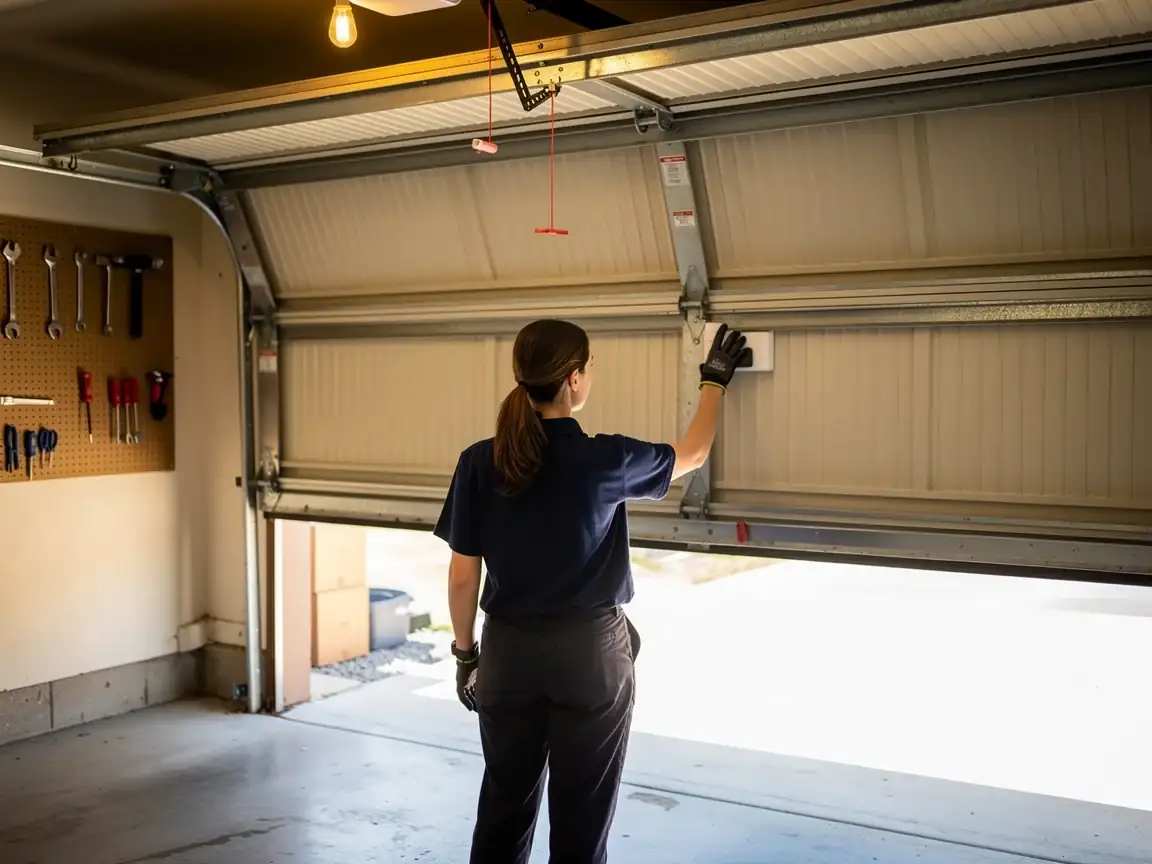
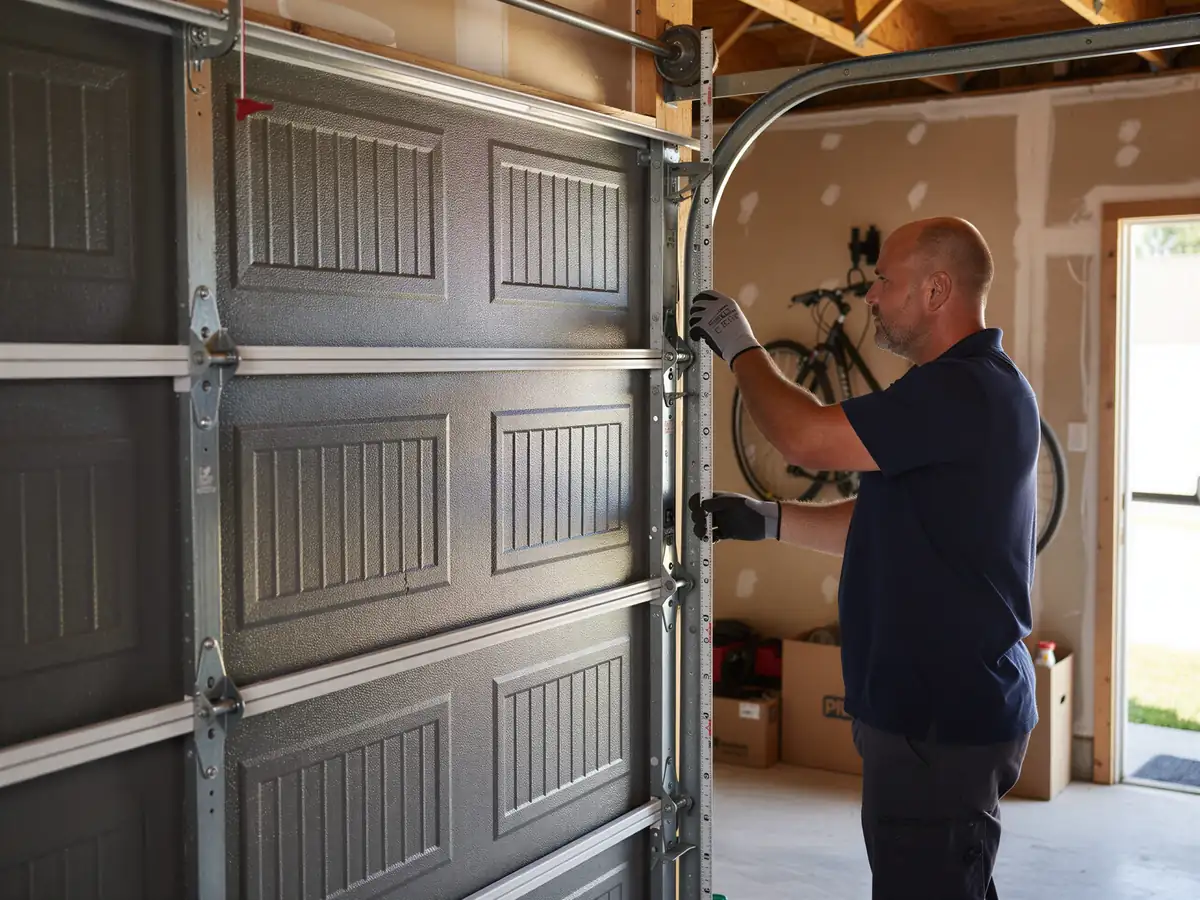
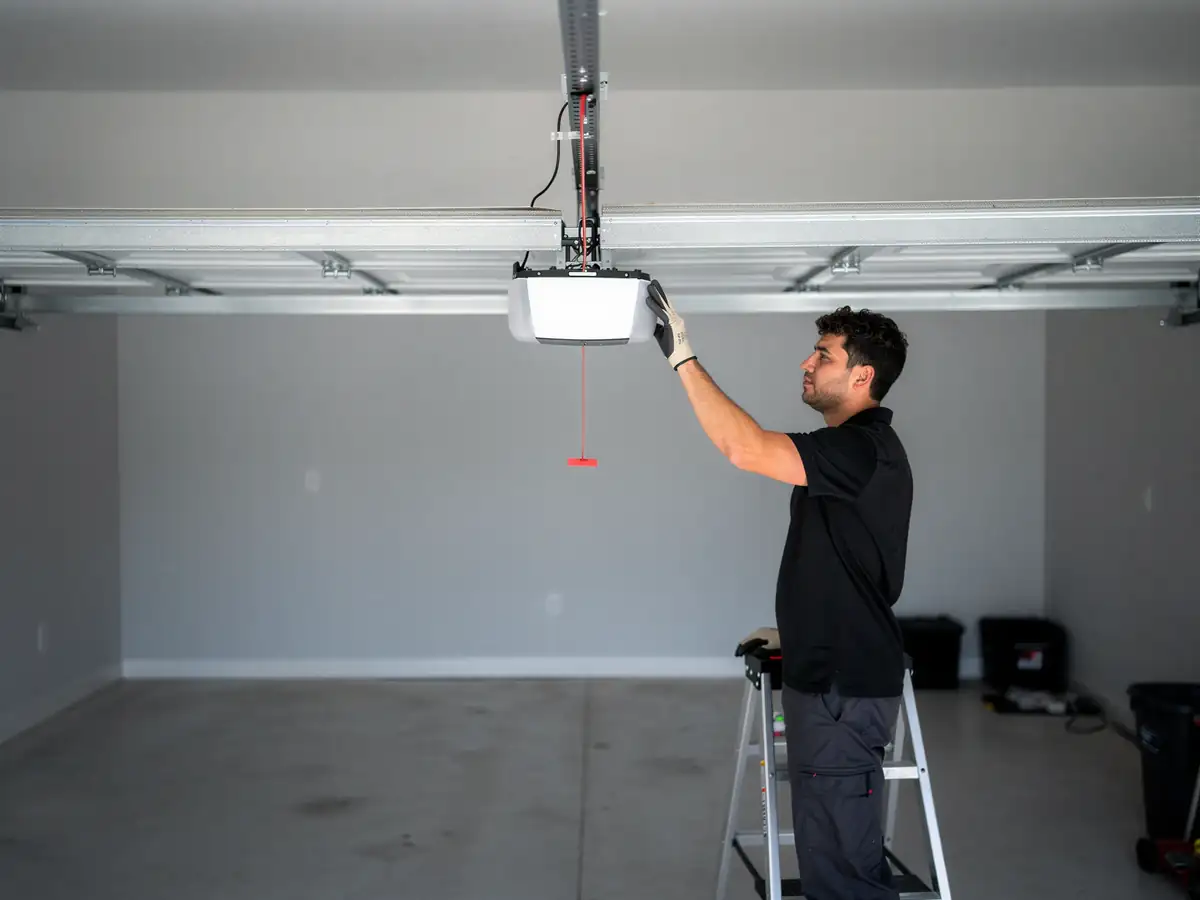
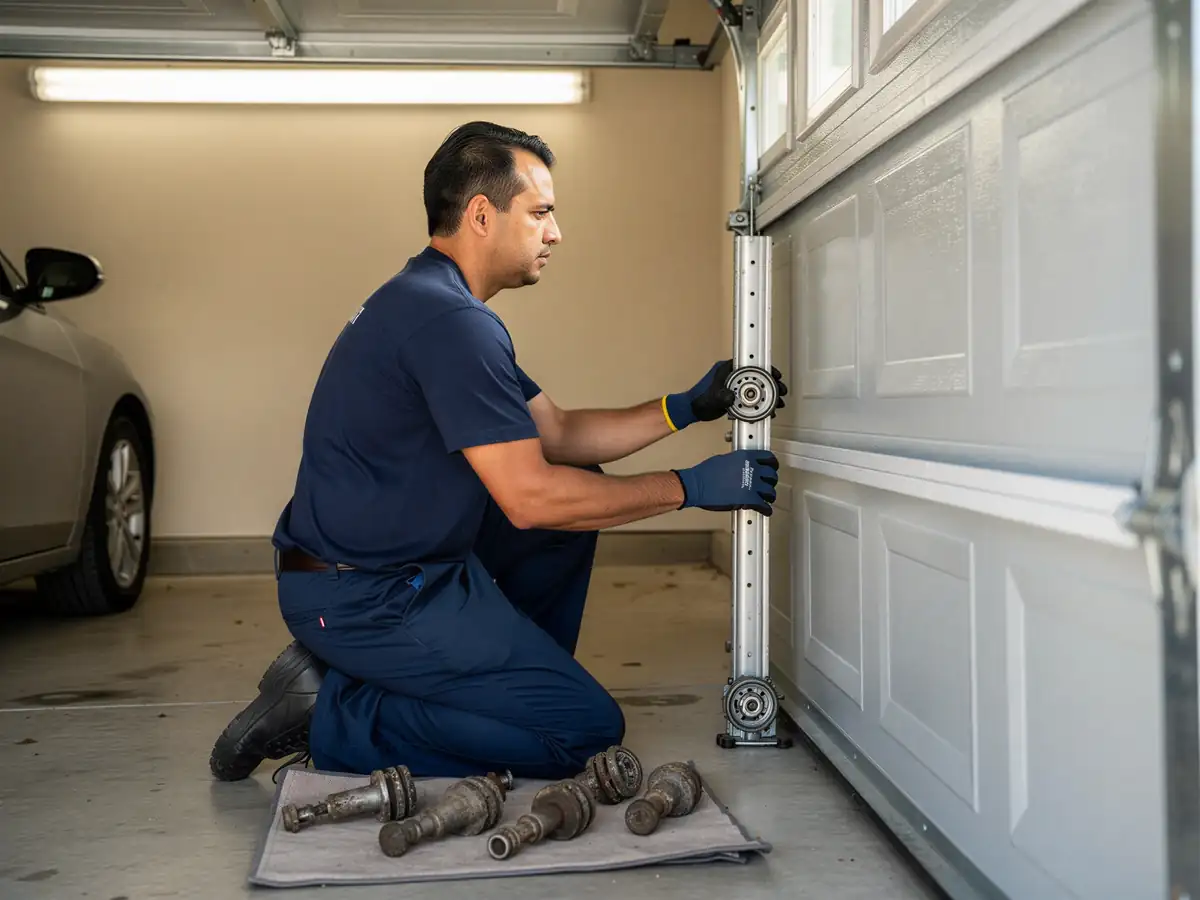
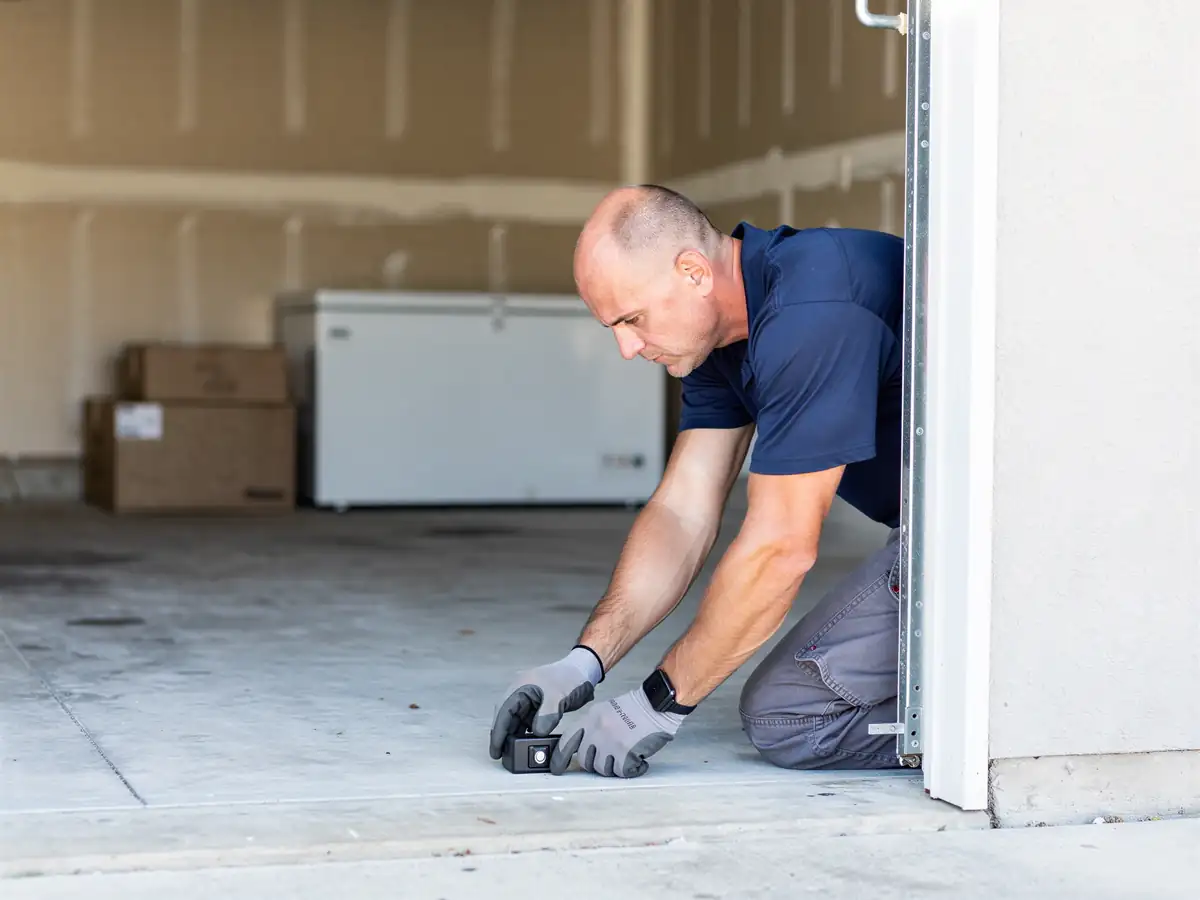
A real installation starts with pulling the old door, track, and torsion spring assembly off the jambs entirely rather than bolting a new door to old hardware - a 1986-era track or spring isn't rated for a new insulated door's weight distribution, and mixing old and new parts is how comebacks happen. The new jamb brackets get set plumb, new track run and leveled, a correctly sized torsion spring wound for the new door's actual weight, and the opener remounted and force-adjusted so it doesn't fight the door on the first cold morning. Given the income range in this area, most Hampstead jobs land on a mid-grade insulated steel door rather than the stripped-down builder option that went up the first time around - a reasonable upgrade given what the old doors were asked to do for 38 years straight. For anyone weighing repair against full replacement first, that's a separate conversation worth having before committing to a swap.