The DIY Question
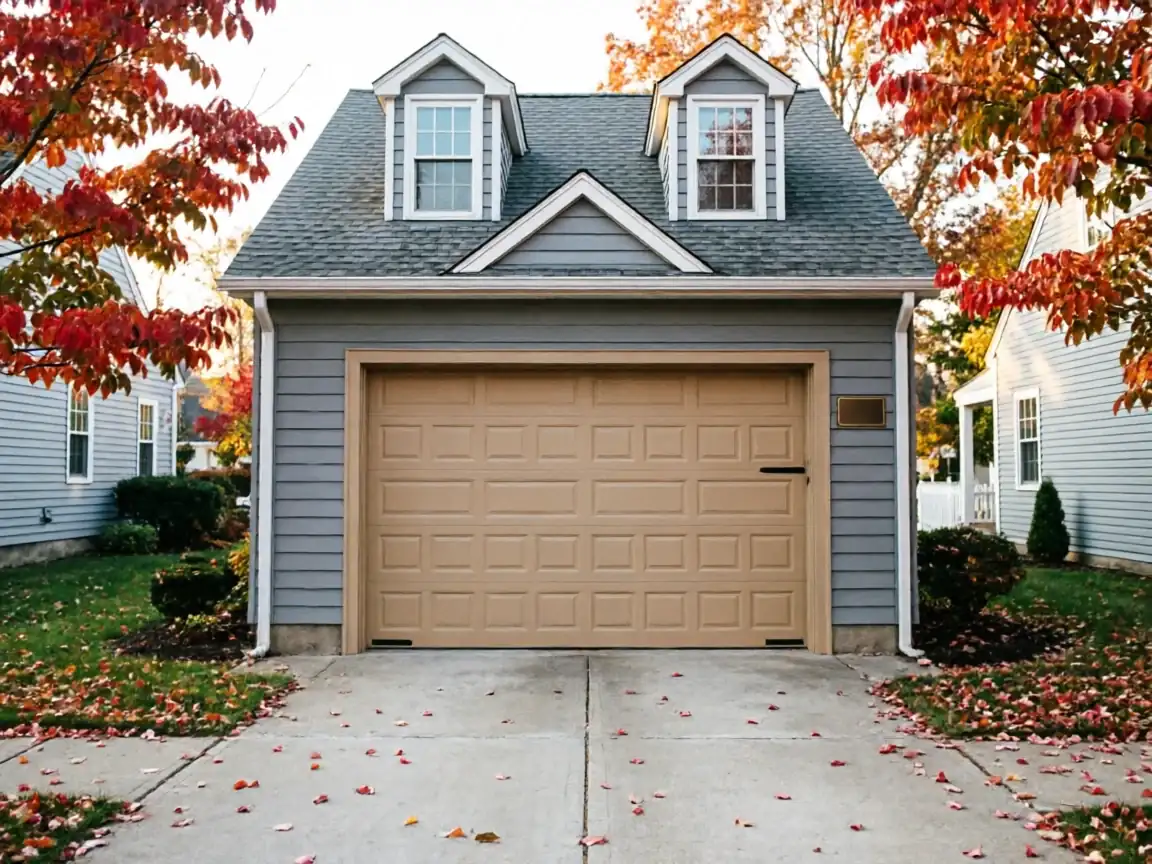
Hampstead sits ten miles out from our shop in Londonderry
Which changes how we approach a call before we even get in the truck. We don't have a crew parked nearby, so every opener job here gets diagnosed over the phone first - make, symptom, age of the unit - and the truck gets loaded for that specific repair before it leaves. That's different from a town five minutes away where a tech can swing back for a part.
So should you try the fix yourself first?
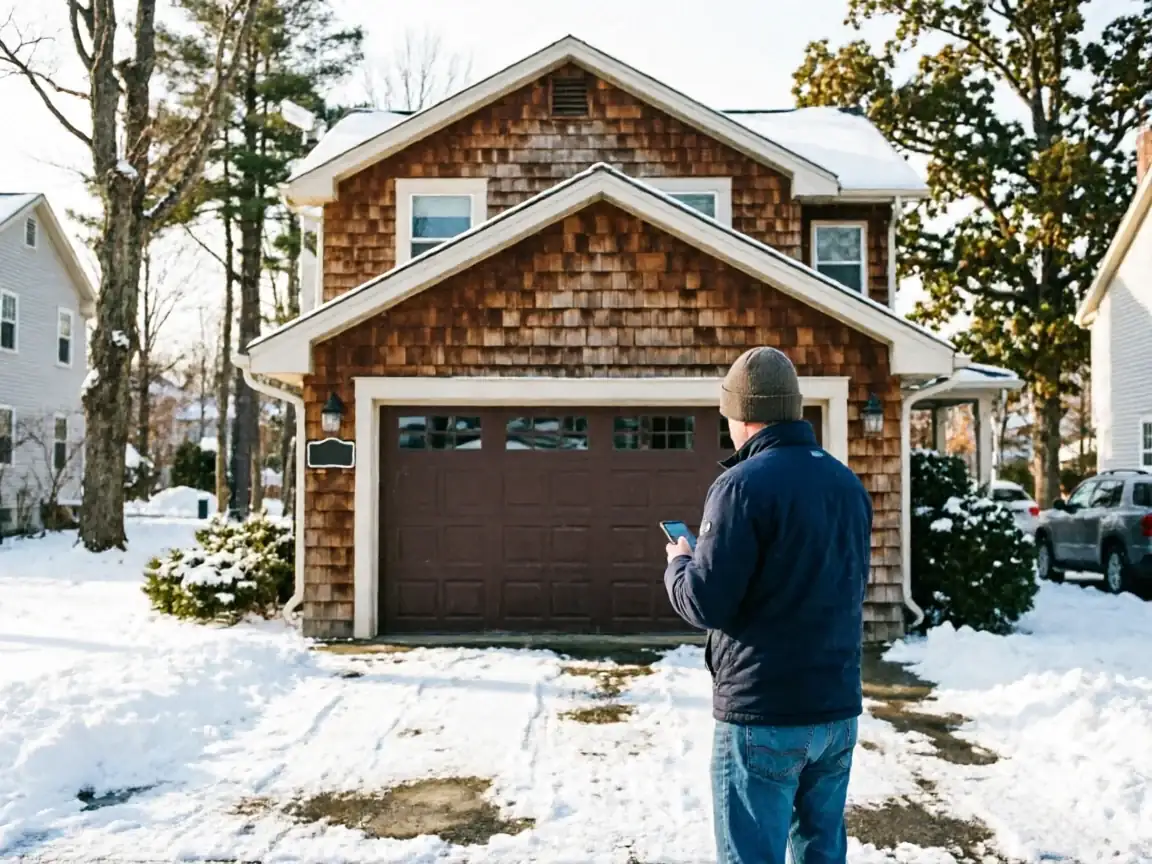
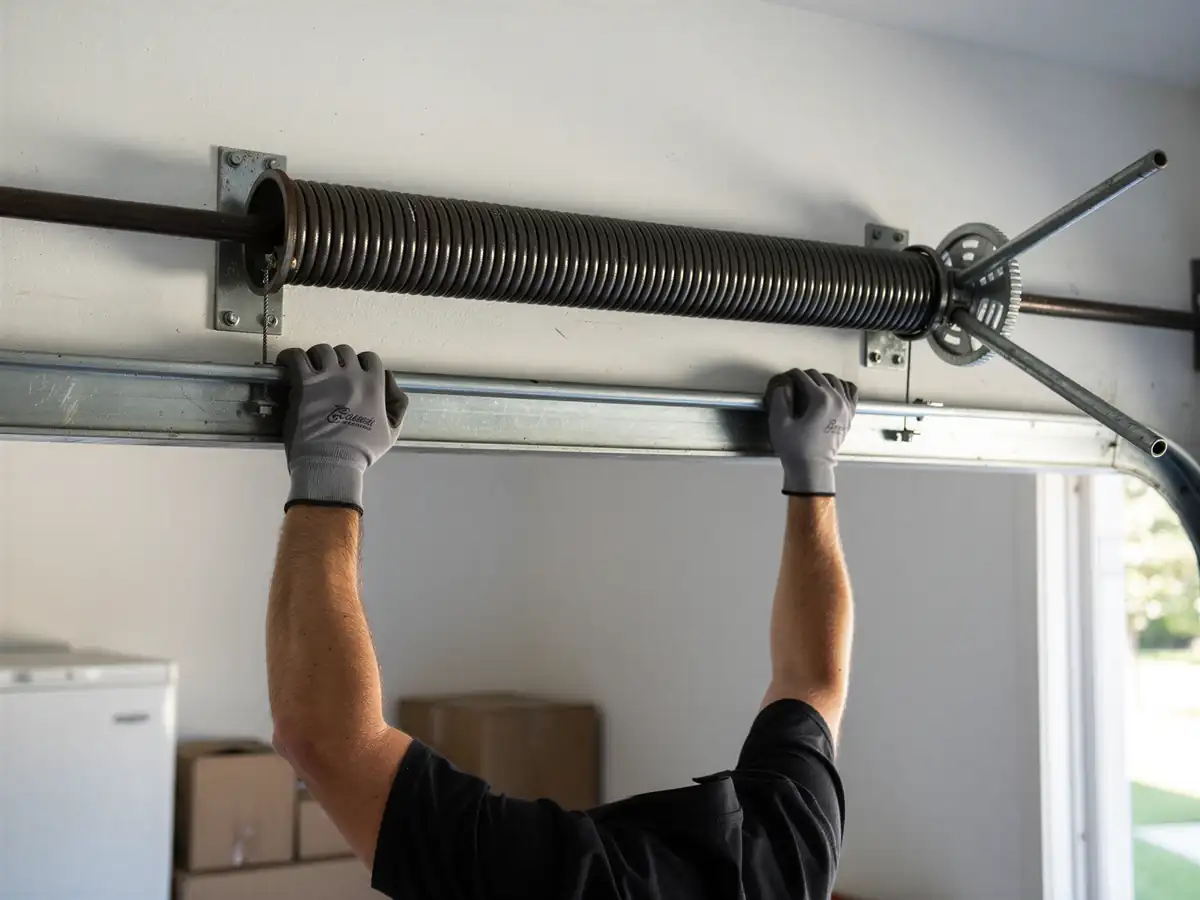
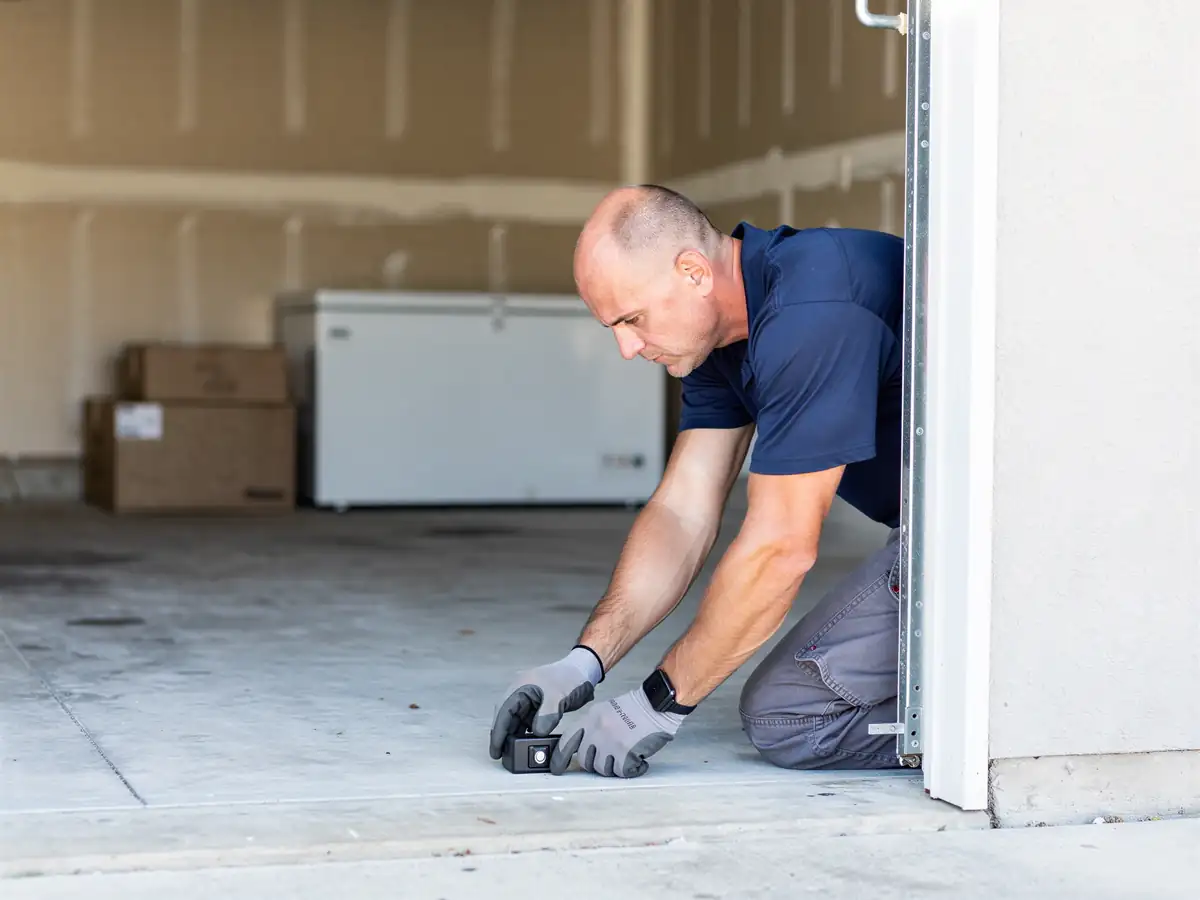
If the opener just hums and the door doesn't move, check the obvious: is the sensor light blinking, is the wall button making contact, did the breaker trip. Those take five minutes and cost nothing. But if you're pulling the cover off the motor housing or touching the logic board, stop. A $12,000 mistake on an opener is rare, but a bent carriage or a stripped gear from a forced fix is not, and it turns a $150 repair into a $400 one. We'd rather you call before you open the case than after.
What Can Go Wrong
Most houses in Hampstead went up around 1986, which puts a lot of openers here either on their original chain-drive units from the 80s and 90s or on a first-generation replacement installed sometime in the 2000s. Both generations share the same failure points: worn drive gears that strip under load, capacitors in the motor that give out after enough winters, and logic boards that drift out of sync with the remote after a power flicker.
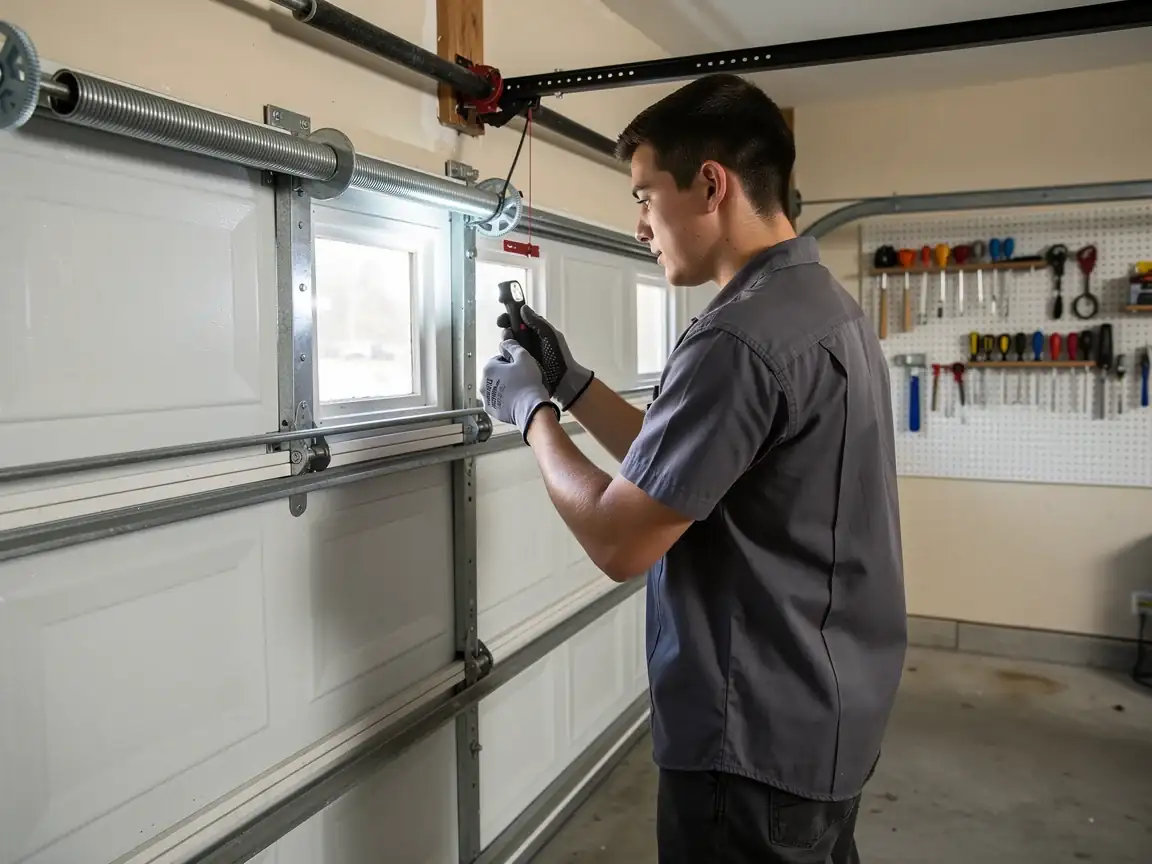
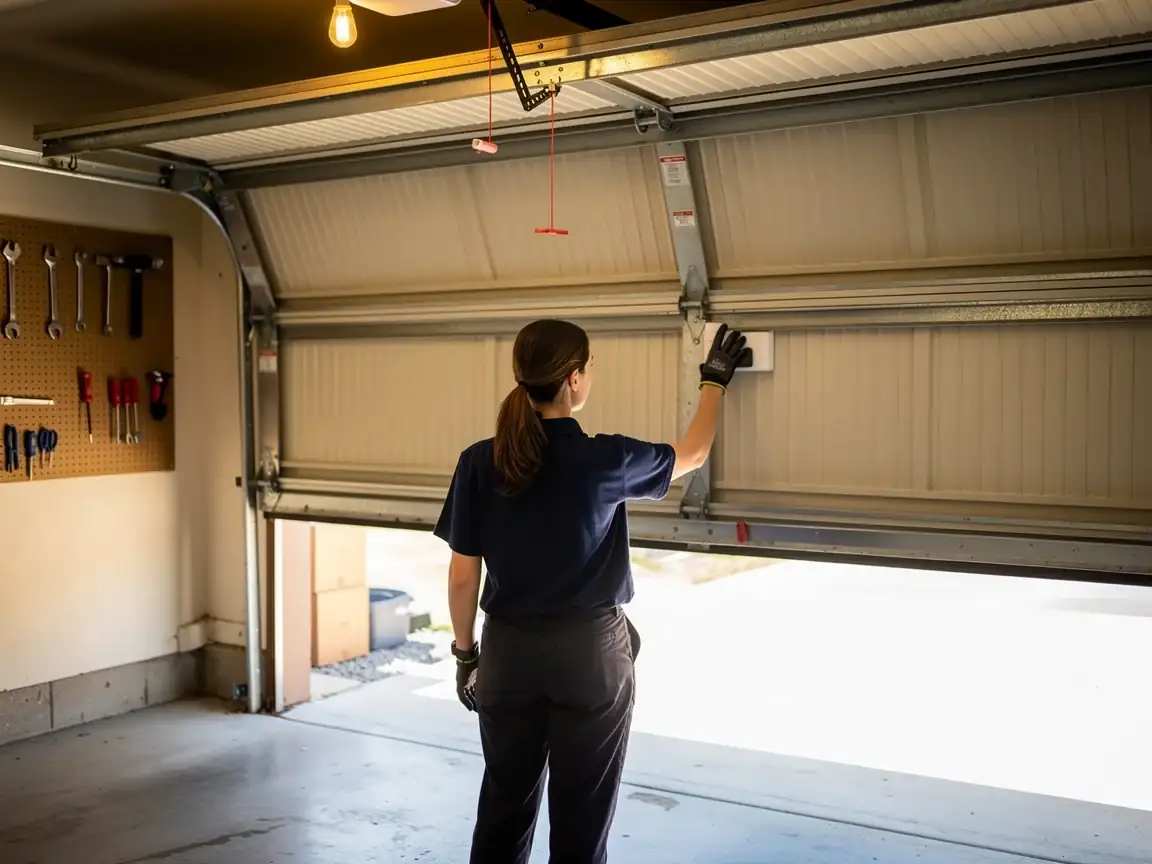
We also see a lot of safety-sensor misalignment on these older setups - the eye brackets were never built to hold calibration for forty years, and a knock from a snow shovel or a bike handlebar is enough to throw them off. On openers from this build era, the photocell wiring is also a common point of corrosion, especially where it runs along an unheated garage wall.
Why This Fails Locally
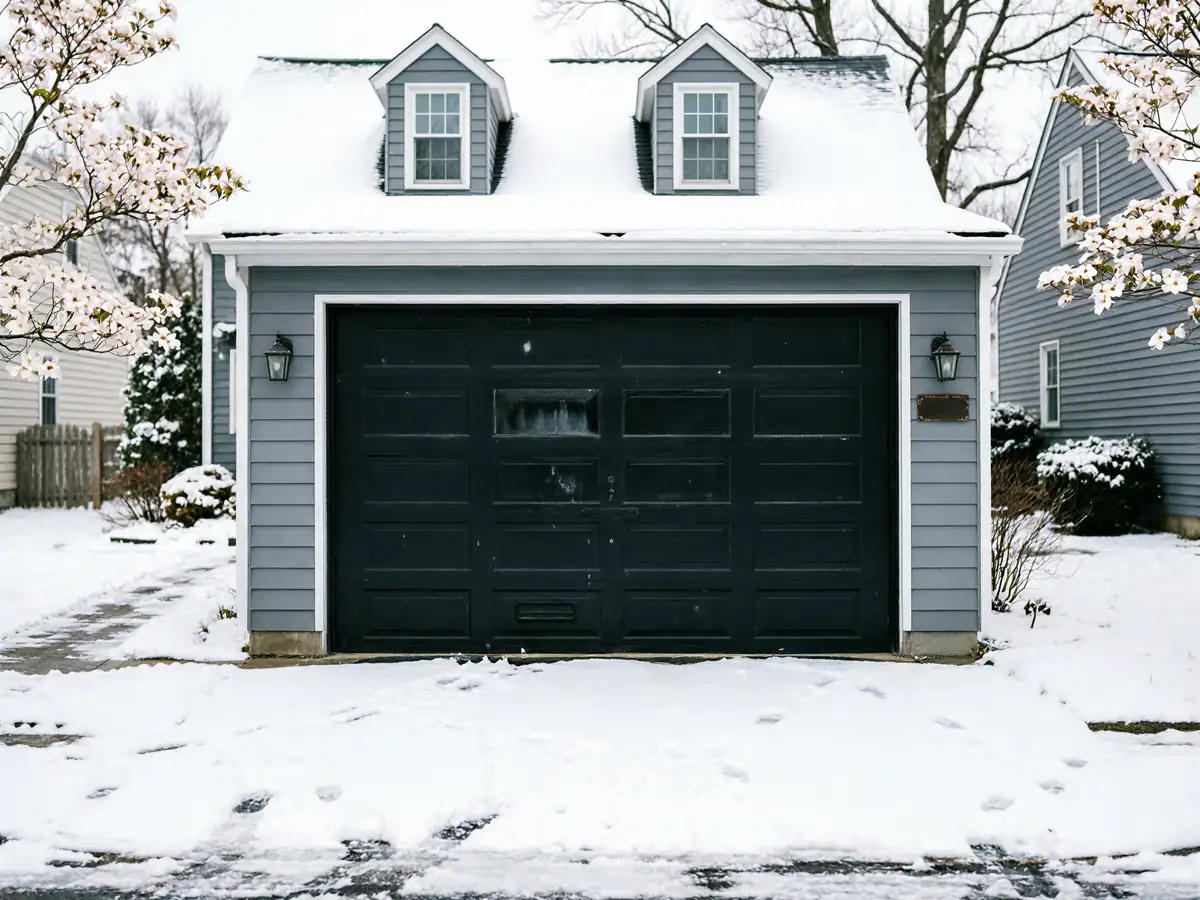
Hampstead's winters put real stress on garage door openers, and the climate here runs cold-severe enough that cold-soaked grease in an old gearbox thickens and drags the motor harder every time it starts. That's a mechanical load issue, not a wiring issue, and it's the single most common reason an opener from the 1986 housing stock starts straining before it fails outright.
The other local factor is simple economics: median household income here runs about $99,536, lower than some of the towns around it, and across roughly 3,652 households that means a lot of owners are weighing opener replacement against repair rather than defaulting to a new unit. We take that seriously - if a repair gets your opener through another five winters, we say so, and we don't push a replacement because it's a bigger job for us.
Time on the Job
Because we're running the truck ten miles from Londonderry, the job itself needs to be right the first time
There's no quick second trip for a part we didn't bring. A straightforward sensor realignment or logic board reset runs well under an hour once we're on site. A gear or motor swap on an opener from the 1980s/90s stock takes longer, partly because we're matching mounting brackets that current openers don't use out of the box.
We don't give a fixed arrival window for Hampstead calls
Since that depends on where the truck is coming from that day, but we do confirm the diagnosis and load the right parts before we head out, which is what keeps the on-site time short once we arrive.
What the Fix Involves
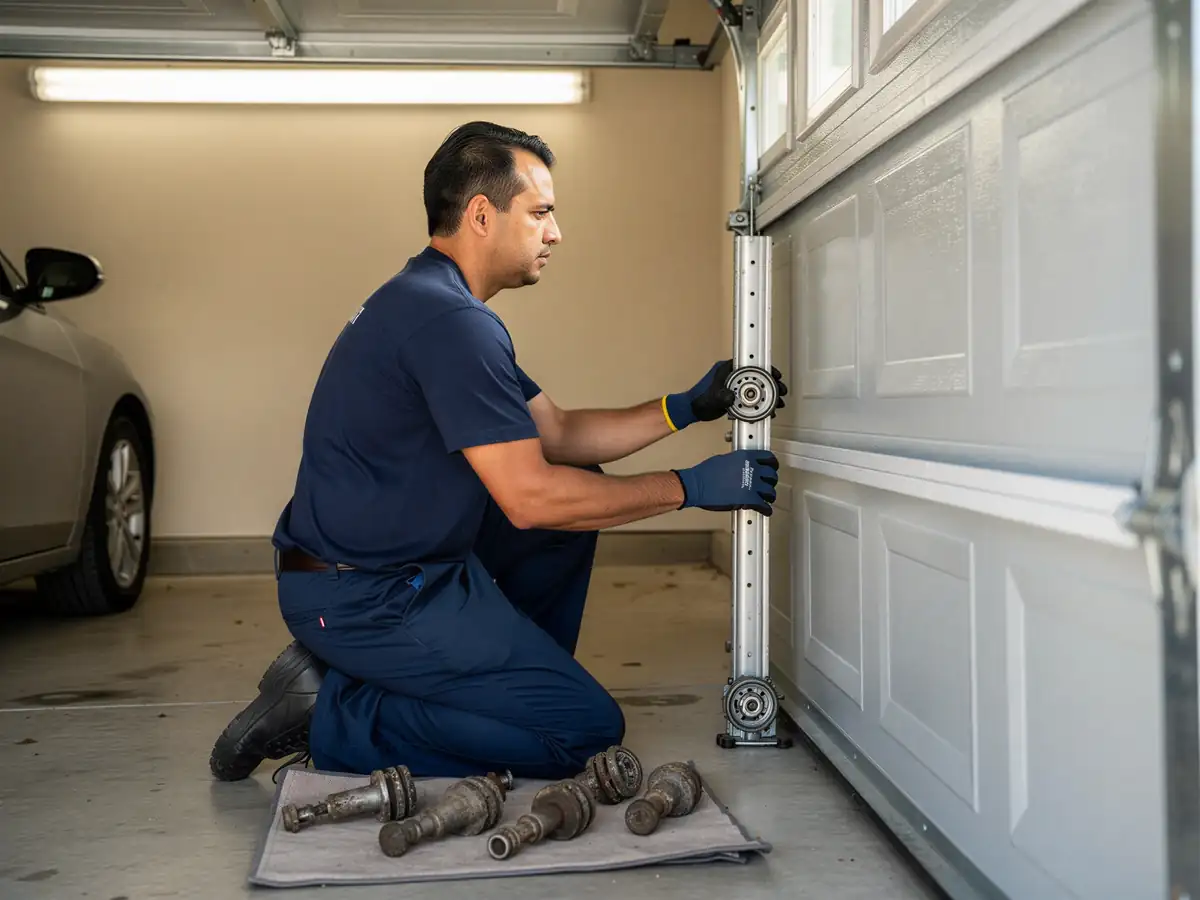
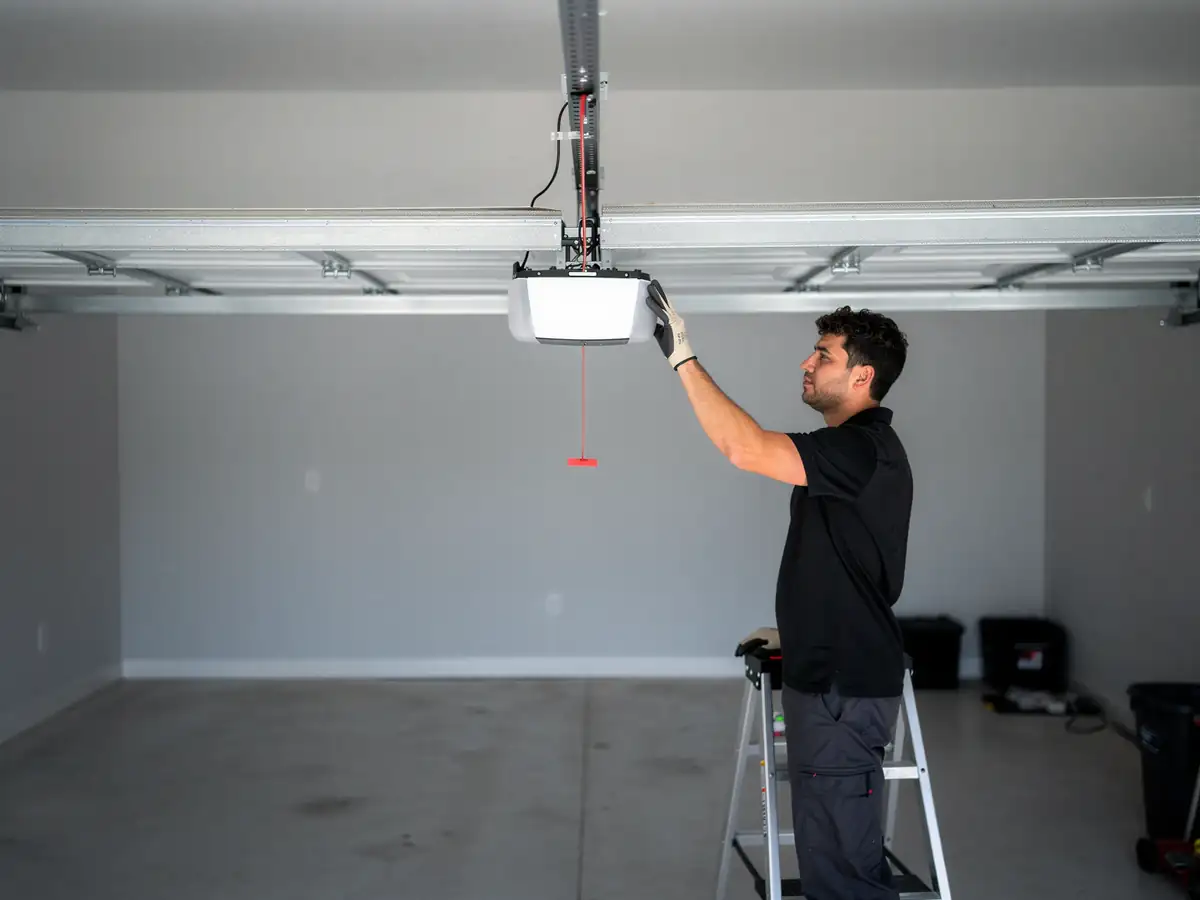
For most opener calls out this way, the work splits into three categories: sensor and wiring fixes, which are the cheapest and fastest; drive component repair, replacing a stripped gear, worn sprocket, or failing capacitor; and full opener replacement, which we recommend when the motor itself is the problem on a unit that's already outlived a couple of logic boards.
One honest limit here: if your opener is an older chain-drive unit and the motor housing is the failure point, we often can't source an exact replacement motor for a unit that old. In that case we're upfront that a new opener, matched to your existing rail and bracket where possible, is the more sensible repair rather than hunting for obsolete parts.