Getting It Booked In
Chester sits eleven miles out from Londonderry
Which puts it on the far edge of the drive compared to the closer suburbs a tech usually hits first thing in the morning. That doesn't change what we can fix once we're in your driveway, but it does change how the call gets slotted. With only 1,827 households in town, Chester doesn't throw off the call volume that denser areas closer to Londonderry do, so a visit out here tends to get routed on a day the truck is already headed this direction rather than as a standalone trip across town.
- 1,827 households
What that means for you
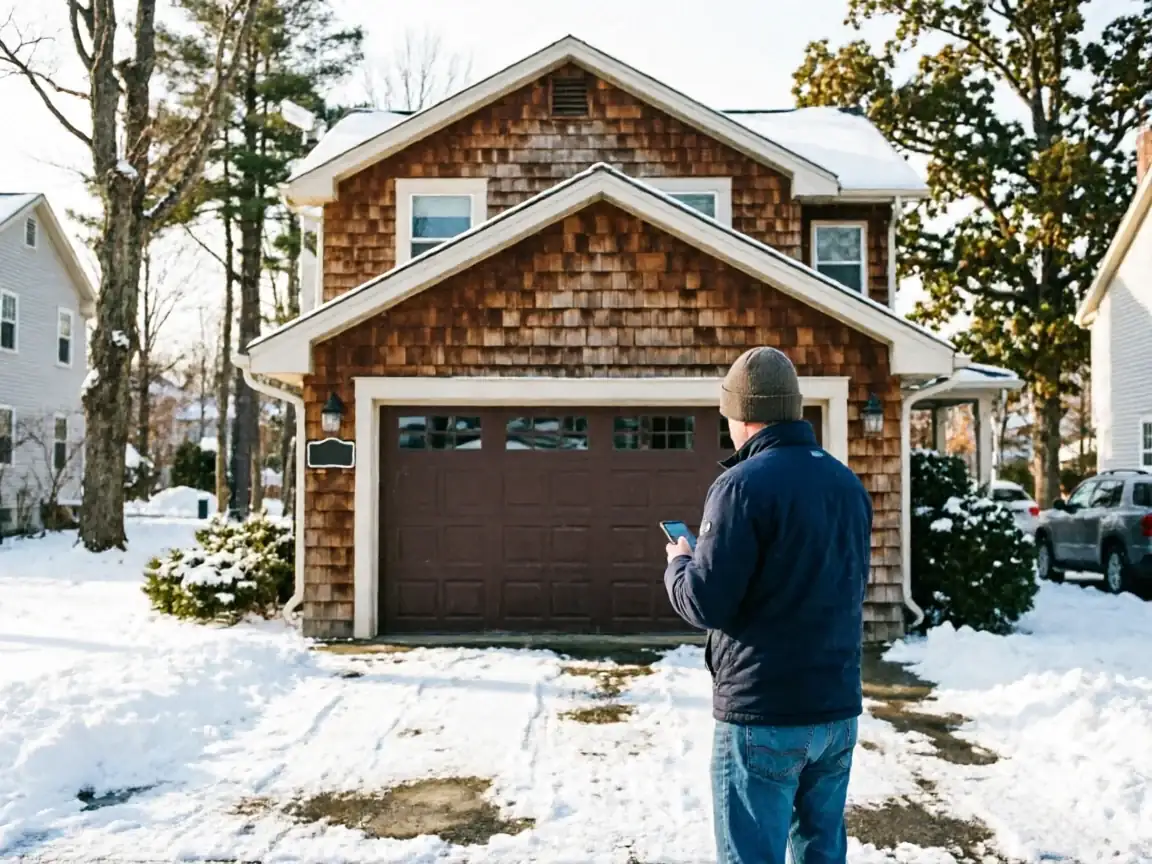
Tell us the opener symptom clearly when you call - grinding, no response, light blinking, remote dead - so the tech rolls out with the right board or sensor kit already on the truck instead of making a second trip for a part. For the garage door itself rather than just the opener, see Chester Garage Door Repair. If you're actually in Londonderry proper, the Londonderry opener repair page covers that call pattern directly.
Time on the Job
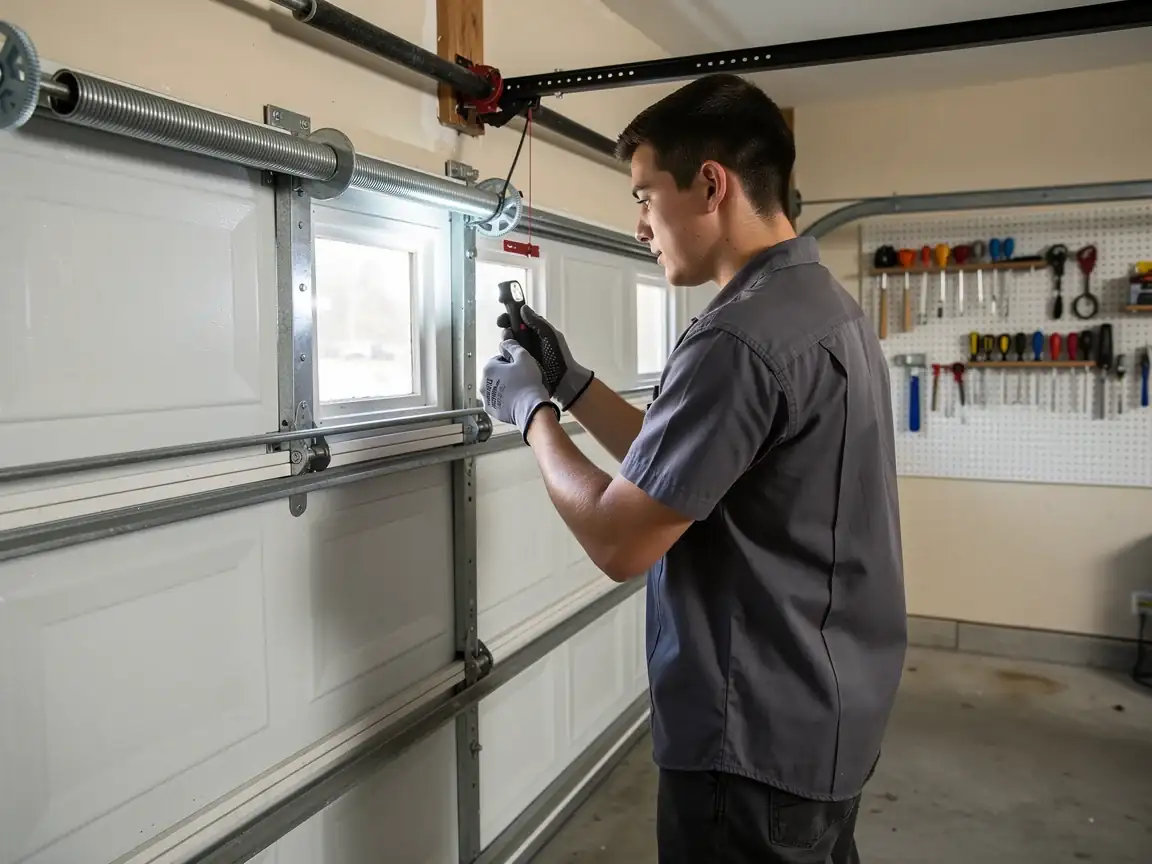
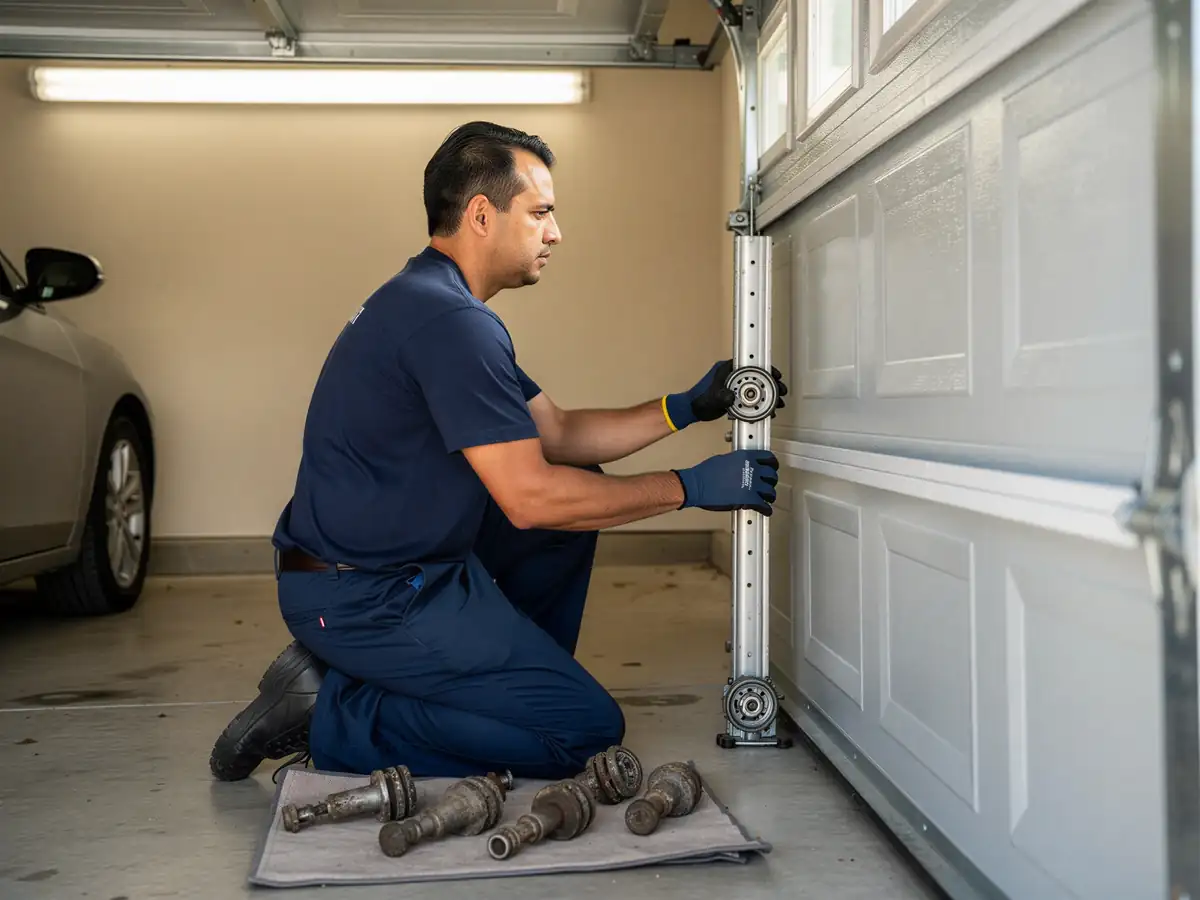
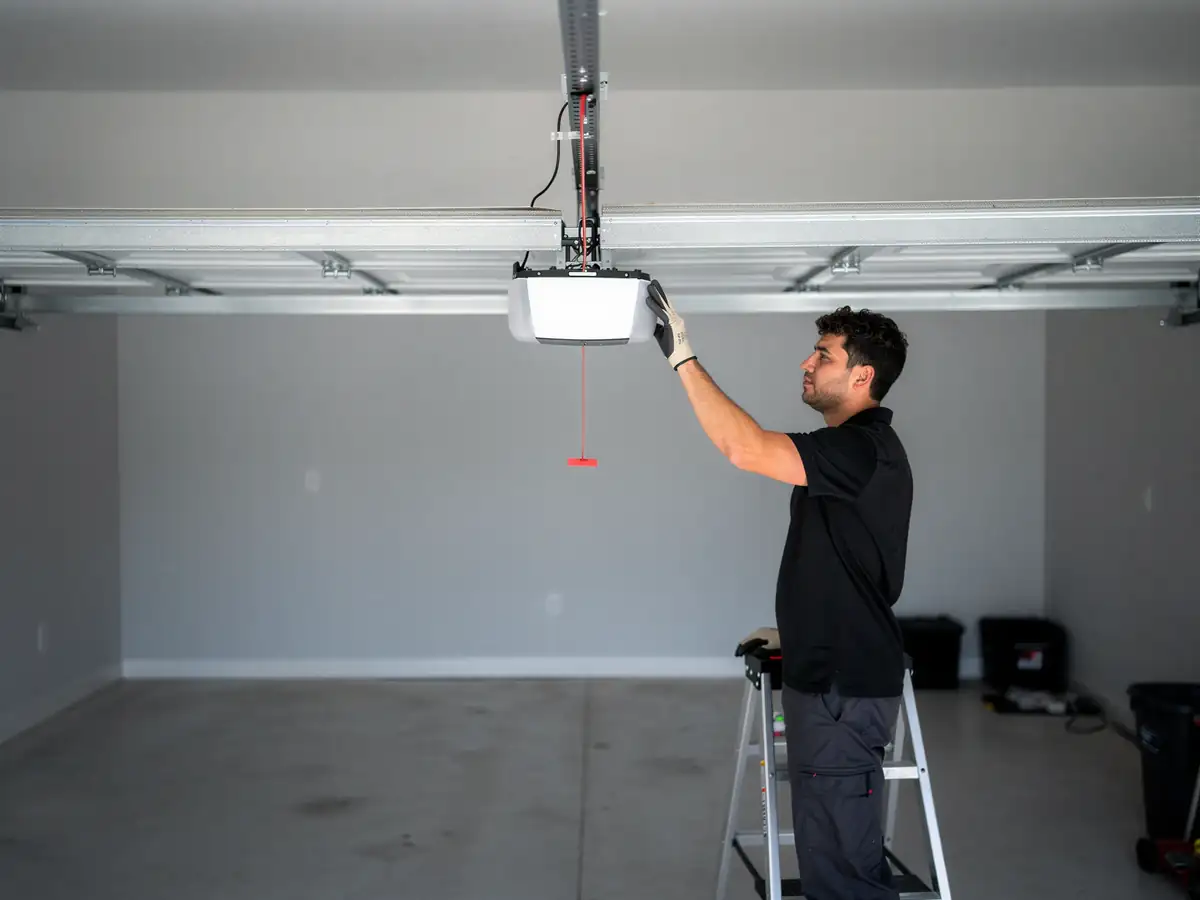
Most opener calls in Chester are one visit. The tech diagnoses on arrival - circuit board, capacitor, drive gear, or sensor - and carries common replacement parts for units from the era most houses here were built, the early 1990s. Swapping a logic board or a drive gear kit usually runs under an hour once the diagnosis is confirmed.
The honest limitation: if your opener is an original unit from 1993 or so and the specific board has gone out of production, we may not have an exact replacement on the truck. In that case the straight answer is usually a new opener rather than chasing a discontinued part, and we'll tell you that instead of stretching a repair that won't hold. We don't stock every obsolete board for every brand that was sold thirty years ago - nobody does.
The Symptom
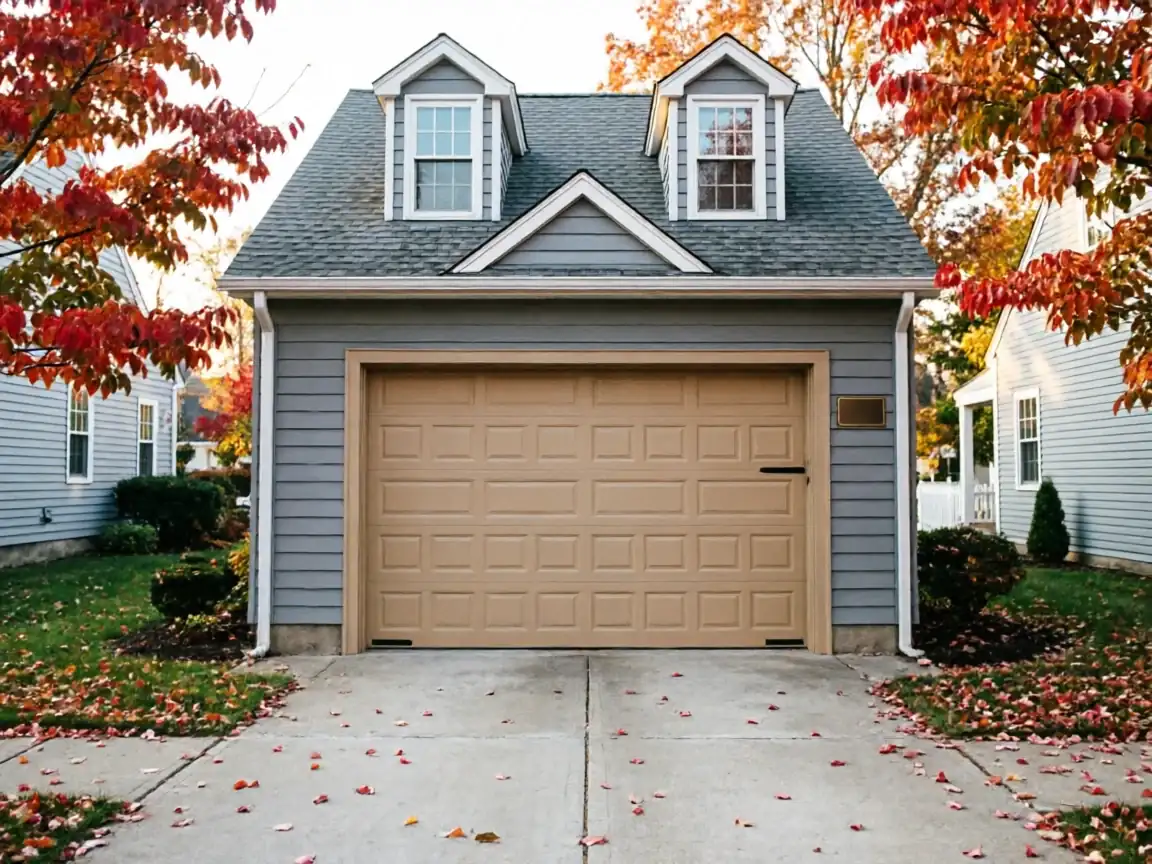
A lot of garages in Chester were built around 1993, a decade newer than the area's overall median of 1982, which means the openers original to those garages are chain-drive units now pushing thirty years old. The usual failure pattern: worn sprocket teeth that make the chain skip and chatter, weak capacitors that cause the motor to hum without lifting, and photo-eye sensors knocked out of alignment as the slab settles over time.
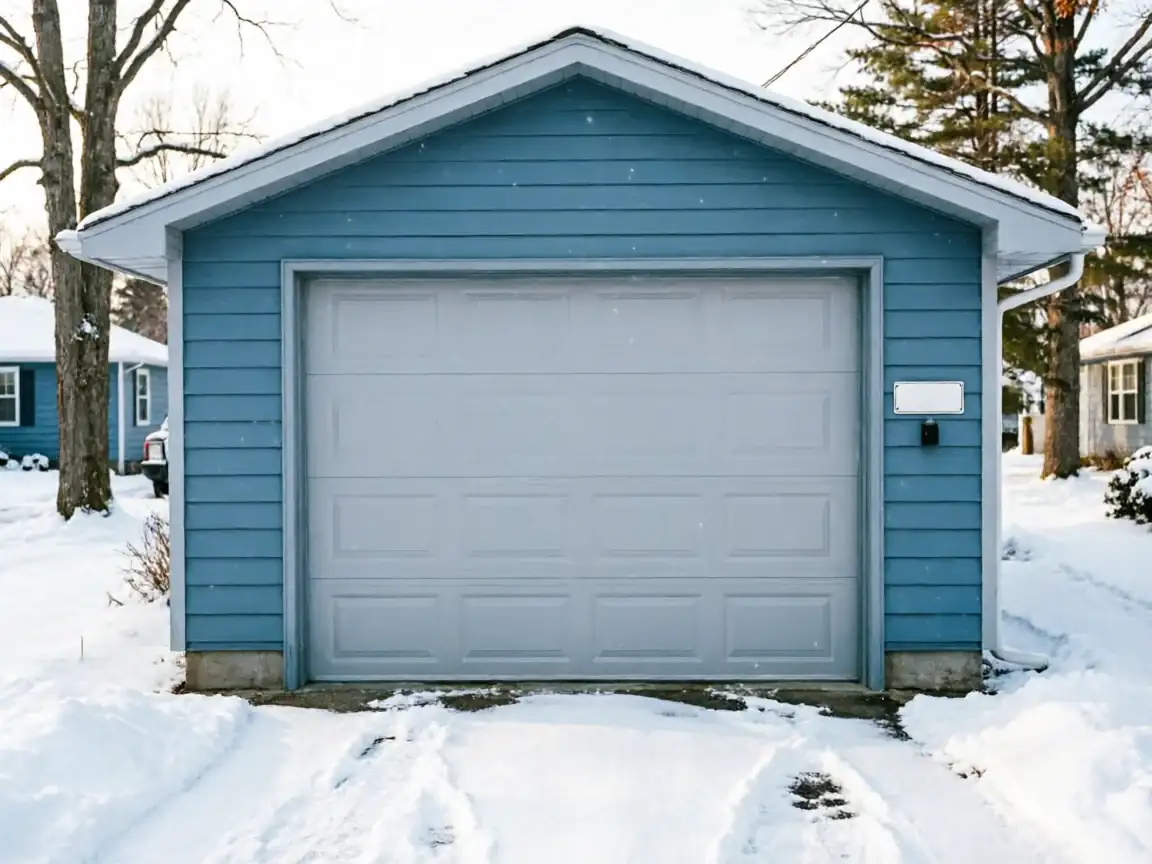
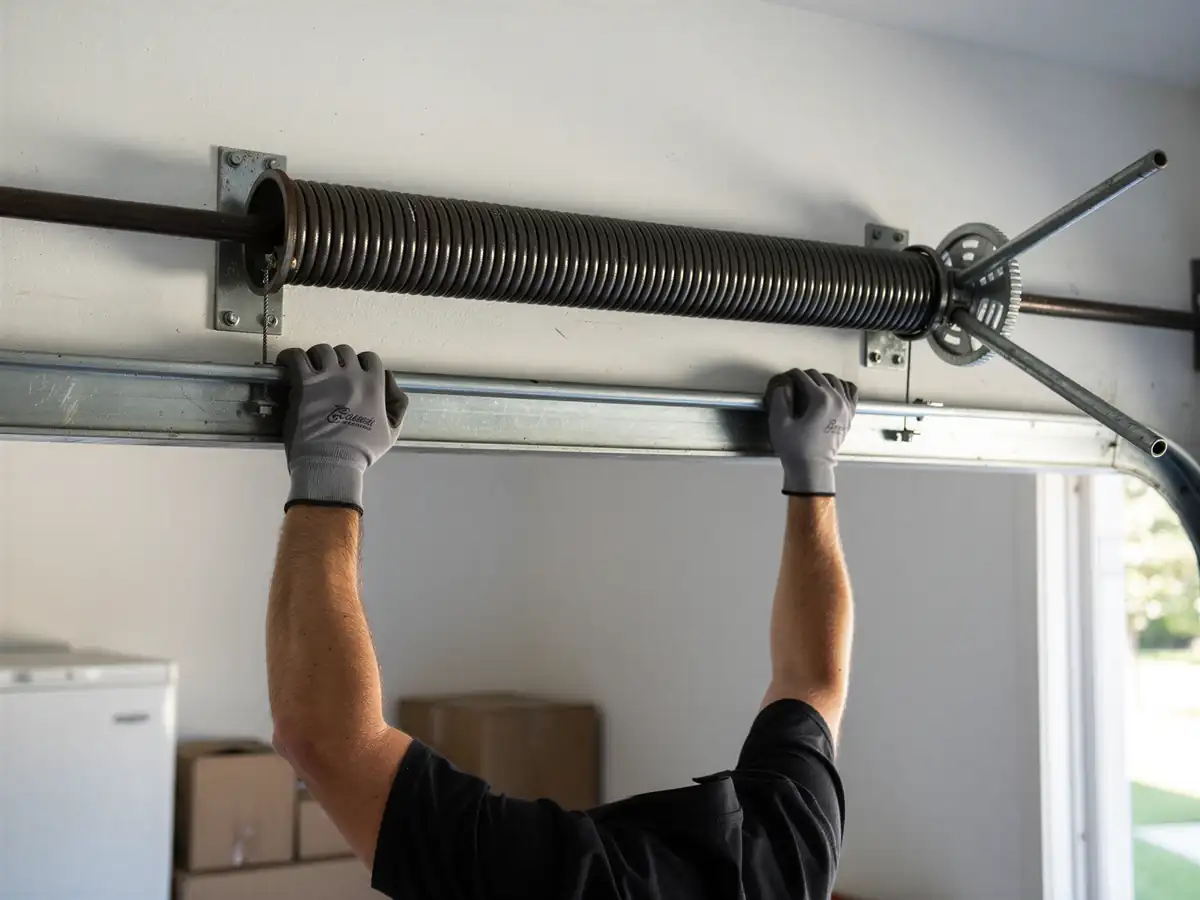
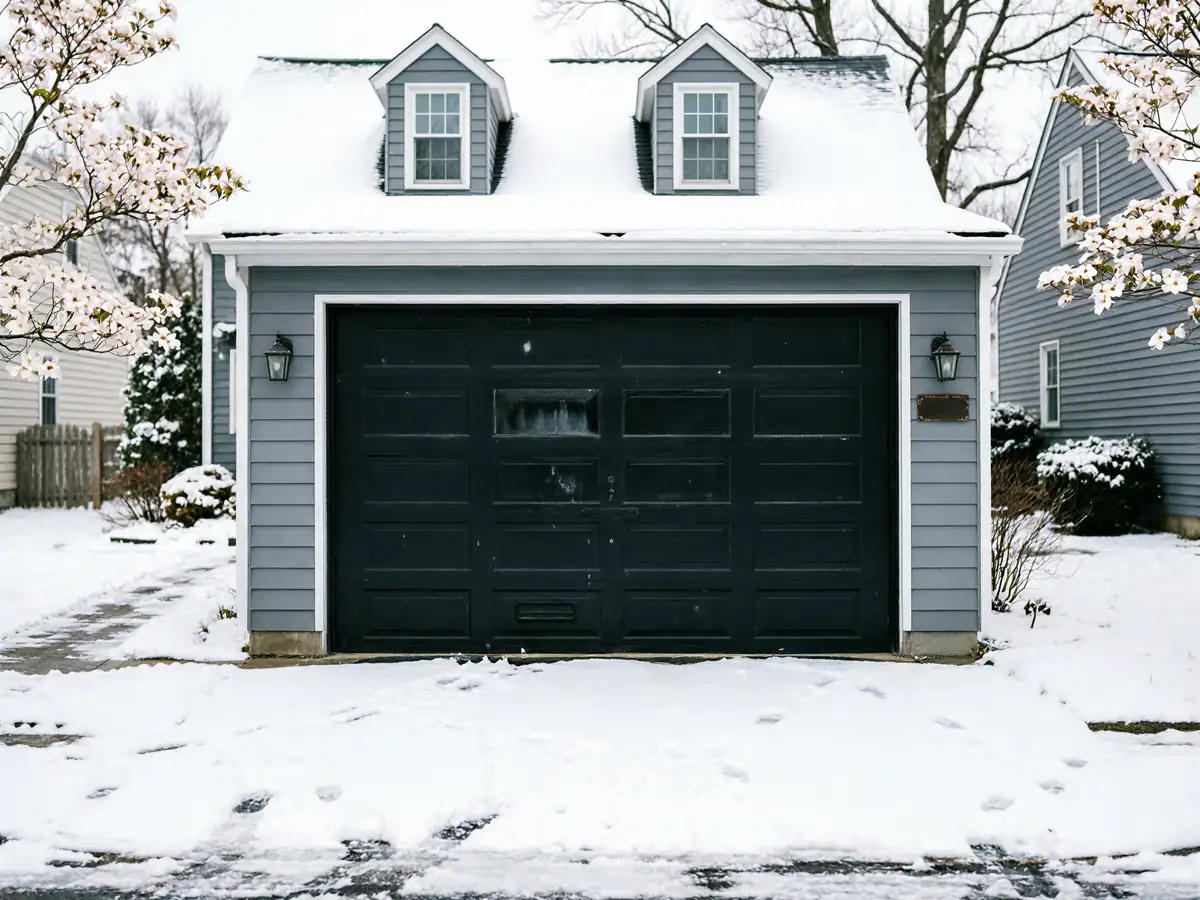
Cold winters add another layer. In an unheated garage, a logic board and a battery backup both slow down in the cold the same way a torsion spring does - the opener hesitates or stutters on start-up, and it gets misread as a dying motor when it's really just the temperature. If your opener only acts up on the coldest mornings and runs fine by afternoon, that's the pattern to describe when you call, because it points at the board and the cold rather than a worn-out motor.
The DIY Question
Some of this you can check before calling anyone
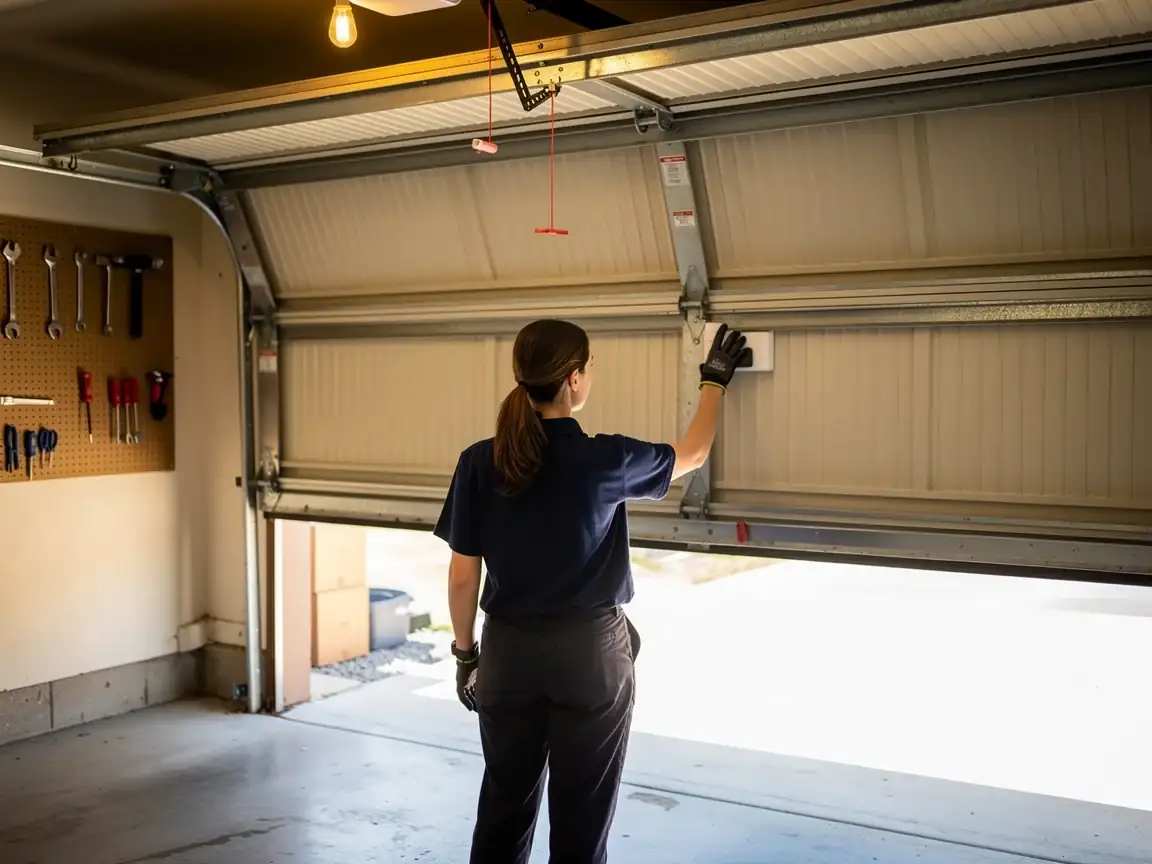
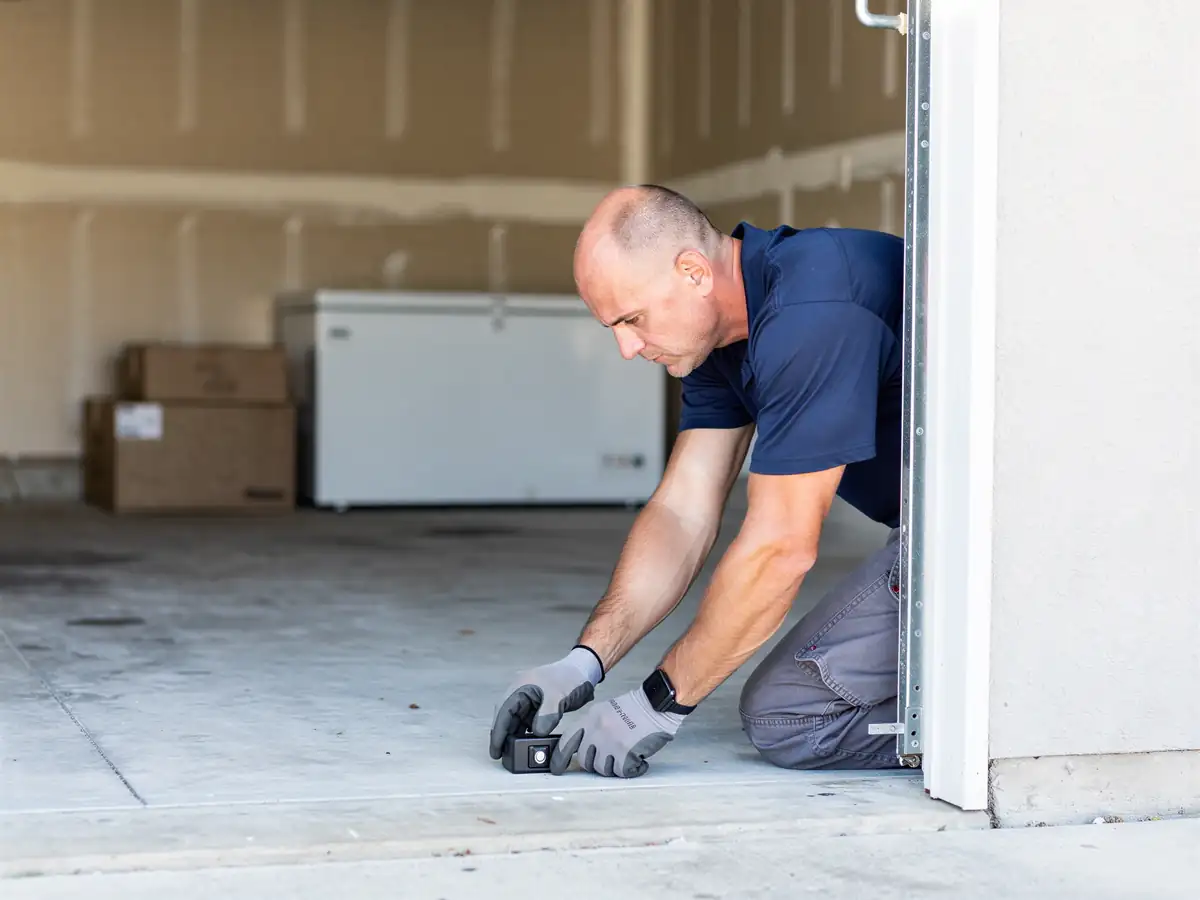
If the door won't close, look at the two photo-eye sensors near the floor on each track - a misaligned or dirty lens is the single most common no-close complaint, and realigning it is a five-minute fix with no tools beyond a soft cloth. If the remote stopped working but the wall button still runs the opener, try reprogramming the remote through the learn button before assuming the board is bad.
What's not a DIY job: opening the opener housing to test a capacitor or swap a circuit board
Those carry stored electrical charge and the wrong part number will fry on first use. Chester's median household income runs well above the wider service area's, and what we see in practice is that higher-income households here are more likely to replace an aging chain-drive opener with a quieter belt-drive unit outright rather than keep patching the original - which is a reasonable call once a unit is pushing thirty years old.