Getting It Booked In
Chester sits about 11 miles out from our Londonderry shop
And that distance is the one honest limitation worth naming up front: we don't keep a branch or a depot in town, so a Chester call means a truck making that drive, not a crew already a block away. We don't quote a same-day window here because we're not going to promise a number we can't hold to from 11 miles out - call and we'll tell you where you land in the day's route.
- 11 miles
What we can be specific about is the door itself
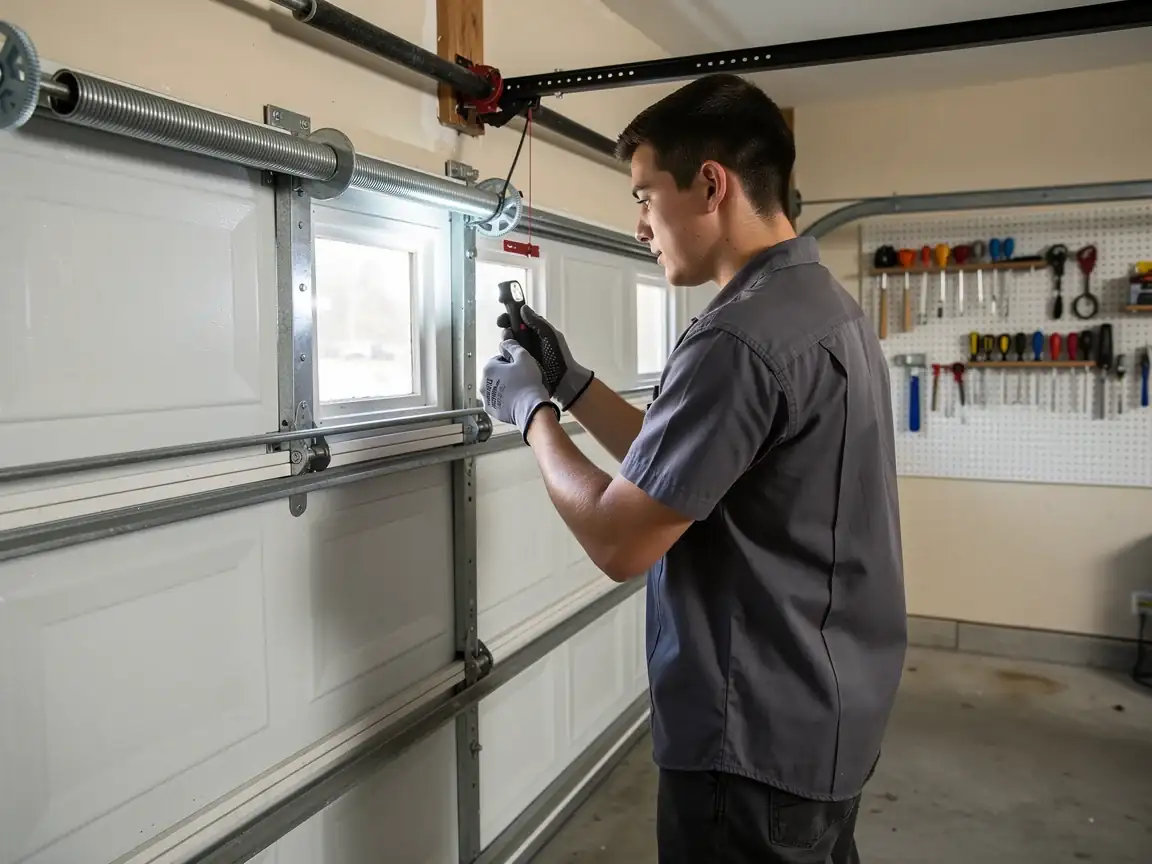
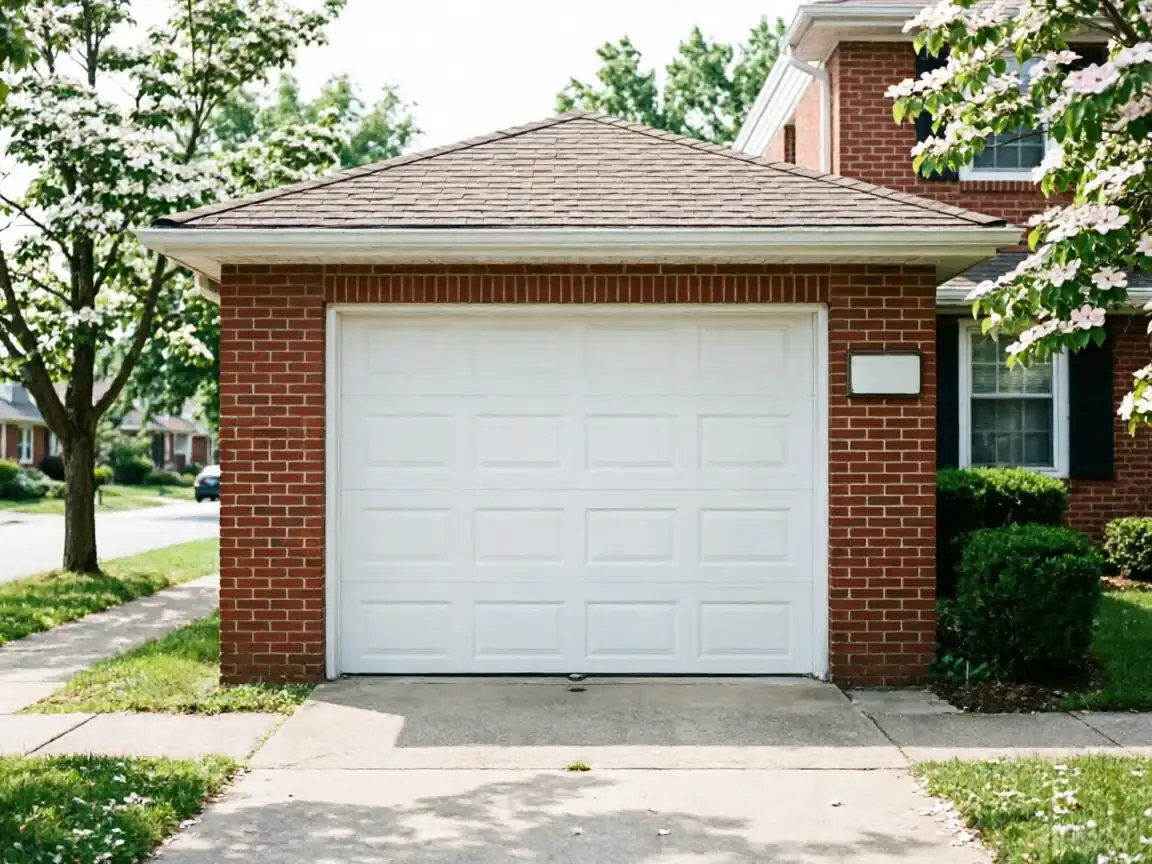
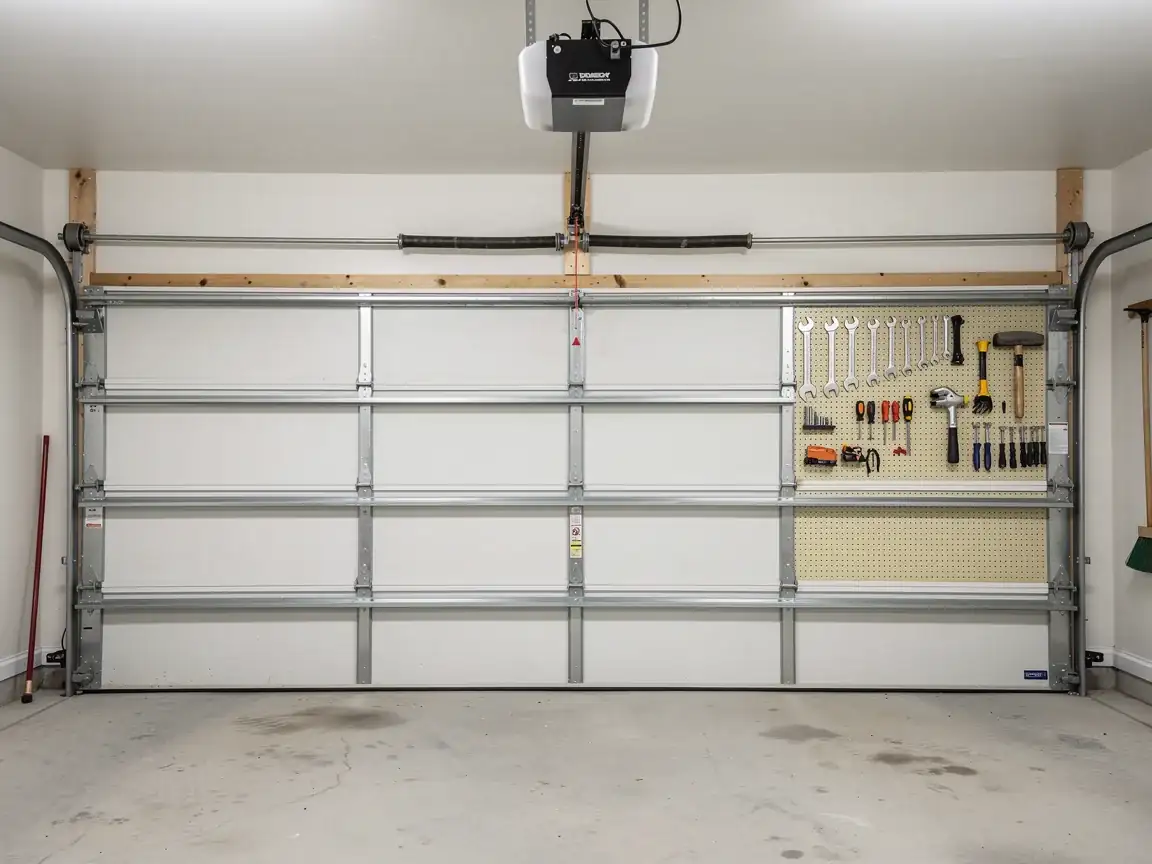
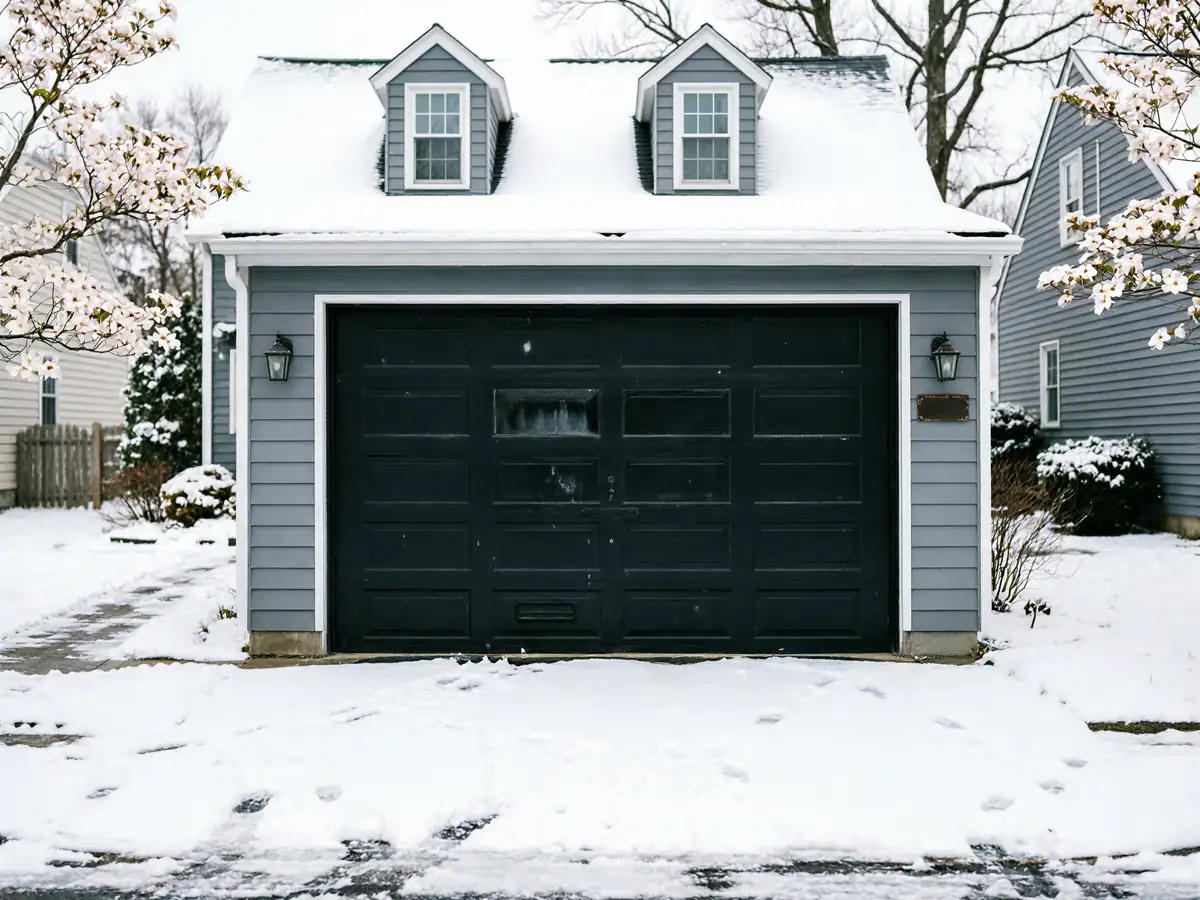
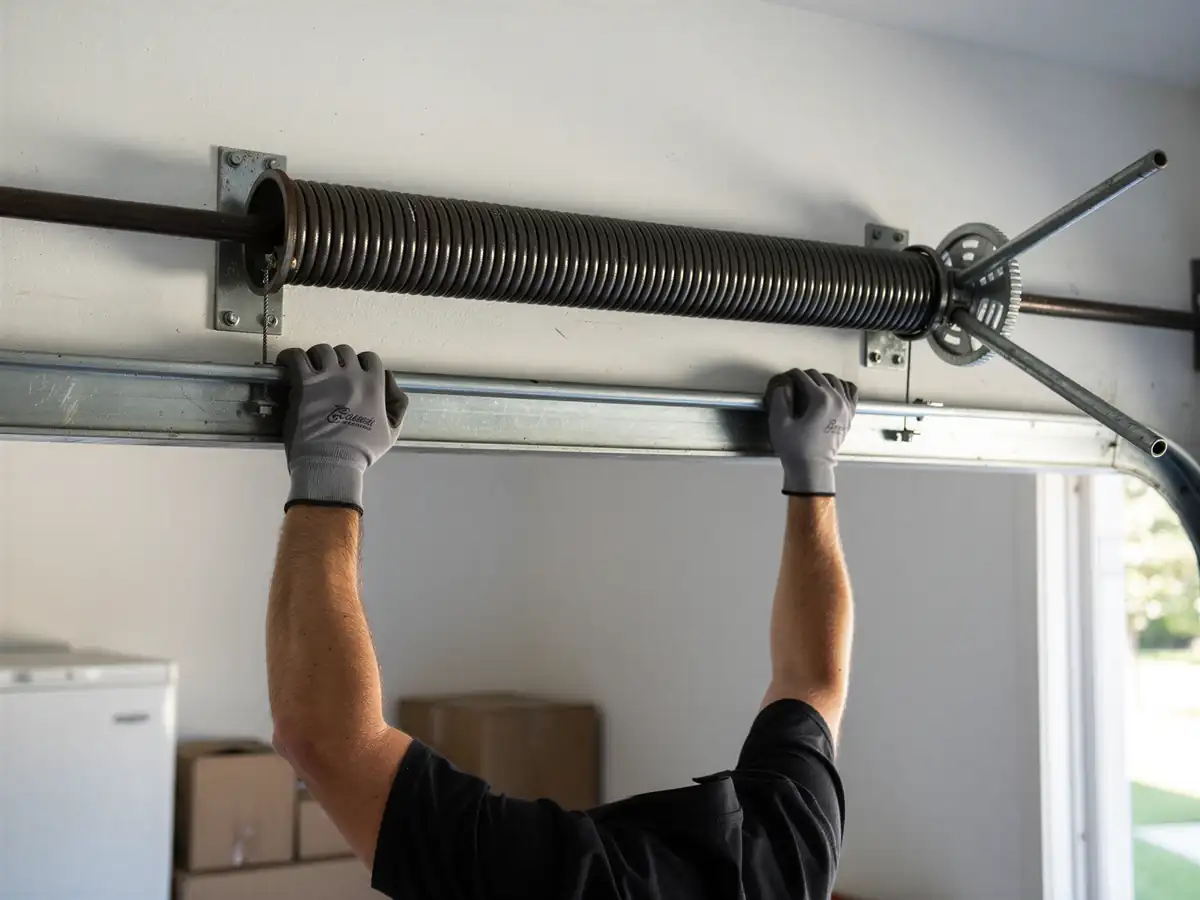
With about 1,827 households in Chester and a median build year of 1993, you're mostly looking at double-car garages built with torsion spring systems from the start, not the older extension-spring setups that show up on pre-1980 housing elsewhere in the area. That matters for parts - torsion hardware from the early-to-mid 90s is a known quantity, and we're not guessing at what's behind your panel before we arrive.
- 1,827 households
Time on the Job
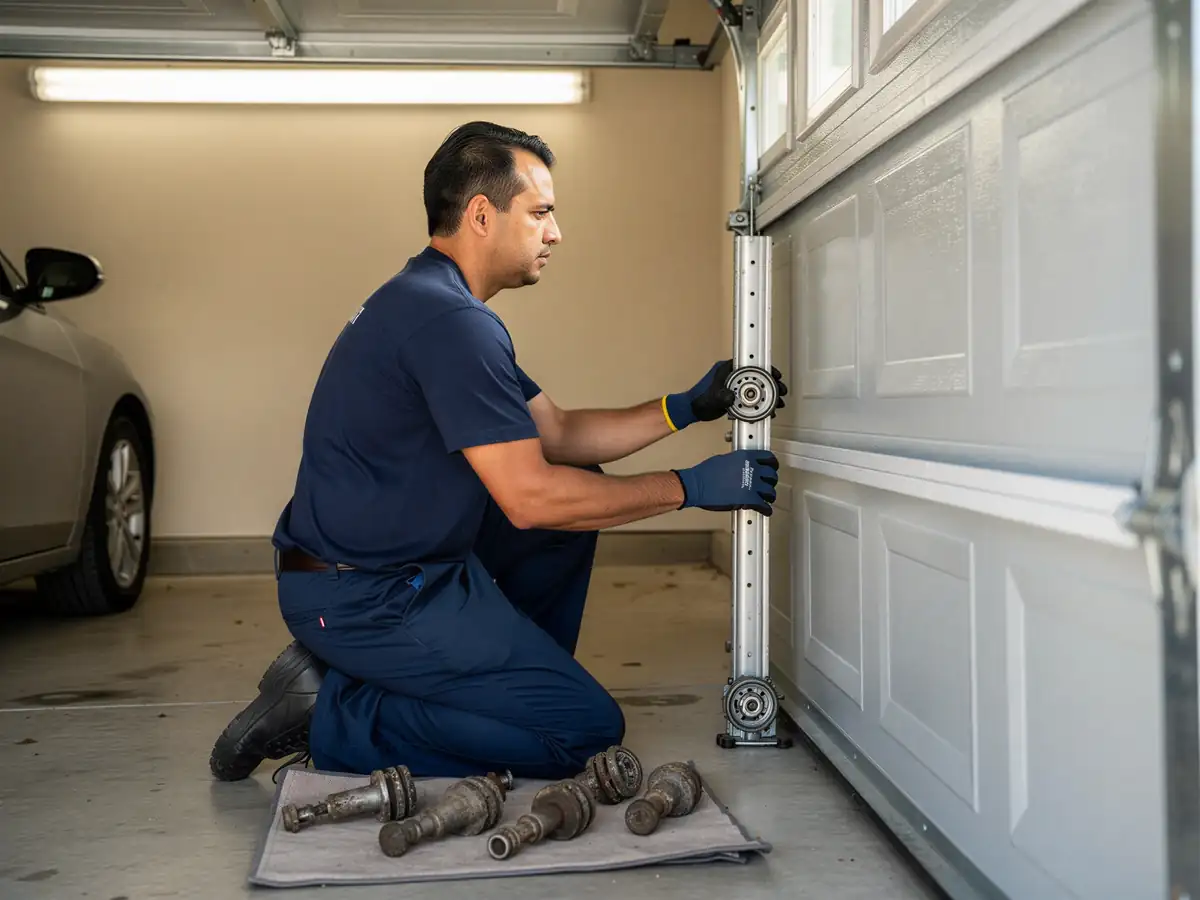
A straightforward torsion spring swap on a door from Chester's era - factory bracket spacing, standard torsion tube, no retrofit hardware bolted on by a previous owner - runs faster than a job on an older door where the drum or the end bearing plate has been swapped out over the decades. Chester's stock being newer works in your favor here: fewer surprises once the door's open.
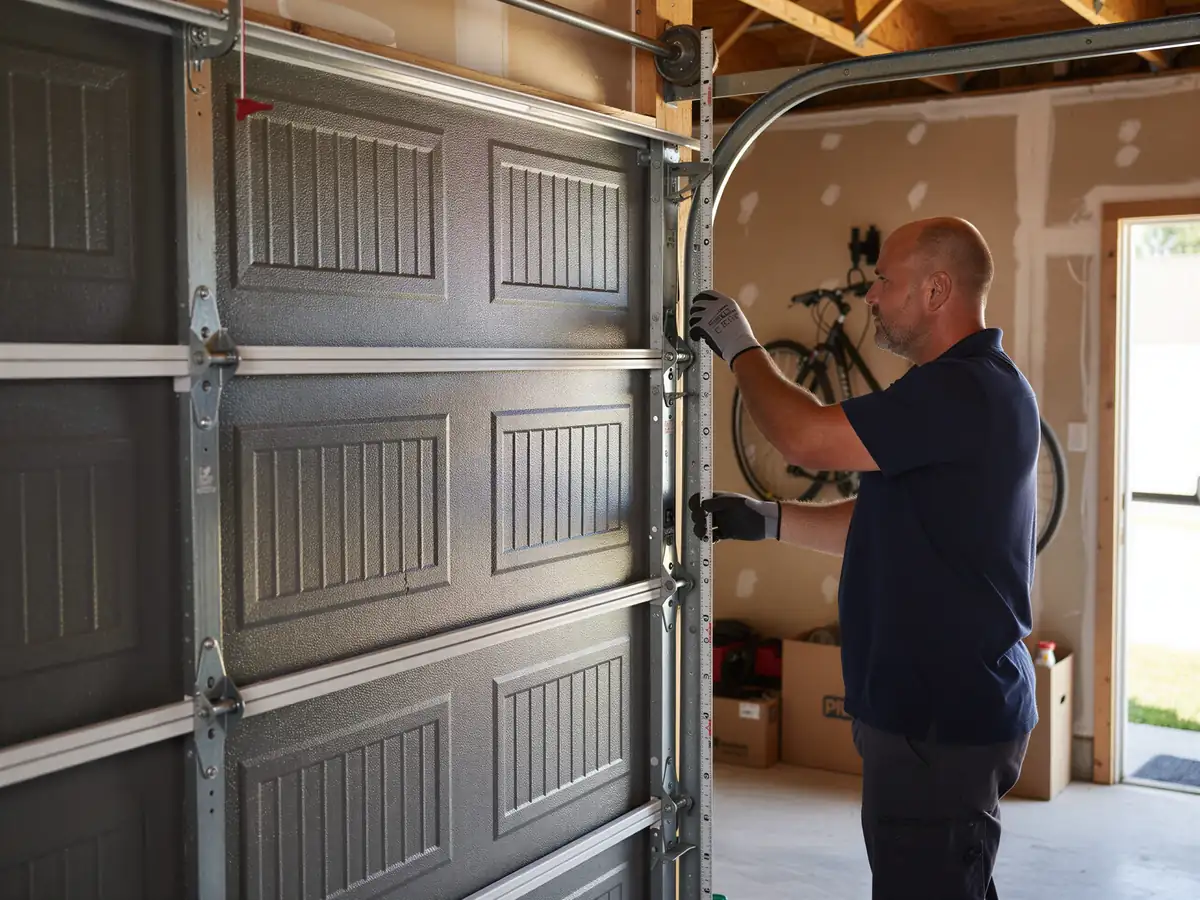
What slows a job down isn't the spring itself, it's finding out the cable drums or the center bearing have worn past matching tolerance, which happens more on houses with original 1990s springs that have simply run their lifespan. A torsion spring under daily cycling in a cold-climate county like this one doesn't last forever regardless of build quality - it's a wear part. We won't know exact time on site until we've got the door up and the spring off the shaft, but a single spring replacement on a standard double door is a same-visit job, not a multi-day one.
The Symptom
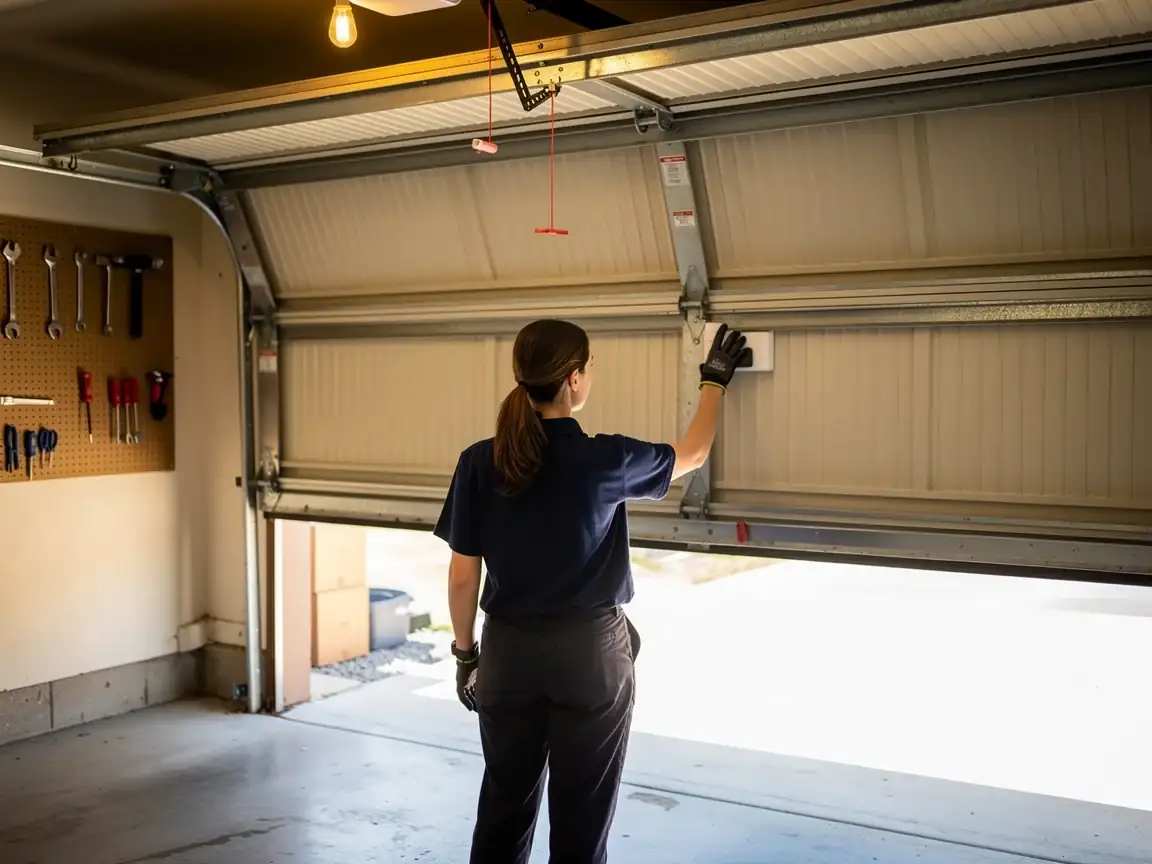
The giveaway on a Chester garage is almost always the same: the door won't lift, or it lifts a few inches and the opener strains and reverses. If you pull the release cord and try to lift the door by hand and it feels like dead weight rather than a door that wants to float up, that's a broken torsion spring, full stop - not an opener problem, not a sensor problem.
Because this area's housing mostly dates to the 1990s rather than the 1960s-80s mix found elsewhere in the service area, you're less likely to be dealing with the brittle, decades-old extension springs with exposed coils that show rust and fatigue cracking before they snap. A 90s-era torsion spring usually just lets go without much warning - one loud bang, often first thing on a cold morning when the steel is stiffest. Severe winter cold adds cycle stress to torsion springs regardless of age, so a spring that's already near the end of its coil life is more likely to fail on the coldest stretch of the season than in July.
The DIY Question
Don't do this one yourself
A torsion spring is wound under enough tension to break a bone or worse if the winding bars slip, and that's true whether the door went up in 1962 or 1993. We're not going to walk you through winding a replacement over the phone, and we'd tell you the same thing if you called from anywhere else in the service area.
What you can safely check yourself before calling
Whether it's one spring or two (most double doors built in this era run two torsion springs on a shared shaft, so if one let go, the other is usually not far behind on hours), and whether the cables are still seated on the drums or have jumped the track. That tells us what to load on the truck before we make the 11-mile drive, which saves you a second visit.