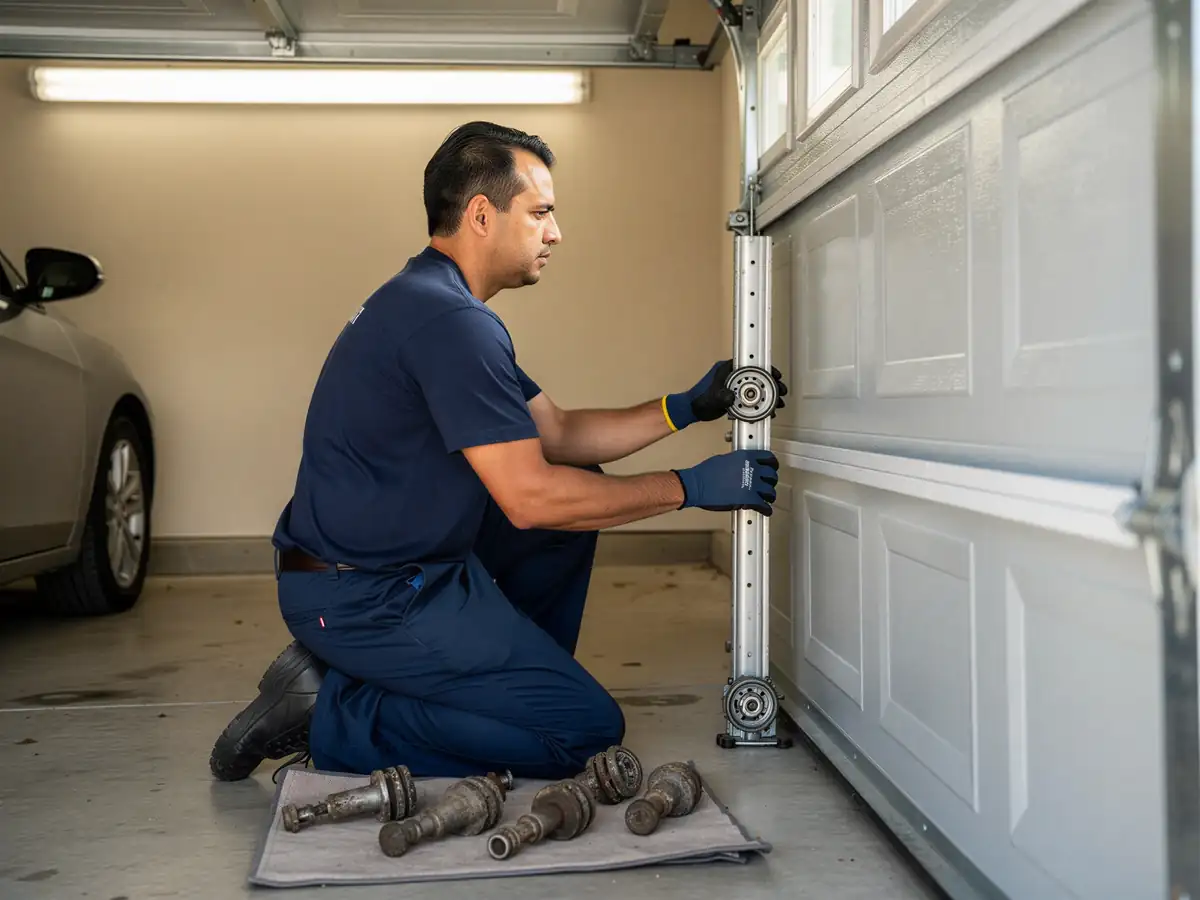
Panel Replacement for Chester's 1990s Garage Doors
Chester homes mostly date to the early-to-mid 1990s, which means specific steel sectional panel sizes and insulation types. We drive out from Londonderry to match or replace them.
Chester isn't a town where we've got a truck parked around the corner. We run out of Londonderry, about 11 miles west, and a panel job here usually gets scheduled in the same stretch of road trips that cover Litchfield and Hudson. With roughly 1,827 households spread across the town, a dented or cracked panel call out here is an occasional job, not something we're doing on every block every week. That's fine - it just means we plan the trip, bring the right panel stock based on what we expect to find, and don't waste your afternoon guessing. When you call, the more you can tell us about the door - brand, approximate age, whether it's insulated steel or something else - the better we load the truck before we ever turn onto your road. We don't keep a local lot of spare panels sitting idle in Chester, so getting the make and size right on the first call saves a second trip. If you're not sure what you've got, a photo of the full door and a close-up of the damage does the job.
Time on the Job
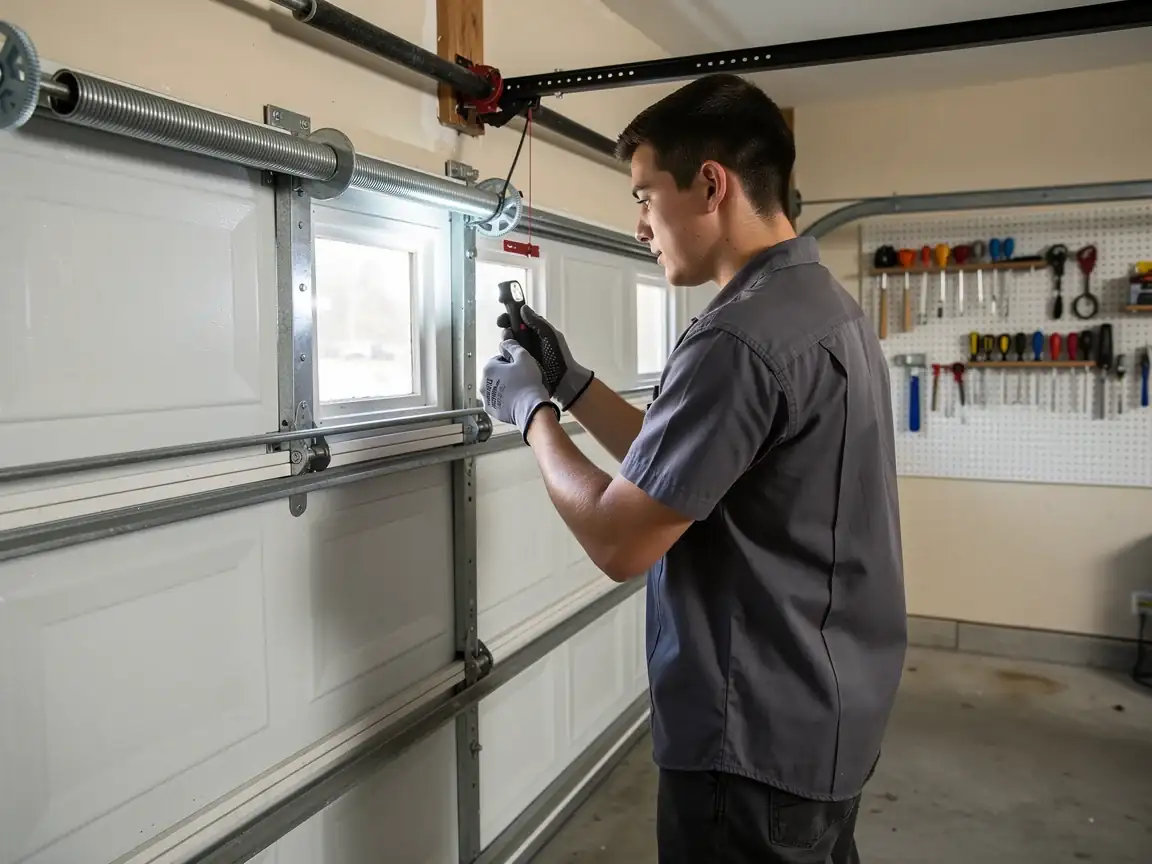
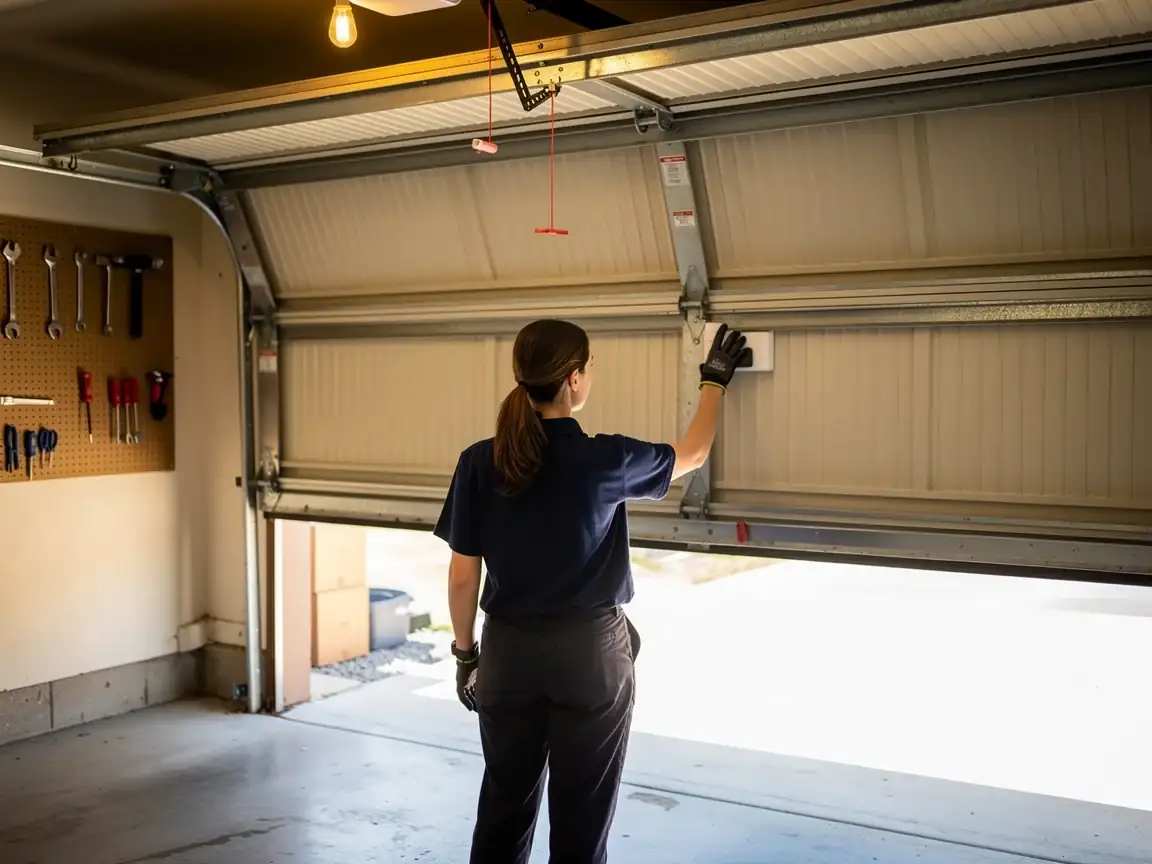
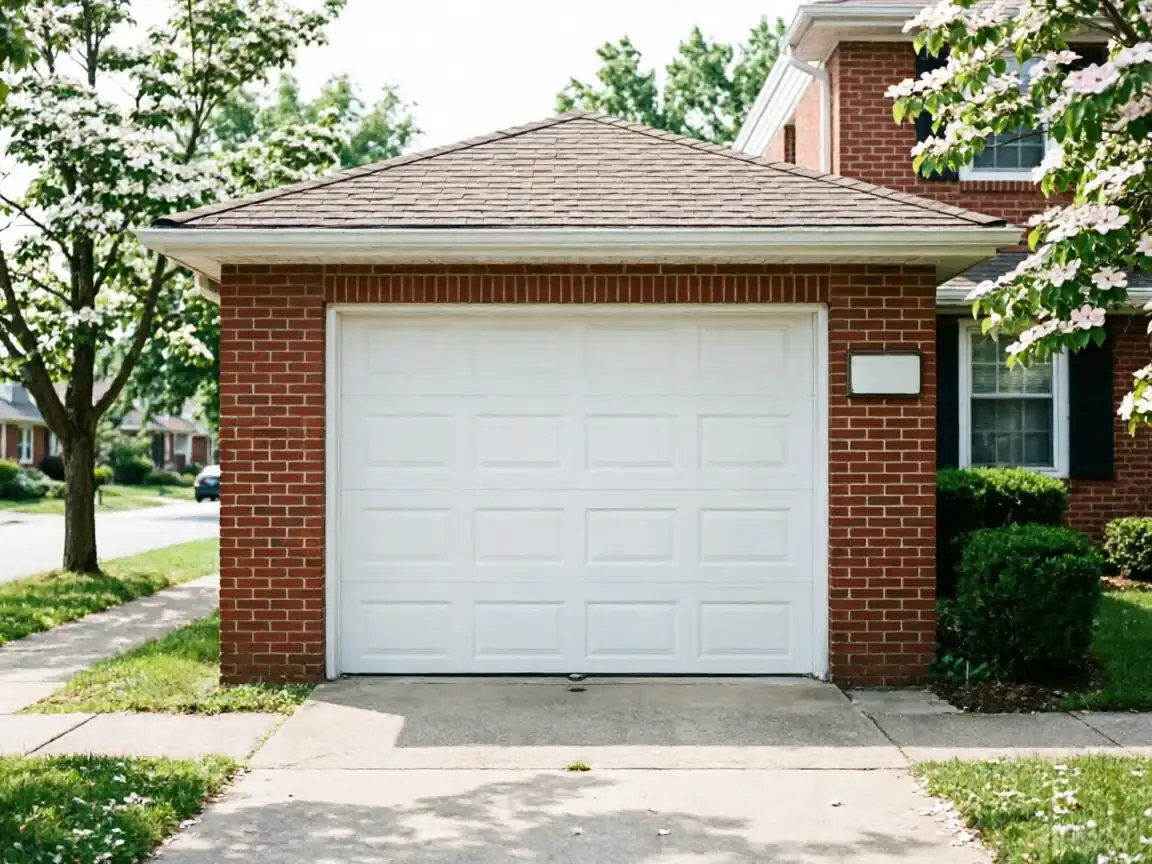
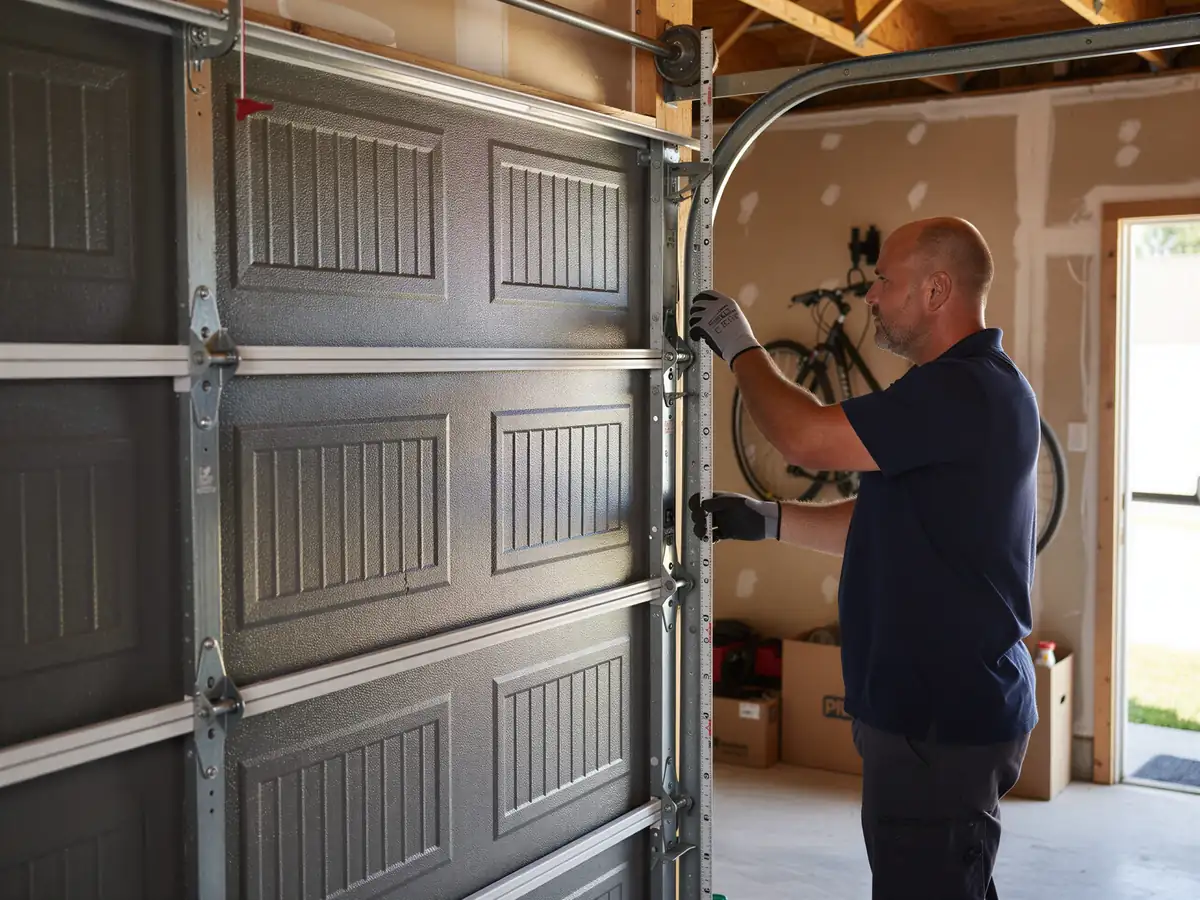
A single-panel swap on a sectional steel door, once we've got the right panel on the truck, is usually a same-visit job - unbolt the hinges, slide the damaged section out, slide the new one in, re-hang and balance the door. Chester's housing stock runs newer than a lot of the territory we cover, with a median build year around 1993 versus the broader service area's 1982. That matters here because it usually means factory steel sectional doors rather than the older wood or single-piece styles you'd find on an older street. Steel sectional panels are more standardized, so matching width and R-value is usually straightforward. What slows a job down is color and texture matching on an older run of panels - if the door's original line has been discontinued, we may be replacing more than one section to keep the face consistent, and that adds time and material. We'll tell you up front if that's the situation rather than let you find out when the new panel doesn't quite match.
The Symptom
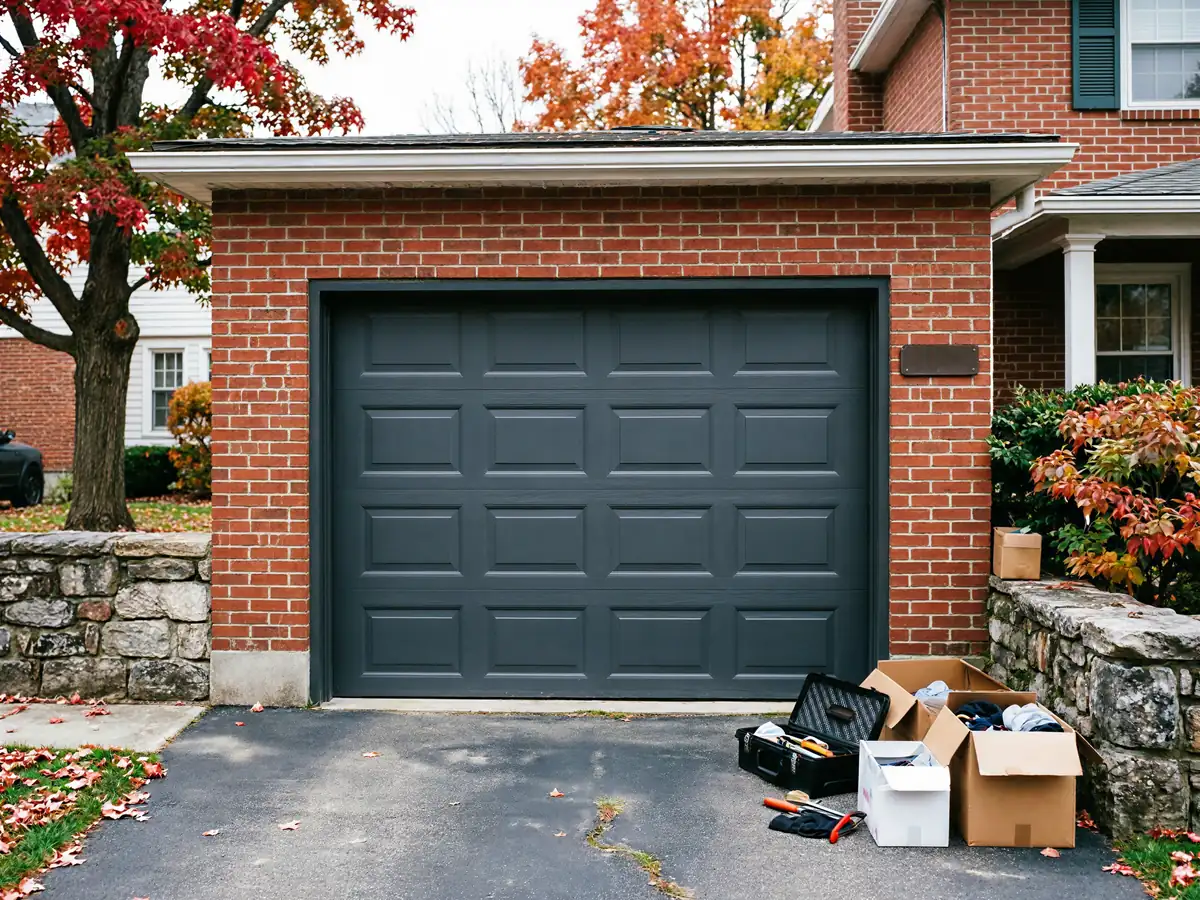
The damage we see most on doors from Chester's era - early-to-mid 1990s steel sectional - tends to be dents from a car bumper or a thrown object, and seam cracking where the cold gets into a thin steel panel over a winter or two. The region sits in a cold, severe climate band, and steel contracts and expands with the swings; a panel that's already got a dent or a stress point is more likely to split at the seam than one in better shape. We also see rust starting at the bottom panel edge, which is usually a drainage or grading issue more than a door defect. Chester's median household income runs higher than the area average - $138,606 against $125,774 - and it shows up in the number of insulated, higher-grade panel doors we're asked to match carefully rather than just patch. If a single panel is cracked but the rest of the door is sound, replacement of that section is almost always the right move over a full door swap.
The DIY Question
Swapping a single garage door panel looks simple from a video, and on some doors it mostly is - a handful of bolts and the right replacement part. Where it goes wrong is sourcing: a lot of panel styles from the early-to-mid 1990s, the era most Chester garage doors come from, are no longer made in the exact color or ribbing pattern. Order the wrong panel and you've got a door with one section that doesn't match, or worse, one that doesn't hang flush and throws off the opener's travel limits. We'll be honest that panel matching on an older run can take longer to source than the repair itself takes to install, and sometimes the better call is replacing two adjacent panels instead of one so the mismatch isn't as obvious. If you're comfortable with hand tools and the panel is a common stock size, it's a reasonable weekend project. If the door's track is bent or the opener's been fighting the imbalance for a while, that's past a panel swap and into a different conversation. See our general repair page for that side of things.
How it works
From “it’s stuck” to “it’s fixed”
1
Tell us what’s wrong
Describe the symptom - won’t open, loud bang, opener runs but the door won’t move.
2
On-site diagnosis
A technician tests the door under power and by hand and finds what actually failed.
3
Clear, up-front plan
You get the fix that’s needed and what drives the cost - before any work starts.
4
Repaired & tested
The repair is done, the door is set true and tested, and the work area left clean.
Next step
Not sure which repair your door needs in Londonderry, NH? Describe what it’s doing - every job starts with a diagnosis.
Do you keep garage door panels in stock for Chester homes specifically?
No - we don't run a branch or stock depot in Chester. We drive out from Londonderry, about 11 miles away, and bring panel stock based on what you tell us about the door before the visit. Knowing the brand, age, and approximate size ahead of time means we're more likely to have the right part on the truck the first trip out.
Why does my garage door panel from the early 1990s look hard to match?
Most Chester homes were built around 1993, and the steel sectional doors from that era often used panel styles and finishes that manufacturers have since discontinued. If your exact panel run isn't made anymore, we may need to replace an adjacent section too, so the color and ribbing line up across the face of the door.
Is it cheaper to replace one panel or the whole door?
If the rest of the door is sound and you can get a matching or near-matching panel, replacing just the damaged section is almost always less than a full door. It only tips toward a full replacement if the track is bent, the opener is struggling, or matching panels aren't available at all.
Ready to get your garage door sorted?
Tell us what it’s doing and where you are in Londonderry - we’ll take it from there.