What the Fix Involves
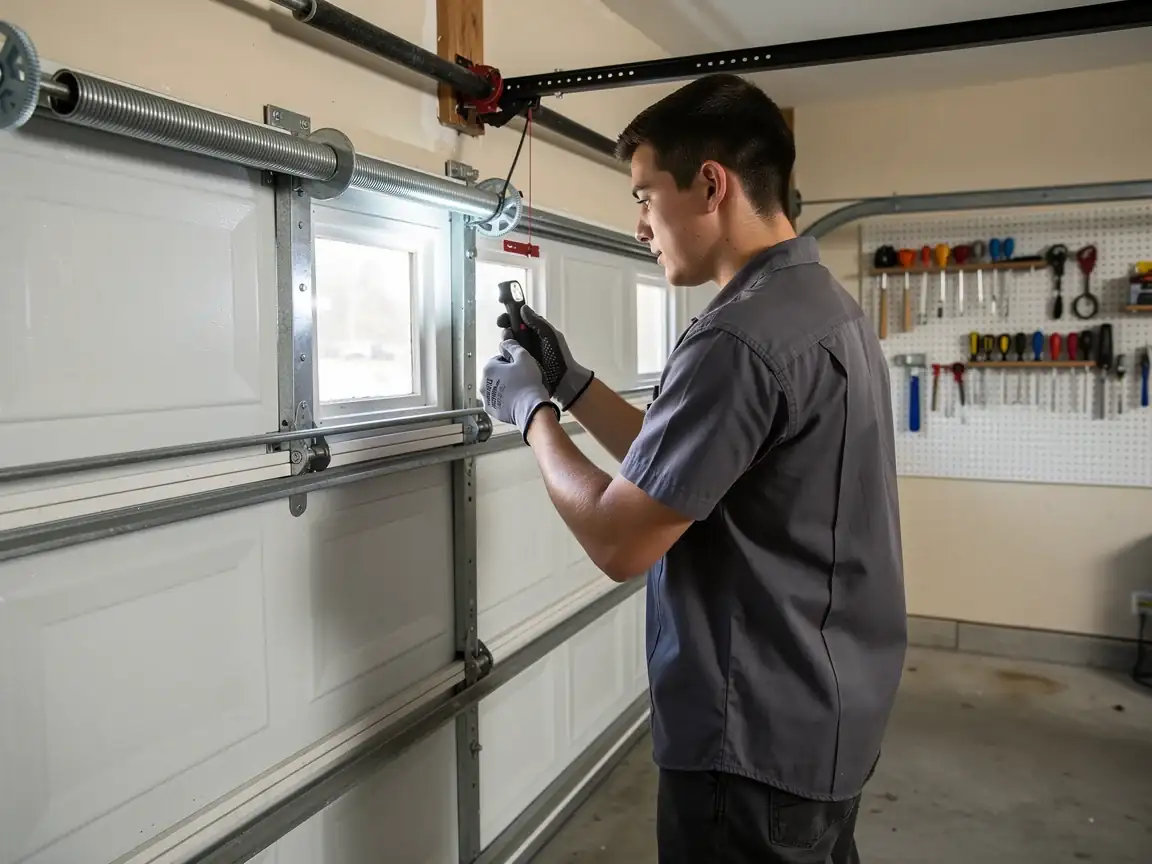
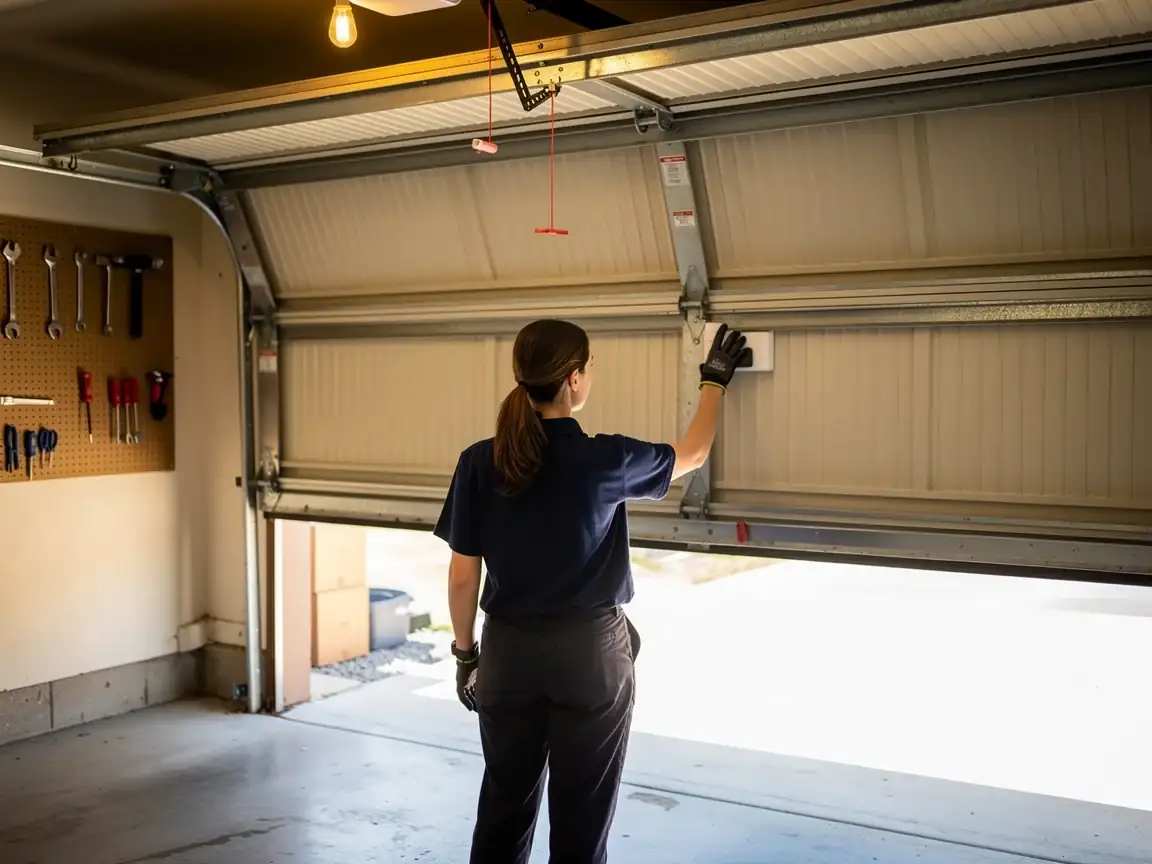
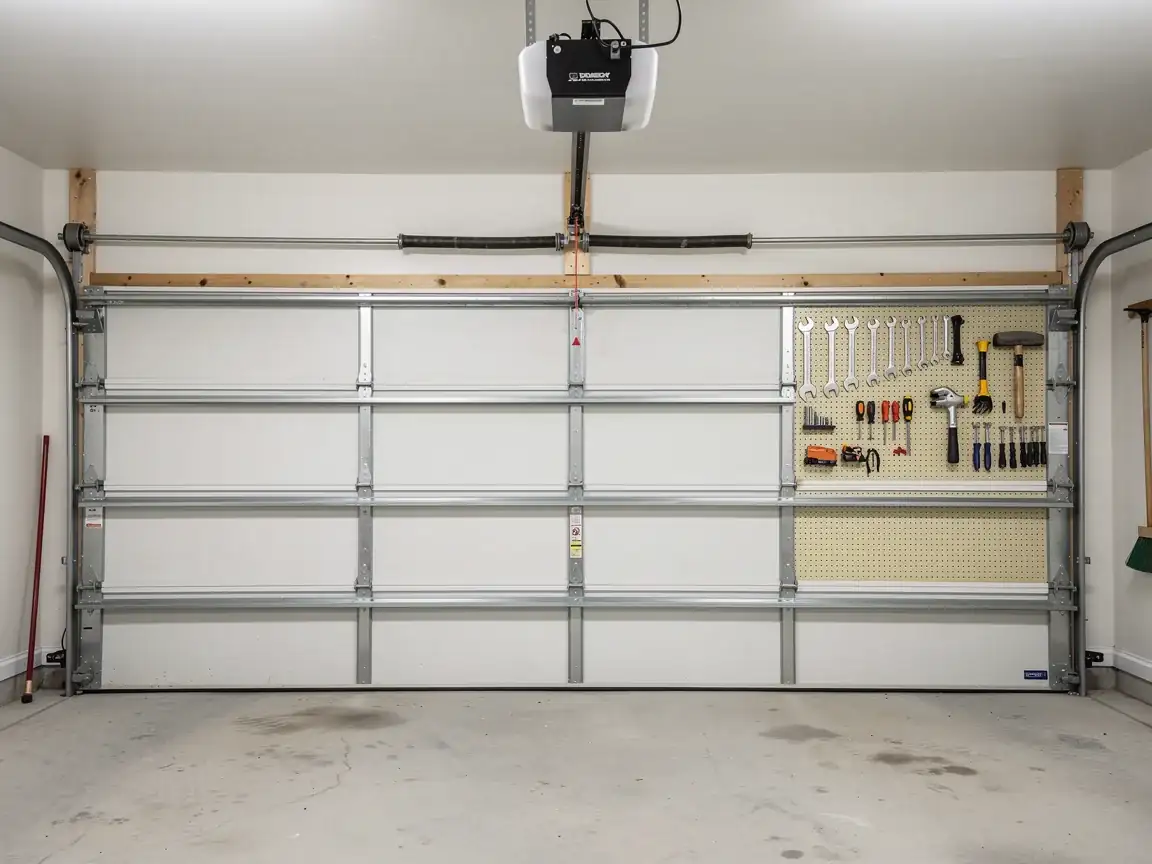
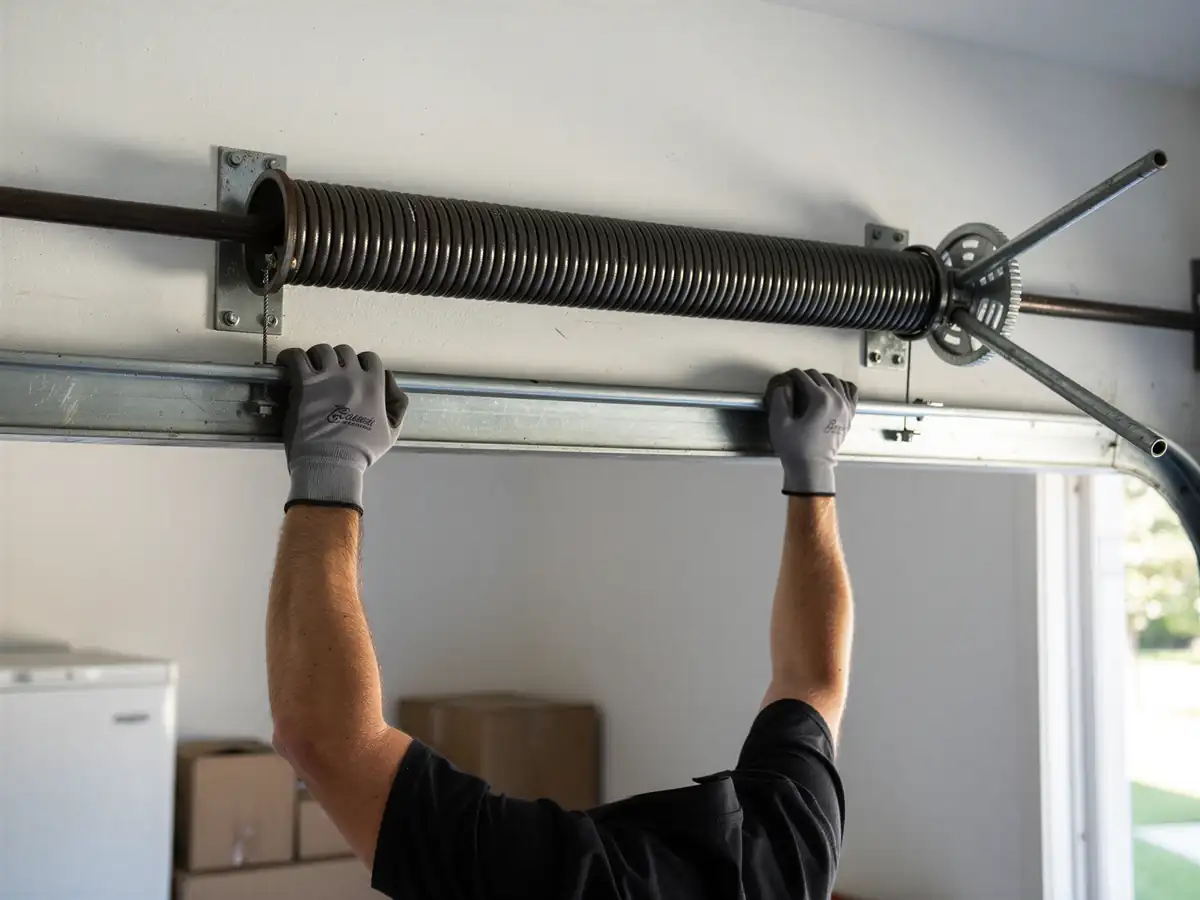
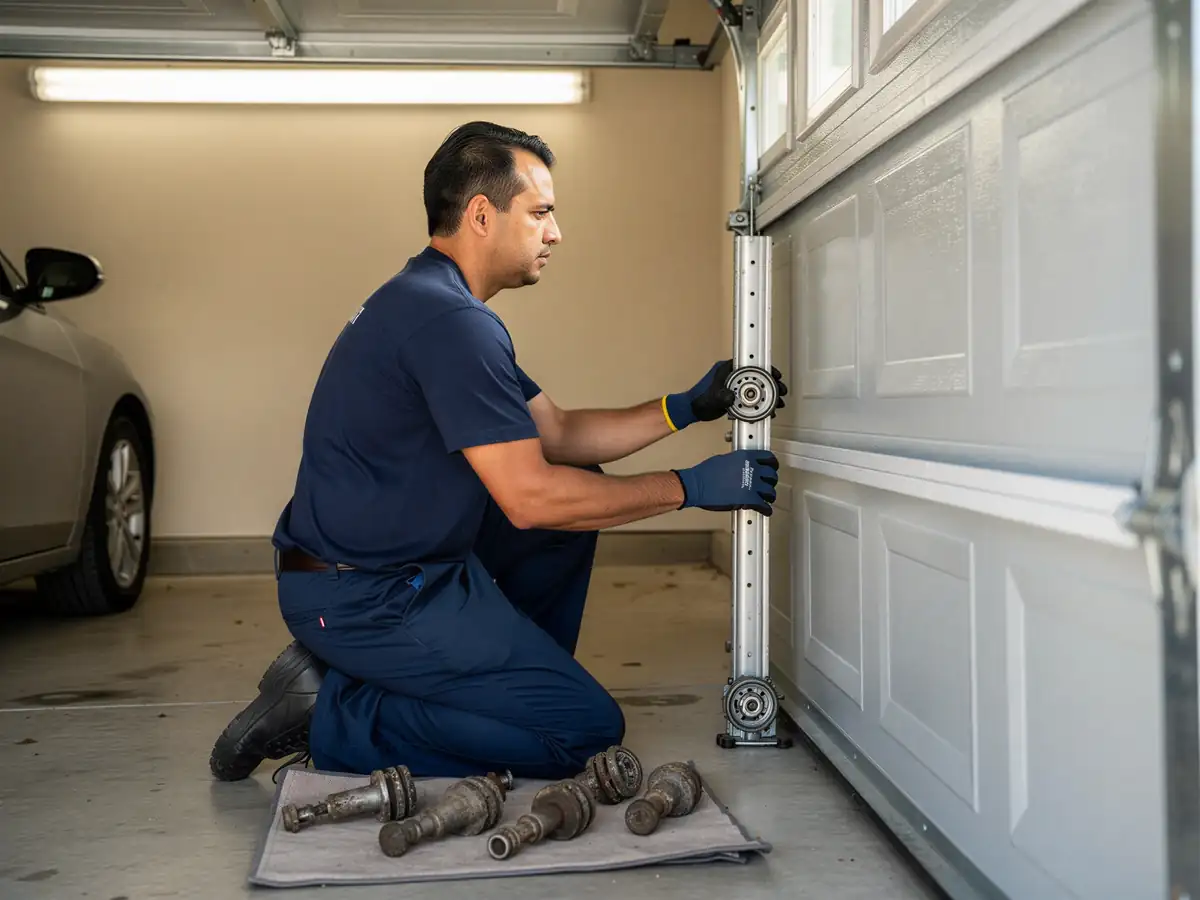
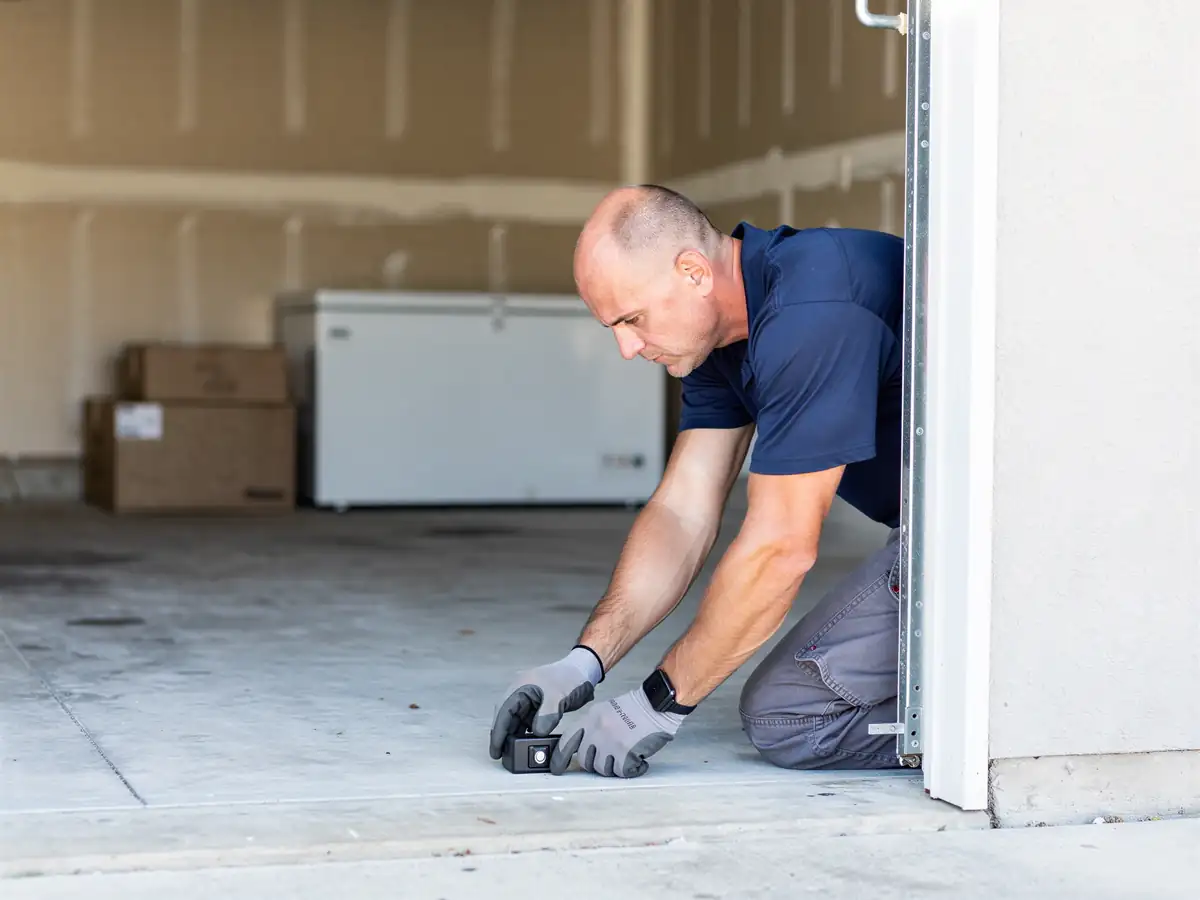
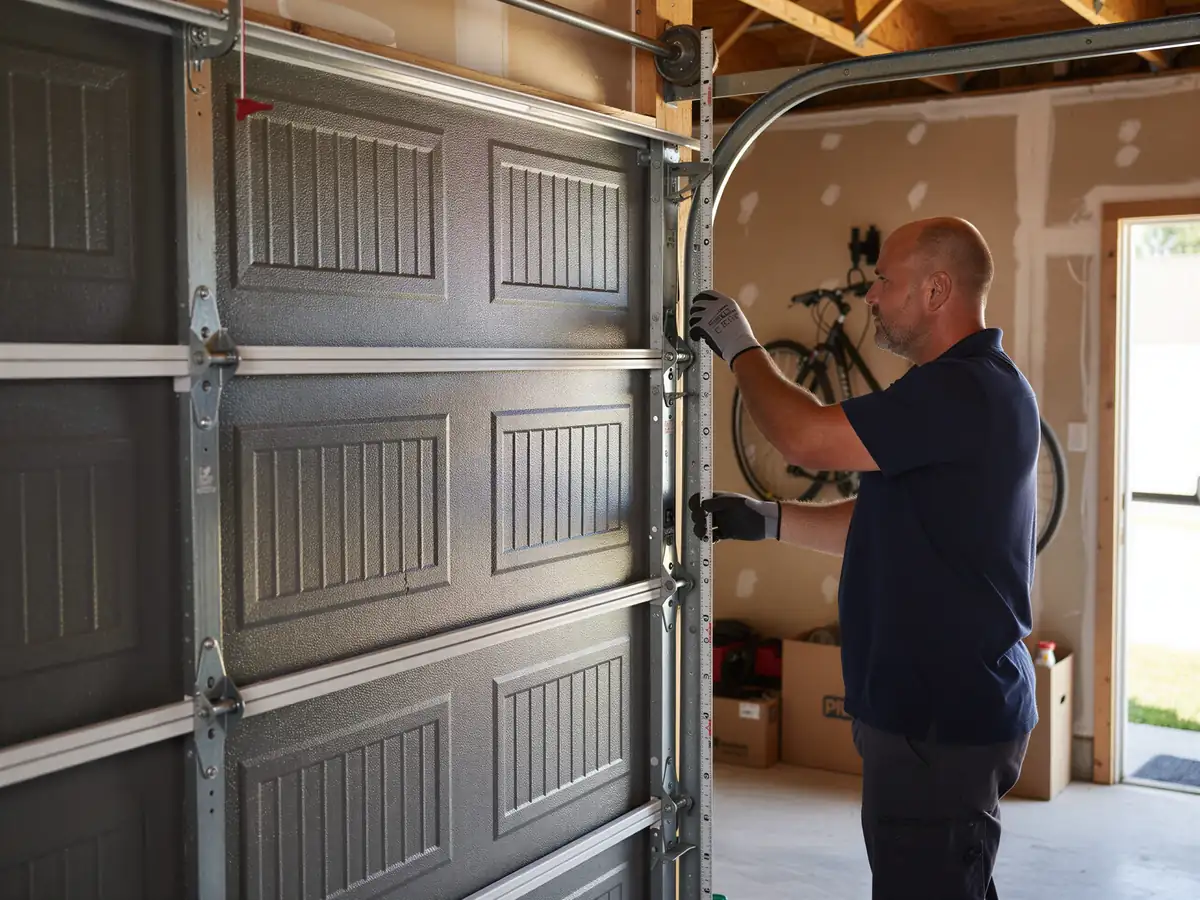
With a median build year of 1979, a lot of Hollis garages are 45 years old, and that means the bracket hardware - the end bearing plates, the center bearing, the track brackets bolted into the framing - is very often still the original factory steel, even on houses where the spring itself has been swapped once or twice already. Springs wear out on a cycle count, not a calendar, so they get replaced. Brackets don't fail the same way, so nobody touches them until something else forces the issue. When we're in a Hollis garage, the fix usually isn't just the broken part - it's checking whether the hardware it's bolted to has 45 years of rust and metal fatigue behind it too. Replacing a spring on brackets that are themselves compromised is a callback waiting to happen. That's the honest version of why a repair here sometimes runs longer than the same job on a newer build.
The Symptom
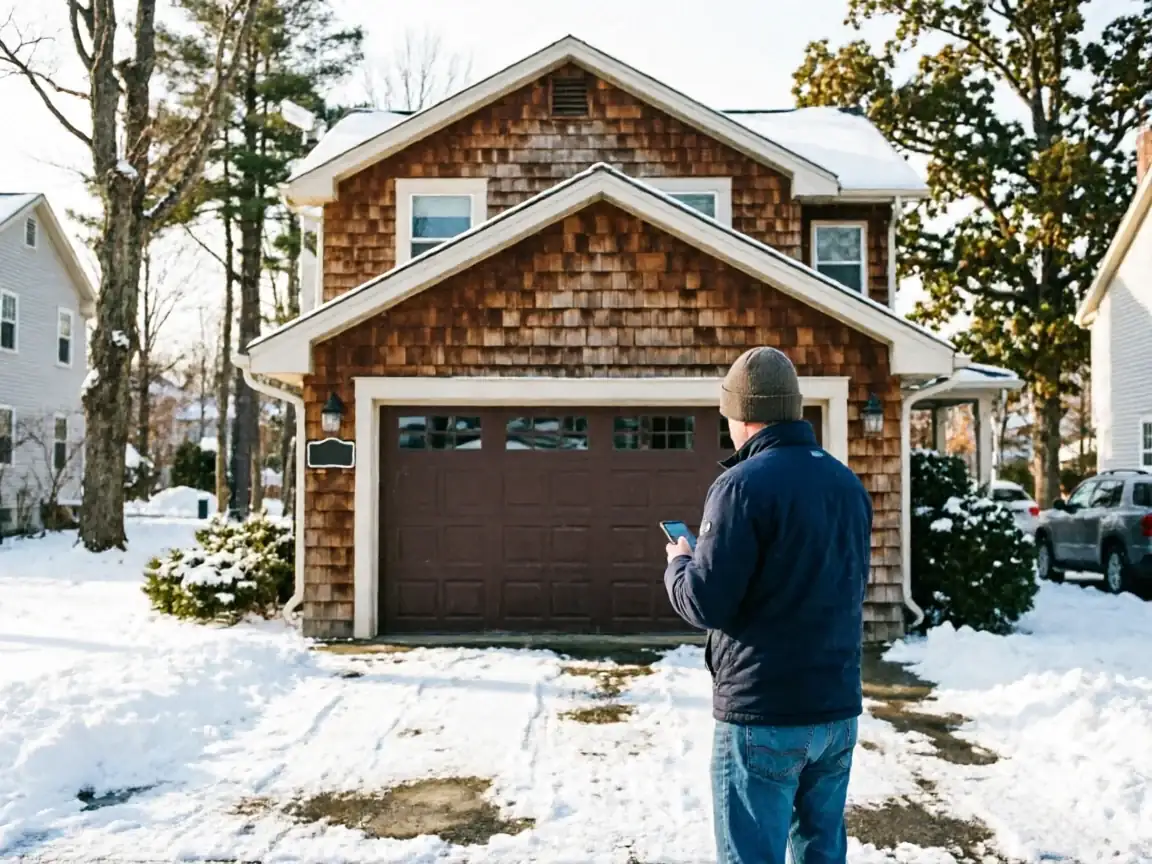
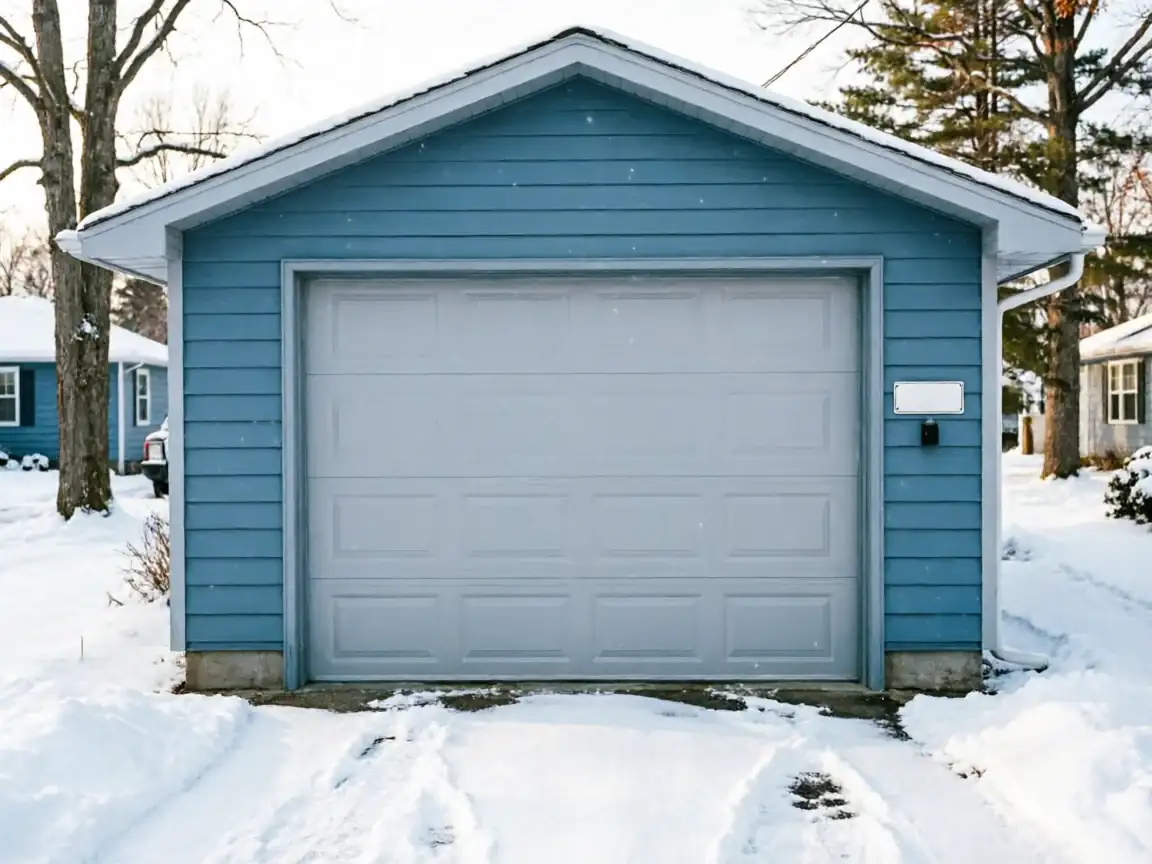
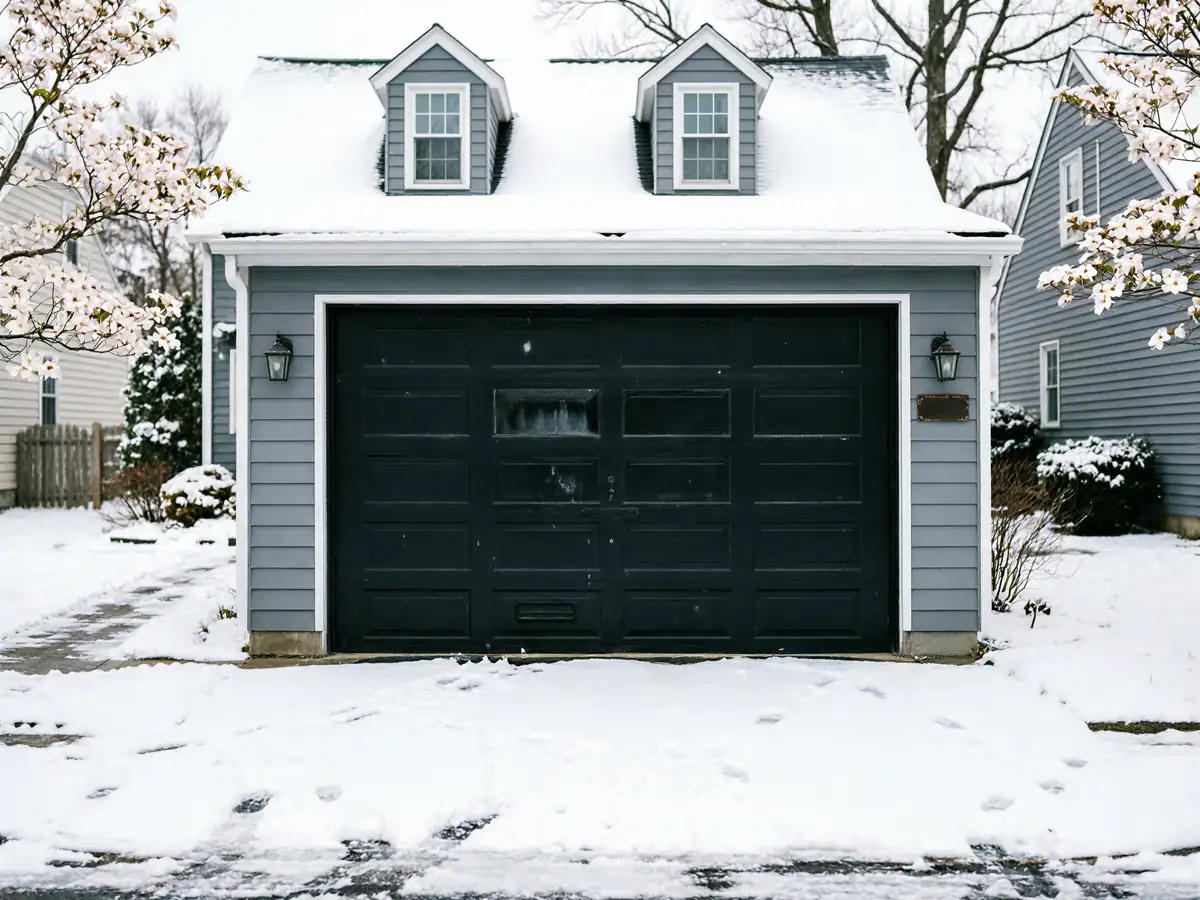
New Hampshire's winters put real stress on garage door hardware - the cold band here is classified as severe, and metal contracts, lubricant stiffens, and torsion springs lose a measurable amount of lift force as temperatures drop. On a 45-year-old spring and bracket setup like what's common in Hollis, that's often the tipping point: a door that's been limping along all fall suddenly won't lift, or lifts crooked, the first hard cold snap of the year. If your door is noticeably harder to open on a cold morning than it was in August, that's not your imagination - it's the combination of age and temperature doing exactly what it does to original-era hardware. A door that groans, hesitates, or drops unevenly on one side in winter is telling you the spring tension has already drifted.