What It Costs
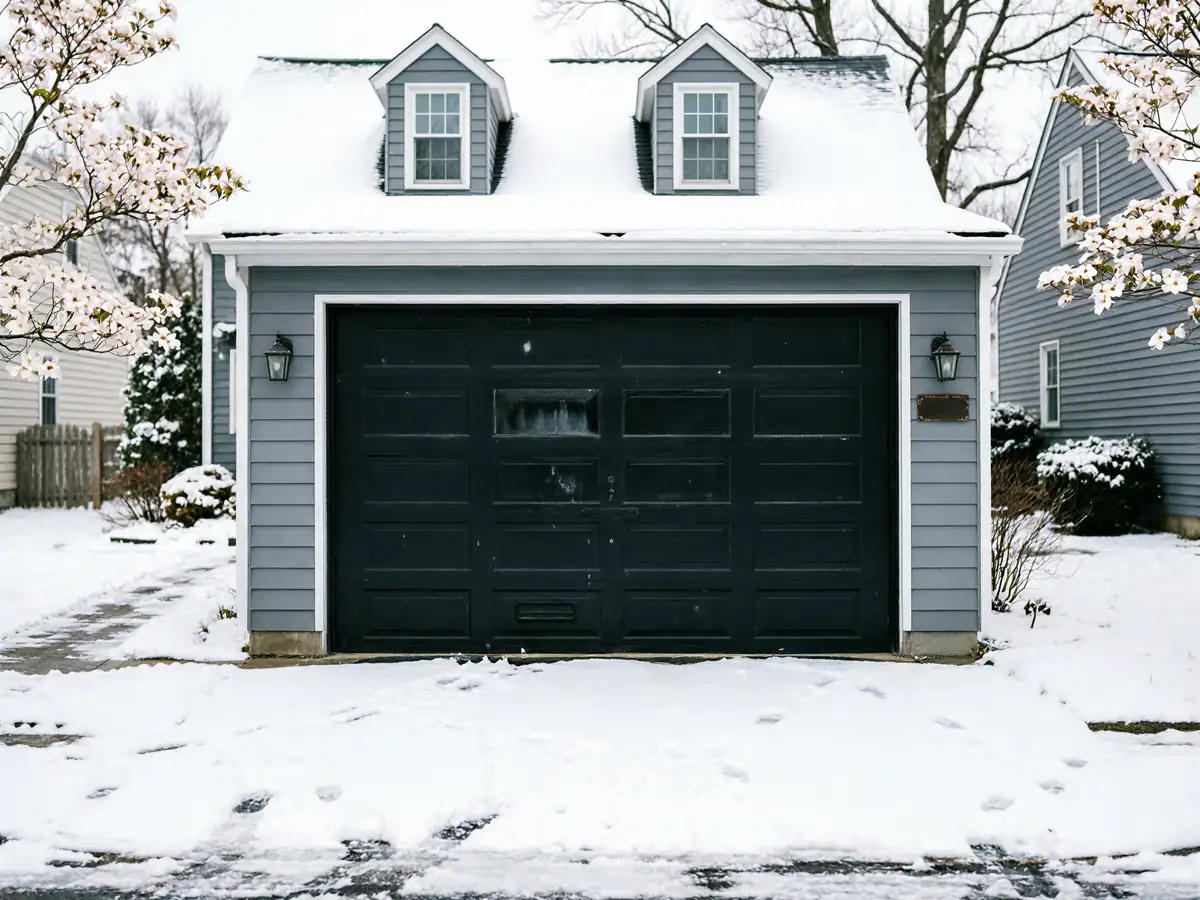
Hollis sits about 13 miles from our Londonderry shop
And the houses here skew a touch older than the service area as a whole. Across the 28 communities we cover, the median build year lands around 1982, but Hollis itself centers closer to 1979. That's not a huge gap on paper, but it matters for rollers: homes from the late 1970s were more likely built with steel rollers on narrower track than the 1980s-90s wave that followed, and steel-on-steel wears faster, louder, and rougher than the nylon setups that came later.
- 13 miles
- 28 communities
We price roller replacement by what's actually on the door
Not by a flat number pulled out of the air. A full set of nylon rollers with sealed bearings costs more per unit than steel, but they outlast steel rollers by years and run quieter from the first cycle. If your track is also worn from years of steel rollers grinding a groove into it, that's a separate line item - we won't bolt new rollers into a track that's already chewed up and call it done.
We don't quote exact numbers here because every door's roller count, track condition, and spring setup is different
What we can tell you is that a straight roller swap on a standard door is a same-visit job, not a multi-day project.
What the Fix Involves
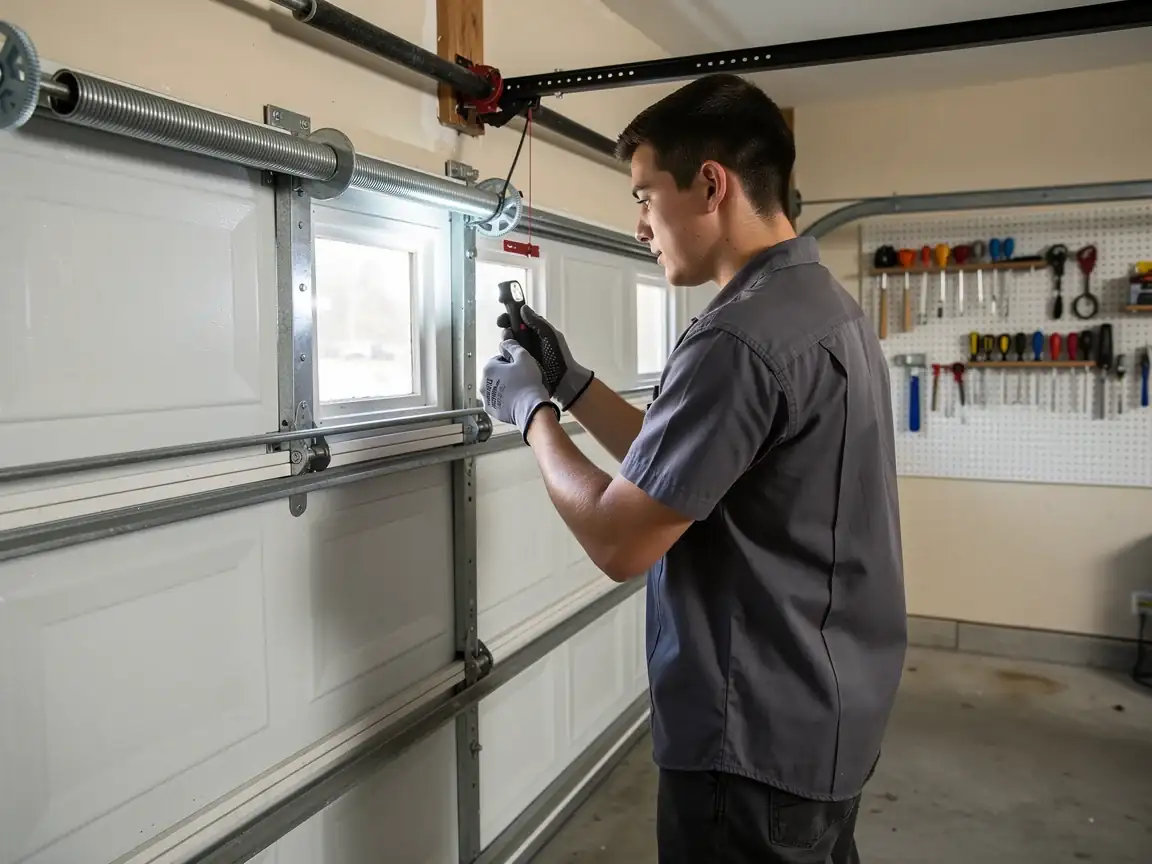
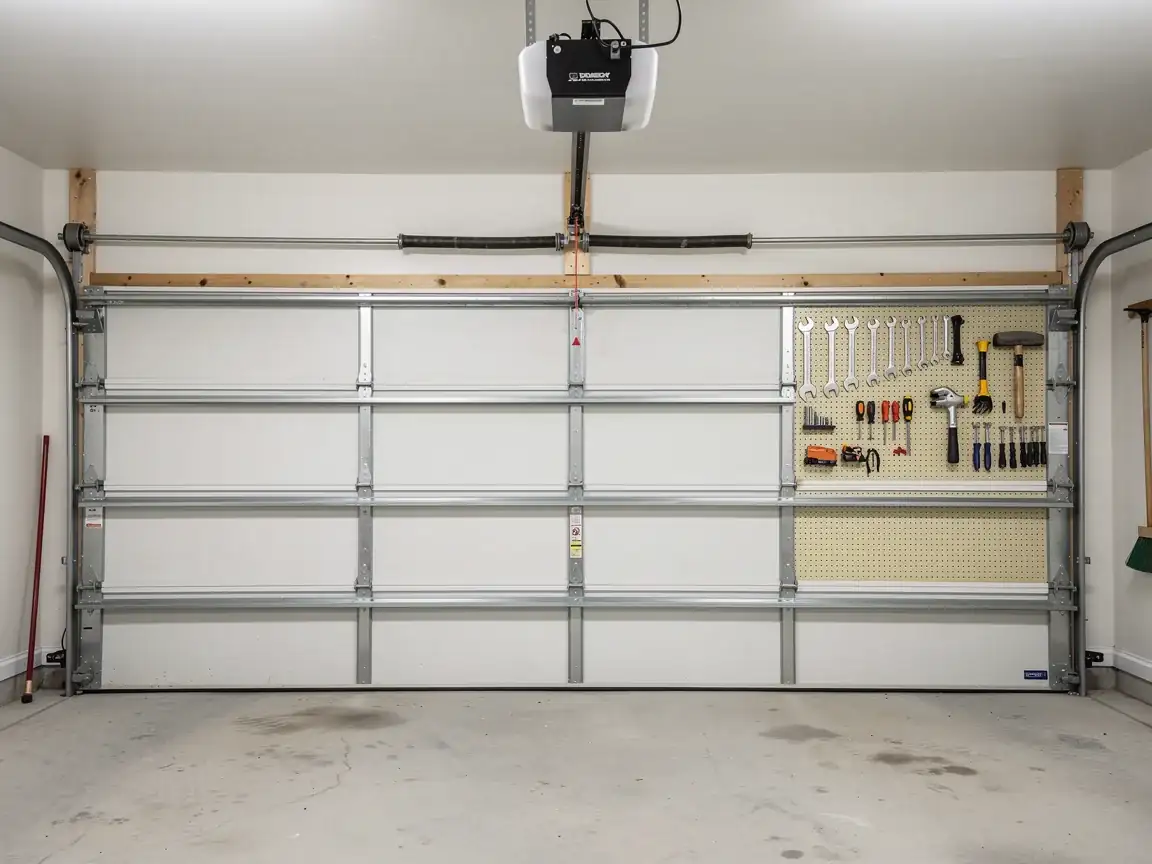
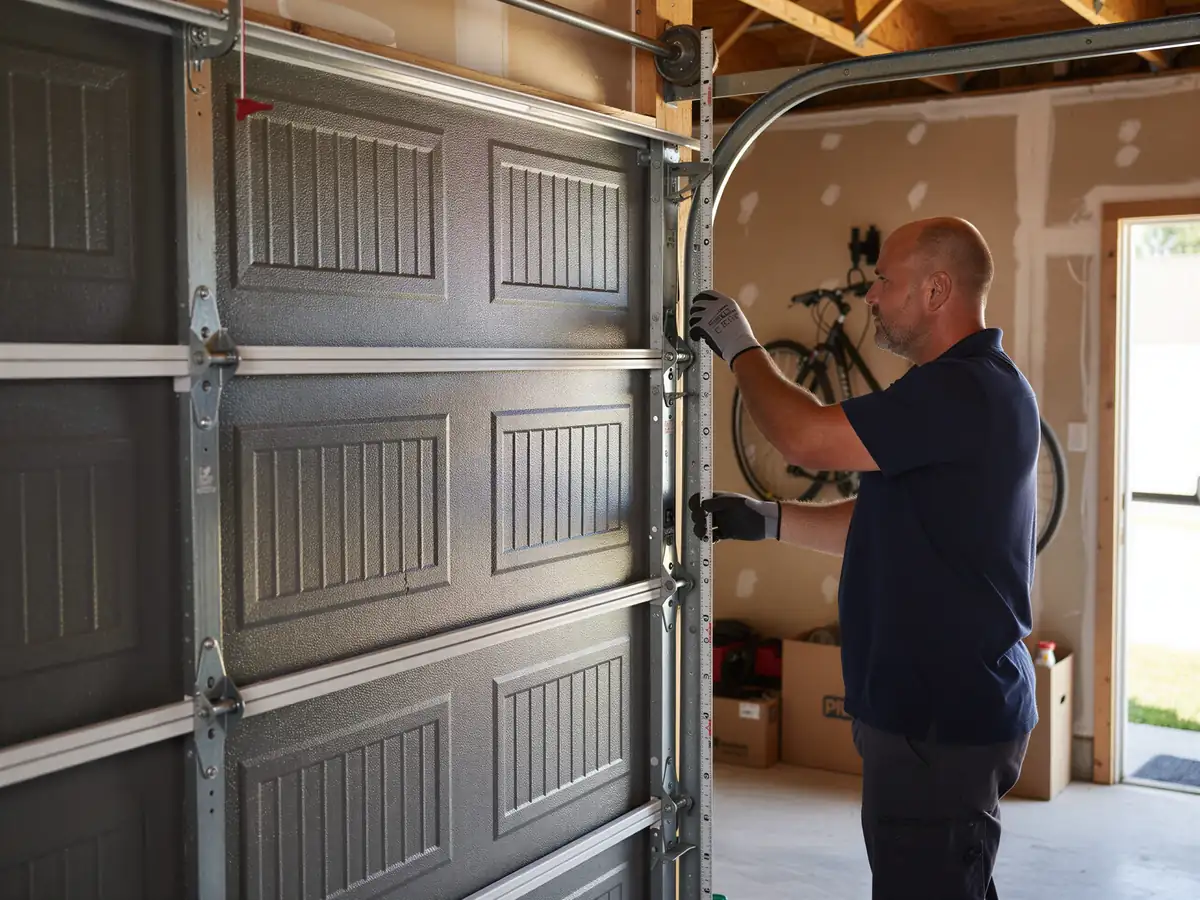
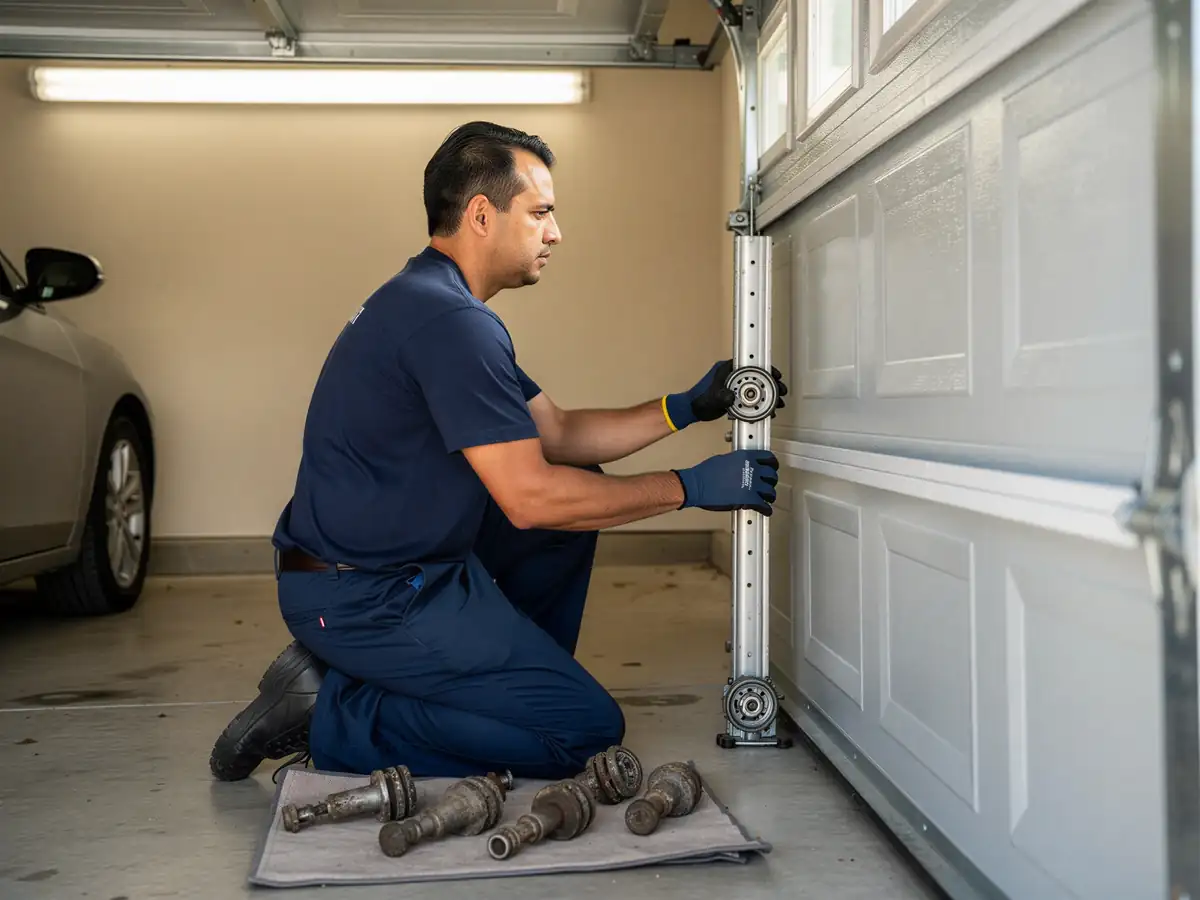
On a typical Hollis door, we start by pulling the old rollers one at a time while the door's supported and cables are slack - never all at once, since that lets the door drop on whoever's underneath it. Each roller comes off its bracket, gets checked against the track it rode in, and gets replaced with a matched size. Steel rollers sized for older track aren't always a direct swap for nylon; sometimes the stem length or wheel diameter is off by enough that the door won't ride square afterward.
If your house still has its original late-1970s track, there's a decent chance the track itself has flat spots or rust pitting from decades of steel rollers. We check the whole run, not just the rollers, because a smooth new roller in a bent track will still bind, and you'll be back to square one in a few months.
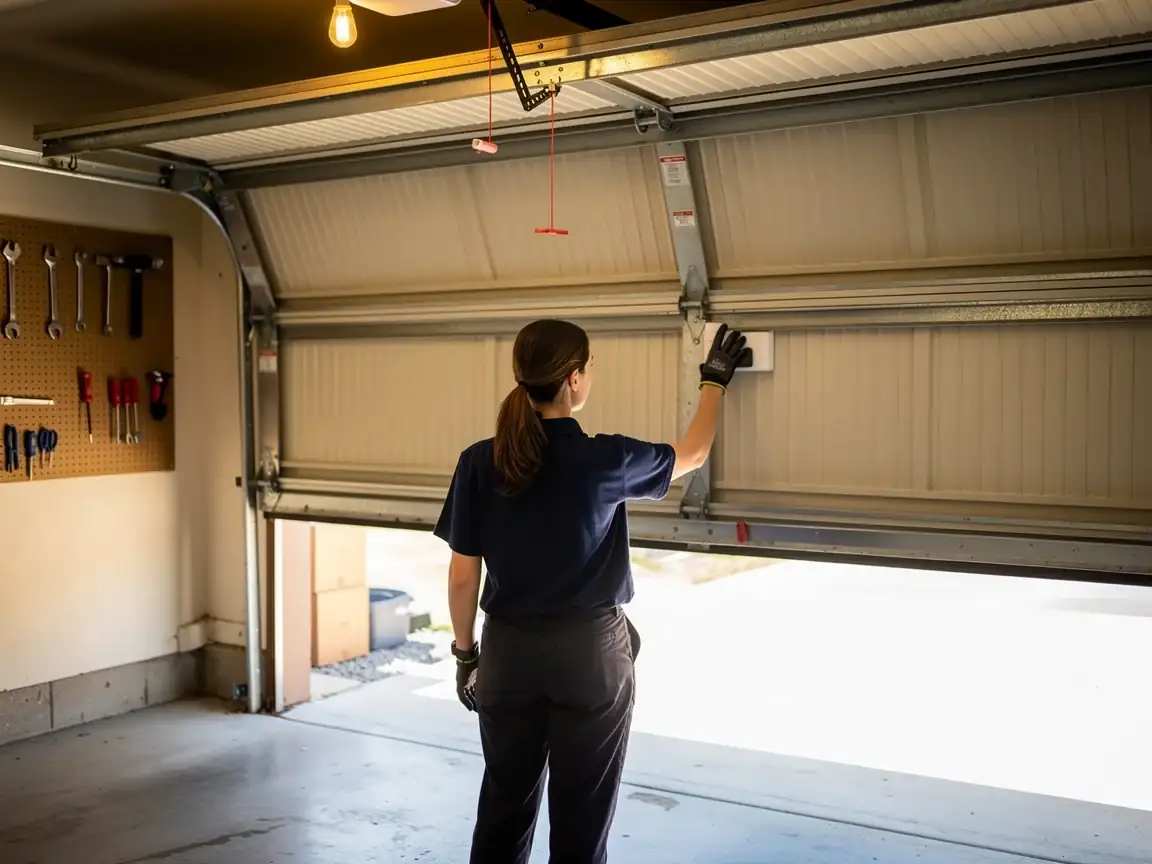
We also check the bearings in the end hinges while we're in there, since those take the same wear as the rollers and get ignored just as often. A full roller job on a two-car door, hardware included, is usually done inside two hours.
The Symptom
The giveaway on an older Hollis door is a specific kind of noise - not a squeal, more like a grinding rattle that gets worse right as the door passes the bend from vertical to horizontal track. That's steel rollers flat-spotting or a wheel bearing seizing inside its housing. You might also notice the door jerking slightly at that same spot in the travel, or one side lagging the other so the door looks like it's walking crooked instead of sliding straight.
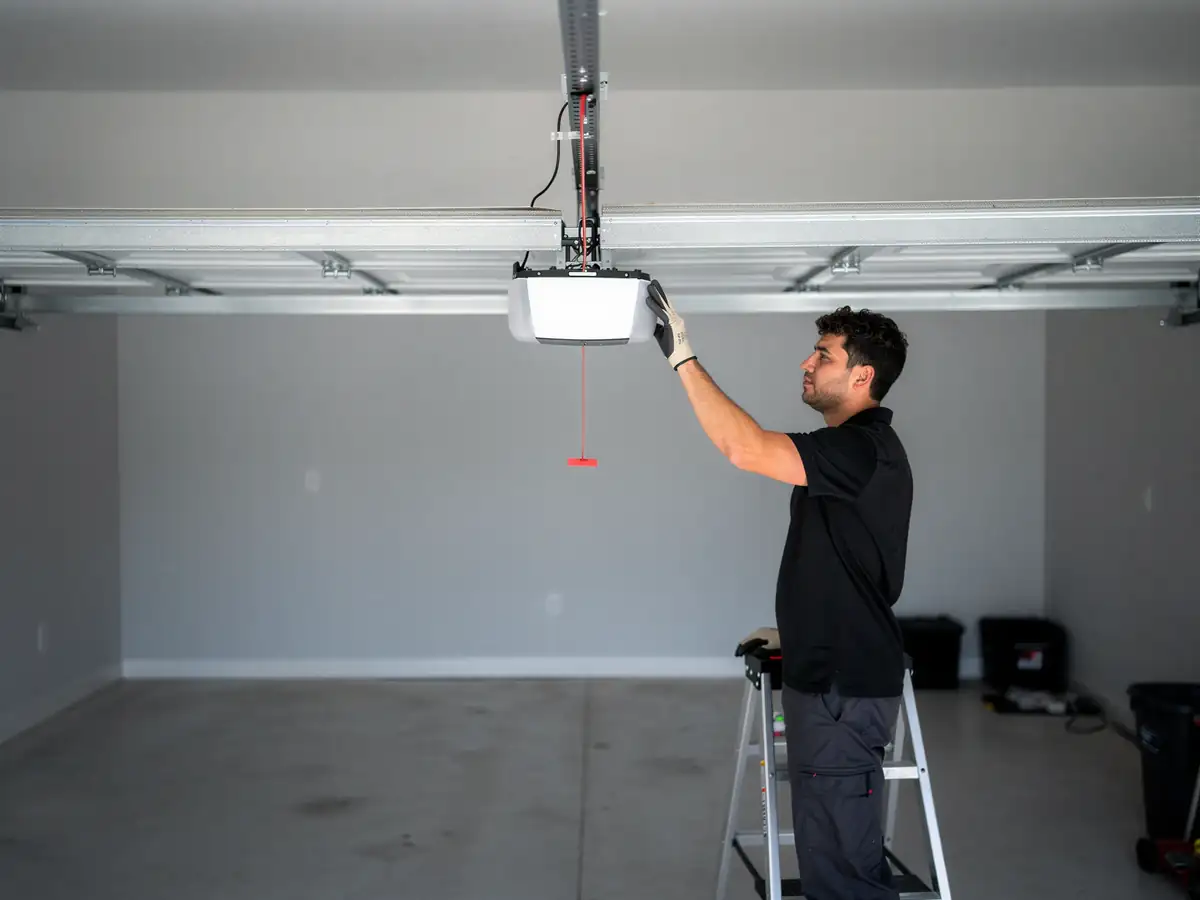
A door that's merely loud but still moves smooth and level is usually just worn rollers - an easier, cheaper fix. A door that's binding, jumping track, or dropping unevenly on one side is often further along, with bent track or a failing bearing adding stress to the opener motor. Left long enough, that stress transfers to the opener's drive gear, which is a different and pricier repair. Catching it at the noisy stage, rather than the sticking stage, is the difference between a roller swap and a bigger job.
The DIY Question
Rollers are one of the more approachable garage door repairs
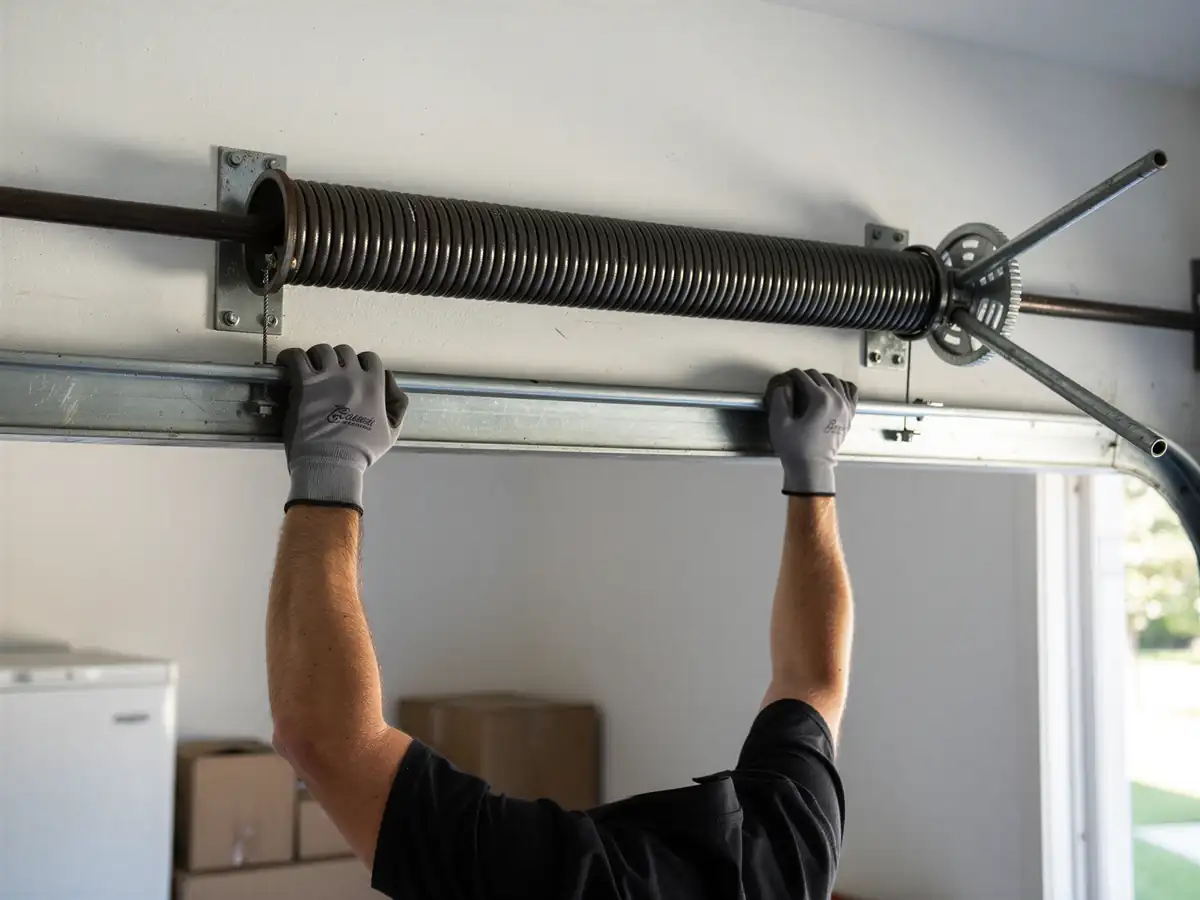
And we'll say that plainly: if your door is off tension springs or you're only replacing rollers on the bottom panel, a careful homeowner can do it with the door propped and the opener disconnected. The risk is in the top rollers near the torsion spring assembly, where a slipped wrench or a dropped door section can do real damage to a hand.
Where we'd tell a Hollis homeowner to call instead of DIY
If the track itself is bent or pitted, if you're not sure whether what you're hearing is rollers or bearings, or if the door is original to a house built before 1980 and nobody's touched the hardware since. At that age, one worn part is rarely alone - the rollers, the hinges, and the cable all aging together, and pulling one roller can reveal a cable that's about to let go. That's not a scare tactic, it's just what 40-plus-year-old hardware tends to look like once you're inside it.