The Symptom
Brookline's median household income runs $165,942, well above the wider service area's $125,774
And that number matters here because it changes the math on a dented or cracked panel fast. A homeowner at this income level isn't stretching to cover a $400 panel swap, but a lot of them still ask for one anyway instead of a full door, because the rest of the door is fine and they don't see why they should pay for sections that still work.
The symptom is usually simple
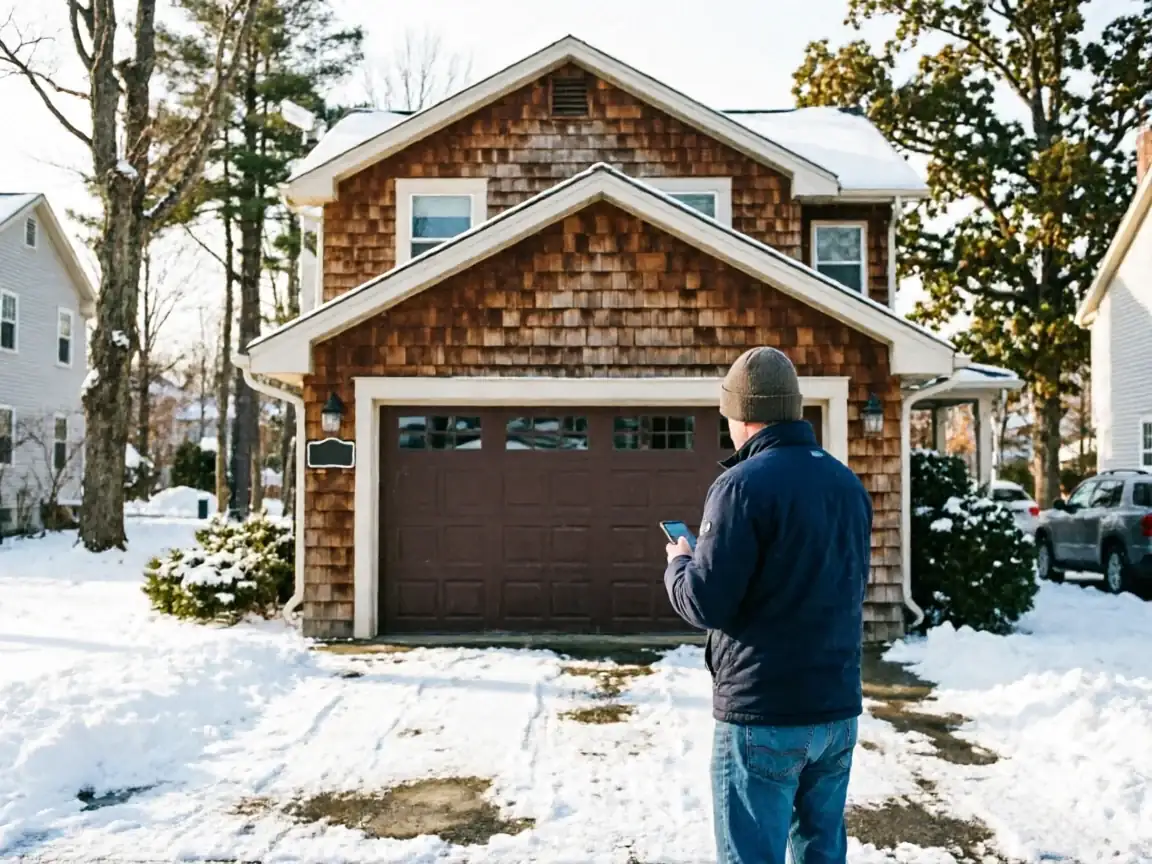
A car backed into the bottom section, a baseball put a dent in the second panel up, or a panel seam has started to bow where the roller bracket pulls on it every cycle. On a 1,853-household town like this, that's a common service call, not a dramatic one. The door still opens. It just looks wrong, and on a steel door, a bent panel can throw the whole section out of square enough that the roller binds in the track.
Why This Fails Locally
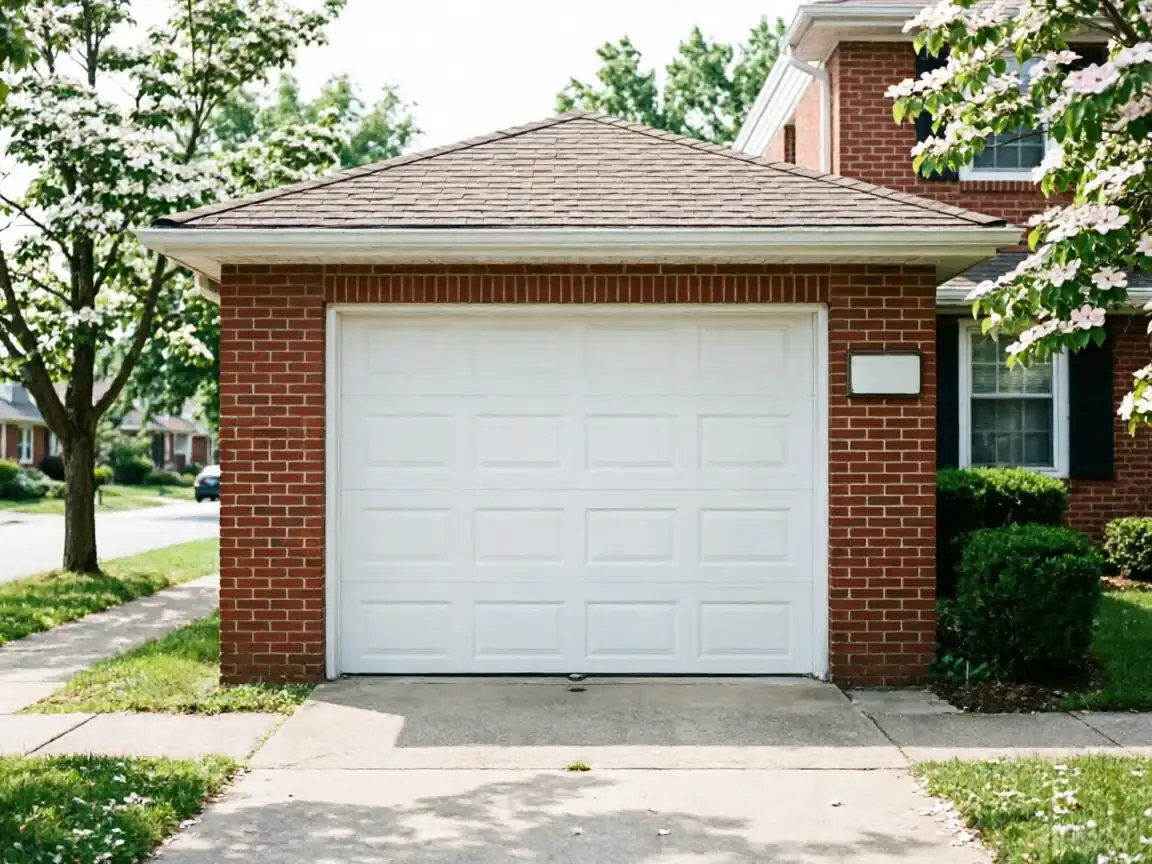
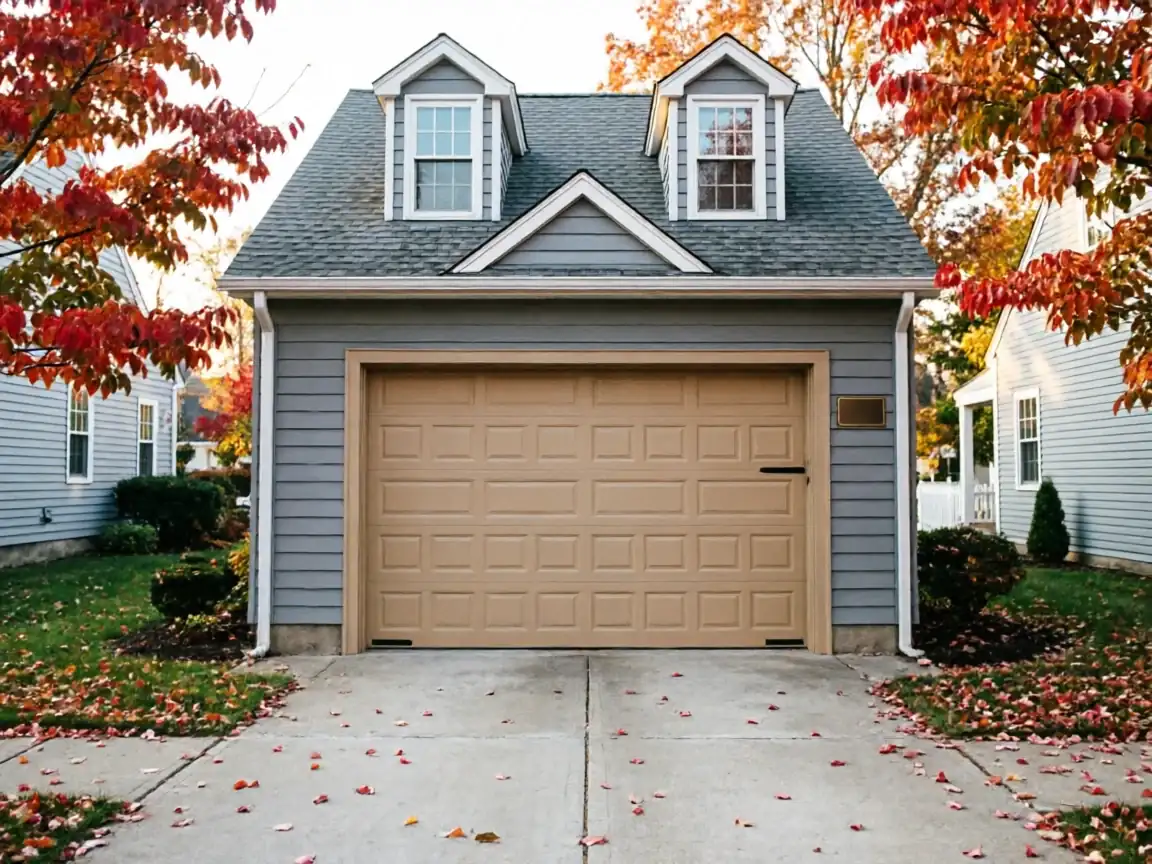
Brookline's housing stock centers on 1991, newer than the broader area's 1982 median. That one decade matters for panel work. Houses built around 1991 almost always came with steel sectional doors rather than the wood or masonite doors common on older stock elsewhere in the territory - doors with polystyrene-core sections, roll-formed steel skins, and a panel profile that was standard for a handful of years and then changed as manufacturers updated their lines.
The practical problem: the panel that matches your door has to match the exact profile and section height your builder installed, not just the brand. A door that's 32 years old sits right at the edge where some manufacturers have discontinued the original panel run entirely. We've found exact matches on plenty of these doors. We've also had jobs where the only honest answer was that the matching panel isn't made any more, and a full door made more sense than chasing a retired profile across three distributors.
Stocked Parts
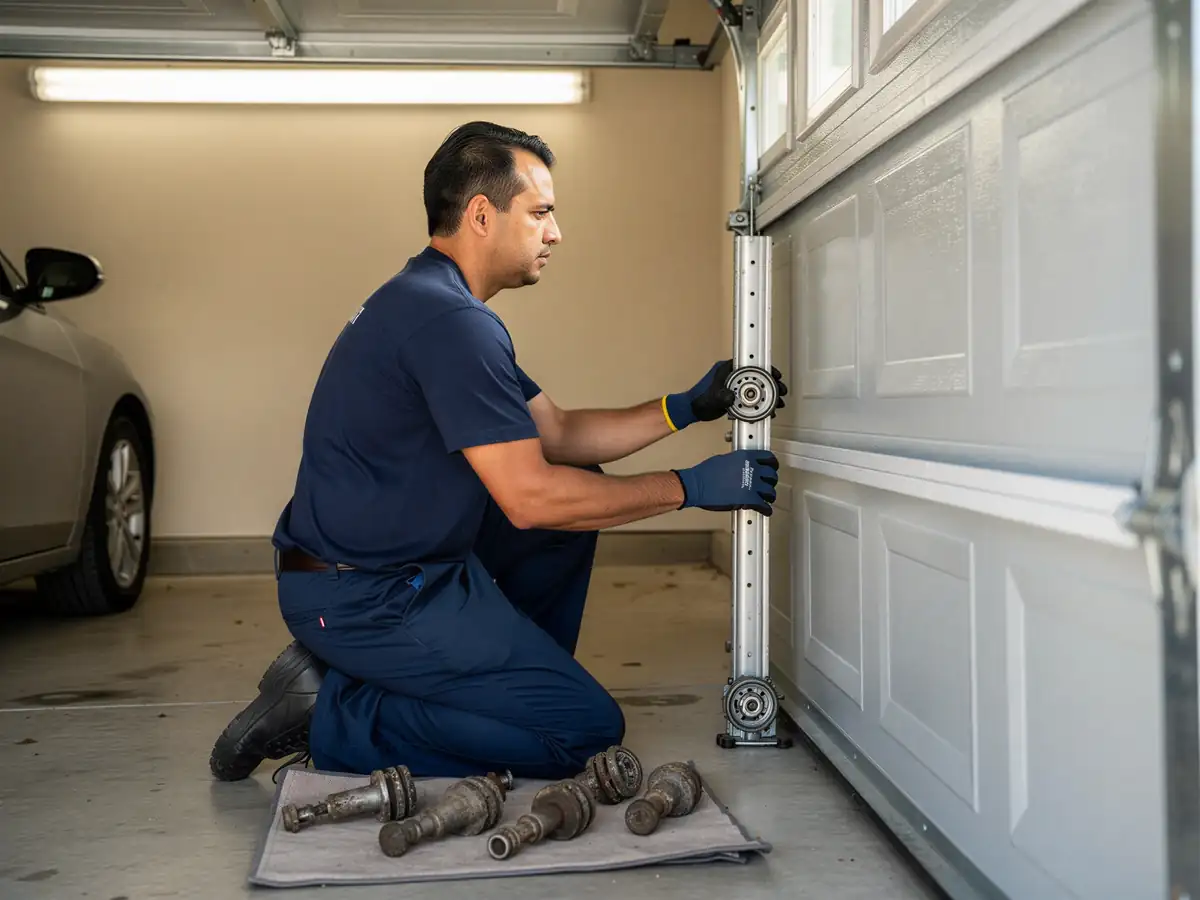
For doors in the 1991 range we carry common steel panel sections in the standard raised and flush profiles, along with the end stiles, hinges, and roller brackets that typically fail alongside a damaged panel. These cover a good share of the steel sectional doors built in this era across the region, which includes Brookline.
What we don't carry on the truck is a match for every discontinued or regional builder-grade door. If your panel profile isn't a common stocked line, we order it, and we'll tell you the lead time before we commit to the job rather than after. On a cold-climate build like this one, we also check the insulation core and the weatherseal track while we're in there - a new panel on a door with a failed seal just moves the draft problem to a different section.
The DIY Question
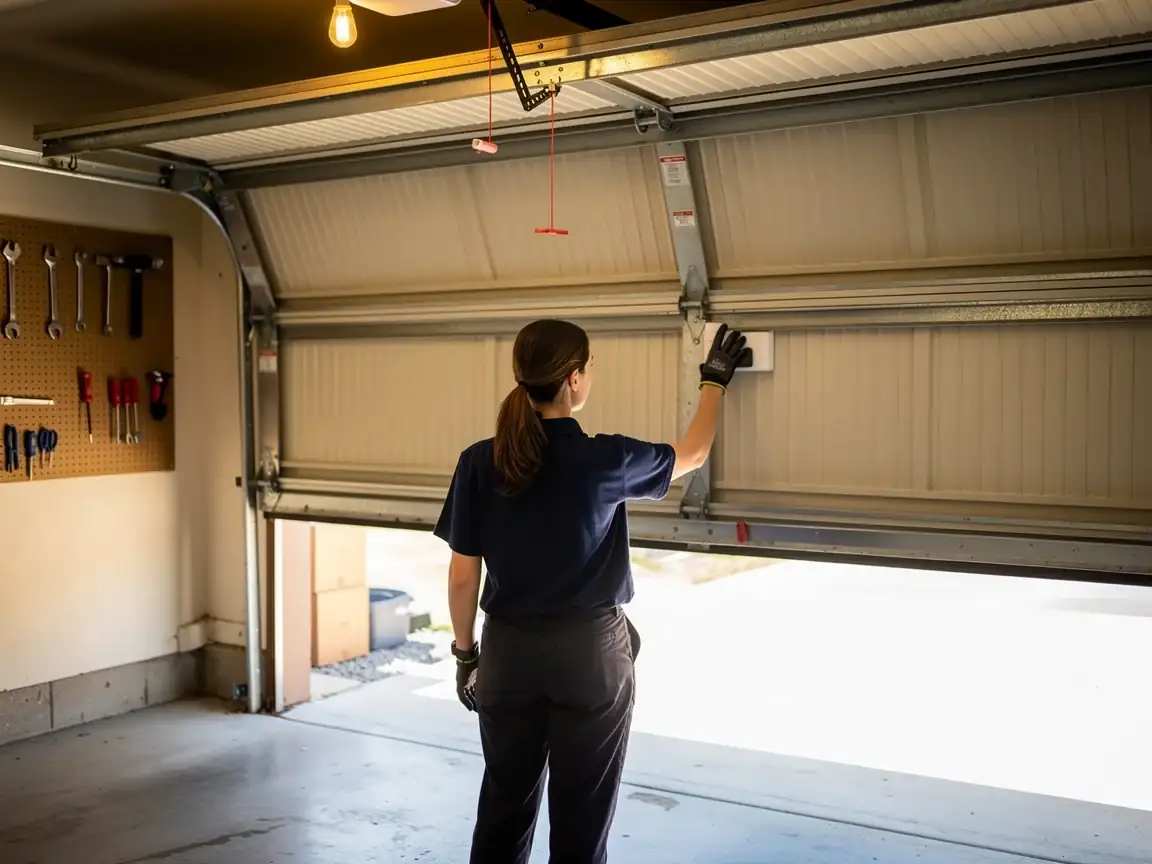
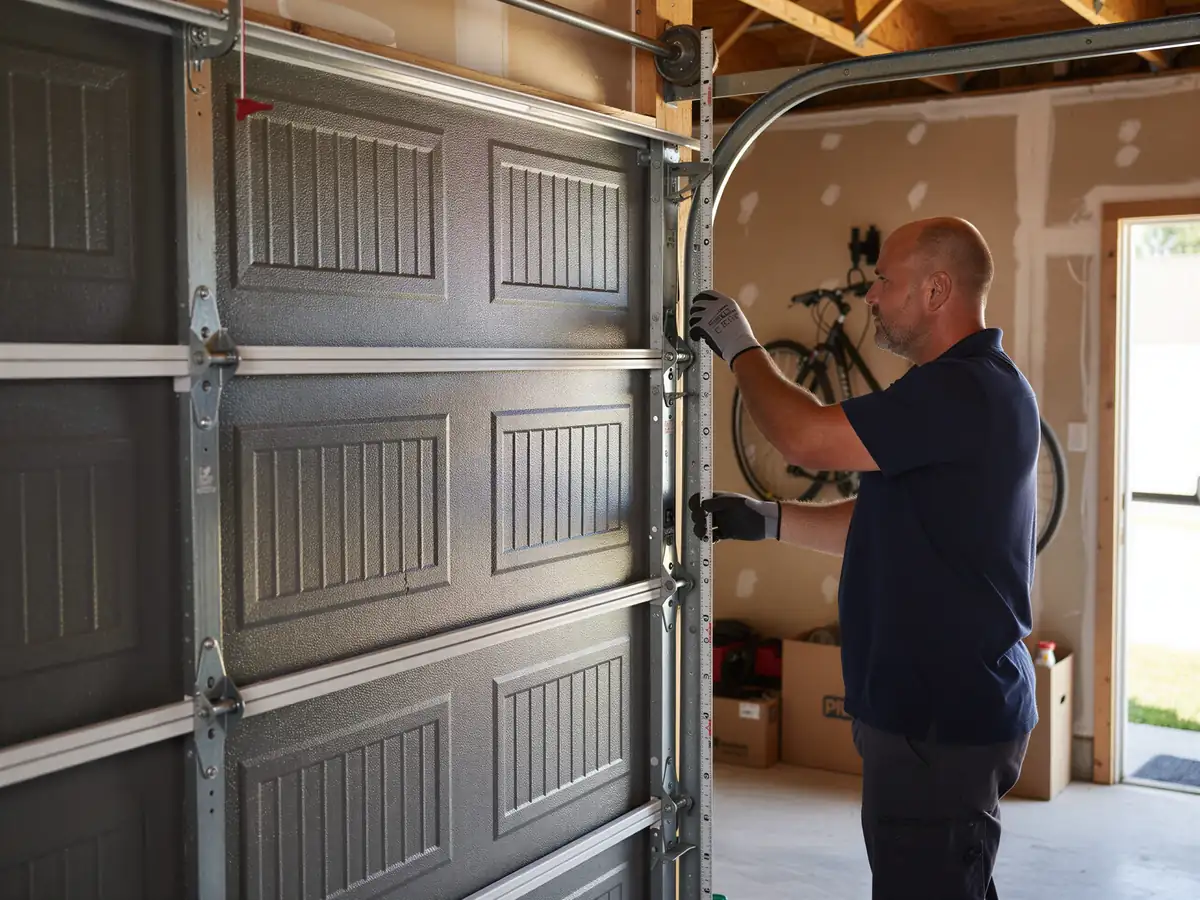
Swapping a single steel panel is more involved than it looks on a video
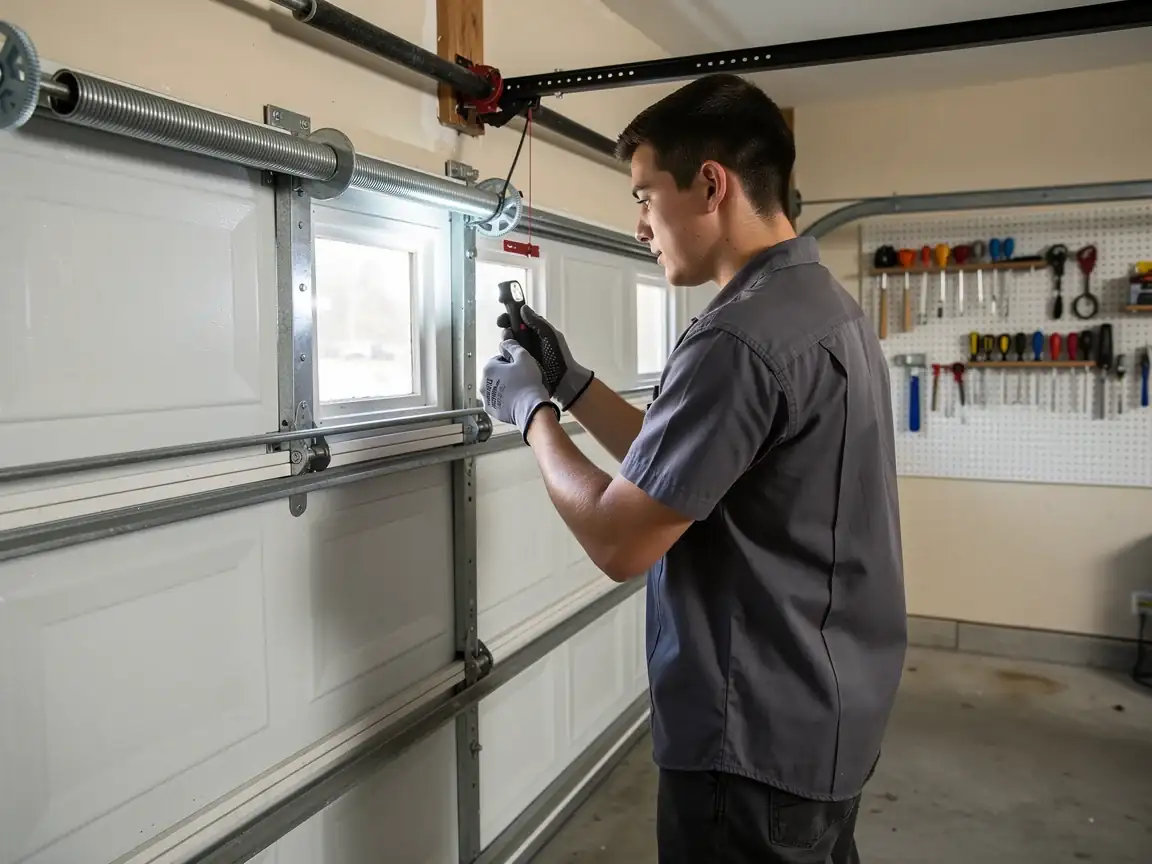
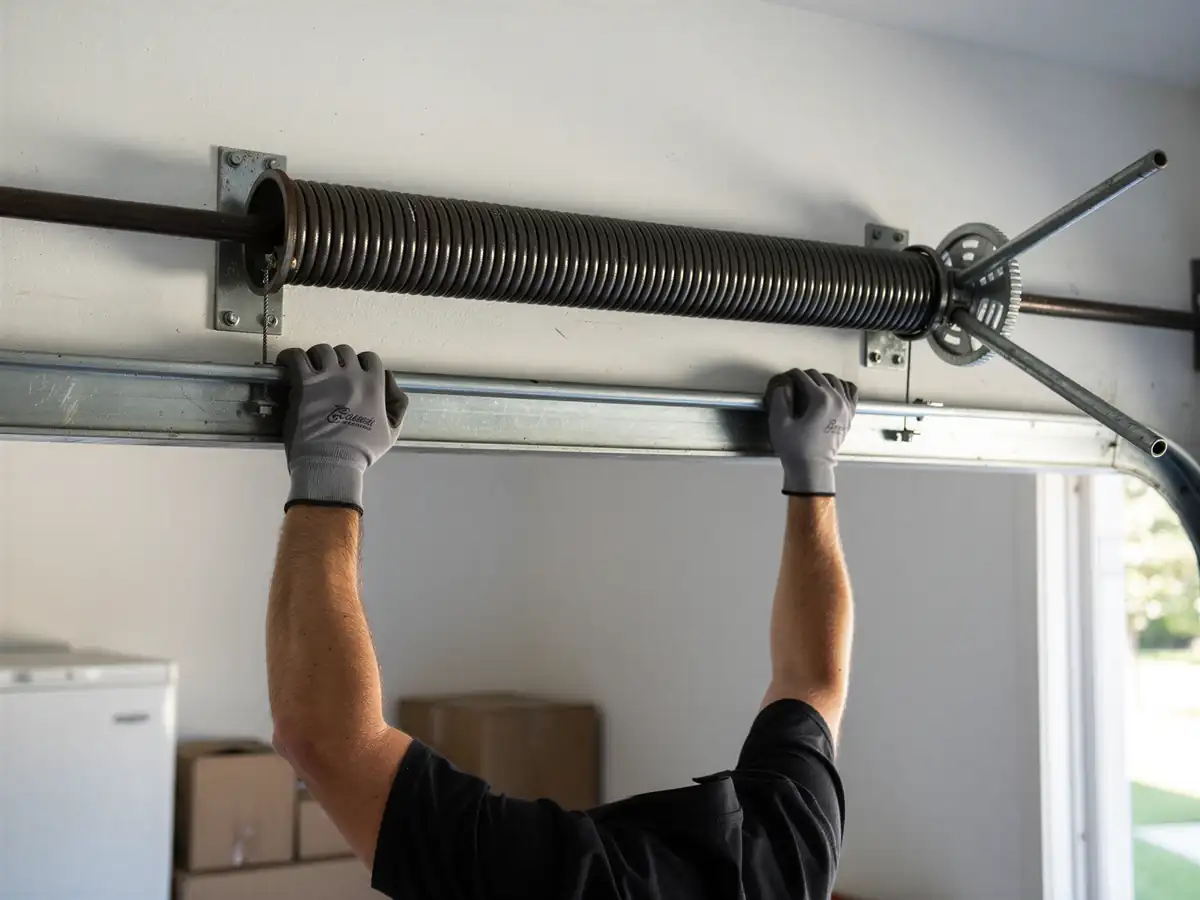
The sections are joined by hinges that carry spring tension across the whole door, and pulling one panel without relieving that tension first can let the door drop or the cable jump the drum. If your door still has its original torsion spring from 1991 or so, that spring has had three decades of cycles on it, and working near it with the wrong tools is the single most common way people get hurt on this job.
Where a homeowner can reasonably handle it themselves
A cosmetic scuff with no structural bend, or confirming which panel is actually damaged before calling anyone. Anything involving removing a section, realigning hinges, or touching spring tension is where we'd tell you to call instead of improvise. Given the climate band this area sits in, a door that's out of square in January is a door that's letting cold air into a heated garage for weeks before anyone gets around to fixing it right.
What It Costs
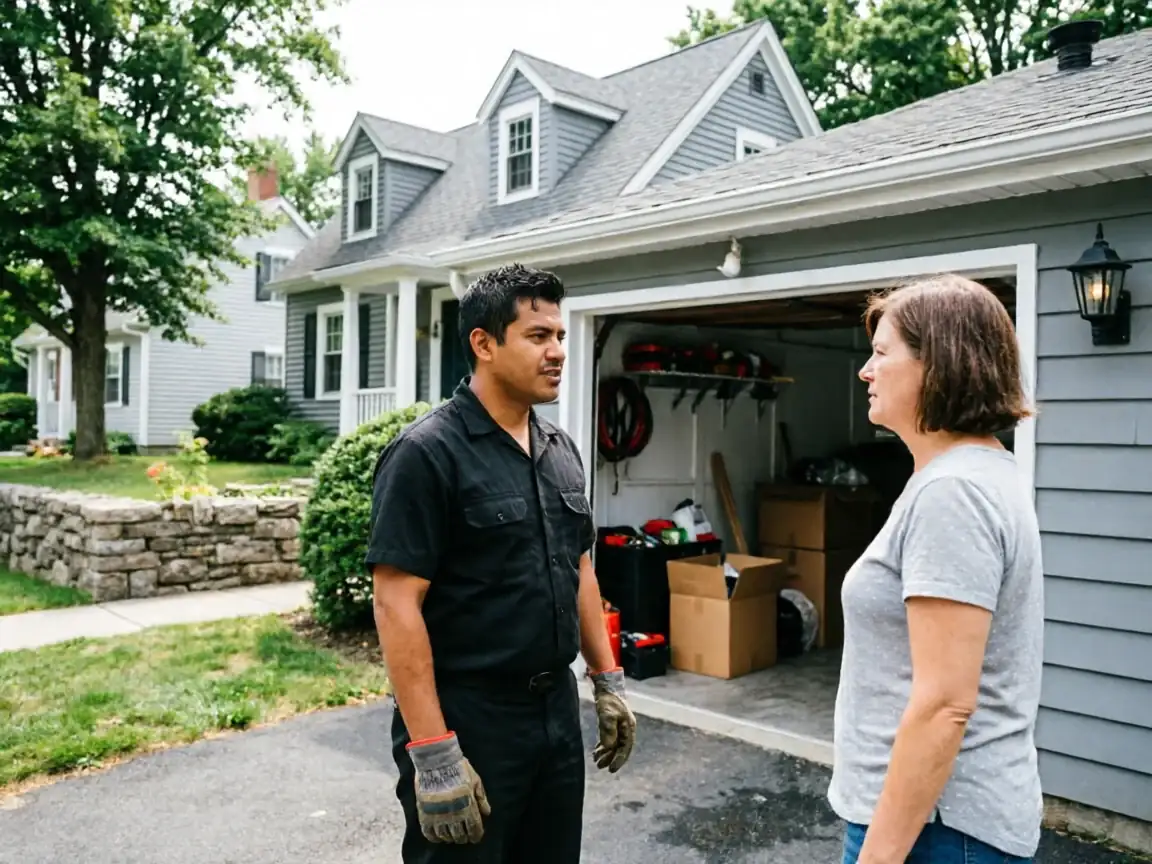
We don't post a flat number here because panel cost swings on section size, insulation, and whether the profile is still in production. What we can tell you is how the decision usually breaks for a town like this: with a median household income of $165,942, most Brookline homeowners we work with choose a straight panel match when one's available, rather than defaulting to a full door, because the income supports paying for the right part instead of the cheapest fix.
The replace-versus-repair line generally falls on availability, not budget, for this door era. If your panel profile is still stocked or orderable, a single or double-section swap is usually the lower-cost call. If it's been discontinued, pricing a full door against a hunt for an obsolete panel usually favors the door, since the hunt itself can cost more in labor than the part. We'll price both ways before you decide anything, since the honest answer depends on what's actually behind the dent.