Why This Fails Locally
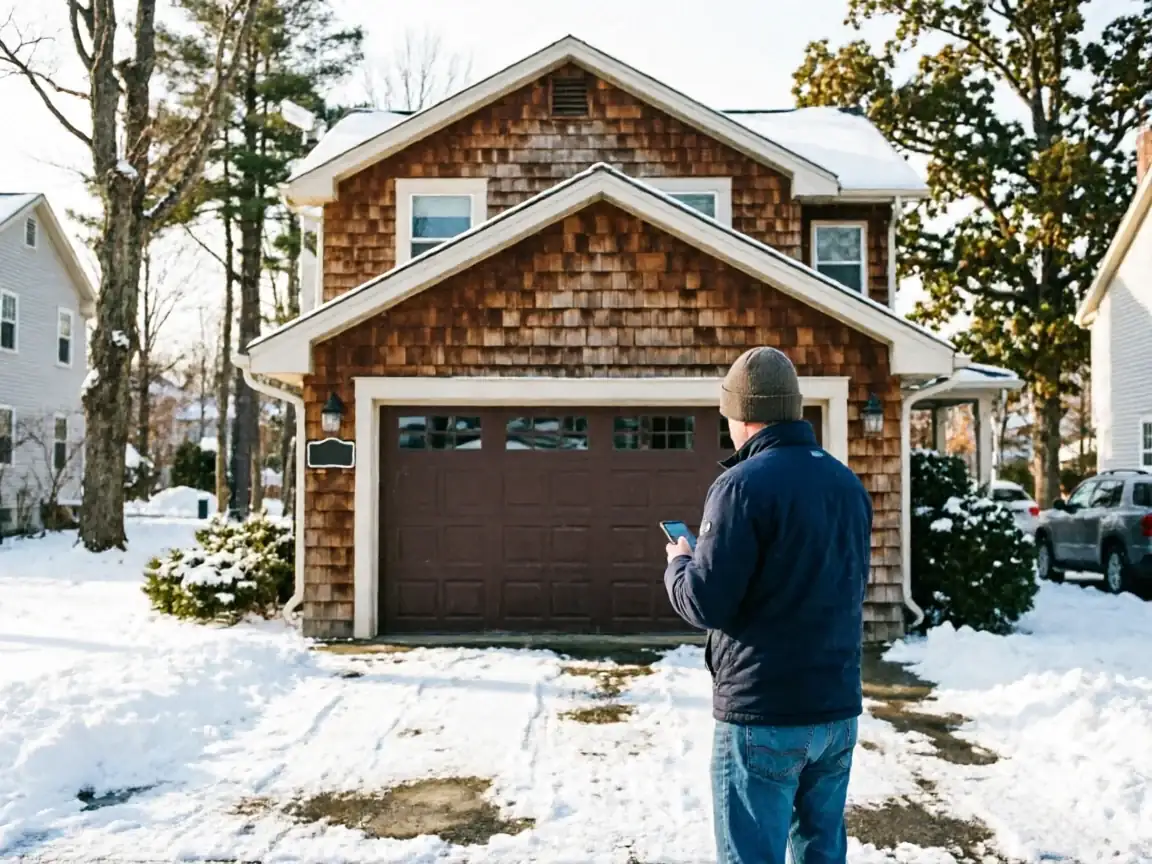
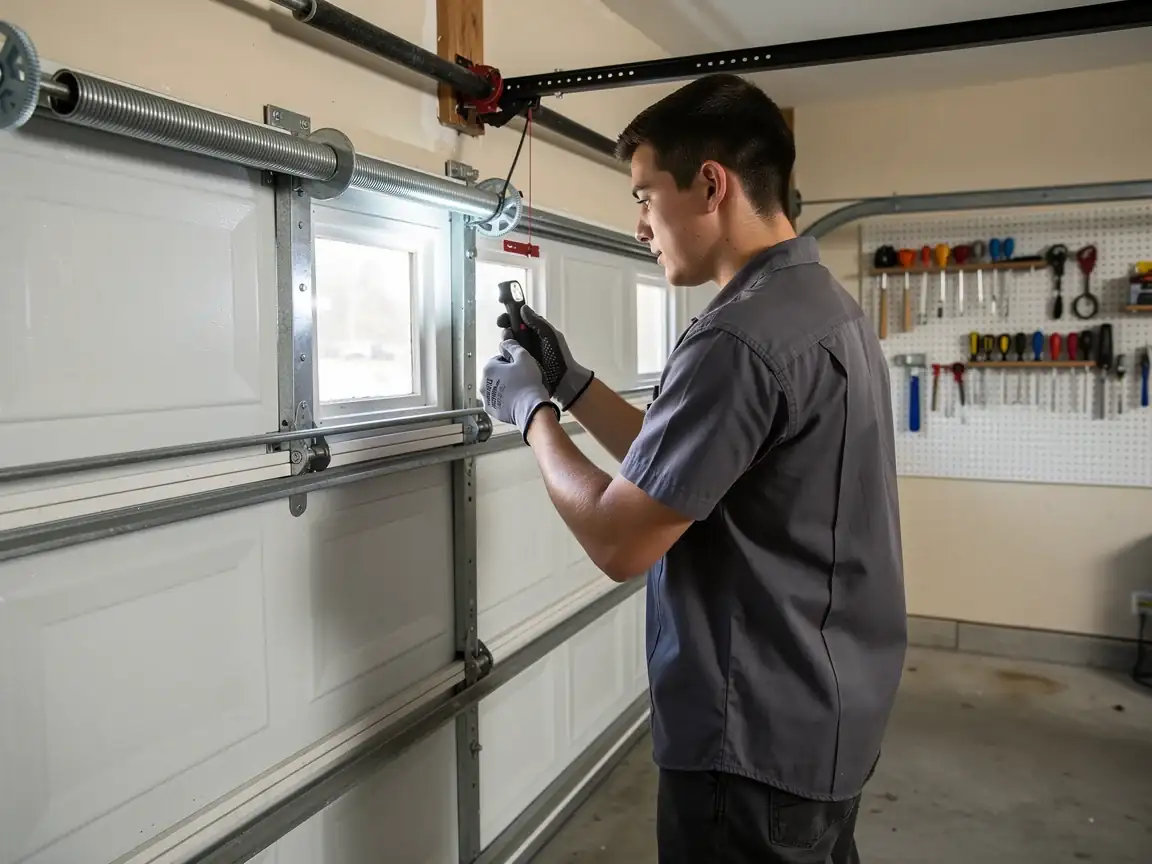
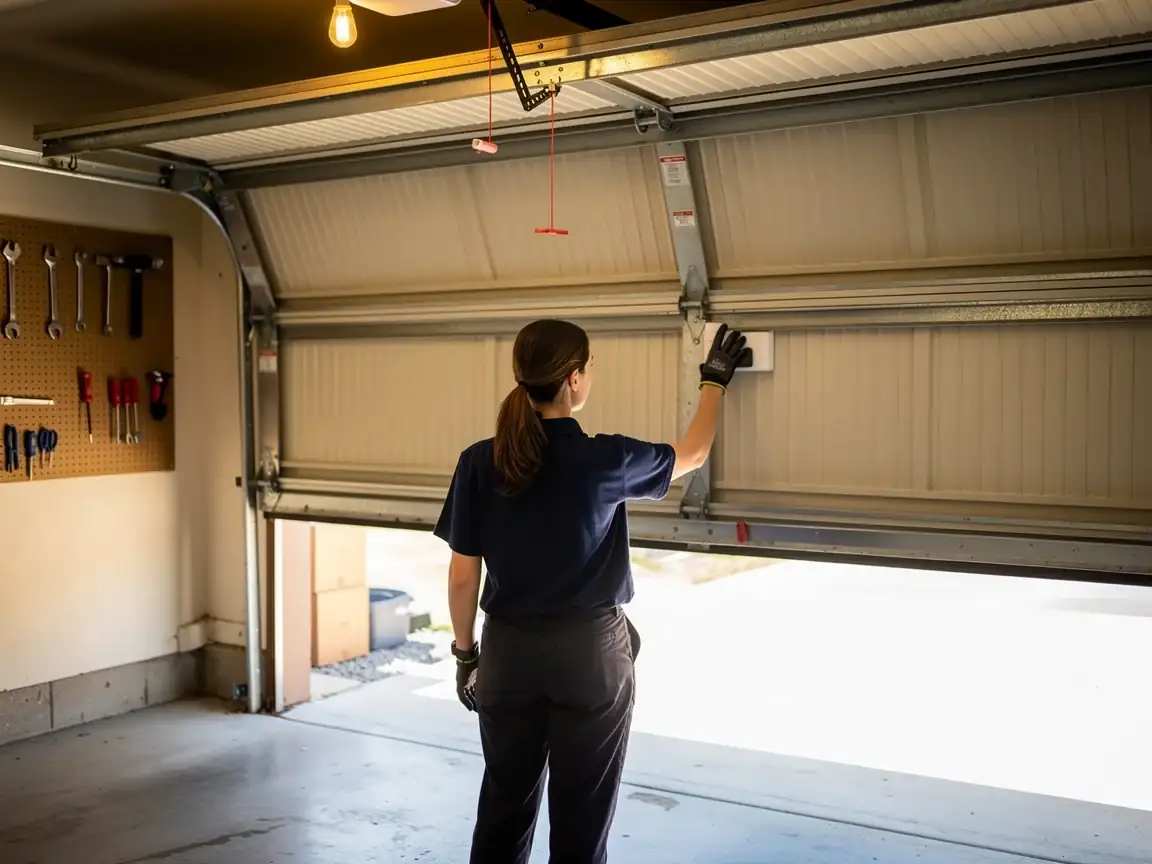
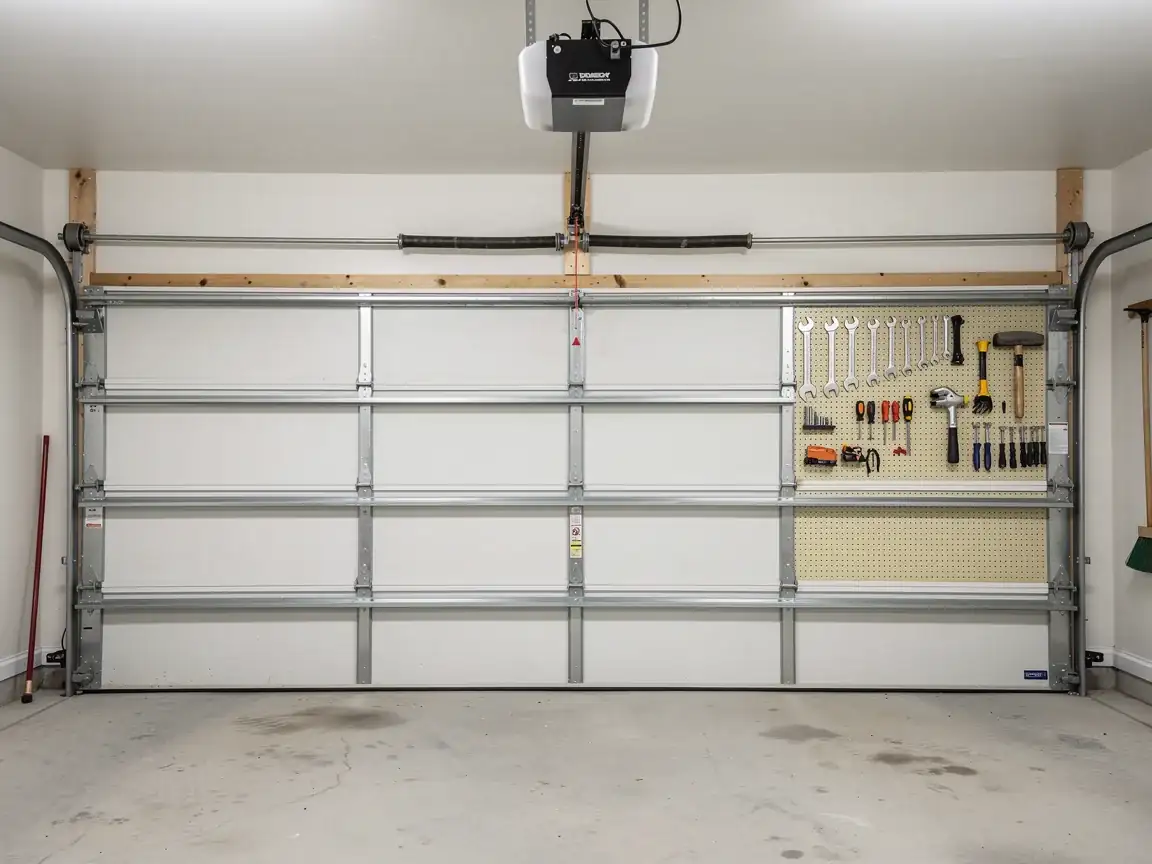
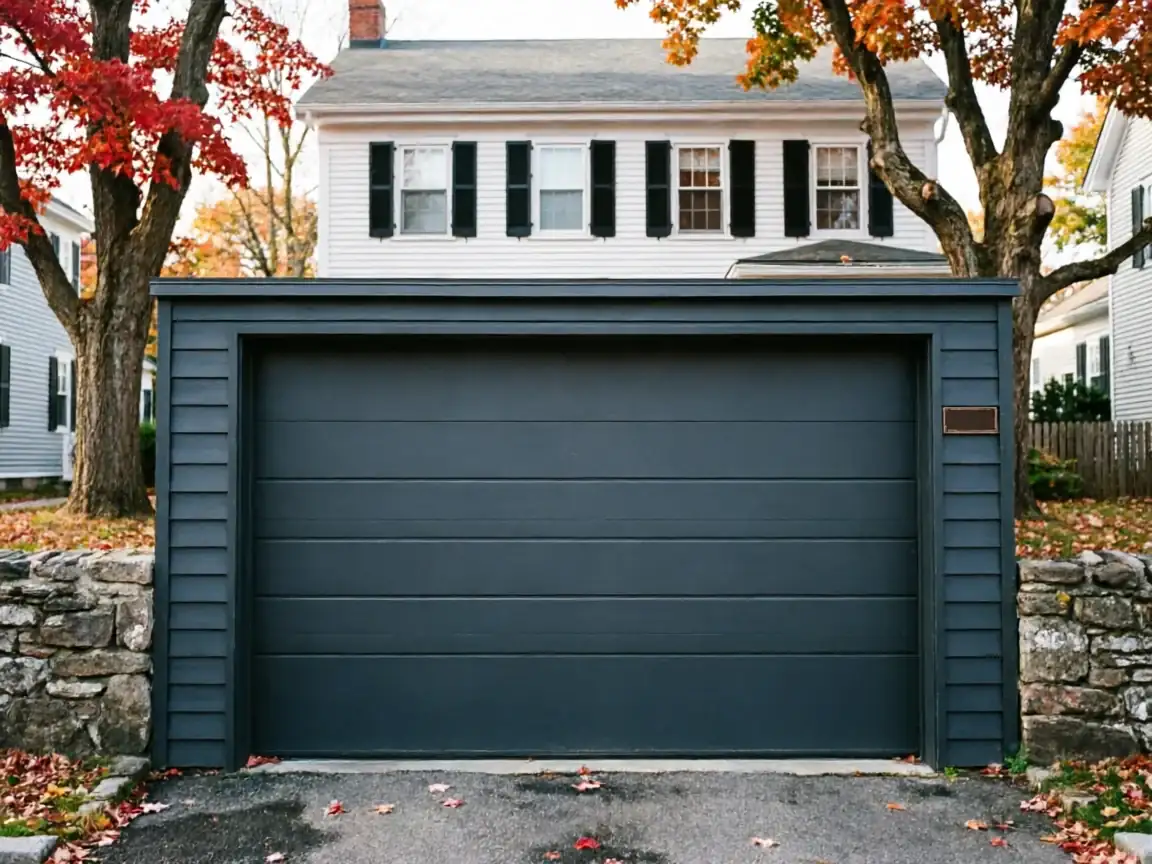
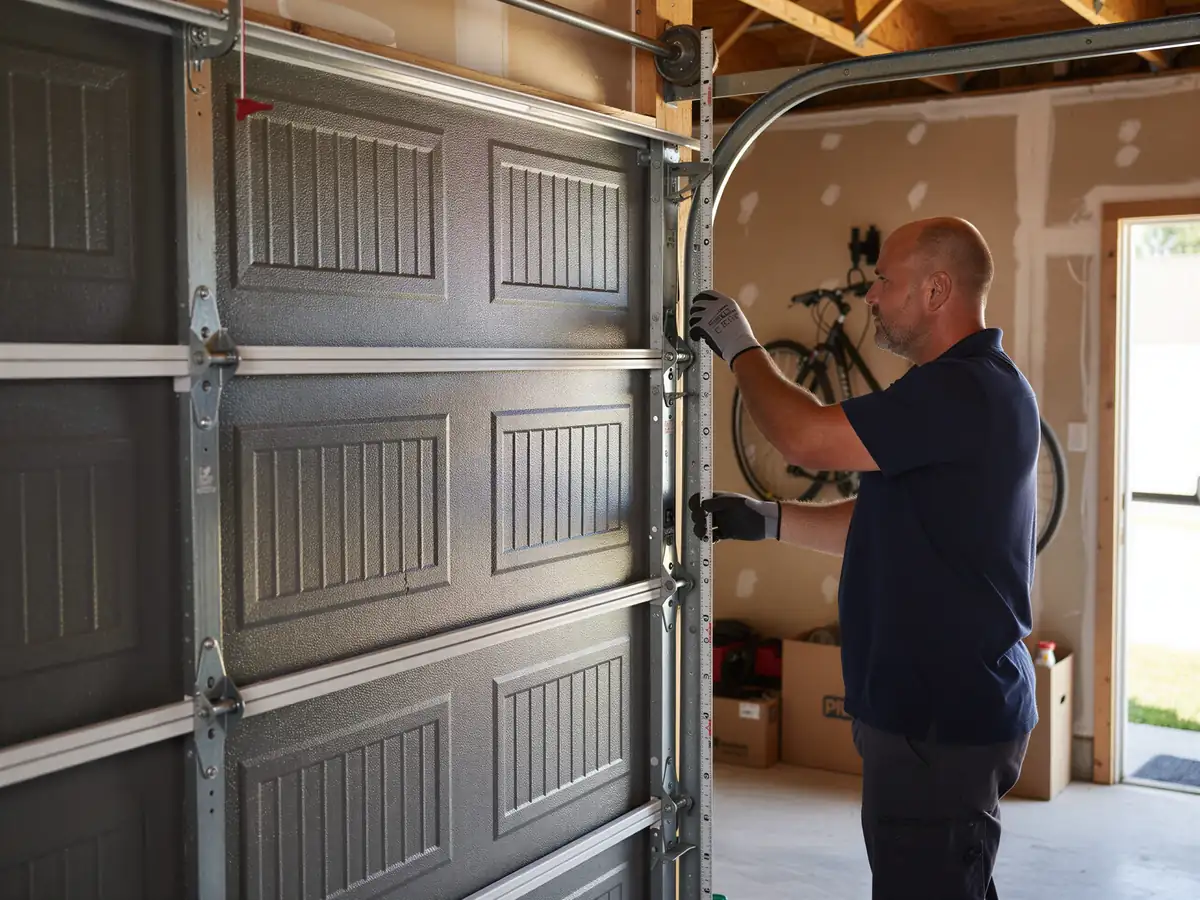
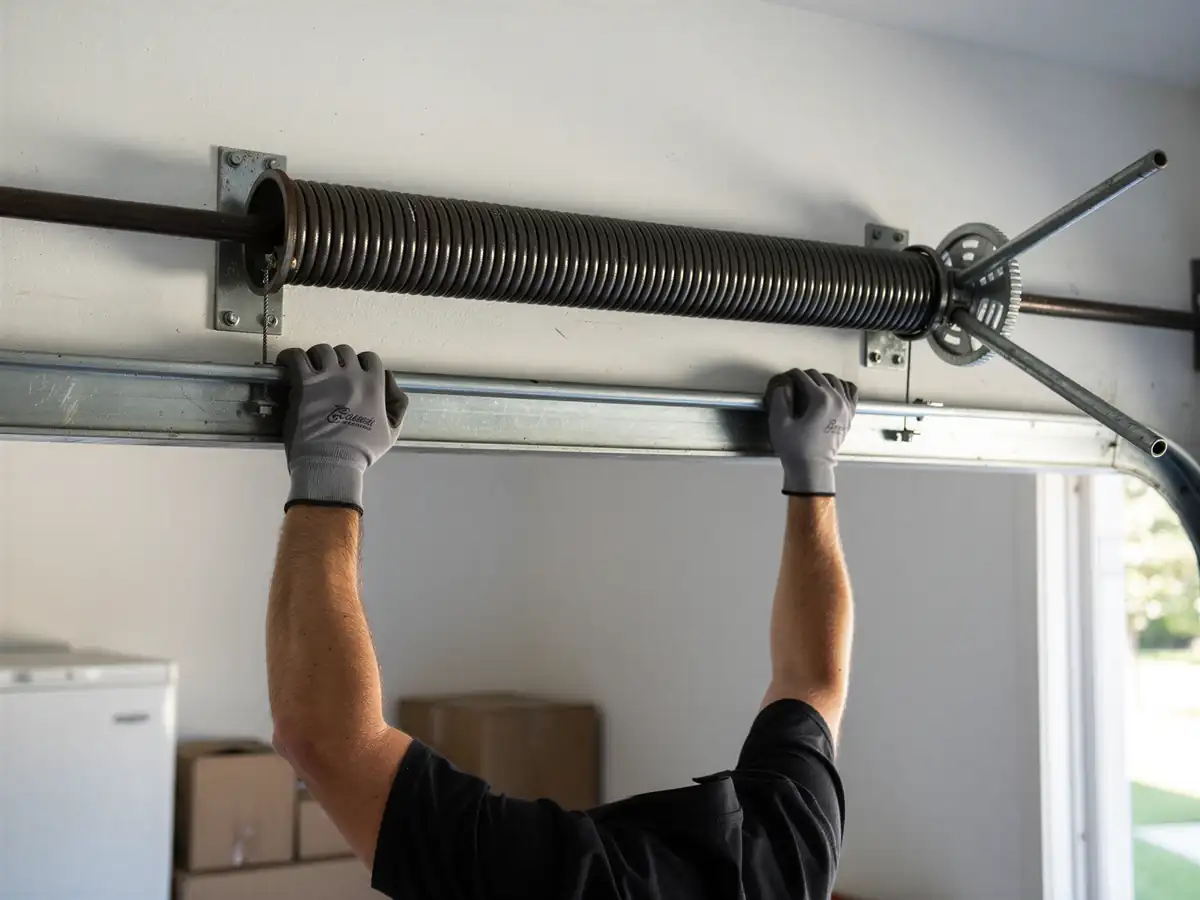
Brookline sits about 17 miles from our Londonderry shop, out past Hollis and Mont Vernon, in a town built mostly in that late-1980s-to-early-1990s wave rather than the older stock closer to the city. That matters for installation because doors from that era were hung on hardware sized for the lighter, uninsulated panels of the time - track, rollers, and spring sizing calculated for a door that weighed less than what we'd spec today. Swap in a modern insulated steel door without checking that math and you get a door that's too heavy for its own track radius, which shows up a year later as a spring that wears out early or an opener straining on every cycle. The region sits in a cold-climate band with real winter load on hardware, so a mismatched torsion spring doesn't just underperform, it fails sooner. The fix isn't a bigger door, it's matching the new door's weight to track and spring specs built for the house, not for the catalog photo.
Stocked Parts
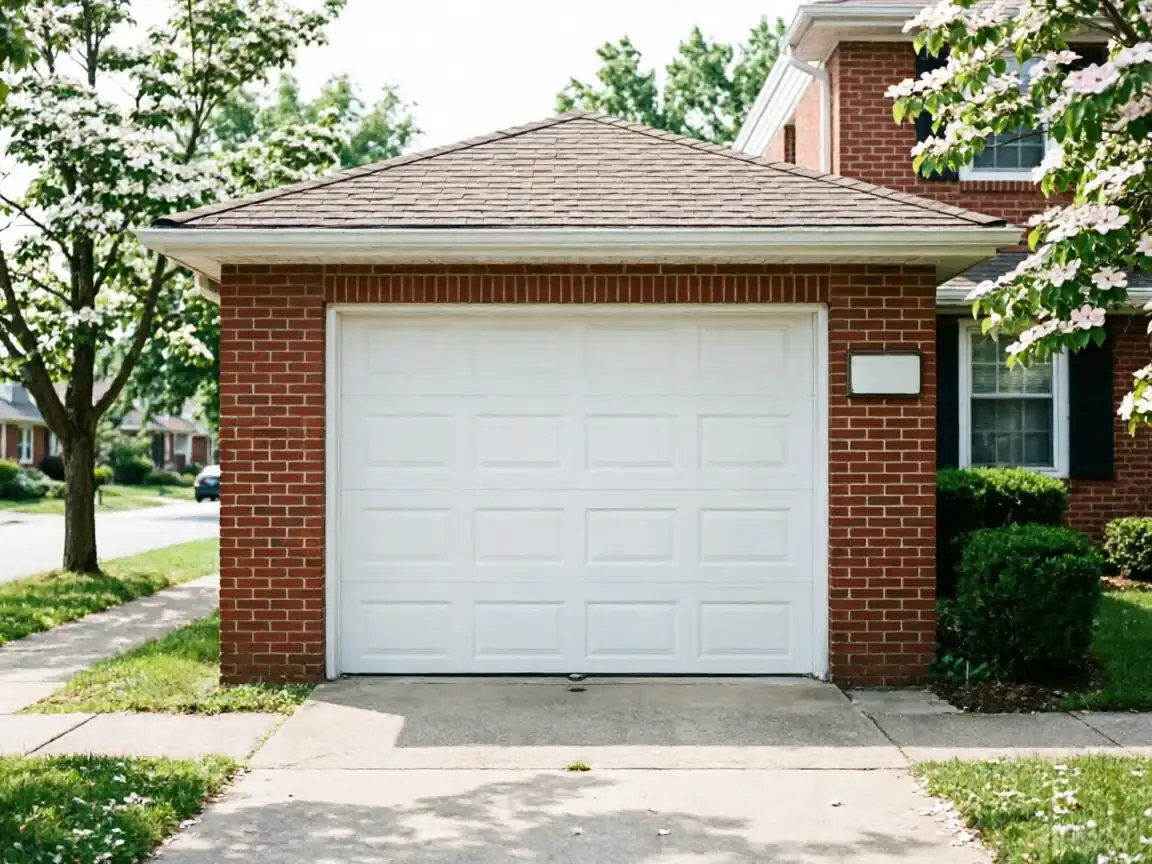
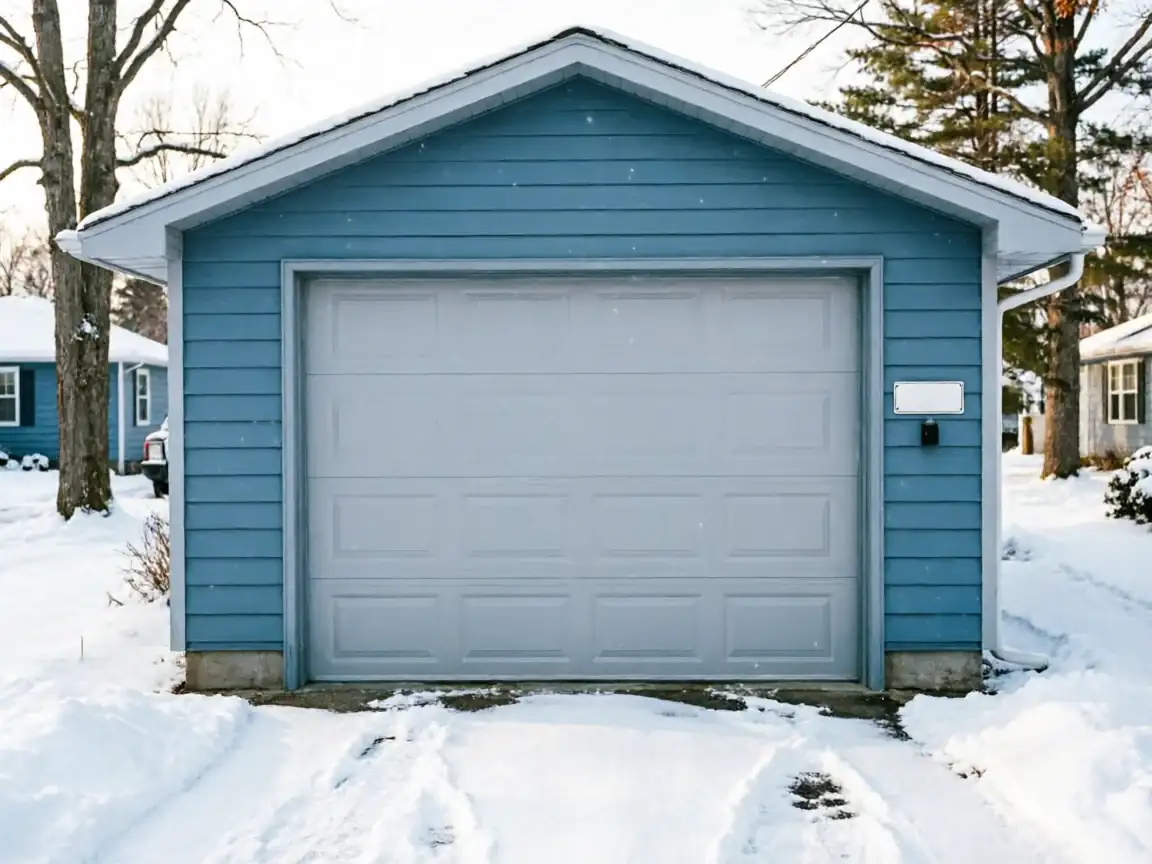
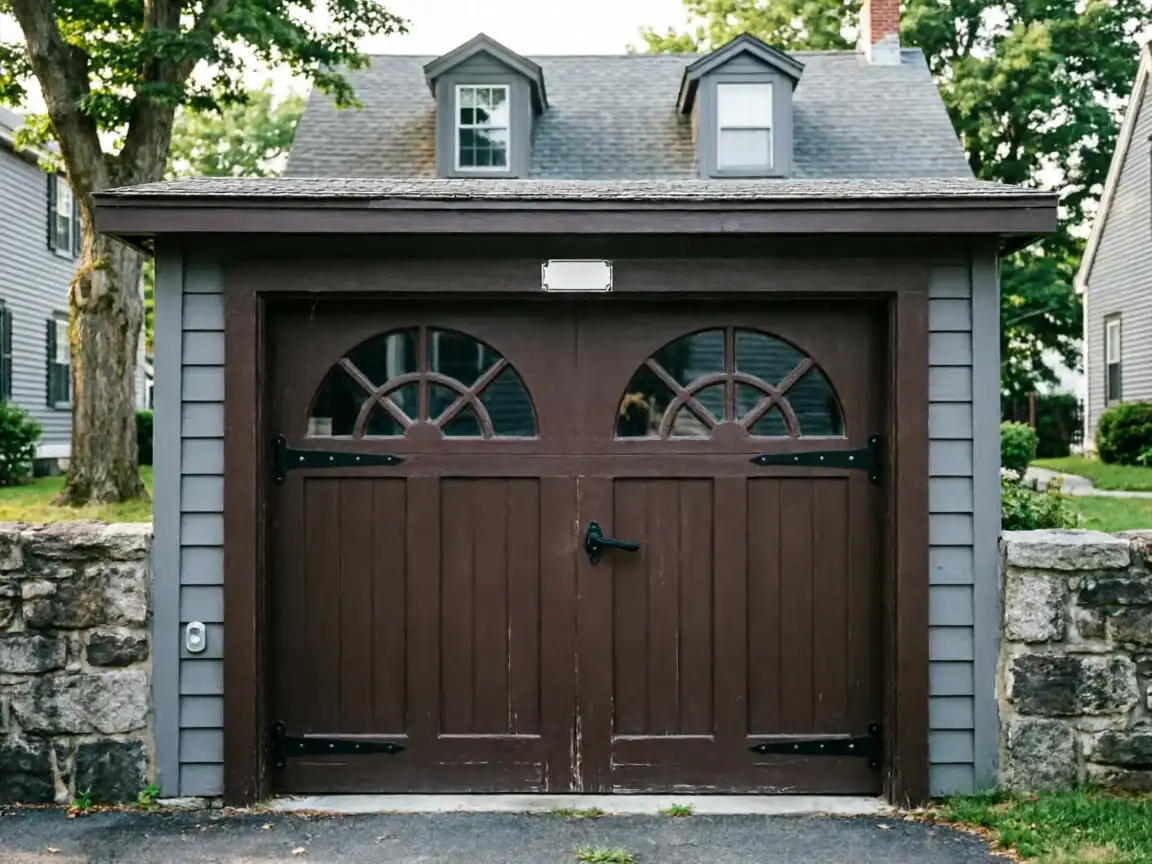
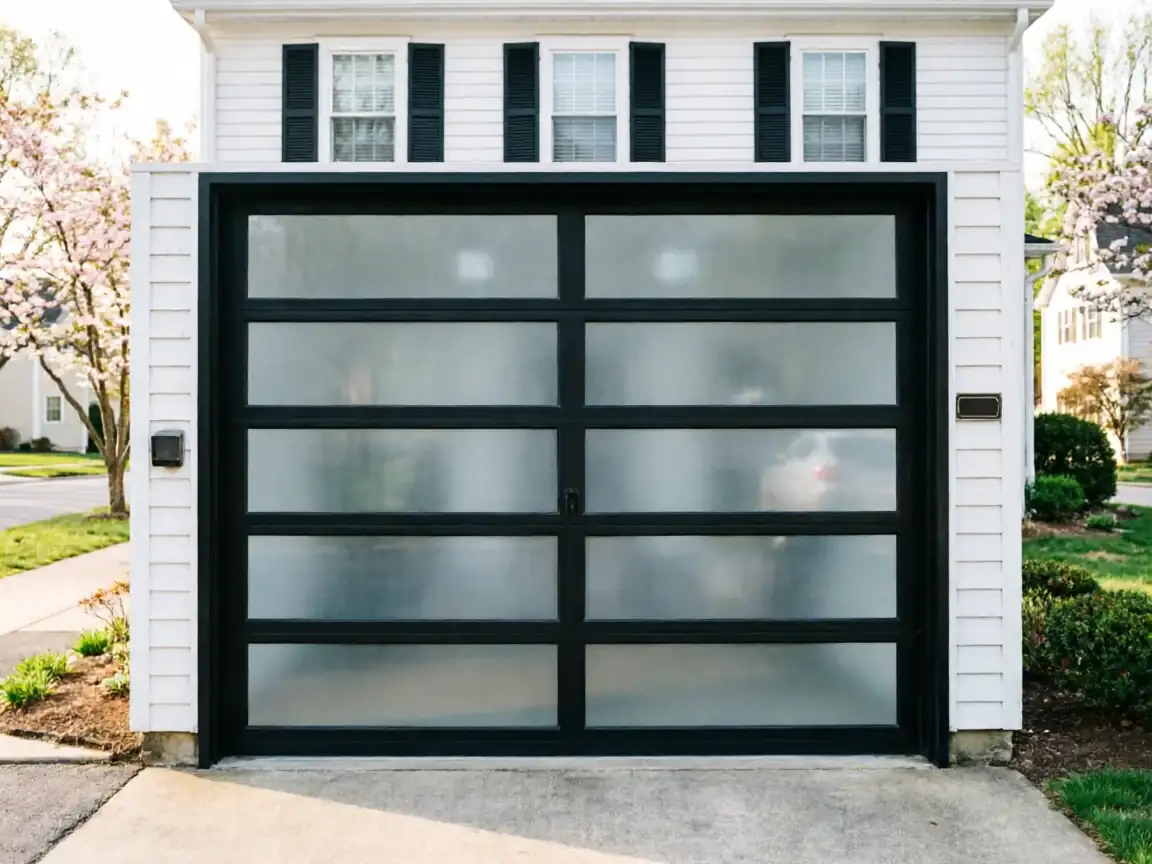
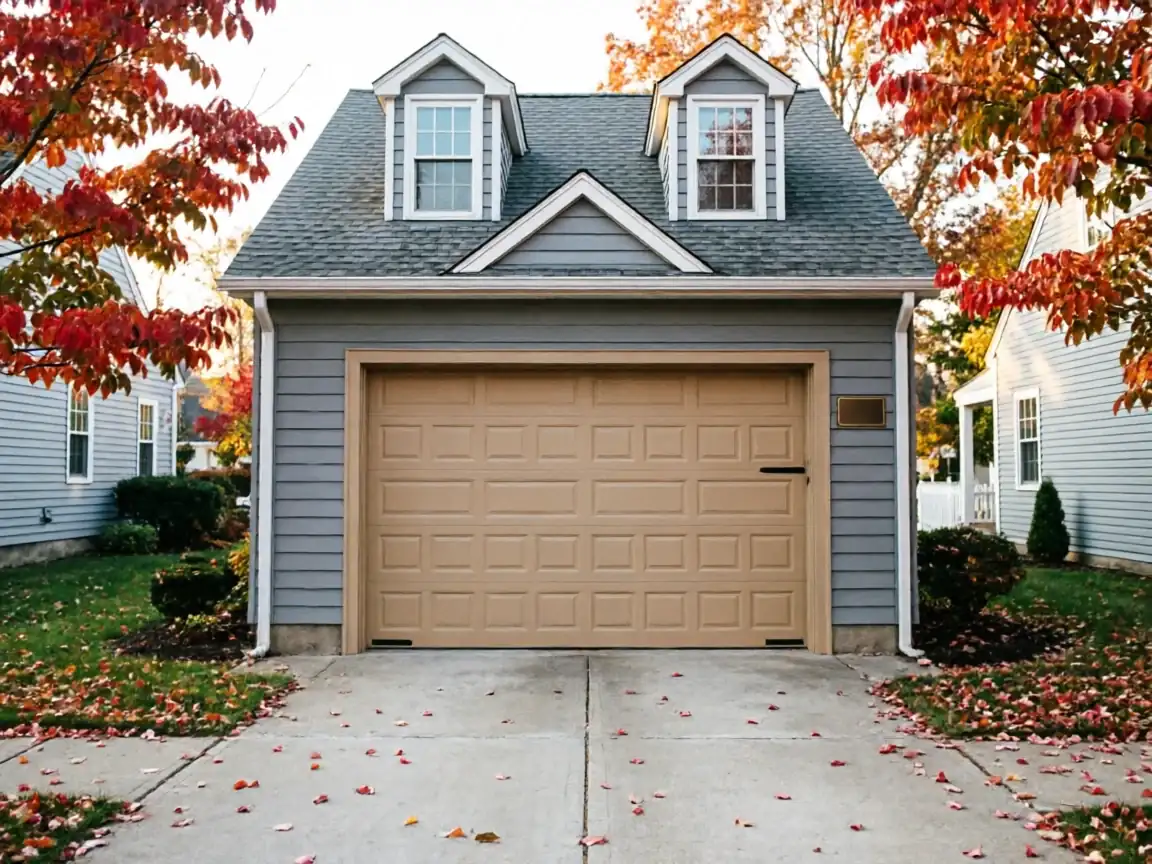
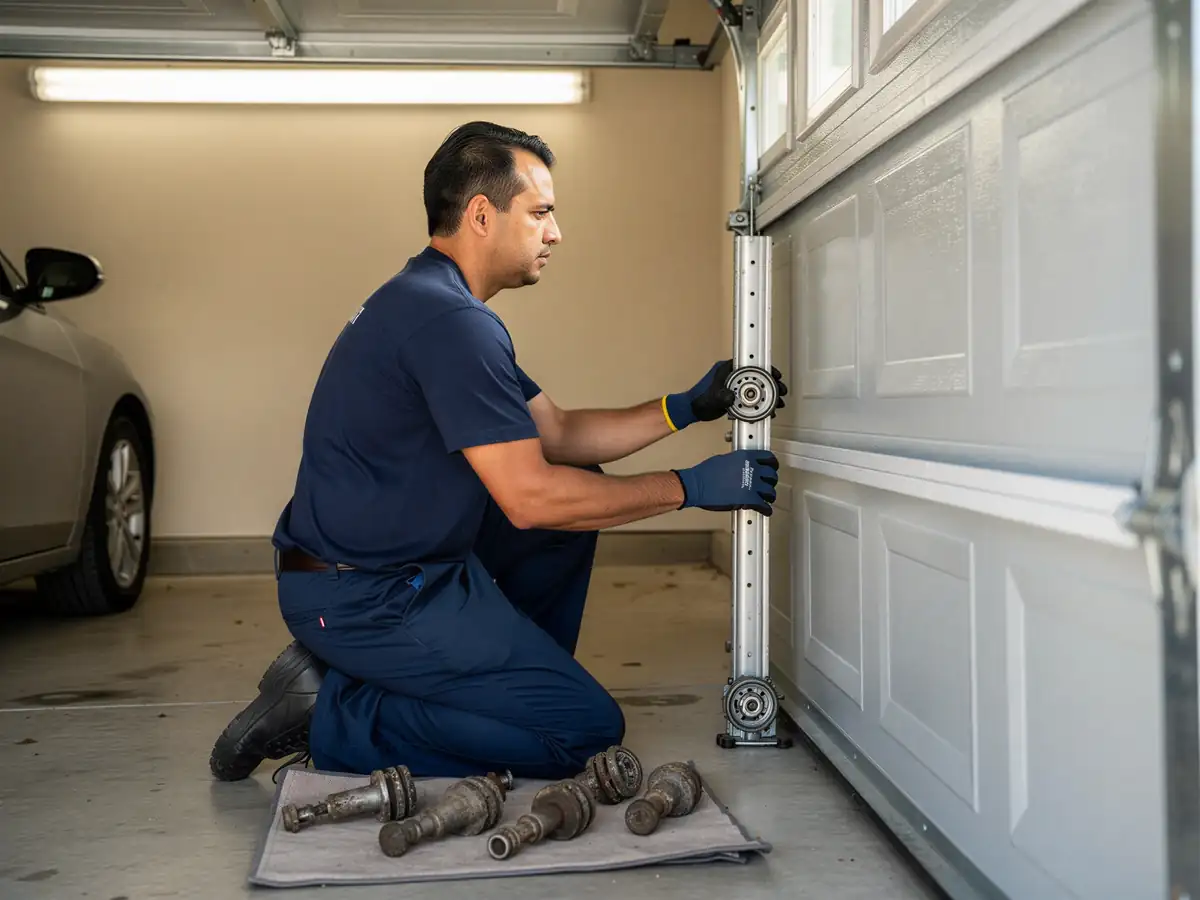
For a town built mostly in the late 80s and early 90s, the common swap is a standard 16x7 or 8x7 steel door, insulated, on new torsion hardware sized to the actual door weight rather than the original builder spec. We carry standard track, rollers, and torsion springs sized for that range on the truck, since it covers most of what a 1991-era garage needs. What we don't keep on hand is anything custom - oversized doors, odd panel heights, or specialty finishes - because those aren't common in a town this size and stocking them for a rare call doesn't make sense. If your opening is non-standard, we'll tell you that on the first visit rather than guess, and order to match once we've measured.
What It Costs
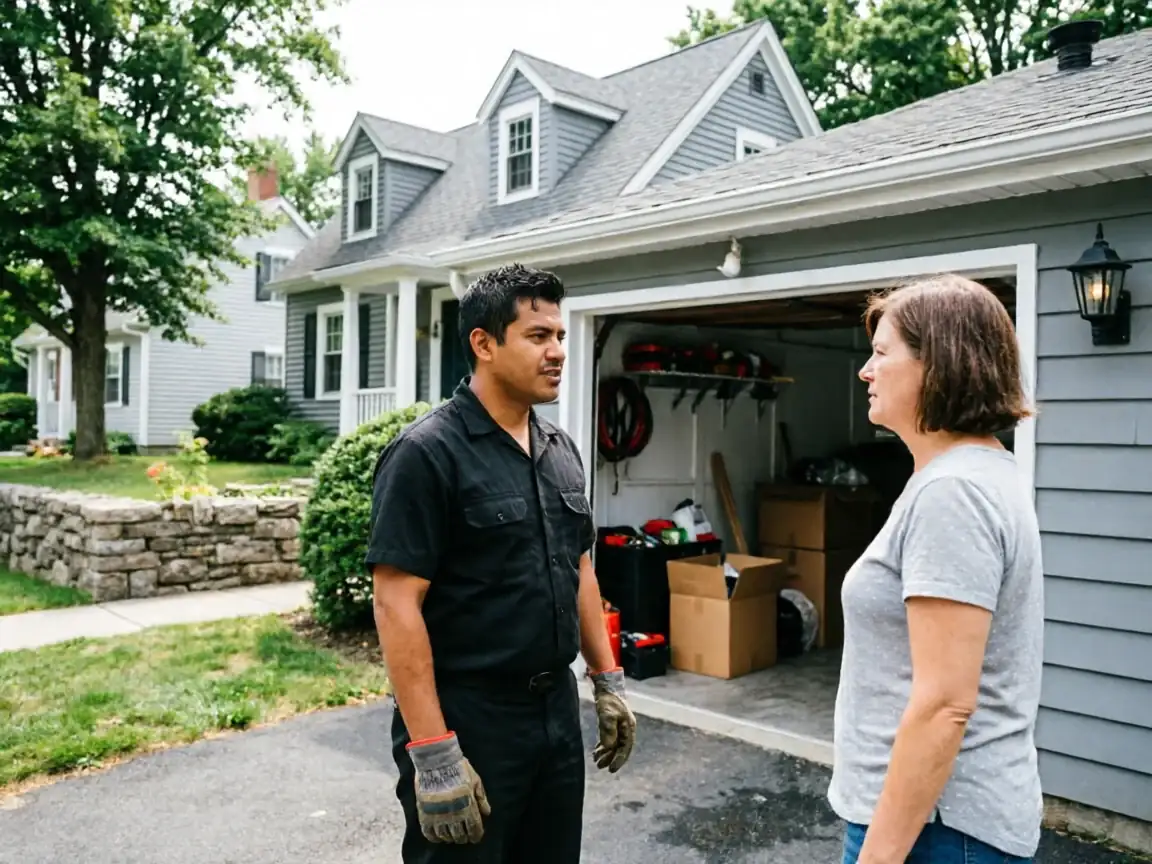
We don't have a set price to quote here without seeing the opening, since cost depends on door size, insulation level, and whether the track and spring need to be upsized to match a heavier door than the 1991-era original. What we can tell you is that households in this part of the service area, with a median income around $165,942, more often choose a mid-to-upper insulated steel door over the builder-basic option, so that's usually where the conversation starts. We'll give you a firm number after measuring the opening and checking what the current hardware can and can't support, not before.